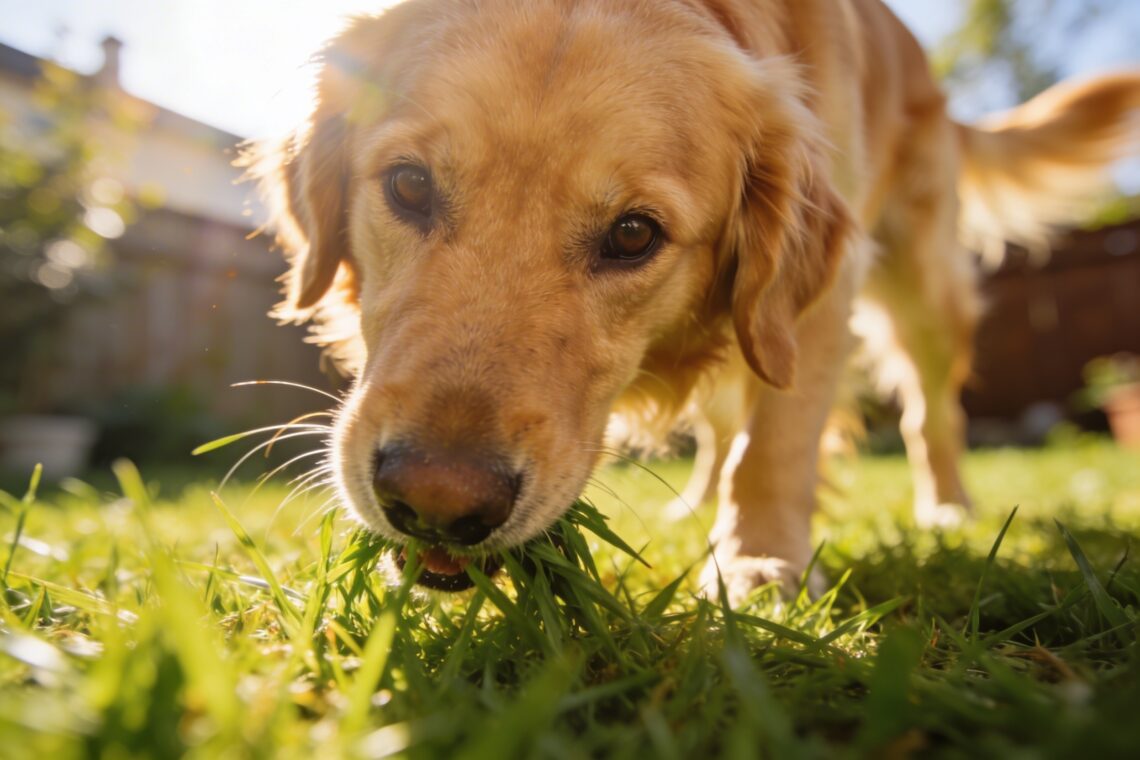
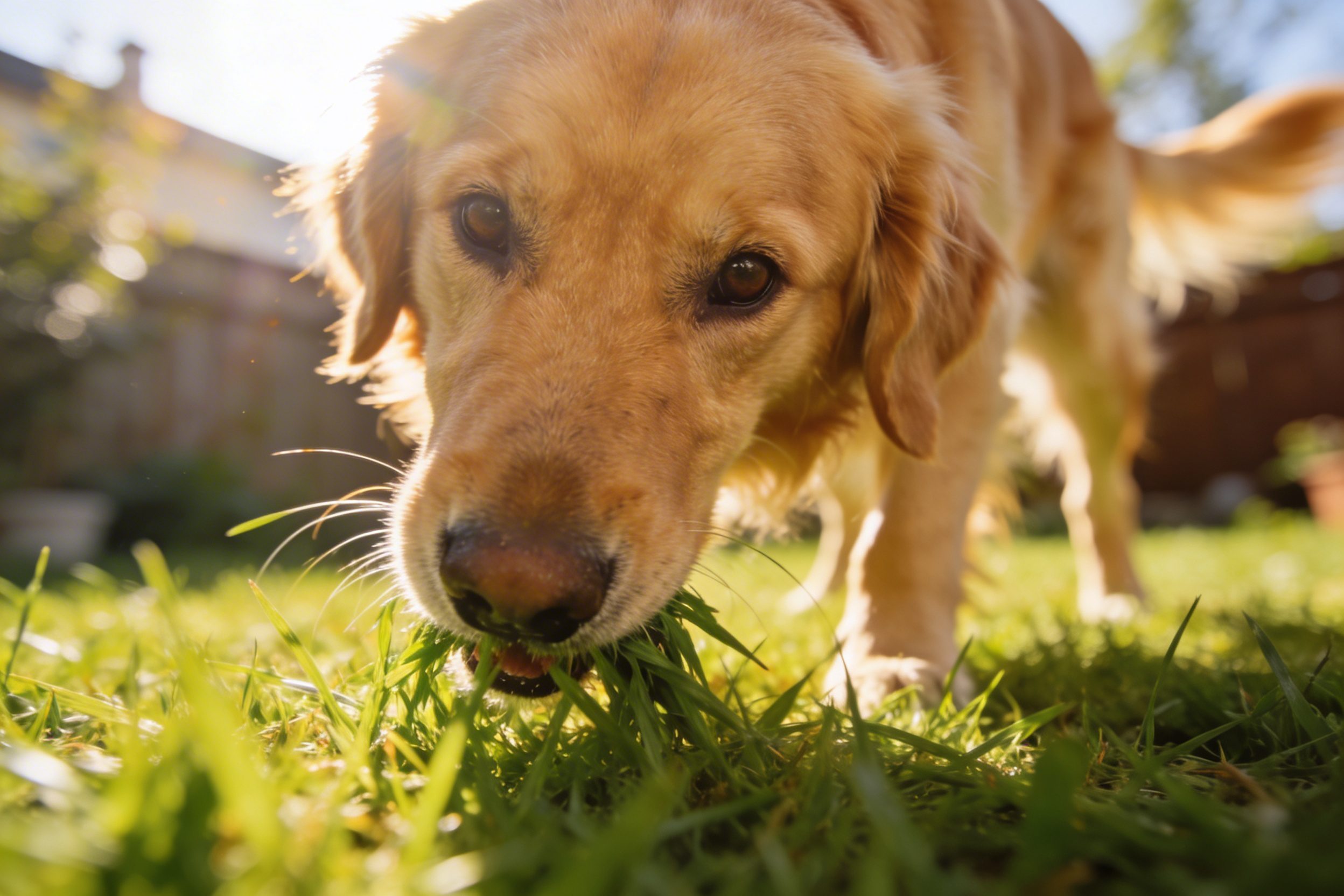
You’ve probably stood on your back porch, coffee in hand, watching your beloved pooch munching on grass like it’s an all-you-can-eat salad bar. Your first thought? “What the heck is wrong with my dog?” Well, buckle up, because the reasons behind this bizarre behavior are way more interesting than you’d think. Some of them might actually surprise you.
The Ancestral Diet: Your Dog’s Wild Side Is Showing
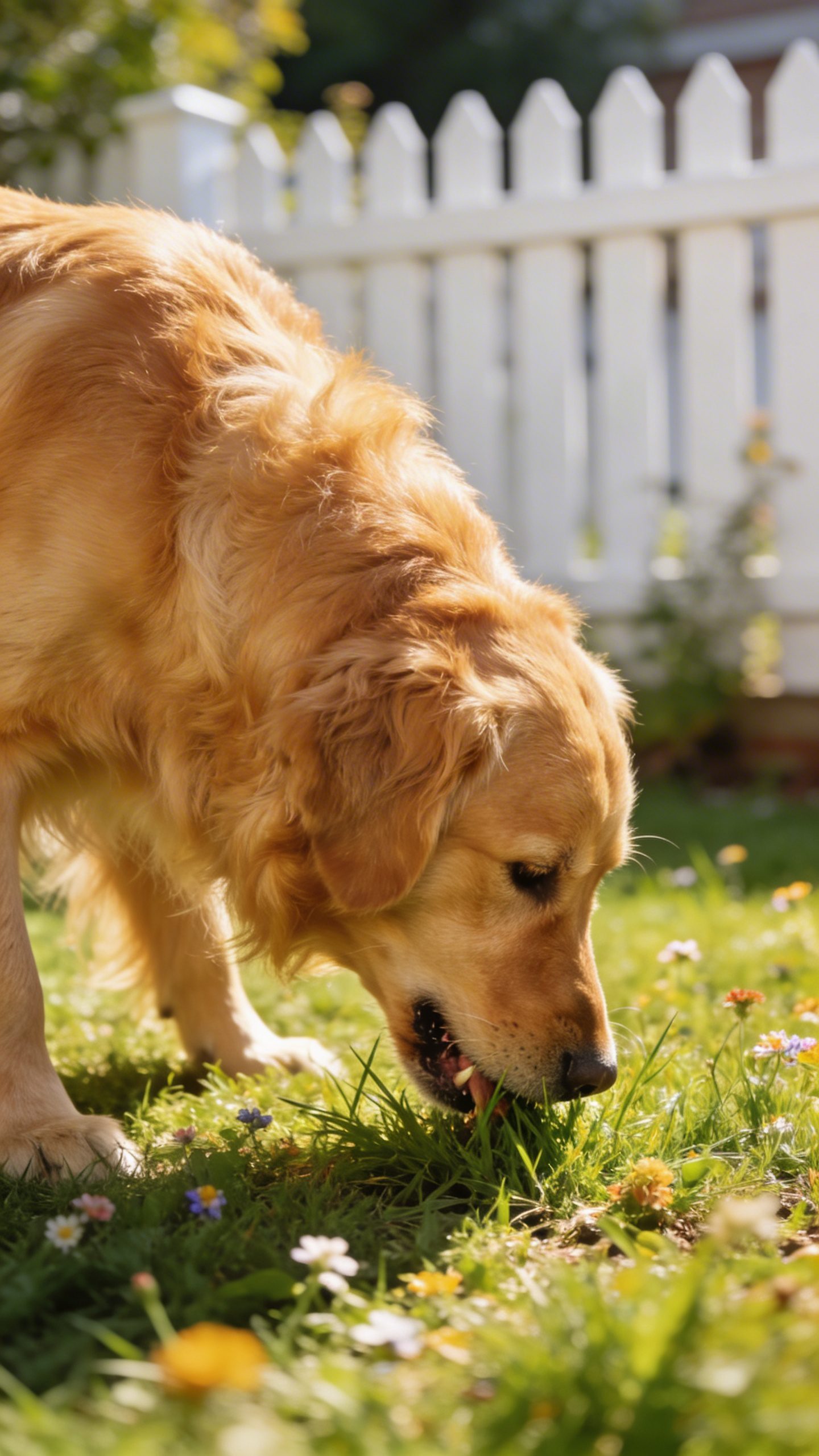
Here’s the thing: your fluffy couch potato descends from wolves who weren’t exactly hitting up the drive-thru for dinner. Wild canines routinely consumed plant matter when they ate their prey—stomach contents and all. Yup, that means grass, berries, and whatever else their dinner had been snacking on. This evolutionary heritage hardwired certain behaviors into your dog’s brain. Even though Fluffy gets gourmet kibble served in a personalized bowl, those ancient instincts don’t just disappear. Your dog’s DNA still carries blueprints from ancestors who supplemented their meat-heavy diet with vegetation. Modern dogs maintain these instincts despite thousands of years of domestication. So when your pup starts grazing, they’re basically channeling their inner wolf. It’s not weird—it’s actually pretty normal from an evolutionary standpoint.
The Upset Stomach Theory (It’s Not What You Think)
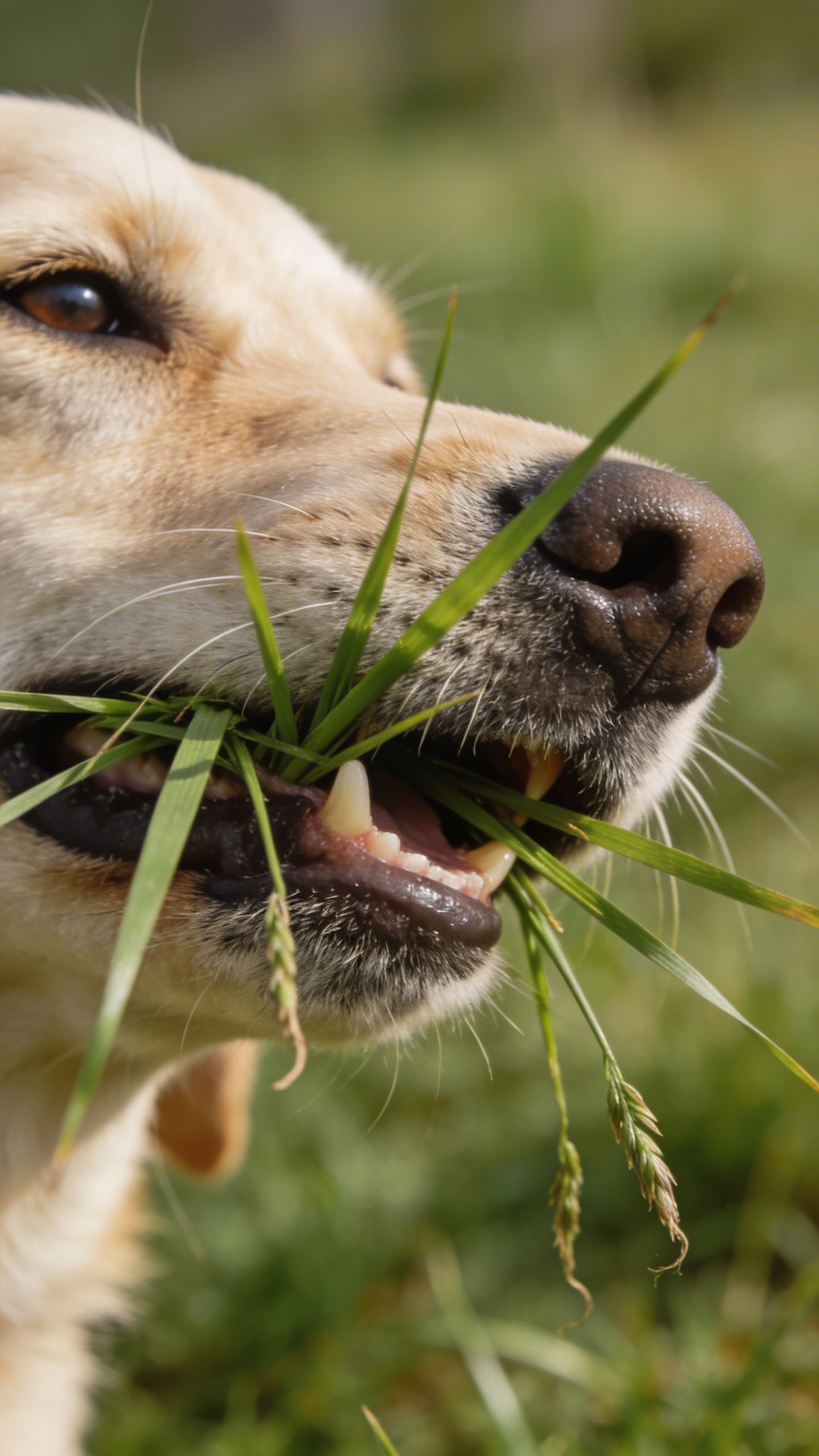
Everyone assumes dogs eat grass to make themselves vomit when they feel sick, right? Well, plot twist: research shows that less than 25% of dogs actually throw up after eating grass. Mind-blowing, I know. Most dogs who munch on grass don’t show any signs of illness beforehand. They’re not looking nauseous or acting uncomfortable. They just… want some grass. It’s like when you randomly crave pickles at 2 AM—sometimes the body wants what it wants.
But What About the Dogs Who DO Vomit?
Okay, so some dogs definitely do use grass as nature’s emetic. If your dog frantically gobbles large amounts of grass and then hurls, they might be trying to address some digestive discomfort. The grass tickles their throat and stomach lining, triggering the gag reflex. However, here’s where it gets tricky: scientists can’t agree whether dogs eat grass BECAUSE they feel sick, or whether they feel sick BECAUSE they ate grass. Chicken or egg situation, folks.
Nutritional Deficiencies: The Salad Bar Solution

Sometimes your dog just needs their greens. No, seriously. Grass contains fiber, chlorophyll, and other nutrients that might be missing from their regular diet. Dogs are technically omnivores, not pure carnivores like cats, so they actually benefit from plant-based nutrients. If you’re feeding your dog a low-quality diet heavy on fillers and light on actual nutrition, they might instinctively seek out what they’re missing. It’s basically their version of taking a multivitamin, except way less convenient and significantly messier. Consider these potential deficiencies that drive grass-eating:
- Lack of fiber leading to digestive issues
- Missing enzymes that aid in digestion
- Insufficient roughage for proper bowel movements
- Deficiency in specific micronutrients found in plant matter
Boredom and Anxiety: The Emotional Eating Angle
Let me hit you with this reality check: your dog might just be bored out of their furry mind. Dogs need mental stimulation, physical exercise, and engagement. When they don’t get it, they find their own entertainment—and apparently, grass is on the menu. Anxious or stressed dogs often develop repetitive behaviors, and grass-eating can become one of them. It’s essentially their version of stress-eating or nail-biting. Not exactly healthy, but it gives them something to do and temporarily distracts from whatever’s bothering them.
How to Spot Boredom-Related Grass Eating
Does your dog mainly graze when they’ve been cooped up all day? Do they seem more interested in grass after minimal exercise? These are telltale signs that Fido needs more action in their life. Try increasing playtime, adding puzzle toys, or switching up your walking routes. FYI, a tired dog is usually a well-behaved dog who’s less likely to turn your lawn into their personal snack station.
They Actually Like the Taste (Weird, But True)
Plot twist number two: some dogs just genuinely enjoy eating grass. I know, mind-boggling. But think about it—why do YOU eat celery when it’s basically crunchy water? Sometimes things just taste good for no logical reason. Fresh spring grass, especially after rain, can be particularly appealing to dogs. It’s sweet, crunchy, and has a mild flavor. For some pups, it’s simply a pleasant sensory experience. They’re not sick, deficient, or bored—they just like it. Different textures and tastes appeal to different dogs, just like people. Your dog might be a grass connoisseur who appreciates the finer things in life. Who are we to judge?
Parasite Prevention: Nature’s Dewormer?
Here’s where things get really interesting. Some researchers believe dogs eat grass as a natural deworming strategy. Wild canids in various studies show patterns of grass consumption that correlate with parasite management. The theory goes like this: grass increases intestinal contractions and wraps around worms, helping to expel them from the digestive system. Grass doesn’t actually kill parasites, but it might help move them along and out of your dog’s body. IMO, this is fascinating from an evolutionary perspective. Animals across species engage in self-medication through consuming specific plants. Your dog might be smarter than you give them credit for—or at least their instincts are.
Temperature Regulation and Hydration
On hot days, grass can provide moisture and a cooling effect. Ever notice your dog grazing more during summer? Fresh grass contains a surprising amount of water, especially in the morning when it’s covered in dew. Dogs don’t sweat like humans do, so they’re always looking for creative ways to cool down. Eating cool, moist grass might be their version of drinking ice water on a scorcher of a day. This doesn’t mean grass should replace actual water (please keep that bowl filled!), but it might explain increased grazing behavior during warmer months.
Frequently Asked Questions
Should I stop my dog from eating grass?
Generally, no—grass-eating is usually harmless. However, watch out for grass treated with pesticides, herbicides, or fertilizers. These chemicals can seriously harm your dog. Also, if your pup is vomiting frequently or showing signs of illness, skip the grass and head straight to the vet.
How much grass is too much grass?
If your dog occasionally nibbles grass, you’re fine. If they’re consuming large quantities daily or it’s interfering with their regular meals, that’s a red flag. Excessive grass-eating might indicate underlying health issues that need professional attention. When in doubt, consult your veterinarian.
Can grass hurt my dog?
Clean, untreated grass is generally safe. The main dangers come from toxic chemicals, parasites in contaminated areas, or sharp grass blades causing minor throat irritation. Some ornamental grasses and plants can be toxic, so know what’s growing in your yard. The bigger risk is what’s ON the grass rather than the grass itself.
Does grass-eating mean my dog has worms?
Not necessarily. While grass consumption might relate to parasite issues in some cases, it’s definitely not a reliable indicator. Dogs can have worms without eating grass, and they can eat grass without having worms. Regular veterinary check-ups and fecal tests are the only way to know for sure.
Will adding vegetables to my dog’s diet stop grass-eating?
It might help if nutritional deficiency is the cause. Try adding dog-safe veggies like carrots, green beans, or cucumber to their meals. Some dogs stop grazing when their dietary needs are better met, but others continue simply because they enjoy it. Every dog is different.
Is there a difference between grass types dogs prefer?
Absolutely! Most dogs seem to prefer young, fresh grass over dried-out or mature blades. They often go for the sweet, tender shoots rather than tough, fibrous growth. Some picky eaters even have specific grass preferences—because apparently, our dogs can be food snobs about everything, including lawn varieties.
Conclusion: Should You Worry?
The bottom line? Grass-eating is usually completely normal behavior that doesn’t require intervention. Unless your dog is showing other symptoms of illness, vomiting excessively, or consuming chemically treated grass, let them have their salad moment. That said, trust your gut. You know your dog better than anyone. If something feels off or the behavior changes dramatically, a vet visit never hurts. Use grass-eating as one piece of the puzzle when monitoring your dog’s overall health, not as an isolated cause for panic. Now you can watch your furry weirdo graze away with the knowledge that they’re probably just fine—and possibly smarter than we give them credit for. Nature’s pretty amazing that way.