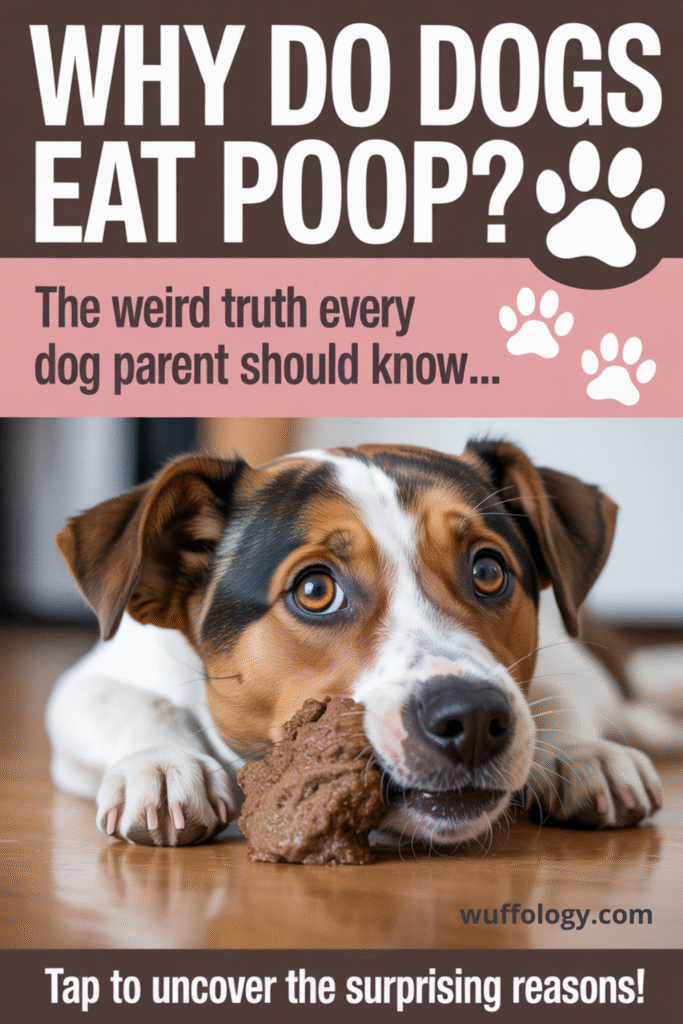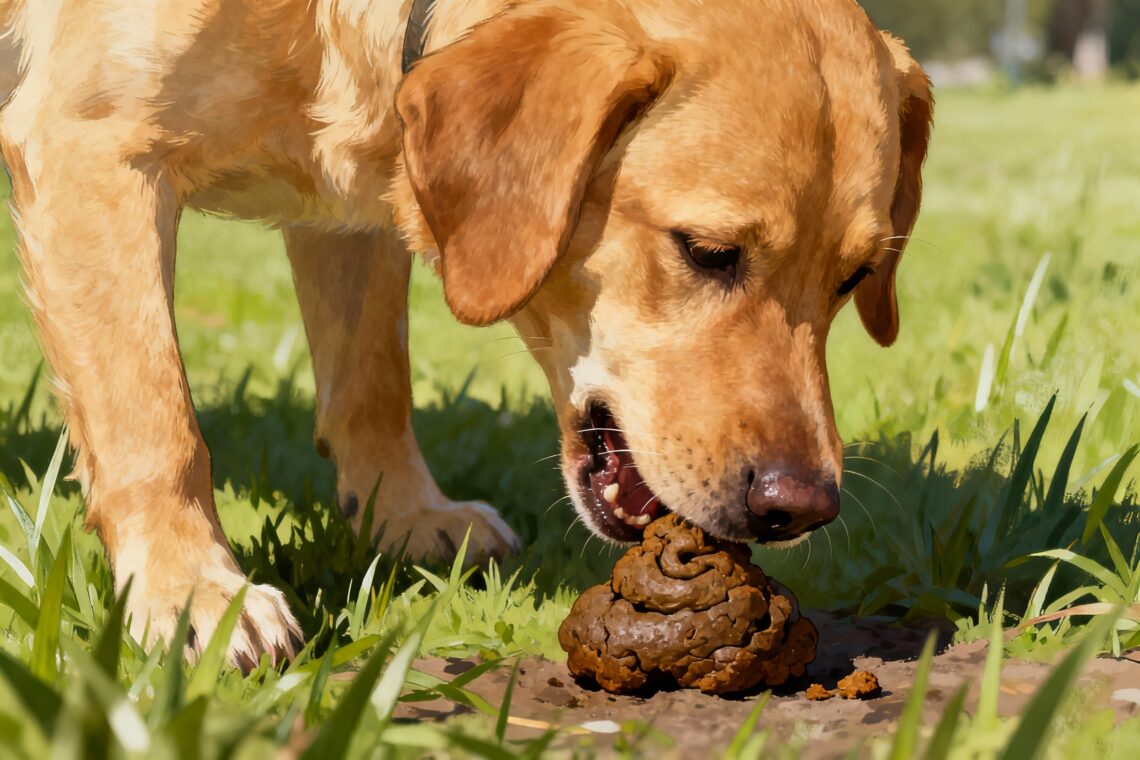
Your dog just ate poop. Again. You’re horrified, they’re proud, and now you’re Googling like a maniac.
Let’s skip the sugarcoating: lots of dogs eat poop. It has a name (coprophagia), it’s gross, and yes, you can fix it. Let’s unpack the why, the what-now, and how to make it stop—without turning your daily walks into a poop patrol Olympics.
First Things First: Is This Normal?
Dogs explore the world with their mouths.
Some learn that poop tastes… interesting. Others copy habits from other dogs. It’s not uncommon, and it doesn’t automatically mean your dog has a health crisis or a moral failing.
They’re dogs. They lick everything. Key point: It’s common, especially in puppies and younger dogs. Most grow out of it.
Some don’t, and that’s where we come in.
Why Dogs Eat Poop: The Big Reasons
Several motives can stack together. Think of it like a buffet of explanations.
- Nutrition gaps: If your dog lacks certain nutrients or can’t absorb food well, they might scavenge for “leftovers” in poop.
- Digestive enzyme deficiency: Some food passes through semi-digested. Dogs smell food remnants and think, “Round two!”
- Behavioral boredom: Under-stimulated dogs create their own entertainment.Unfortunately, it’s sometimes… this.
- Anxiety or stress: Dogs clean up stool to “hide” it, especially if they fear punishment for accidents.
- Maternal instinct: Mother dogs eat puppies’ poop to keep the den clean. Some dogs keep the habit.
- Learned from other dogs: Monkey see, monkey do—except with poop.
- Medical issues: Parasites, diabetes, Cushing’s, malabsorption, or meds like steroids can increase hunger and scavenging.
When It’s Probably Behavioral
If your dog eats poop mostly during walks, when bored, or when you react dramatically (hey, attention is attention), you likely have a training and management project—not a medical emergency.
When It Might Be Medical
Look for weight loss, ravenous appetite, diarrhea, dull coat, or sudden behavior changes. If your senior dog starts this out of nowhere, call your vet.
FYI: a basic stool test and bloodwork can rule out the big stuff fast.
Diet Tweaks That Actually Help
You can’t out-train a nutritional gap. Start here.
- Feed a complete, balanced diet: Choose reputable brands that meet AAFCO guidelines. Cheap food often means poor digestibility.
- Consider higher digestibility: Some dogs do better on foods with identifiable proteins and fewer fillers.
- Add fiber strategically: A bit more fiber helps firm stools and improve satiety.Think canned pumpkin or a vet-recommended fiber supplement.
- Ask your vet about enzymes or probiotics: Digestive enzymes can reduce undigested food in stool; probiotics support gut health.
- Feed on a schedule: Predictable meals = predictable poops, which makes cleanup easier and faster.
Supplements People Swear By (And What Actually Works)
You’ll see products that claim to make poop taste bad. Joke’s on them—dogs already think it tastes fine. Some “stool deterrents” help by improving digestion rather than flavor.
IMO, pick products with enzymes, prebiotics, or probiotics and skip the magic flavor dust.
Training and Management: Your Real Power Tools
Diet helps, but training gives you sanity.
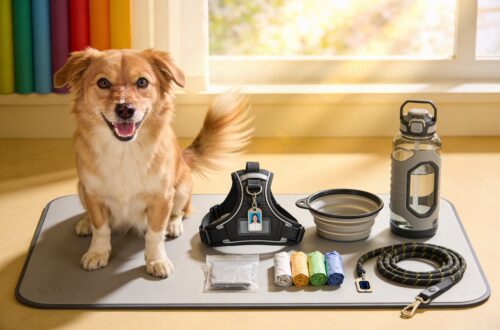
- Immediate cleanup: If you remove the buffet, your dog can’t eat from it. Keep bags handy in your yard and on walks.
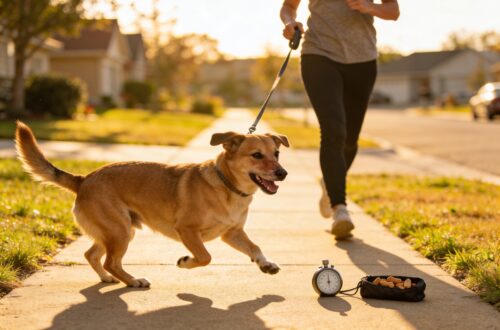
- Leash control: Keep the leash short and your eyes up. Spot the target first, steer away, keep moving.
- Teach “leave it” and “drop it”: Make these rock-solid commands.Reward like you mean it.
- Use a muzzle for serial offenders: A basket muzzle lets your dog pant and drink but blocks snacking. It’s training wheels, not a punishment.
- Increase enrichment: Add sniff walks, puzzle feeders, tug sessions, or training games. A tired brain makes fewer gross choices.
How to Teach a Reliable “Leave It”
- Hold a treat in a closed fist.When your dog ignores it, mark (yes!) and reward with a different treat from the other hand.
- Place a treat on the floor covered by your hand. When your dog backs off, mark and reward from your pocket.
- Add the cue “leave it,” then practice with low-value items on walks. Work up to poop-level distractions (from a safe distance first).
Pro tip: Reinforce like crazy when your dog chooses you over the turd.
Make that decision pay.
Special Cases You Should Know
Not all poop is created equal. Sorry for that sentence.
- Cat poop: Basically crunchy protein snacks to a dog. Block access to the litter box with gates or top-entry boxes.
- Wildlife poop: Tempting and risky.Think parasites or toxins (goose poop, I’m glaring at you). Keep moving and use the muzzle strategy if needed.
- Puppy pads and accidents: Clean with enzymatic cleaners so no scent remains. Reward outdoor pottying like you’re throwing a parade.
Yard Hygiene Checklist
- Scoop daily—set a reminder if you must.
- Use covered outdoor bins or bags to remove odor cues.
- Limit off-leash yard time without supervision if your dog hunts for “snacks.”
Health Risks: What’s the Damage?
Gross doesn’t always equal dangerous, but let’s stay smart.
- Parasites: Roundworms, hookworms, giardia—get regular fecal tests and deworming as your vet recommends.
- Bacteria: Salmonella and friends can happen, especially from wildlife poop.Wash hands and keep vaccines and preventatives current.
- Dietary upset: Vomiting or diarrhea can follow a gnarly snack. Monitor and call your vet if symptoms linger more than 24 hours or your dog seems off.
Bottom line: Don’t panic over a one-time incident. Do take repeat offenses seriously.
What Your Vet Will Check (And When You Should Go)
If this habit seems new, intense, or paired with other symptoms, book a visit.
Your vet might:
- Run a fecal test for parasites
- Do bloodwork to check thyroid, glucose, cortisol, and organ function
- Evaluate diet and body condition
- Recommend probiotics, enzymes, or a food trial
Go sooner if you see weight loss, ravenous hunger, frequent diarrhea, sudden changes in behavior, or if your dog is a senior. FYI: catching a medical issue early saves money and stress.
FAQ
Will my dog get sick from eating poop?
Sometimes, yes. Parasites and bacteria can cause stomach upset or worse.
Many dogs eat poop and feel fine, but you shouldn’t gamble. Keep up with fecal checks, preventatives, and quick cleanups, and call your vet if your dog shows symptoms.
Do deterrent sprays or additives work?
They can, but results vary a lot. Products that improve digestion or change stool composition help more than those that just “taste-bad-ify” it.
Use them alongside training, not instead of it. IMO, the combo of better diet, enzymes, and management wins.
Is this a sign I’m not feeding enough?
Not always. Some dogs do this on a premium diet with perfect portions.
That said, if your dog acts starving, loses weight, or has frequent loose stools, reassess calories and quality with your vet.
Can punishment stop poop eating?
Nope. Scolding can make anxious dogs hide the evidence by eating it faster. Reinforce alternative behaviors—“leave it,” “heel,” “touch”—and pay your dog well when they choose you over the snack.
Will my puppy outgrow it?
Many do.
Puppies explore everything, and poop happens to be available and exciting. Keep up with management and training, and most pups move on as impulse control improves.
What if my dog only eats certain animals’ poop?
Common. Cat, rabbit, goose, and deer poop each have unique scents and textures.
Treat it like any other trigger: block access, reinforce “leave it,” and consider a muzzle on high-risk routes.
The Takeaway
Poop eating feels disgusting, but it’s solvable. Tackle it from both sides: optimize diet and digestion, and dial in training and management. Clean up fast, teach a killer “leave it,” add enrichment, and loop in your vet if the habit is new or intense.
With consistency, you’ll go from “ew, why” to “hey, we’ve got this” sooner than you think. FYI: your dog still loves you—even if their hobbies are questionable.