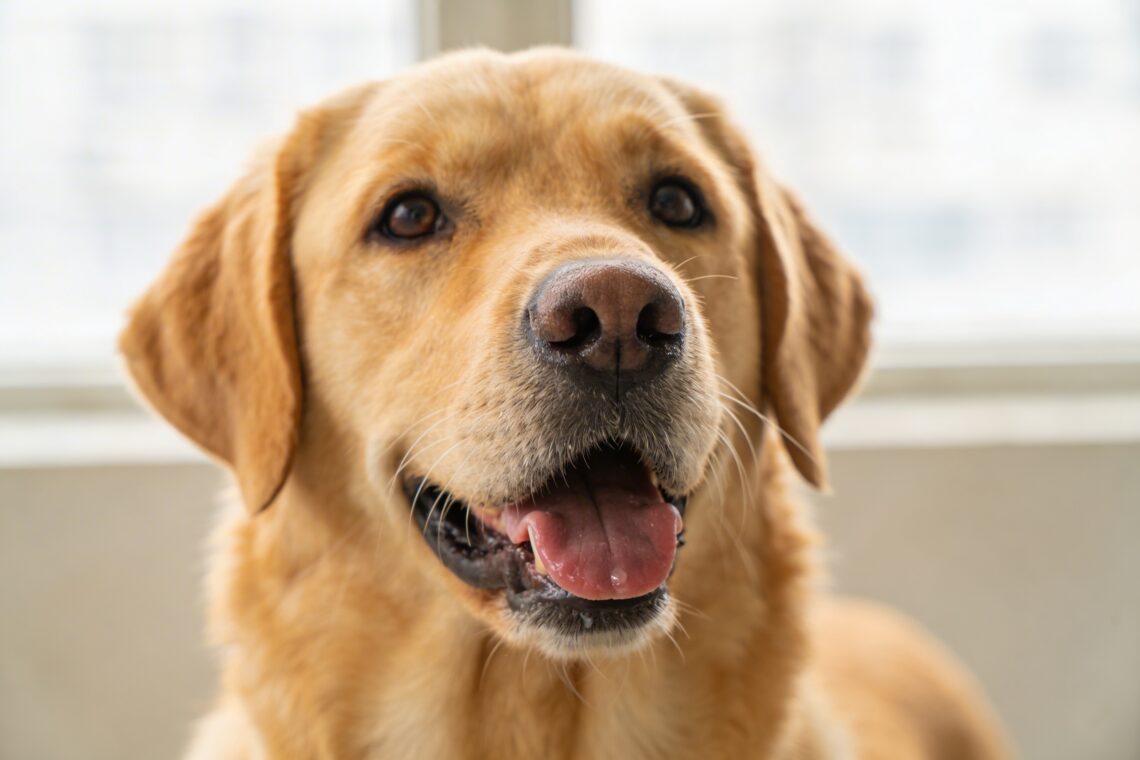
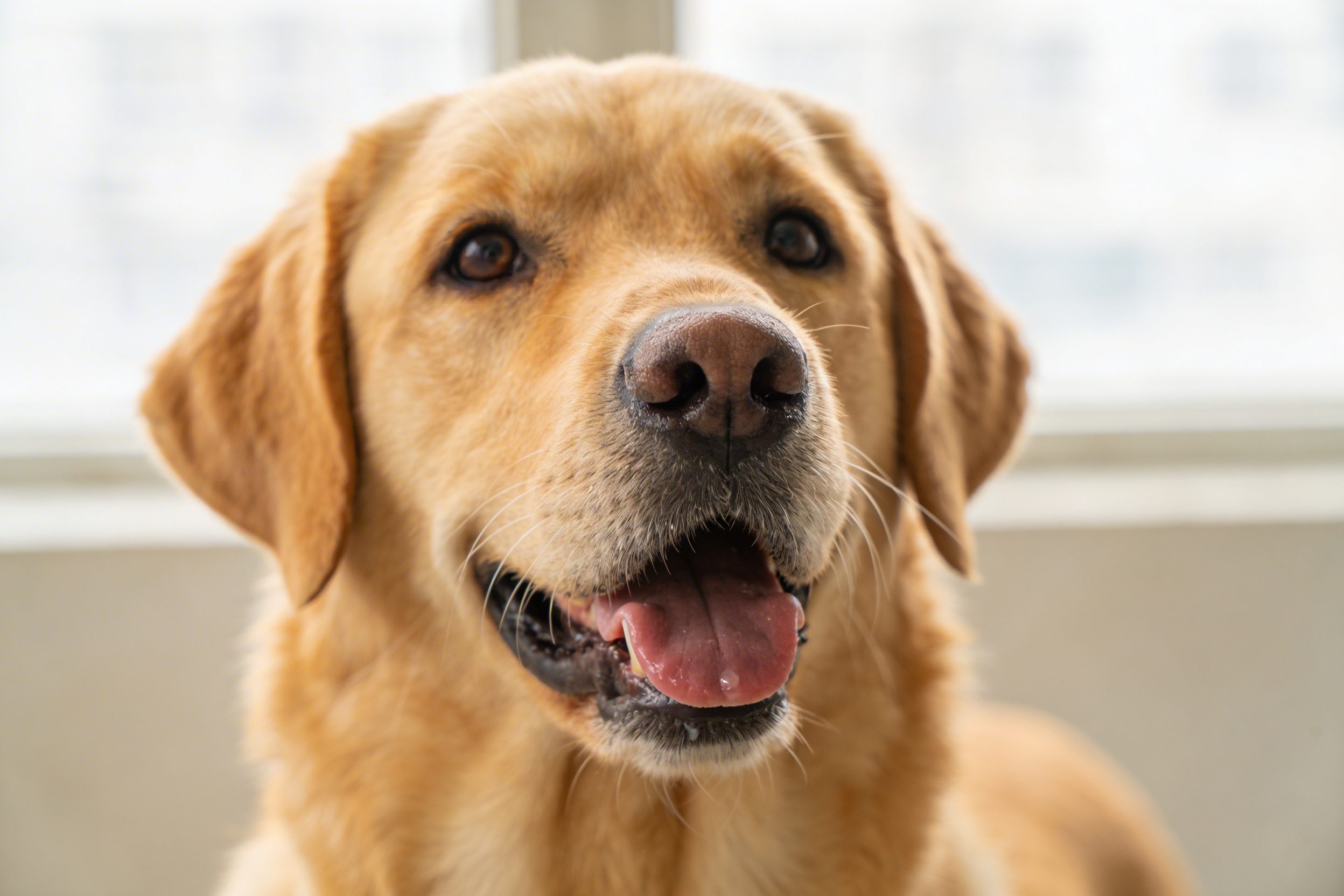
Your dog is sprawled on the floor, tongue lolling out like a wet carpet, panting like they just ran a marathon – except they’ve been napping for the past two hours. What gives? Sure, panting seems normal, but sometimes it’s your pup’s way of waving a red flag that something’s off. Let’s dig into the real reasons behind all that heavy breathing and what you can actually do about it.
The Thermostat Is Broken (And Your Dog Is the AC Unit)
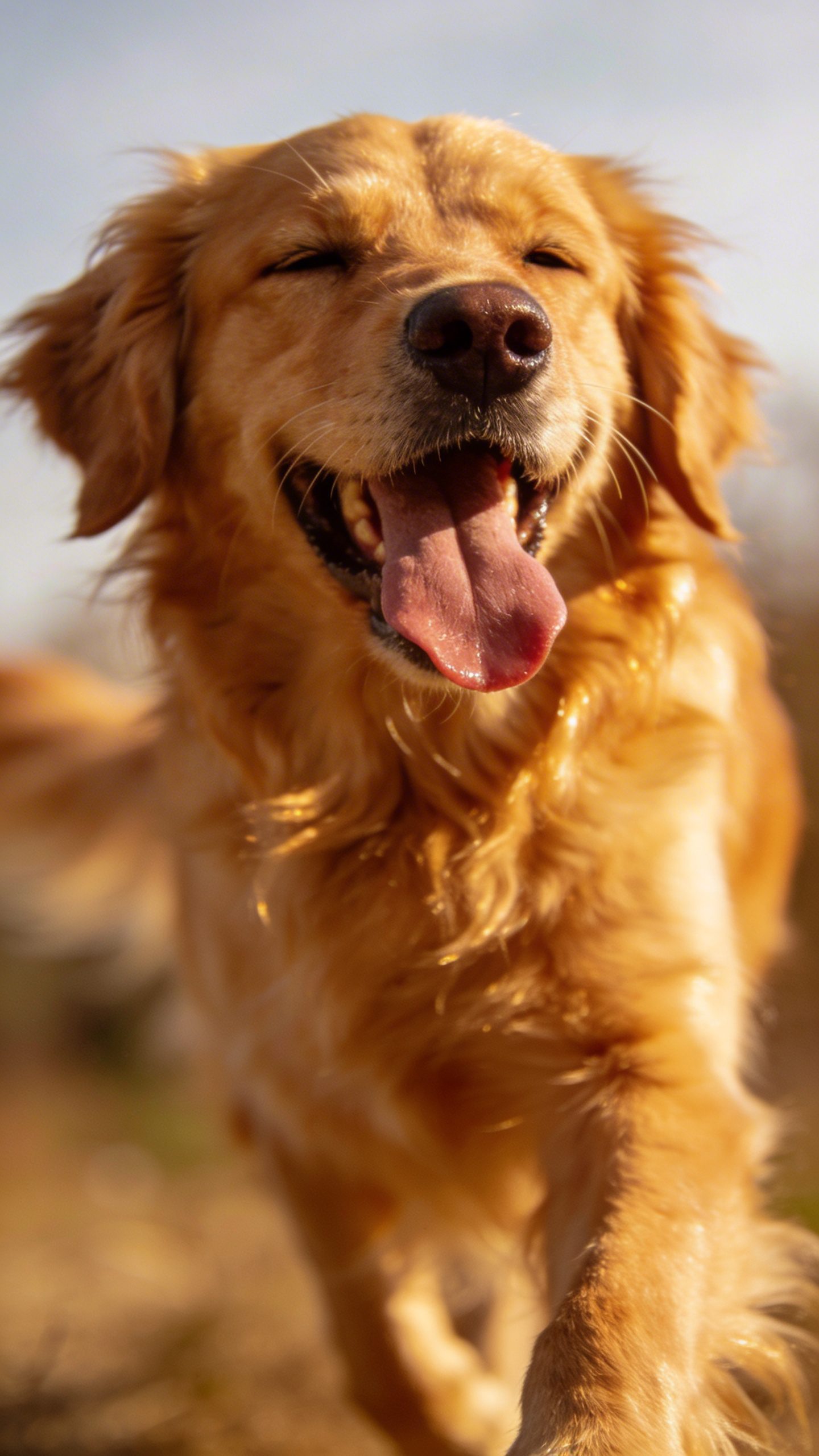
Dogs don’t sweat like we do – they can’t just throw on a tank top and call it a day. Instead, they pant to cool down, evaporating moisture from their tongues and respiratory tract. Think of it as their built-in air conditioning system, except way louder and with more drool. When your dog’s body temperature rises, panting kicks into high gear. This happens on hot days, after exercise, or even when they’re just chilling in a warm room. The rapid breathing allows heat to escape through moisture evaporation, bringing their core temperature back to normal. Quick fixes that actually work: Move your dog to a cooler spot immediately. Offer fresh, cool water (not ice-cold – that can cause stomach upset). You can also dampen their paws and belly with cool water, or point a fan in their direction. If your dog seems disoriented or their panting doesn’t slow down after 10-15 minutes of cooling, you’re looking at potential heatstroke – get to a vet, stat.
Stress and Anxiety Are Running the Show
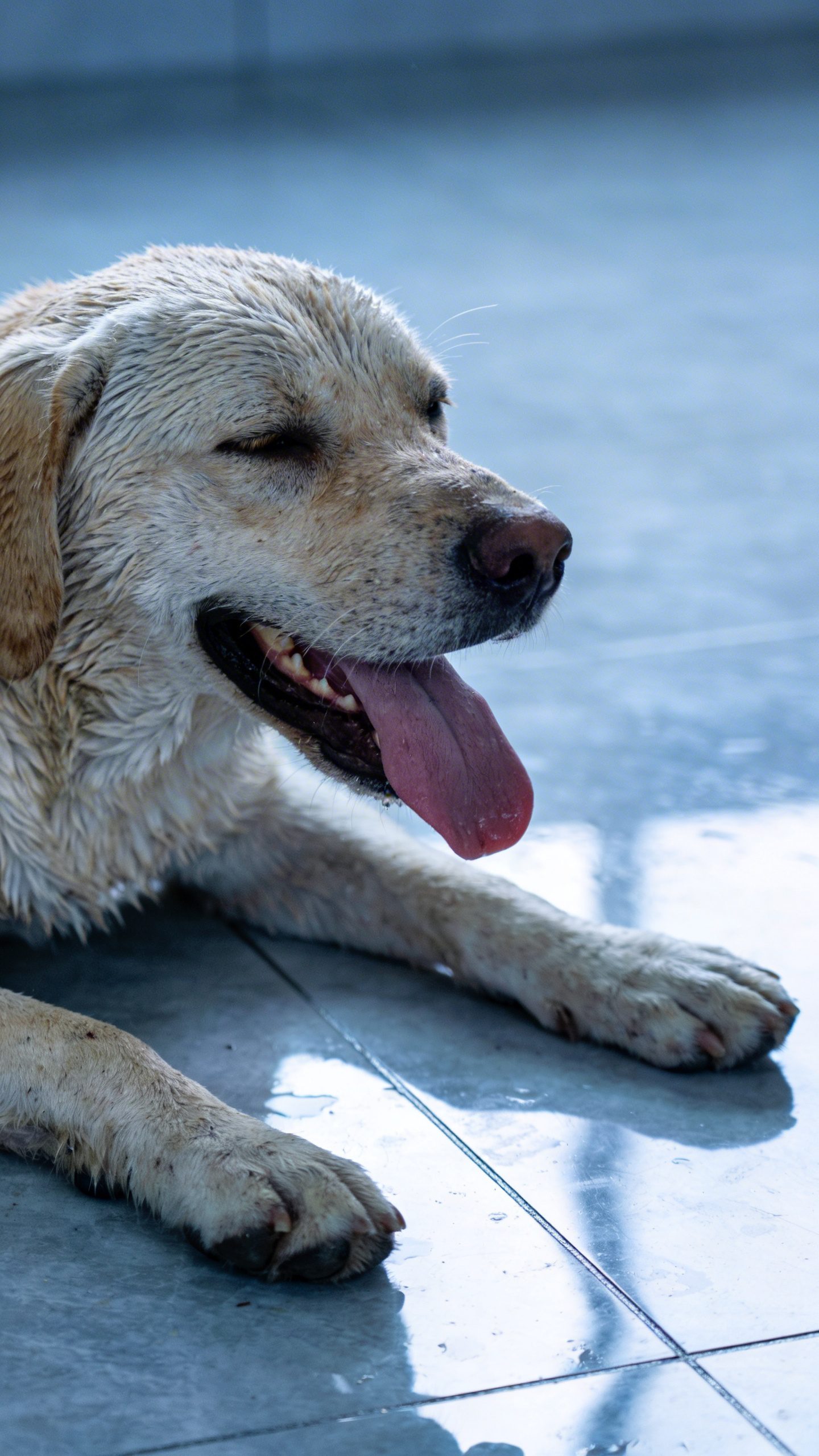
Ever notice your dog panting during thunderstorms or when the vacuum cleaner makes an appearance? Yeah, that’s stress panting, and it’s as real as your own anxiety sweats before a big presentation. Dogs pant when they’re nervous, scared, or overwhelmed. New environments, loud noises, separation from you, or even a trip to the vet can trigger this response. It’s part of their fight-or-flight mechanism kicking in, flooding their system with adrenaline.
Spotting Stress Panting vs. Normal Panting
Stress panting usually comes with other telltale signs. Watch for whale eye (when you can see the whites of their eyes), pinned-back ears, excessive yawning, or pacing. Their body language will look tense, not relaxed. Calm-down techniques: Remove your dog from the stressful situation if possible. Create a safe space – a quiet room with their favorite blanket works wonders. Try playing calming music specifically designed for dogs (yes, that’s a thing). Some dogs respond well to anxiety wraps or ThunderShirts that provide gentle pressure. And FYI, CBD treats have been gaining traction, but chat with your vet before going that route.
Pain Is Hiding Underneath
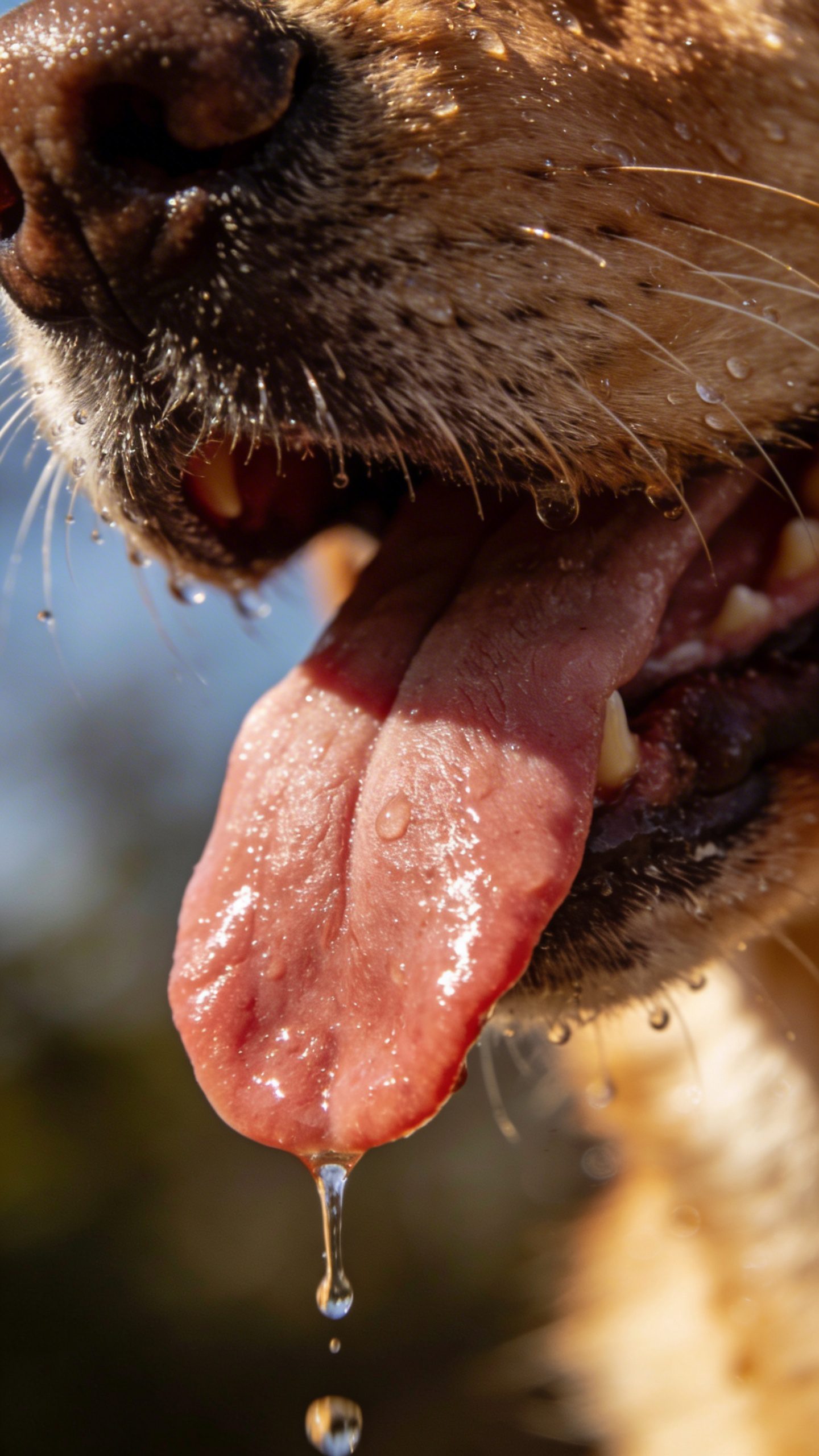
This one’s tough because dogs are basically furry stoics who hide discomfort like champions. Panting can signal that something hurts – whether it’s arthritis, an injury, or internal issues you can’t see. When dogs hurt, their breathing patterns change. The panting might seem random or occur when they’re resting. You might also notice reluctance to move, whimpering, or changes in appetite alongside the panting. What to do: Check your dog for visible injuries, swelling, or sensitive spots. Gently press along their body and watch for reactions. If the panting persists without an obvious cause like heat or exercise, schedule a vet appointment. Don’t wait on this one – pain management is crucial for their quality of life, and early intervention prevents bigger problems down the road.
Your Dog Just Demolished Some Exercise
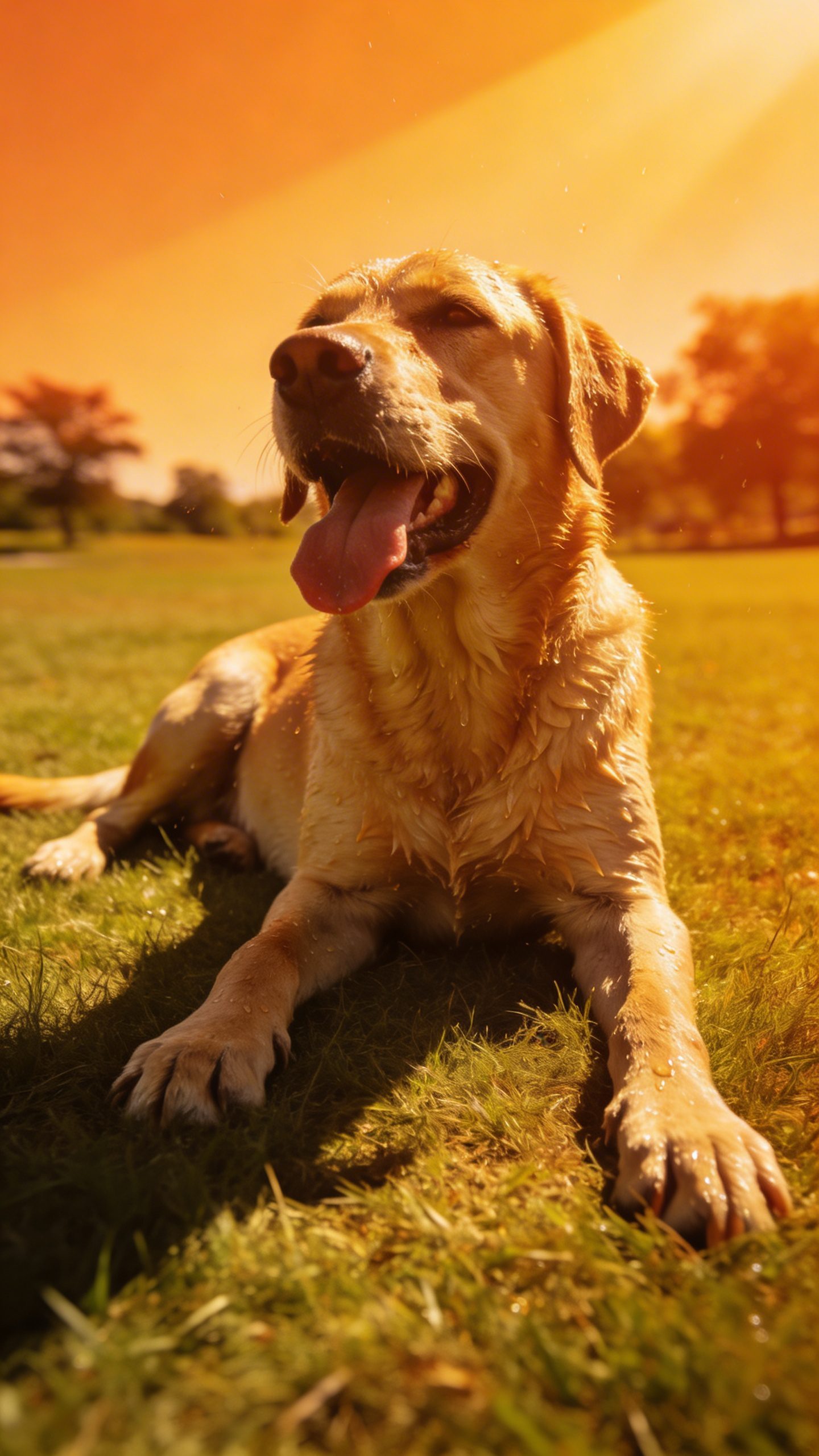
Okay, this one’s obvious, but let’s talk about it anyway. Post-exercise panting is totally normal and expected. Your dog just burned through energy, their heart rate spiked, and their body temperature rose. Panting helps them recover and regulate everything back to baseline. The key here is knowing what’s normal for your specific dog. A five-year-old Border Collie will have different recovery times than a ten-year-old Bulldog. Generally, panting should decrease within 5-10 minutes after moderate activity. Recovery tips: Don’t let your dog gulp massive amounts of water immediately after intense exercise – it can cause bloat. Instead, offer small amounts frequently. Let them rest in a cool, shaded area. If they’re still panting heavily after 30 minutes of rest, something else might be going on.
Certain Breeds Drew the Short Straw
Let’s be real: brachycephalic breeds (dogs with flat faces like Pugs, French Bulldogs, and Bulldogs) got a raw deal in the respiratory department. Their shortened airways make breathing harder, so they pant more frequently and intensely than other breeds. These dogs struggle more with heat regulation and can develop serious breathing problems. What seems like normal panting for a Pug might actually indicate respiratory distress. Overweight brachycephalic dogs face even bigger challenges, so weight management becomes critical. Special care required: Keep these breeds extra cool during warm weather. Avoid strenuous exercise, especially in heat. Consider a harness instead of a collar to reduce pressure on their already-compromised airways. Many owners invest in surgical interventions to widen airways – chat with your vet about whether this makes sense for your pup.
Medical Conditions You Can’t Ignore
Sometimes panting signals underlying health issues that need professional attention. Heart disease, Cushing’s disease, respiratory infections, and anemia all cause excessive panting as symptoms.
Cushing’s Disease and Panting
Cushing’s disease causes the body to produce too much cortisol. Dogs with this condition pant excessively, drink tons of water, and develop pot bellies. It’s more common in older dogs and requires veterinary diagnosis and management.
Heart Problems
When a dog’s heart isn’t pumping efficiently, they compensate by breathing harder. You might notice the panting worsens at night or when lying down. Coughing often accompanies heart-related panting. Red flags requiring immediate vet attention:
- Blue or purple gums and tongue
- Panting accompanied by coughing or gagging
- Collapse or extreme lethargy
- Panting that doesn’t improve with rest and cooling
- Sudden onset of excessive panting in senior dogs
Medications Might Be the Culprit
Surprise! Some medications list panting as a side effect. Prednisone and other corticosteroids are notorious for causing increased panting, thirst, and urination. If your dog recently started a new medication and the panting began around the same time, connect those dots. Never stop medication without consulting your vet first, but definitely bring it up at your next appointment. Sometimes dosage adjustments or alternative medications can minimize side effects while still treating the underlying condition.
Frequently Asked Questions
How can I tell if my dog’s panting is an emergency?
Check your dog’s gum color first – they should be pink, not white, blue, or purple. If your dog seems disoriented, won’t settle down, or the panting continues intensely for more than 20-30 minutes without an obvious cause, get to a vet. IMO, it’s always better to overreact than wait too long.
Is it normal for my dog to pant at night?
Not really. Nighttime panting often indicates pain, anxiety, or temperature issues. Senior dogs sometimes pant at night due to cognitive dysfunction or discomfort. Make sure your dog’s sleeping area is cool enough and check for signs of distress. If it’s happening regularly, schedule a vet visit to rule out medical issues.
Can I give my dog ice water when they’re panting heavily?
Skip the ice water – it’s a myth that it helps and might actually cause stomach cramping. Room temperature or slightly cool water works best. Let them drink small amounts frequently rather than gulping down a huge bowl at once.
Why does my dog pant in the car?
Car panting usually stems from anxiety, excitement, or heat. Some dogs get motion sickness too, which triggers stress panting. Crack the windows for airflow, keep the AC running, and consider crate training or anxiety management if car rides consistently stress your pup out.
Should I be worried if my puppy pants a lot?
Puppies are tiny energy tornadoes who go from zero to sixty and back again. They tend to pant more than adult dogs because they play harder and haven’t mastered self-regulation yet. As long as your puppy’s panting calms down after play sessions and they’re eating, drinking, and acting normally otherwise, you’re probably fine.
Can overweight dogs pant more?
Absolutely. Extra weight makes everything harder for dogs – their hearts work overtime, they overheat faster, and physical activity becomes more challenging. If your chunky pup pants excessively, weight loss might be the solution. Work with your vet on a safe diet and exercise plan rather than crash-dieting your dog.
Wrapping It Up
Panting is normal dog behavior, but context matters big time. Pay attention to when the panting happens, how long it lasts, and what other symptoms tag along. Your gut instinct about your dog is usually spot-on – if something feels off, trust that feeling and get it checked out. Most panting situations have simple fixes like cooling down or reducing stress, but catching serious issues early makes all the difference. Keep your pup comfortable, stay alert to changes, and you’ll both be breathing easier in no time.