
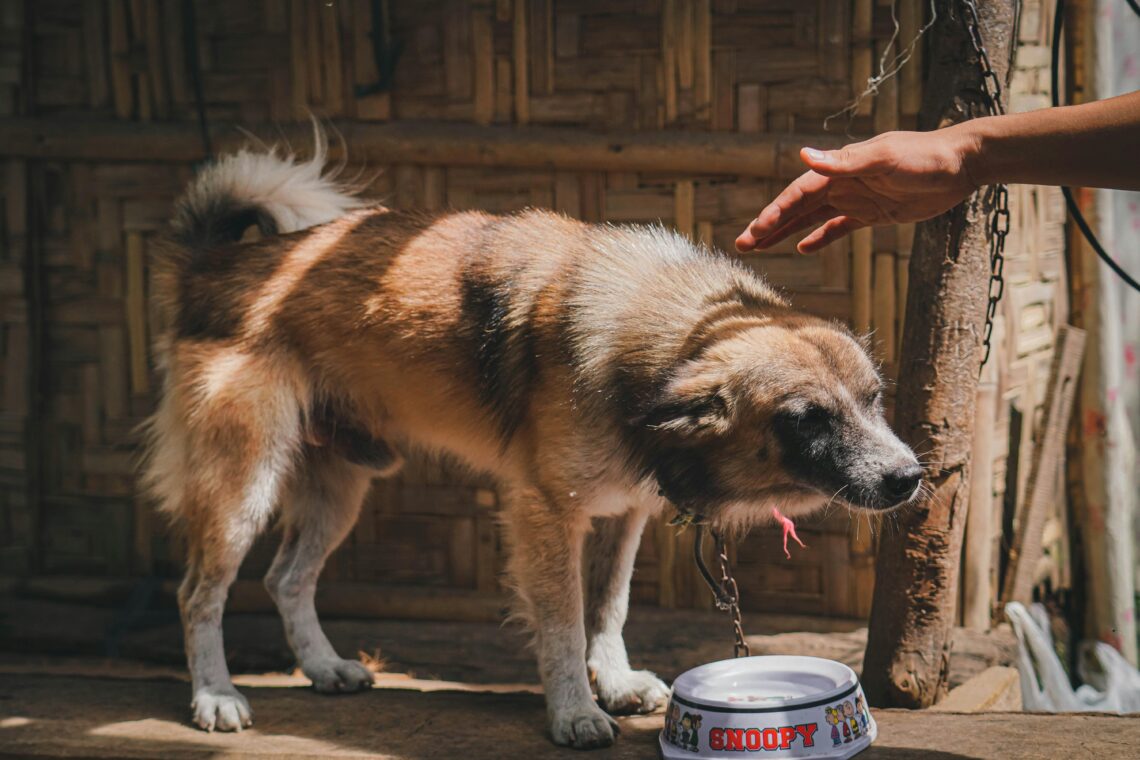
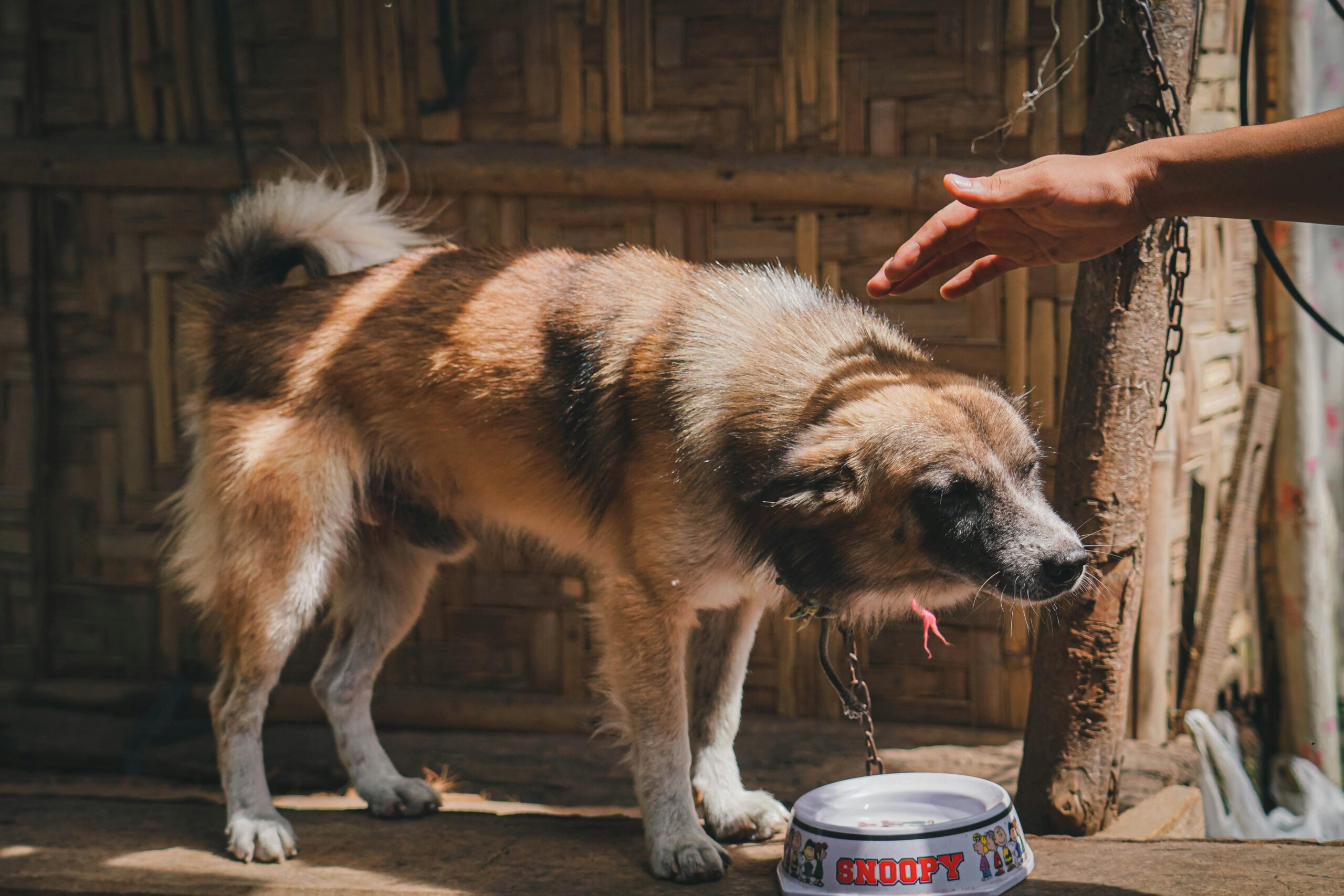
You probably already know that dogs need water to survive—groundbreaking stuff, right? But here’s what most pet parents miss: dehydration doesn’t always announce itself with obvious panting or an empty water bowl. Some of the sneakiest signs can escalate from “huh, that’s weird” to a veterinary emergency faster than your pup can demolish a new toy.
The Sticky Gum Test Everyone Should Know
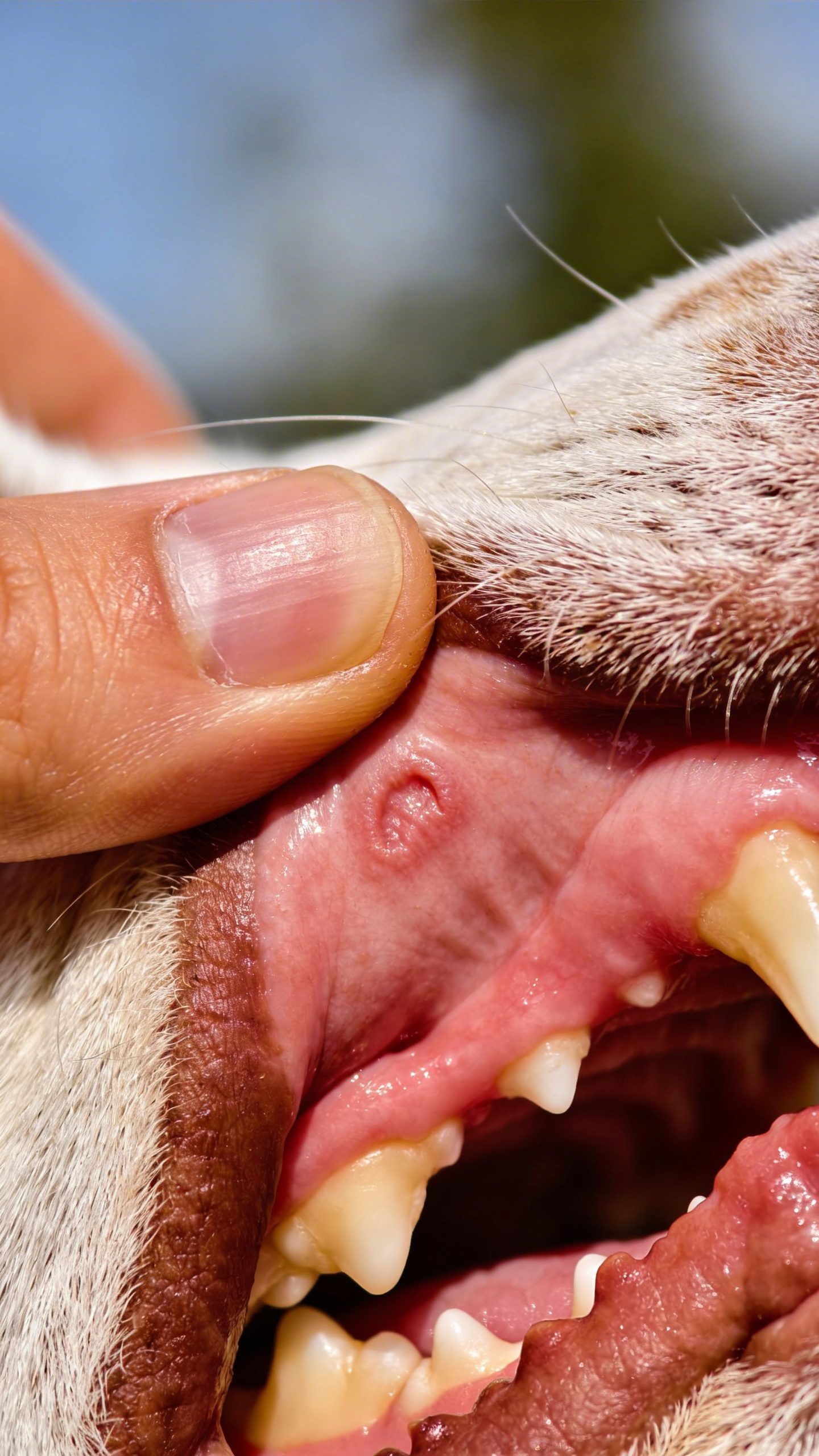
Let me introduce you to the easiest hydration check you’ll ever learn. Press your finger gently against your dog’s gums, then release. See that white spot where you pressed? It should return to its normal pink color in less than two seconds. If it takes longer than that, your dog’s circulation is struggling—a telltale sign of dehydration. This happens because dehydrated bodies pull fluid from less critical areas (like gums) to keep vital organs running. Think of it as your dog’s body playing a desperate game of resource management. Here’s the thing though: most people never think to check their dog’s gums until something seems obviously wrong. By then, dehydration might already be moderate to severe. Make this a weekly habit, especially during summer months or if your dog’s been more active than usual.
When Your Dog’s Skin Loses Its Bounce
The skin tent test sounds fancier than it actually is. Gently pinch the skin between your dog’s shoulder blades and lift it up, then let go. In a well-hydrated dog, that skin snaps back into place immediately—like a rubber band. But when dehydration sets in? That skin takes its sweet time returning to normal, sometimes staying tented for several seconds. This happens because dehydration reduces skin elasticity, making it less responsive and more sluggish.
Why This Test Isn’t Perfect for Every Dog
FYI, this test can be misleading in older dogs or certain breeds. Senior pups naturally lose some skin elasticity with age, and really thin or overweight dogs might give you false readings. If your Shar-Pei or English Bulldog fails this test, don’t panic immediately—those wrinkles complicate things. Use it as one piece of the puzzle, not the whole picture.
The Mystery of the Dry, Tacky Nose
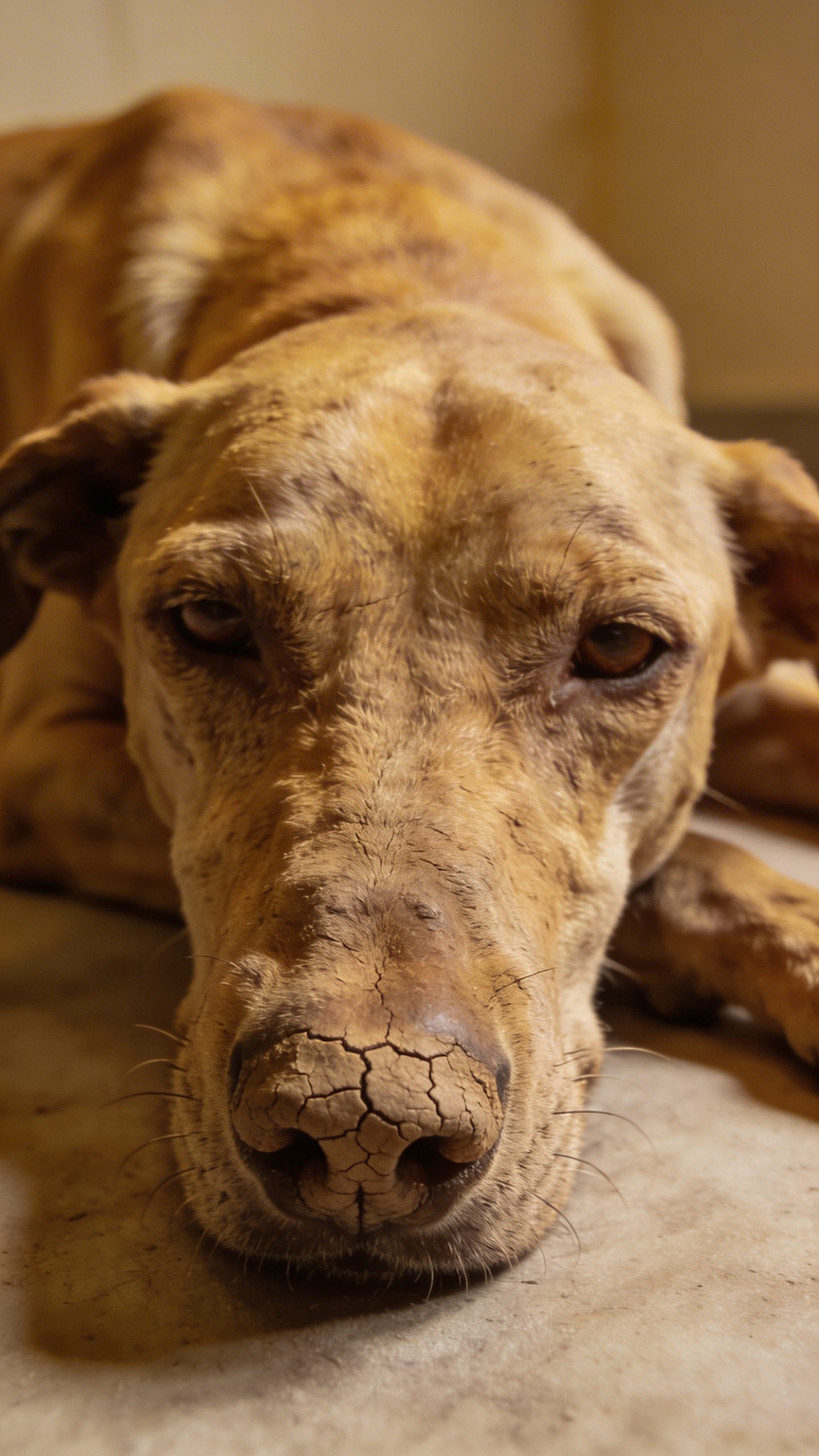
Okay, let’s bust a myth real quick: a warm nose doesn’t automatically mean your dog is sick or dehydrated. Dogs’ noses fluctuate in temperature throughout the day based on activity, sleep, and environment. What you should actually worry about is a nose that feels dry and almost sticky to the touch, especially when combined with other symptoms. A healthy dog’s nose should be cool and slightly moist—not dripping wet, but definitely not cracking like the Sahara desert either. Check your dog’s nose first thing in the morning before they’ve had a chance to lick it repeatedly. That’s when you’ll get the most accurate reading. If it consistently feels dry and tacky over multiple days, your dog might be chronically under-hydrated without you realizing it.
Sunken Eyes That Scream for Help
This one’s subtle until it isn’t. In dehydrated dogs, the eyes can appear sunken or dull, lacking that bright, alert sparkle you’re used to seeing. The area around the eyes might look hollow or recessed. Why does this happen? Severe dehydration causes the body to pull fluid from everywhere it can, including the tissues around the eyes. It’s genuinely unsettling to see once you notice it, and it means your dog has moved beyond mild dehydration into more dangerous territory. Compare your dog’s eyes to photos from when they were definitely well-hydrated. Do they look different? Less vibrant? More tired than usual even after a good nap? Trust your gut here—you know your dog’s normal expression better than anyone.
The Thousand-Yard Stare
Dehydrated dogs often develop a distant, unfocused look that’s hard to describe but impossible to miss once you’ve seen it. They might stare past you rather than at you, or seem less responsive to their favorite toys or treats. This lethargy signals that their brain isn’t getting optimal blood flow due to fluid depletion.
Lethargy That Comes Out of Nowhere
Your usually energetic dog suddenly acts like they’ve aged ten years overnight. They’re not interested in walks, they’re sleeping more than usual, and they barely lift their head when you come home. Sound familiar? Dehydration absolutely tanks energy levels because it impacts literally every bodily function. Blood thickens when you’re dehydrated, making the heart work harder to pump it around. This exhausts your dog faster than normal activity would. Here’s what makes this tricky: lethargy overlaps with about a million other health issues. The key is looking for patterns. Did your dog seem fine yesterday? Has anything changed in their routine, diet, or water consumption? Sudden lethargy plus any other signs on this list should send you straight to the vet. Don’t write it off as “just getting older” or “probably tired from playing.” Dogs can deteriorate shockingly fast when dehydration combines with heat stress or underlying illness.
What Actually Causes Sneaky Dehydration?
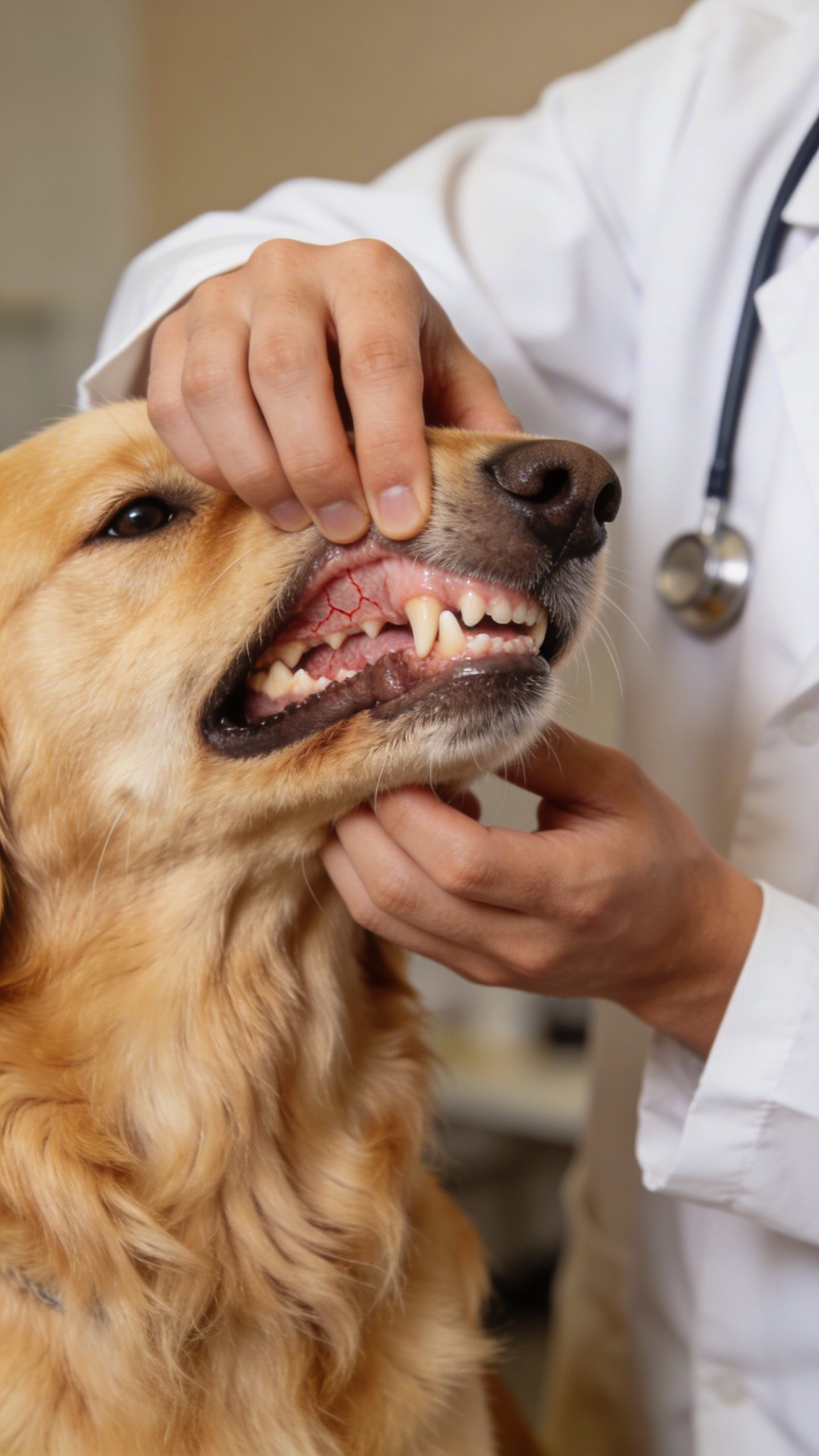
You might be thinking, “But my dog has constant access to water!” That’s great, but dehydration doesn’t only happen from lack of water availability. Here are the usual suspects:
- Illness or diarrhea – Gastrointestinal issues flush fluids out faster than drinking replaces them
- Hot weather – Dogs can’t sweat like humans, so they lose moisture primarily through panting
- Excessive exercise – That hour-long fetch session? Your dog needs way more water than you think
- Kidney disease – Older dogs especially may not concentrate urine properly, leading to chronic mild dehydration
- Medications – Diuretics and certain other drugs increase fluid loss
- Picky drinking habits – Some dogs simply don’t drink enough, especially if they’re anxious or the water bowl is dirty
IMO, the scariest part is how these factors can combine. A hot day plus a stomach bug plus an older dog who’s already a reluctant drinker? That’s a recipe for a veterinary emergency by evening.
When to Actually Panic (and When to Just Monitor)
Let’s be real: not every slightly sticky gum requires a rush to the emergency vet. But you need to know the difference between “keep an eye on this” and “get in the car right now.” Head to the vet immediately if:
- Your dog refuses water completely
- They’re vomiting or have severe diarrhea
- You see multiple dehydration signs at once
- Their gums are pale, white, or grayish instead of pink
- They’re disoriented, collapsing, or having seizures
- The skin tent test shows skin staying raised for more than three seconds
For milder concerns—like slightly tacky gums on a hot day when your dog just finished playing—offer fresh water, move them to a cool spot, and monitor closely over the next few hours. Improvement means you caught it early. No improvement or worsening symptoms means it’s vet time.
Prevention Beats Panic Every Single Time
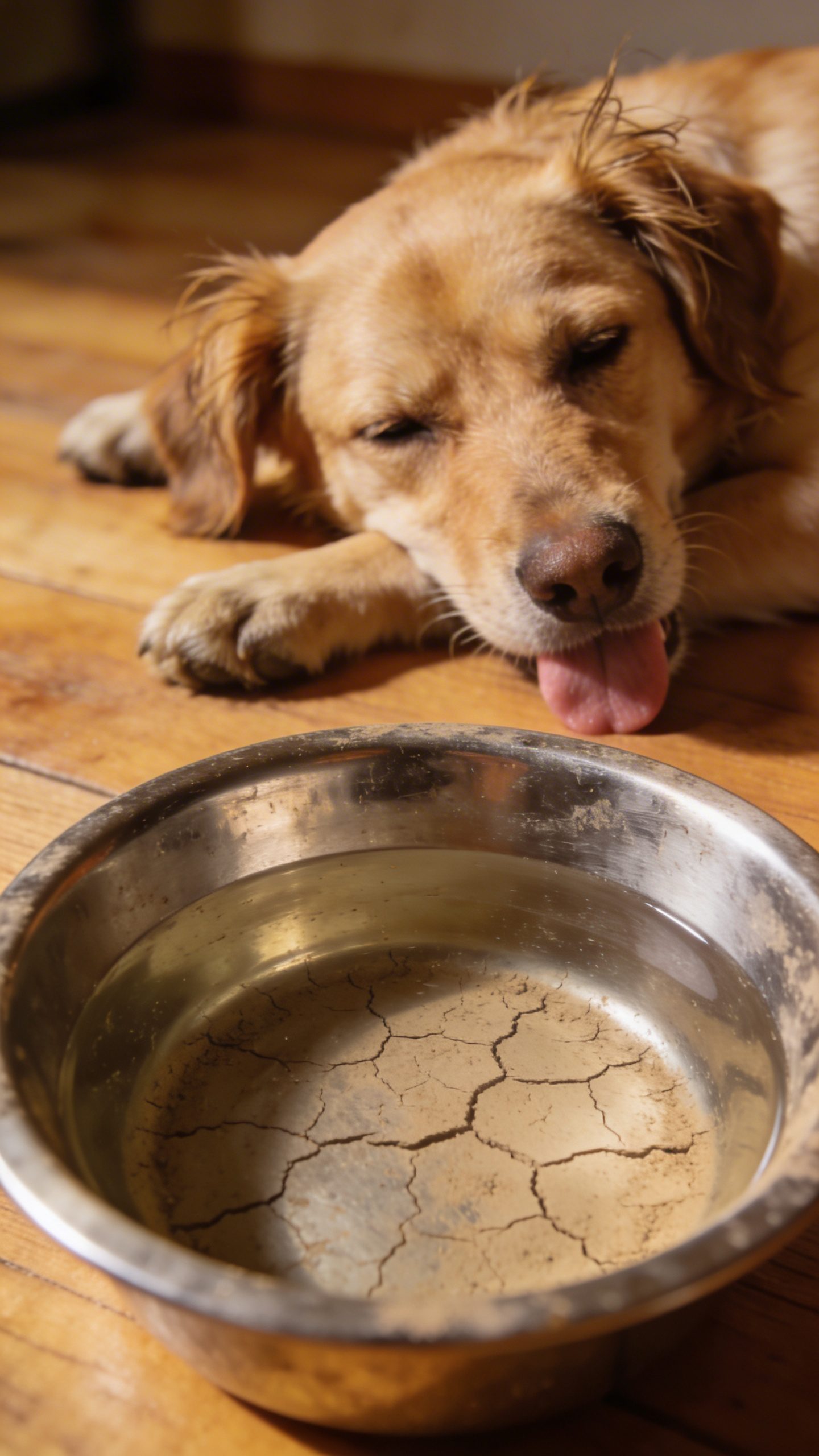
You can avoid most dehydration scares with some straightforward habits. Keep multiple water bowls around your house and yard, especially if you’ve got a larger home. Change the water at least once daily because yes, dogs care about freshness more than you’d think. During summer or after exercise, add ice cubes to their water or offer those fancy pet ice pops you can make from low-sodium broth. Some dogs drink more when water is entertaining or flavored. Watch for decreased water consumption as your dog ages. Senior dogs might develop arthritis that makes bending to drink painful, or cognitive decline that makes them forget to drink. Elevated water bowls can be literal lifesavers for arthritic older dogs. And here’s a pro tip: learn what “normal” looks like for your specific dog. Check their gums weekly when they’re definitely well-hydrated. Feel their nose. Look at their eyes. Take mental snapshots (or actual photos) so you have a baseline for comparison when you’re worried.
Frequently Asked Questions
How much water should my dog drink daily?
The general rule is about one ounce of water per pound of body weight per day. So a 50-pound dog should drink roughly 50 ounces (about 6 cups) daily. This increases with activity, heat, and certain health conditions. If your dog consistently drinks way more or way less than this, mention it to your vet.
Can dogs drink too much water?
Absolutely, though it’s less common than dehydration. Water intoxication happens when dogs consume excessive amounts too quickly, diluting blood sodium levels dangerously. This typically happens during intense swimming sessions or obsessive ball-fetching in water. Watch for bloating, lethargy, vomiting, and loss of coordination—these are emergencies requiring immediate veterinary care.
Do wet food diets reduce dehydration risk?
Yes, significantly. Wet food contains about 70-80% moisture compared to dry kibble’s 10%. Dogs eating primarily wet food get substantial hydration from their meals, which is especially helpful for picky drinkers or senior dogs. However, they still need access to fresh water at all times.
Are certain breeds more prone to dehydration?
Brachycephalic breeds (pugs, bulldogs, Boston terriers) face higher risk because their smooshed faces make panting less efficient at cooling. Large, active breeds can dehydrate quickly during exercise. Arctic breeds with thick coats struggle more in heat. Basically, if your dog has breathing issues, excessive energy, or heavy fur, watch them extra carefully.
Will my dog naturally drink when they’re thirsty?
Usually, but not always. Puppies, senior dogs, and sick dogs sometimes don’t regulate their thirst properly. Some dogs get so focused on playing or guarding that they ignore thirst cues. After anesthesia, many dogs won’t drink enough without encouragement. Never assume your dog will automatically take care of their hydration needs—supervise and encourage drinking, especially in risky situations.
Can I give my dog Pedialyte or sports drinks?
Unflavored Pedialyte (not the sugar-filled sports drinks) can help in mild dehydration situations, but always consult your vet first about the appropriate amount. Never use it as a replacement for veterinary care in moderate to severe cases. Your vet might recommend specific electrolyte solutions designed for pets rather than human products.
Wrapping This Up
Dehydration sneaks up on dogs way more often than most pet parents realize. Those subtle signs—the slightly sticky gums, the skin that doesn’t quite bounce back, the eyes that seem a little less bright—can escalate into life-threatening emergencies if you miss them or write them off as nothing. The good news? You’re now equipped to spot these hidden warnings before they become crises. Make those quick checks part of your routine, especially during vulnerable times like hot weather, illness, or increased activity. Your dog can’t tell you they’re thirsty or feeling off, but their body absolutely will if you know what to look for. Trust your instincts. If something seems off with your pup, it probably is. A “unnecessary” vet visit is infinitely better than wondering if you should have acted sooner.





2 Comments on “5 Hidden Signs of Dehydration in Dogs That Can Turn Dangerous Overnight”
Comments are closed.