The good news is your dog doesn’t have to suffer in silence. The even better news: there are natural supplements that can help with joints without turning your pup into a science project. If you’ve watched your dog wobble a little on the stairs or lag behind on walks, you’re not alone. Let’s dive into seven friendly options that might just become your dog’s new best friends.
1) Glucosamine and Chondroitin: The Classic Duo That Actually Works
Glucosamine and chondroitin are like the dynamic duo of joint support. They help keep cartilage from wearing down and can ease stiffness after a few weeks of consistent use. FYI, results vary, but many dogs show noticeable improvements.
– How they work: Glucosamine provides the building blocks for cartilage; chondroitin helps cushion and retain moisture in the joints.
– Typical dosing: Most products include easy-to-follow guidelines based on weight. Start low and slowly increase if needed.
– When to expect: Think 4–8 weeks for a readable difference, sometimes sooner.
Practical tips for choosing a product
– Look for reputable brands with third-party testing.
– Check for a pure glucosamine sulfate and chondroitin sulfate combo rather than blends with fillers.
– Avoid labels that scream “super-cheap”—you usually get what you pay for.
2) Omega-3 Fatty Acids (EPA/DHA): The Anti-Inflammatory Powerhouse
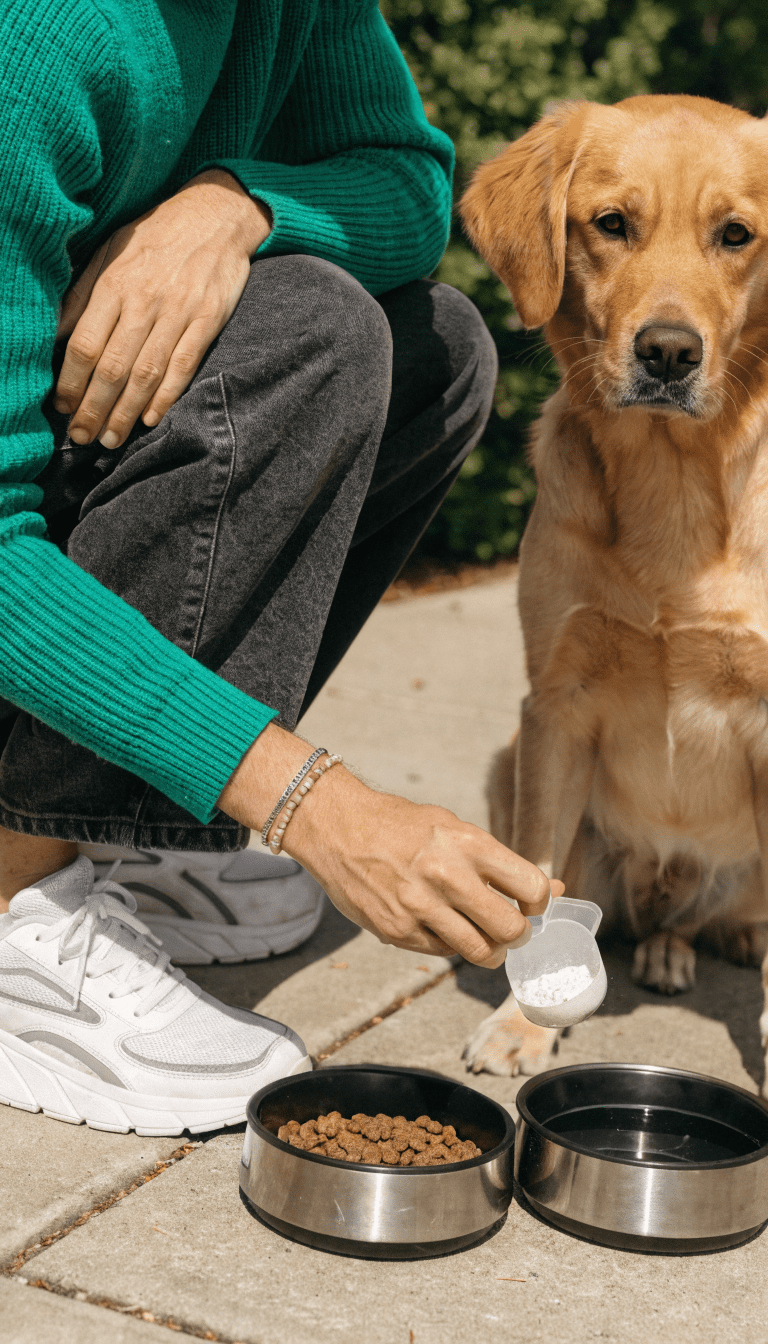
Omega-3s aren’t just for humans. They’re great for dogs too, especially if joints are inflamed or if your buddy has itchy skin on top of everything. They help quiet down inflammatory messes and support overall joint health.
– Why they help: Reduce inflammatory mediators and support healthy cell membranes in joints.
– Sources: Fish oil is the most common, but algae-based options exist for plant-friendly diets.
– Dosing note: Start with a veterinarian-approved amount and monitor for digestion changes.
When to choose fish oil vs. algae oil
– If your dog isn’t a fan of fishy aftertaste, algae oil is a solid alternative.
– For big dogs or those with higher inflammation, lean on higher EPA/DHA formulas (under vet guidance).
3) MSM (Methylsulfonylmethane): The Joint Comfort Booster
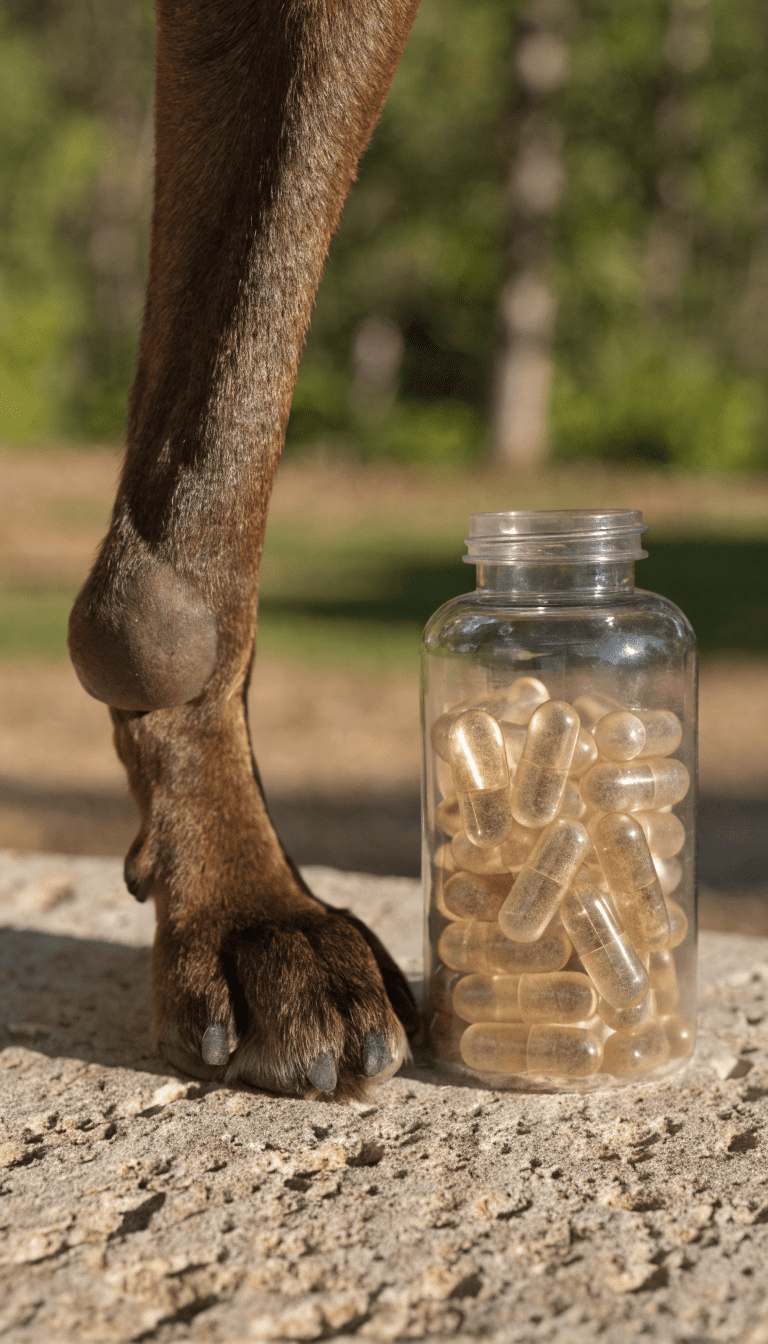
MSM is known for supporting connective tissue and reducing pain. It’s often paired with glucosamine and chondroitin for a synergistic effect.
– How it helps: Supports collagen formation and may reduce joint edema.
– Quick reality check: Some dogs might get mild digestive upset at first—start low, go slow.
– Typical timeline: You might notice changes in a few weeks, especially when used with other joint supporters.
Forms and what to look for
– Check for pure MSM in powder or capsule form, with clear labeling.
– Avoid products with hidden fillers or artificial additives.
– If your pup eats a lot of human supplements, keep MSM separate to avoid accidental overdosing.
4) Green-Lipped Mussel (GLM): A Marine Marvel

GLM comes from New Zealand’s coastline and has become a popular natural option for joint support. It’s packed with fatty acids, minerals, and anti-inflammatory compounds.
– Why it’s appealing: A natural multi-benefit option that many dogs tolerate well.
– How to use: Often available as capsules or powder; mix into meals for easy dosing.
– What to expect: Some dogs feel better within a month, others take a bit longer.
Who might love GLM the most
– Dogs with mild to moderate arthritis or those needing a less “strong” supplement stack.
– Pups that prefer a more “food-like” supplement since GLM often comes from a marine source.
5) Turmeric (Curcumin): The Curcumin Kick, Without the Spice Burn
Curcumin is the star component of turmeric with potent anti-inflammatory properties. It’s a favorite for dogs who need a gentle, natural nudge toward less joint discomfort.
– How it works: Inhibits inflammatory pathways and can support overall joint function.
– Diquis factors: Curcumin is best absorbed with fats and a pinch of black pepper (piperine) in small, vet-approved amounts.
– Cautions: High doses can cause stomach upset; start low and watch for signs like loose stools.
Getting the most out of curcumin
– Use a veterinarian-formulated canine curcumin to ensure appropriate dosing.
– Look for liposomal or enhanced absorption formulas for better bioavailability.
– Don’t combine with NSAIDs unless directed by your vet, as interactions can occur.
6) Boswellia: The Sometimes-Sneaky Anti-Inflammatory
Boswellia serrata, often called frankincense, has been used for centuries to support joints. It targets inflammatory pathways and can help reduce pain.
– Who benefits: Dogs with chronic mild to moderate joint discomfort or those who can’t tolerate NSAIDs well.
– Dosing and safety: Follow product guidelines; long-term use should be monitored by a vet.
– Side perks: Some owners notice improved mobility relatively quickly, while others see gradual changes.
Combining boswellia with other supplements
– It pairs well with glucosamine, chondroitin, or MSM for a well-rounded approach.
– Just keep an eye on total dosing to avoid over-supplementing.
7) Collagen Supplements: The Structural Support Backer
Collagen isn’t just for humans staying nimble; it can help with joint space and tendon strength in dogs too. Look for types that support joint cartilage and connective tissue.
– Why add collagen: Provides amino acids for cartilage and can improve skin, coat, and gut health in one go.
– Best bets: Marine and bovine collagen are common; pick a product directed at dogs.
– What to expect: Gradual improvements in mobility and comfort over several weeks to a couple of months.
How to pick a dog-friendly collagen
– Check for hydrolyzed collagen peptides for better absorption.
– Ensure there are no artificial sweeteners like xylitol (toxic to dogs).
– Pick flavors or textures your dog actually enjoys.
Putting it all together: a simple starter plan
If you’re overwhelmed by the options, here’s a light, friendly starter plan to test the waters without overdoing it.
– Start with a base: Glucosamine + Chondroitin + Omega-3s. This trio hits cartilage and inflammation from multiple angles.
– Add a secondary helper: MSM or Green-Lipped Mussel if you want a broader joint-supporting toolkit.
– Consider occasional boosts: Curcumin or Boswellia as a monthly or as-needed add-on, not every day forever.
– Track changes: Jot down mobility, stair-climbing ease, and overall enthusiasm for walks. A small notebook can be your best friend here.
FAQ section
Is there a risk of toxicity or interactions with these supplements?
Most dogs tolerate well when given as directed. However, interactions with prescription meds or existing health conditions can occur. Always consult your veterinarian before adding any new supplement, especially if your dog takes NSAIDs or has kidney, liver, or heart concerns.
How long should I wait to see results?
Most dogs show some improvement within 4–8 weeks with consistent dosing. If you don’t see a difference after about 8 weeks, chat with your vet. It might be time to tweak the plan or check for other issues.
Can I give humans’ supplements to my dog?
Some are canine-safe, but many aren’t formulated for dogs and may contain additives that aren’t suitable. Always choose dog-specific products or ask your vet before sharing human supplements with your pup.
Should I use these supplements with or instead of NSAIDs?
NSAIDs can be effective for pain control, but they come with risks. Natural supplements can complement NSAIDs or serve as alternatives for dogs that can’t tolerate meds. Do not mix these without veterinary guidance, especially if you’re already using prescription meds.
How do I choose a trustworthy product?
– Look for brands with transparent ingredient lists and third-party testing.
– Favor products designed specifically for dogs and confirm dosage based on weight.
– Avoid additives, artificial colors, and fillers. If a label seems too good to be true, it probably is.
Conclusion: Small Changes, Big Mobility Gains
Joint health isn’t glamorous, but it’s a big deal for your dog’s daily joy. Natural supplements can help keep your pup moving with confidence, wagging tails included. IMO, the best approach combines a few options tailored to your dog’s needs, regular check-ins with your vet, and a little patience. If you’re curious about trying any of these, start a conversation with your veterinarian, and remember: you’re not alone in this—your dog’s happy stride is worth it.