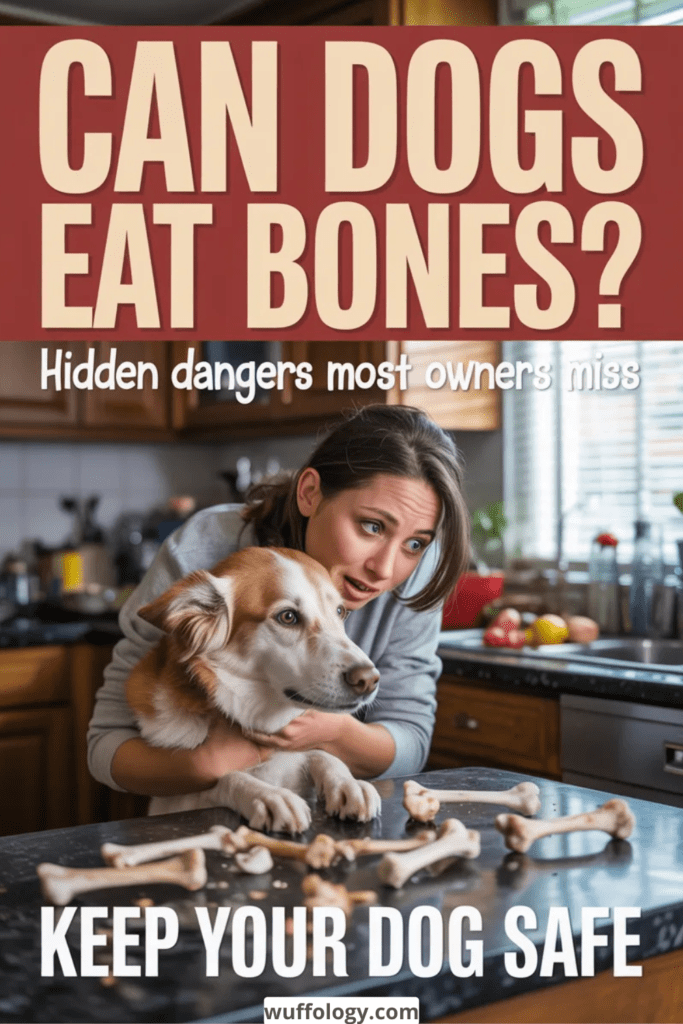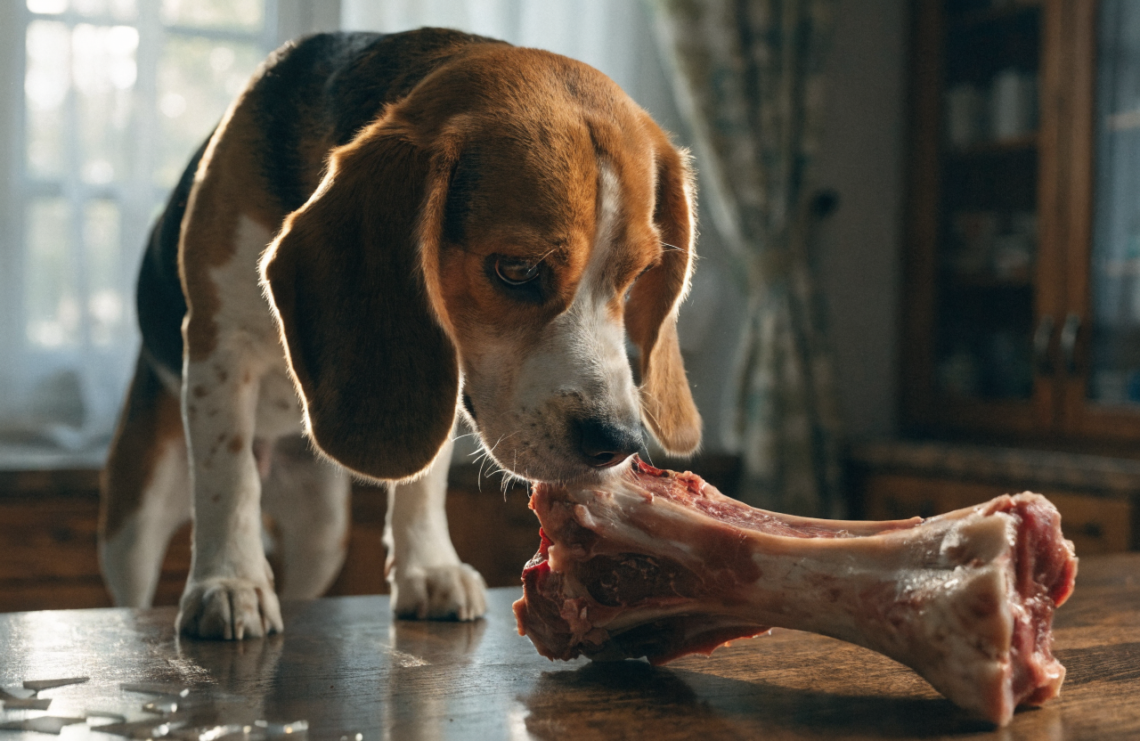
The moment your pup sniffs at a bone and you eyeball the splinters with a sinking feeling, you know you’ve wandered into dangerous territory. Can dogs eat bones? Not the way you’d think. The dangerous truth most owners learn too late is that bones aren’t a simple treat—too often they end in emergency visits, splinters, and a sharp wake-up call about canine safety.
So yes, you should care. No, bones aren’t inherently “evil.” But in the real world, with real dogs, they’re a risk that can be managed—if you know what you’re doing. Let’s break it down like you’re chatting with a friend at the kitchen table while your pup begs for snacks.
Why bones lure dogs in the first place
Dogs evolved alongside humans to scavenge, chew, and investigate the world with their mouths. A bone promises mental stimulation, dental work, and a tasty reward all in one. It’s basically canine TV: crunchy, interactive, and endlessly fascinating.
But there’s a flip side you can’t ignore. A bone isn’t a one-size-fits-all cookie. Size, type, cooking method, and your dog’s age and health all tilt the risk-reward scale. If you’re staring at a shed of questions, you’re not alone. IMO, the best approach starts with understanding the risks before you dive into “just one bone won’t hurt.”
What can happen when a dog bites into a bone
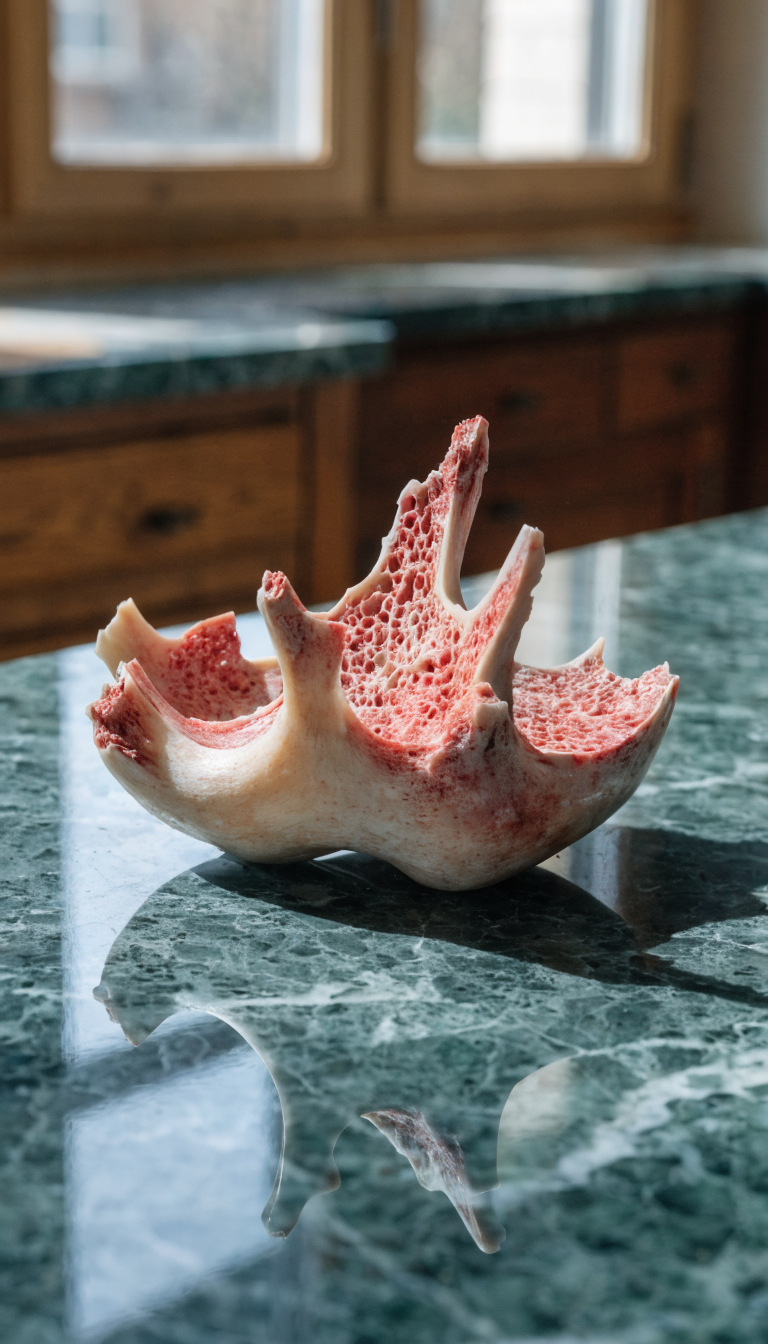
There are a few scary possibilities that pop up when dogs chew bones:
- Choking hazards: Bones can block airways or get lodged in the throat. Not exactly a one-way trip to a miracle rescue story.
- Intestinal punctures: Sharp splinters can puncture the stomach or intestines, which means scary surgery territory.
- Obstructions: Pieces can cause a gut blockage, leading to vomiting, loss of appetite, or a scary trip to the ER.
- Constipation or tears: Splinters can irritate or tear the digestive tract along the way.
- Bacterial contamination: Raw bones carry risks like Salmonella or E. coli, especially if you’re not handling them cleanly.
If you’re thinking, “But my dog has never had a problem,” that’s the classic “it won’t happen to me” trap. The sad truth: many emergencies start with a single, seemingly harmless bone. FYI, timing matters—a small piece can slip down, while a larger chunk can cause trouble later on.
Cooking vs. raw: does it change the danger level?
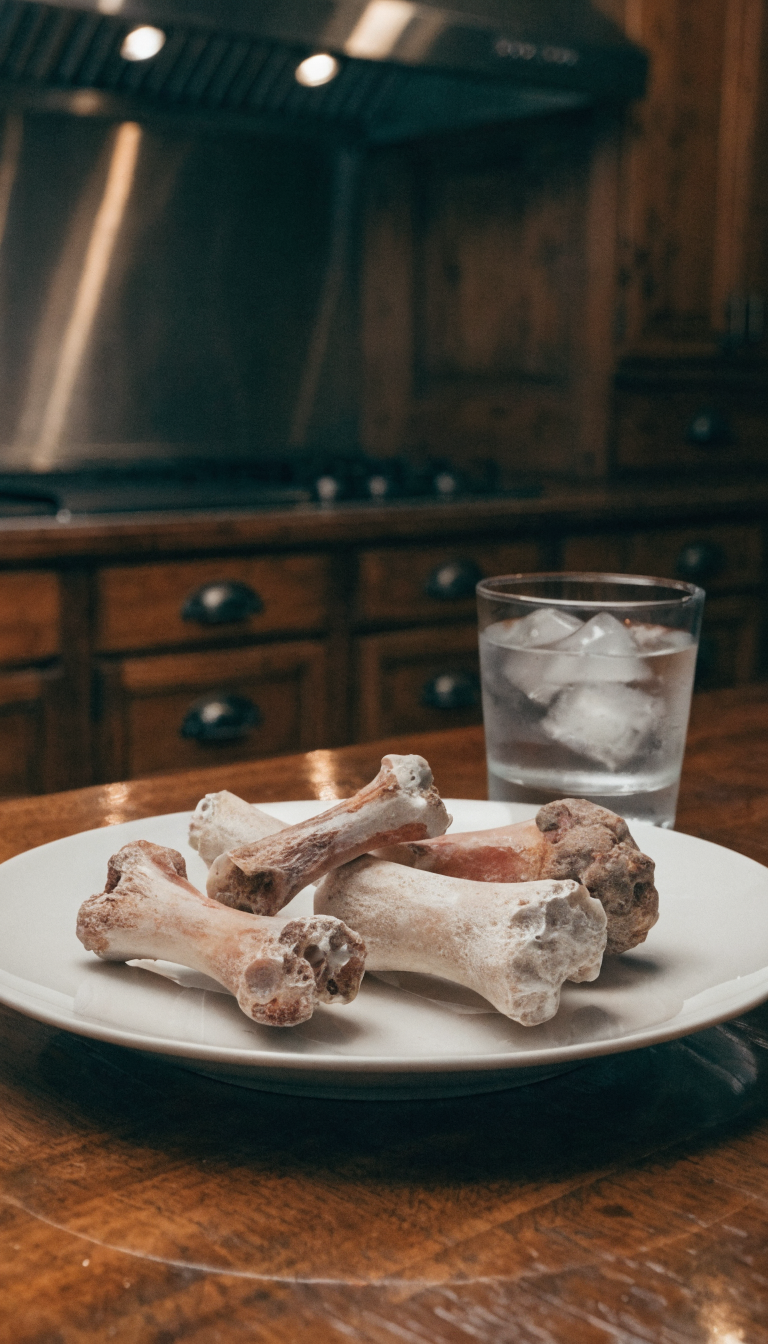
This is where opinions diverge faster than a weatherman in a monsoon. Cooking bones makes them more brittle and prone to splintering, which dramatically increases the risk. Raw bones stay more flexible and less likely to splinter in predictable ways, but they aren’t a risk-free option.
- Cooked bones crack, splinter, and jagged edges can tear through soft tissue and organs. Definitely not something you want for a chew toy.
- Raw bones carry bacterial concerns, and some dogs can chew on them safely for a while, but contamination and choking still loom.
- Chew alternatives offer dental benefits without the same level of risk. Think bully sticks, dental chews, or frozen carrot sticks as feel-good substitutes.
If you’re unsure, play it safe. IMO, cooked bones are a hard no for most dogs, and raw bones require careful supervision and medical guidance, especially if your pup has teeth issues or a history of GI problems.
Safety-first ways to satisfy the chew urge
Chewing isn’t a problem per se; it’s the “bone vs dog” equation that gets messy. Here are safer options that can still keep your dog busy and happy.
- Choose safer chew toys designed for strong chewers. Look for durable rubber or nylon toys that can stand up to a good gnaw.
- Dental chews that meet safety standards and are designed to break down in predictable ways.
- Frozen treats—freeze a filled Kong or a marrow-like substitute to mimic the cool, satisfying bite without splinters.
- Supervised supervision supervision. If you ever hand a chew to your dog, stay in the same room, ready to intervene at the first sign of trouble.
If you want a quick rule of thumb: if it can splinter, it belongs in the “no” file. It’s not about being a party pooper; it’s about avoiding a vet bill you’ll remember every time you see a dog bone ad.
How to tell if your dog has a problem after chewing
Sometimes danger hides in plain sight. Here are the red flags to watch for after a chew session, or even during:
- Drooling, vomiting, or gagging that won’t quit
- Inability to swallow, coughing, or choking during or after chewing
- Abdominal pain—restlessness, a hunched back, whining, or a firm stomach
- Loss of appetite or sudden lethargy
- Changes in stool— either diarrhea or unpassed stool with a lot of straining
If you notice any of these, don’t wait. Call your vet or an emergency clinic. Time is tissue—and in this case, tissue is what your pup is trying to avoid.
What to do if your dog already chewed a bone
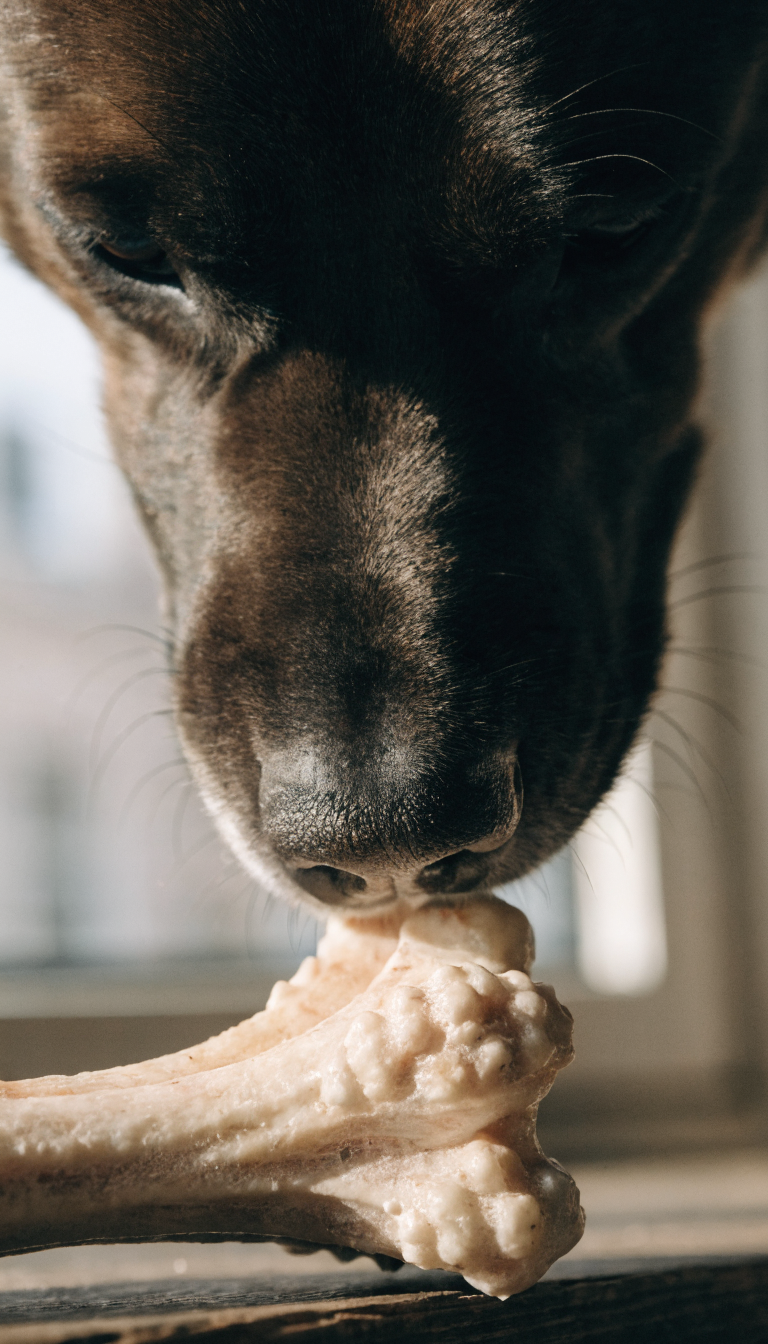
First: don’t panic. Panicking won’t undo the splinter or the risk. Second: assess the situation calmly and act.
Step-by-step quick guide
- Remove the bone and any other chews from reach.
- Observe for signs listed above for the next 24-48 hours.
- Call your vet and describe what happened, including the bone type, size, and how long it was chewed.
- Do not induce vomiting unless instructed by a vet. Some bones or materials can cause more harm if you pull them back up.
If a vet visit is recommended, bring your dog’s history (age, breed, health conditions) and a note about the bone type. Being able to describe the exact bone helps the vet anticipate possible complications.
Myth-busting: common bone myths debunked
There are a few stubborn myths that make bone safety feel confusing. Let’s set the record straight so you don’t get pulled into wishful thinking.
Myth: “Raw bones are safe because dogs evolved to eat them.”
Reality: Evolution doesn’t guarantee safety in modern homes. Raw bones still carry bacterial risks, and not all dogs are equipped to handle them. Vet guidance is smart, not doom-and-gloom.
Myth: “If the bone is big, my dog will be fine.”
Reality: Size isn’t protection from danger. A big bone can still splinter or cause a blockage. It’s not a “save the day” magic trick.
Myth: “All dogs can chew bones if they’re supervised.”
Reality: Supervision helps, but it doesn’t erase risk. Splinters can happen in a blink, and not every chew yields immediate signs of trouble.
When to involve the professionals
If there’s any hint of trouble after a bone session, swing into action. Your vet is the expert who can assess risk, order imaging if needed, and guide you on prevention for the future.
- Persistent vomiting or signs of distress after a chew require prompt veterinary attention.
- Dogs with dental work, digestive problems, or prior GI surgeries may be especially vulnerable.
- In case of emergency, don’t hesitate to go to an ER. Time can be the difference between a quick fix and a big pain point.
If you’re wondering about long-term prevention, the key is to replace bones with safer alternatives and adjust your dog’s routine. FYI, a stable routine with engaging toys can reduce the urge to chew on risky items.
FAQ
Can dogs safely eat all bones?
Bones aren’t safe for every dog or every bone. Cooked bones, small bones, and bones with splintering potential pose high risks. Always talk to your vet about what’s appropriate for your dog’s size, breed, and health.
What should I do if my dog swallowed a bone?
If you suspect a bone was swallowed, call your vet immediately. Do not wait for symptoms to appear. The vet may provide instructions for monitoring at home or request imaging to check for blockages.
Are there any bones I can give my dog safely?
Safer options include durable chew toys, dental chews designed for safety, or frozen treats that mimic the satisfaction of chewing without the splinter risk. Always supervise and follow product guidelines.
Is it ever okay to give raw bones to dogs?
Some owners opt for raw bones under veterinary guidance. It’s not risk-free, though, and requires strict handling to minimize bacterial exposure. Discuss benefits and risks with your vet before trying.
What about dental health—do bones help teeth?
Chewing can promote saliva flow and dental cleaning, but bones aren’t a substitute for regular brushing and professional dental care. Choose approved dental chews and maintain a tooth-brushing routine for best results.
Conclusion
So where does that leave us? Bones aren’t a universal culprit, but they’re a high-risk item that demands respect, not curiosity. If you want to satisfy your dog’s chew instinct without turning your living room into a veterinary bill, pivot to safer options and keep a watchful eye on every session. IMO, a well-chosen toy, some tasty dental treats, and a strong “no bones” rule for cooked or small bones will save you a lot of heartache—and a few sleepless nights.
If you’re going to take away anything, take this: safety is a choice you make every time your dog begs for a bite. It’s not about being paranoid; it’s about being a good, proactive pet parent who keeps their buddy out of harm’s way. FYI, you’ve got this. Trust your gut, chat with your vet, and you’ll navigate this bone-filled world with a lot more confidence.