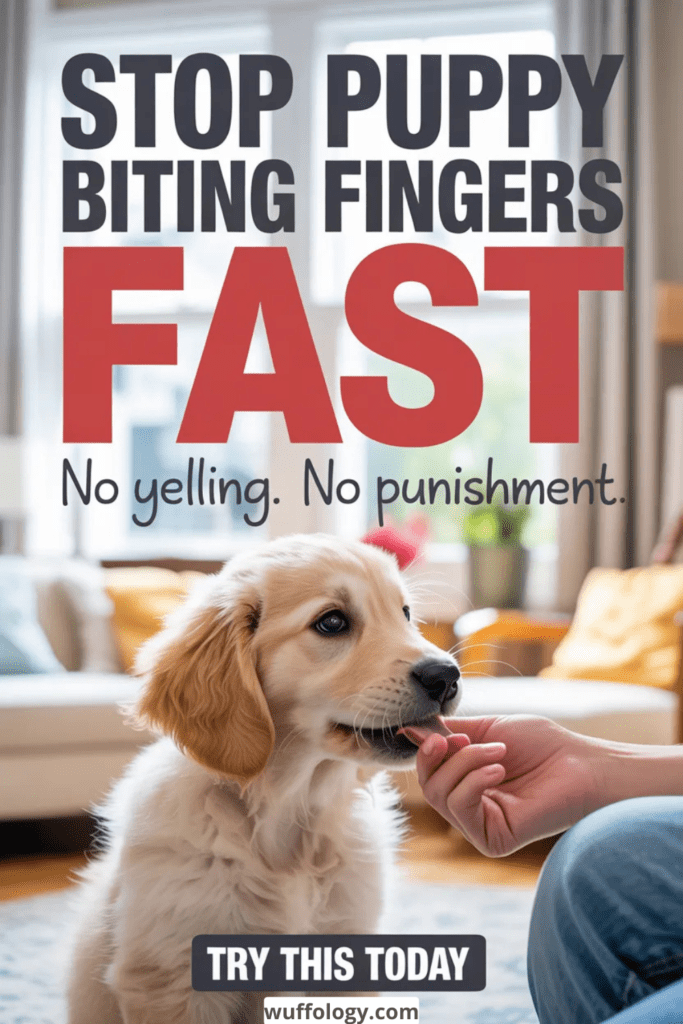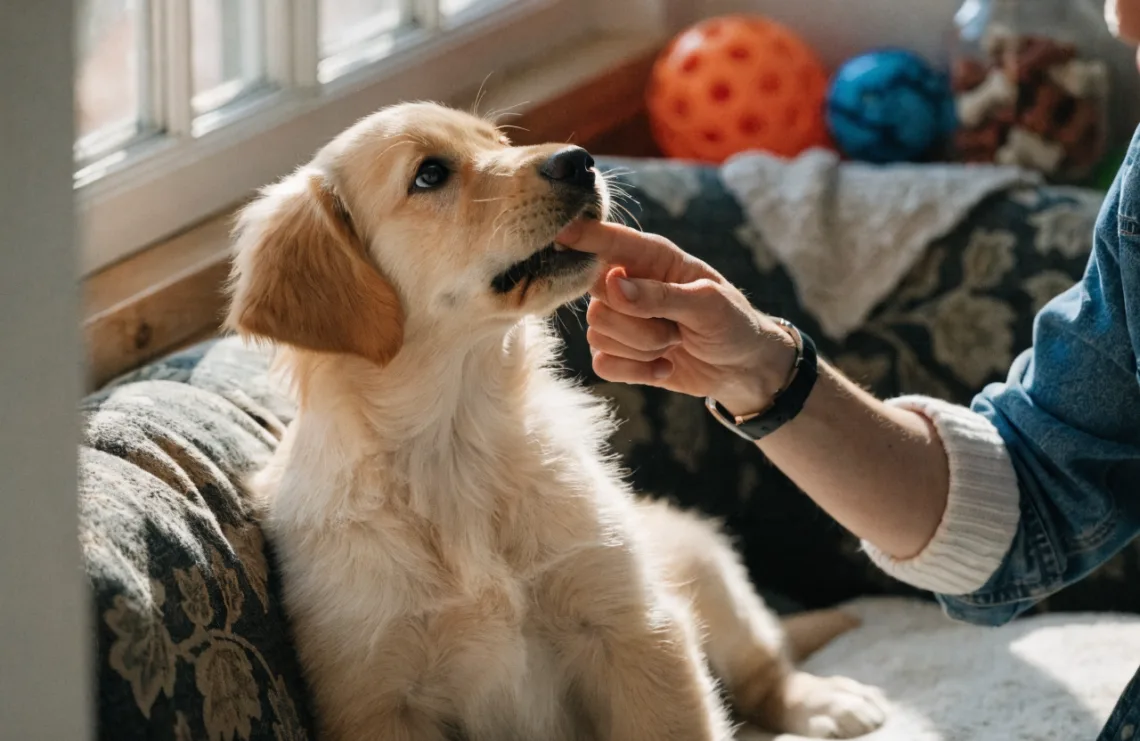
Puppy teeth are basically tiny razors, and finger flesh is just irresistible squeaky candy to a four-legged dyno. If you want your pup to chill out without turning every session into a yelling fiasco, you’ve come to the right place. Let’s crack the bite habit fast, calmly, and with a sense of humor.
Why puppies bite in the first place (and why yelling back is a terrible idea)
Puppies explore the world with their mouths. It’s how they learn, teethe, and assert themselves, all wrapped in wagging tails and goofy grins. When you yelp or scold, you might think you’re teaching bite inhibition, but most of the time you’re teaching your puppy to bite harder, at the exact moment you react. Translation: louder = more fun for a puppy with a brain the size of a peanut.
Think of bite behavior as a communication tool. They’re telling you: “I’m here, I’m excited, and I want your attention.” If you immediately retreat, redirect, or calmly offer an alternative, you teach them a better way to say the same thing. No drama, fewer sore fingers, and more happy playtime.
Set the stage: create a bite-friendly but bite-free environment
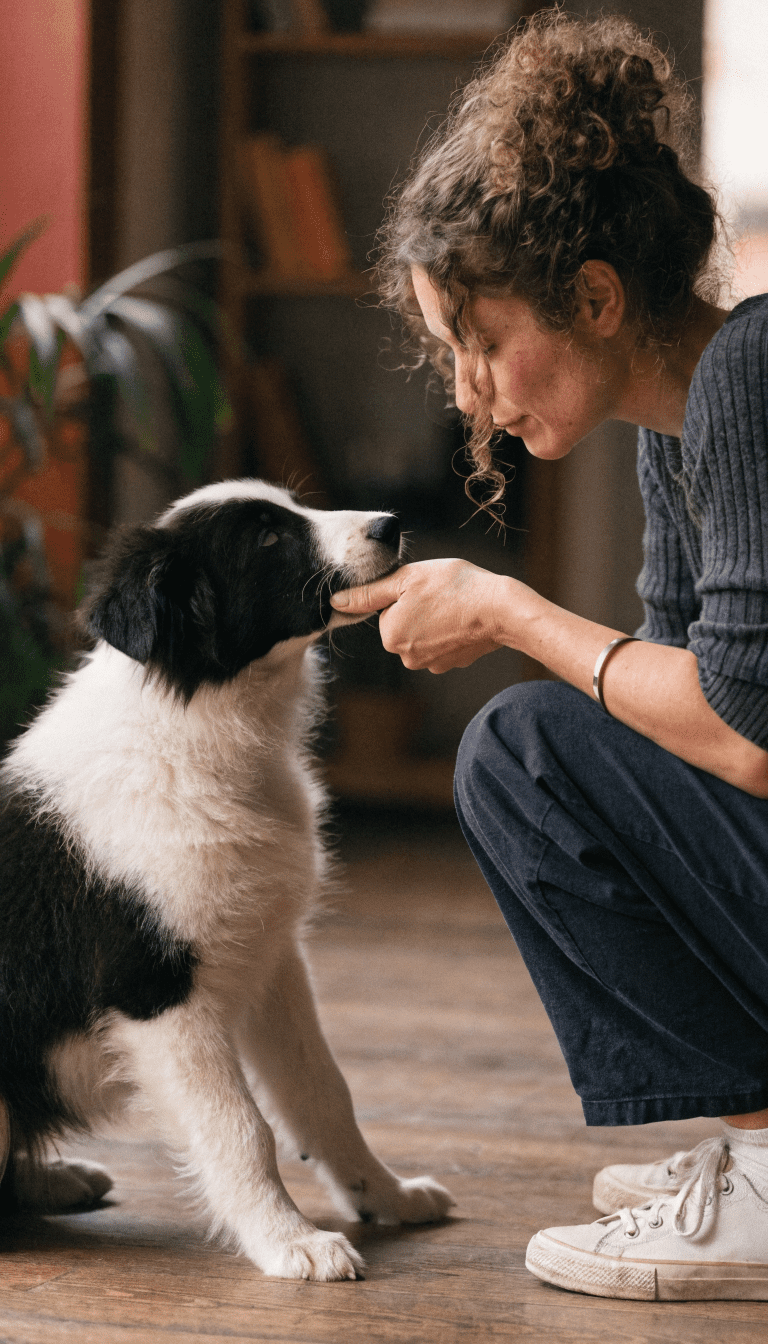
First things first: reduce the opportunities for rough biting. A tired puppy is a good puppy. A bored puppy is a nibbling nightmare.
- Provide plenty of safe chew toys: stuffed kongs, durable rubber chews, dental toys, and teething rings keep their mouth busy and away from your digits.
- Rotate toys: new toys every couple of days keep the novelty high and boredom low.
- Limited access, high payoff: give your puppy a dedicated play area with a box of toys. When you’re not actively engaging, they still have something delightful to gnaw on.
- Set a ‘hands-off’ policy during play: only allow interaction with toys, not fingers. This builds clear boundaries from the get-go.
The 3-step plan to stop finger biting fast
This is the core of the method: quick, practical, and humane.
- Redirect immediately with a toy or bone the moment your puppy looks like they’re about to bite. The goal is to swap your finger for something they want just as fast as they can blink.
- Use a consistent consequence that isn’t punishment: a brief pause in play. Stand up, turn away, or walk out of the room for 10–20 seconds. No shouting, no scolding—just a calm timeout. Then re-engage with a toy.
- Reinforce gentle play: praise and treat when they touch your hand gently or mouth the toy instead of your skin. Make the good behavior easy to repeat.
What to do in the moment: a practical toolkit
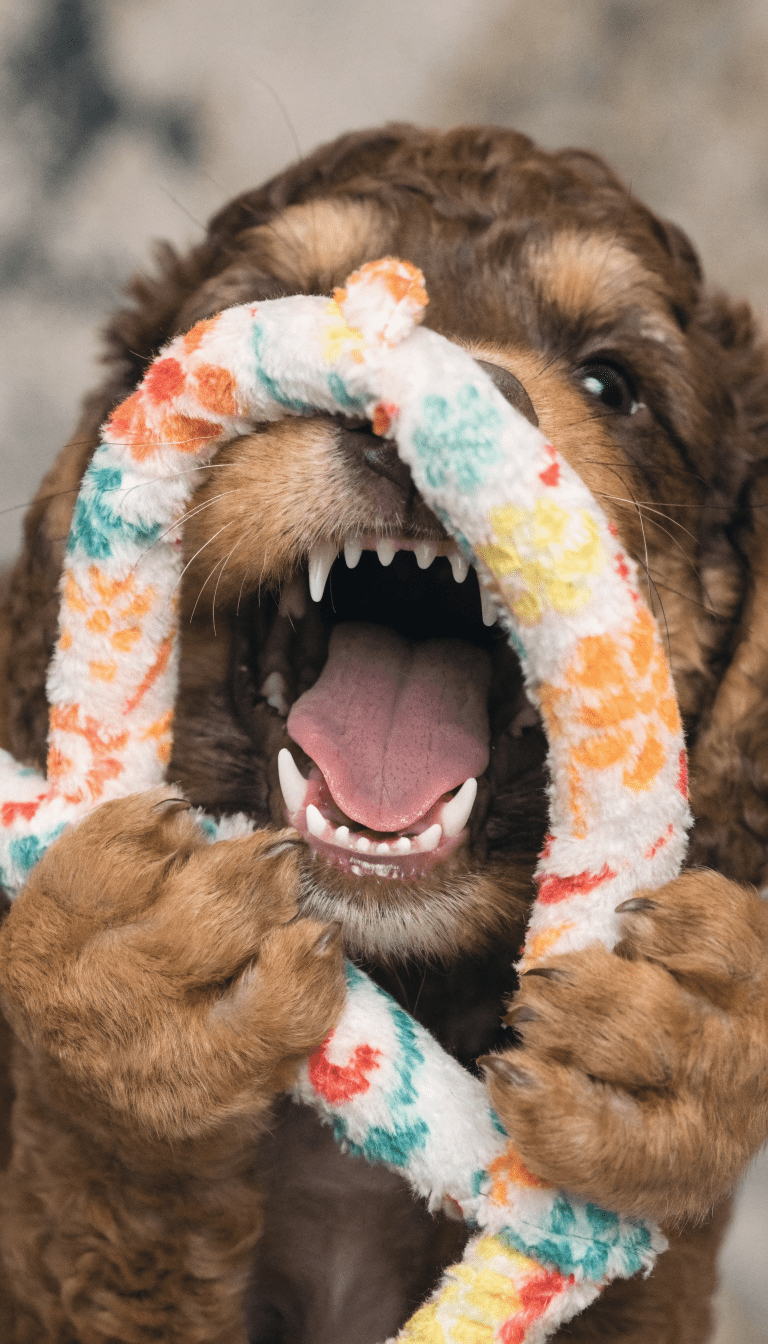
During the bite, you want clarity and calm. Here’s a quick toolkit you can pull out in real-time.
1) Swap, don’t wrestle
If your puppy grabs your finger, immediately offer a chew toy or a teething ring. Say something cheerful like, “That’s a toy, buddy!” Avoid tugging your hand away; it signals that your hand is a tug-of-war prize.
2) The pause routine
If the bite continues, stop all interaction for 10–20 seconds. Stand up, turn your back, and count to ten in your head. Then resume with a toy. This teaches the idea that teeth on people equals game over.
3) Reward the soft touch
As soon as your puppy mouths your finger gently or chooses the toy, shower them with praise and a small treat. Positive reinforcement makes the right behavior the easy choice.
Training tricks that actually last (without feeling like work)
Bite control is a habit, not a one-off trick. Here are some friendly habits that cement the behavior.
- Gentle Muzzle touch: Practice softly touching your puppy’s nose with your finger while saying “gentle.” If they bite, stop; if they respond with a closed mouth, reward.
- Two-bite rule: If they bite twice in quick succession, end the play for a moment. After the timeout, resume with a toy. Consistency is king here.
- Play dates with balance: Gentle, well-socialized puppies can model good play. If your pup becomes mouthy with every other dog, keep play sessions shorter and supervised until they learn self-control.
How to read your pup’s signals like a pro
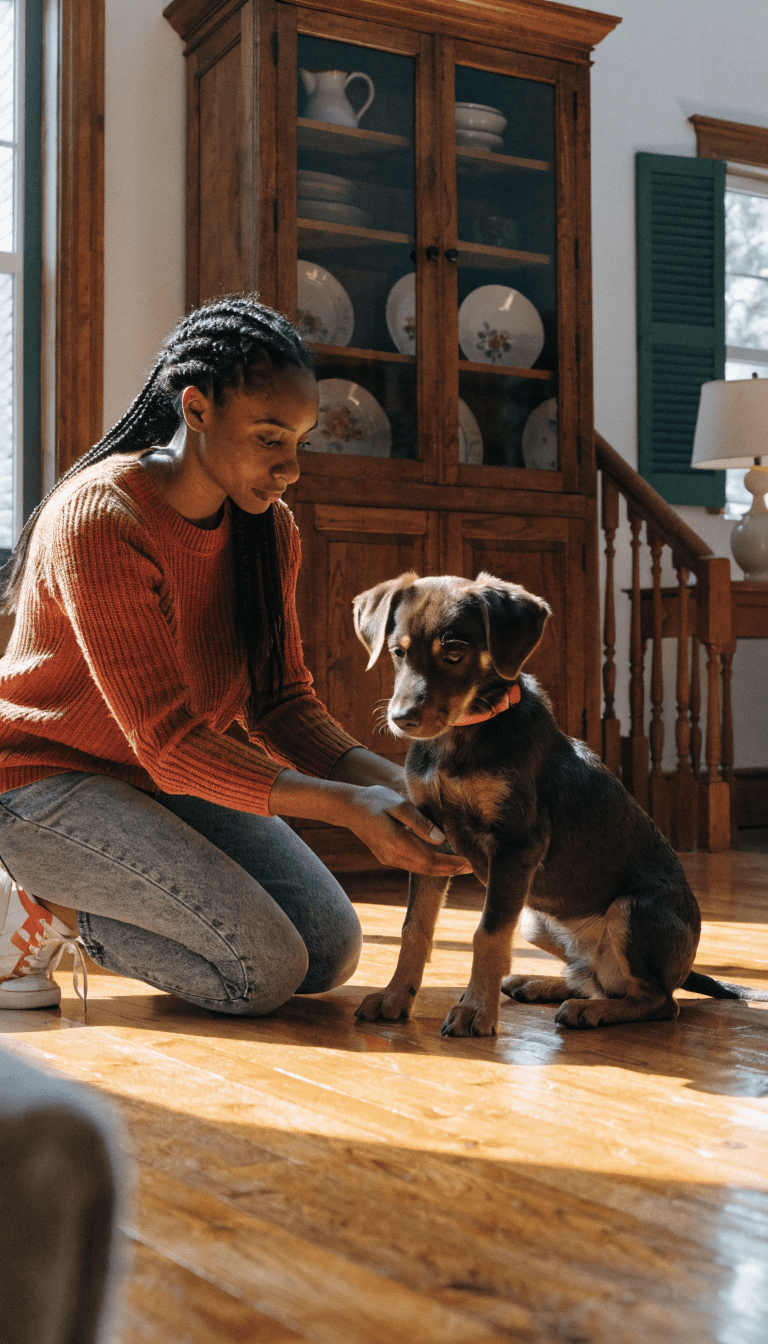
Understanding what your pup is telling you helps you respond more effectively.
Do they seem overwhelmed or overstimulated?
If their body is stiff, tail tucked, or they’re yawning excessively, they’re probably overwhelmed. Shorten play, offer a calm toy, and give a cooldown break.
Are they teething or just excited?
If drooly, fast mouth movements, and gnawing happen even with toys, teething is likely a factor. Choose softer chews and allow extra teething time. If it’s pure excitement, redirect to a toy and add some obedience prompts to channel that energy.
Common pitfalls to avoid (and what to do instead)
You’ll trip over these if you’re not careful, but you can sidestep them with a minute of planning.
- Avoid yelling or physical punishment: it teaches fear, not bite inhibition. Instead, opt for calm redirection and timeouts.
- Don’t yell “No!”: it’s loud, but it doesn’t teach what you want. Try “gentle” or “toy” in a steady voice.
- Don’t chase your pup: chasing can turn play into a chase game and ramp the biteiness back up. Use toys to lure and reward.
- Limit hands-on play when you’re tired: your energy sets the tone. If you’re spotty, switch to toy-based interaction until you’re fresh.
Incorporating training into daily life

Consistency beats intensity. A few minutes here and there add up fast.
- Short, frequent sessions: 5–10 minutes, 3–4 times a day, focused on bite control.
- End sessions on a high note: a quick game with a favorite toy and a reward.
- Use mealtimes as training moments: practice “gentle” with the kibble you’re already offering.
When to bring in the pros (and what to expect)
If your puppy’s bites are aggressive, or you’re challenged by persistent nipping despite consistent training, consider professional help.
- CPDT-KA or certified canine behaviorists can tailor a plan for your pup’s temperament.
- Training sessions typically focus on impulse control, desensitization, and structured play.
- Expect a short-term investment for long-term gains. You’ll thank yourself later.
FAQ: Quick answers to common questions
What should I do if my puppy bites during a walk?
Take a moment to pause, hold the leash with both hands, and redirect to a toy or treat you’ve prepared beforehand. If the biting continues, step off the path to a quiet spot, then resume once they’ve calmed. Consistency wins.
How long does it usually take to curb puppy biting?
Every pup is different, but with consistent redirection and positive reinforcement, you’ll start seeing calmer behavior within a couple of weeks. The longer you practice, the quicker the payoff.
Can I use anti-bite sprays or bitter-tasting products?
Some products exist, but they’re not a miracle fix. They can deter some pups but may not teach the underlying control you want. Use them sparingly and alongside the core training plan.
Is mouthing normal after vaccination or at certain ages?
Yes, mouthing is normal in young puppies and often peaks around 3–4 months as they teethe. This isn’t a license to bite people, but it is a phase for which you can expect a lot of growth with the right cues and toys.
What if my puppy bites during play with kids?
Supervise closely and set strict “no hands” rules for kids. Use lots of gloves or protective padding if necessary and ensure kids always trade their hand for a toy. A calm, controlled environment makes a big difference.
Conclusion
Stopping puppy biting fast without yelling or punishment isn’t magical or mystical. It’s about reducing opportunities to bite, redirecting to appropriate outlets, and reinforcing the good behavior with consistent, calm responses. Your puppy wants to please you as much as you want a finger-free afternoon. FYI, with patience and a sense of humor, you’ll be surprised by how quickly the bitey chaos settles into confident, friendly play.
So grab a stash of toys, set up a cozy training corner, and start swapping fingers for frisbees. With a little daily practice, you’ll both be enjoying bite-free bonding time in no time.