
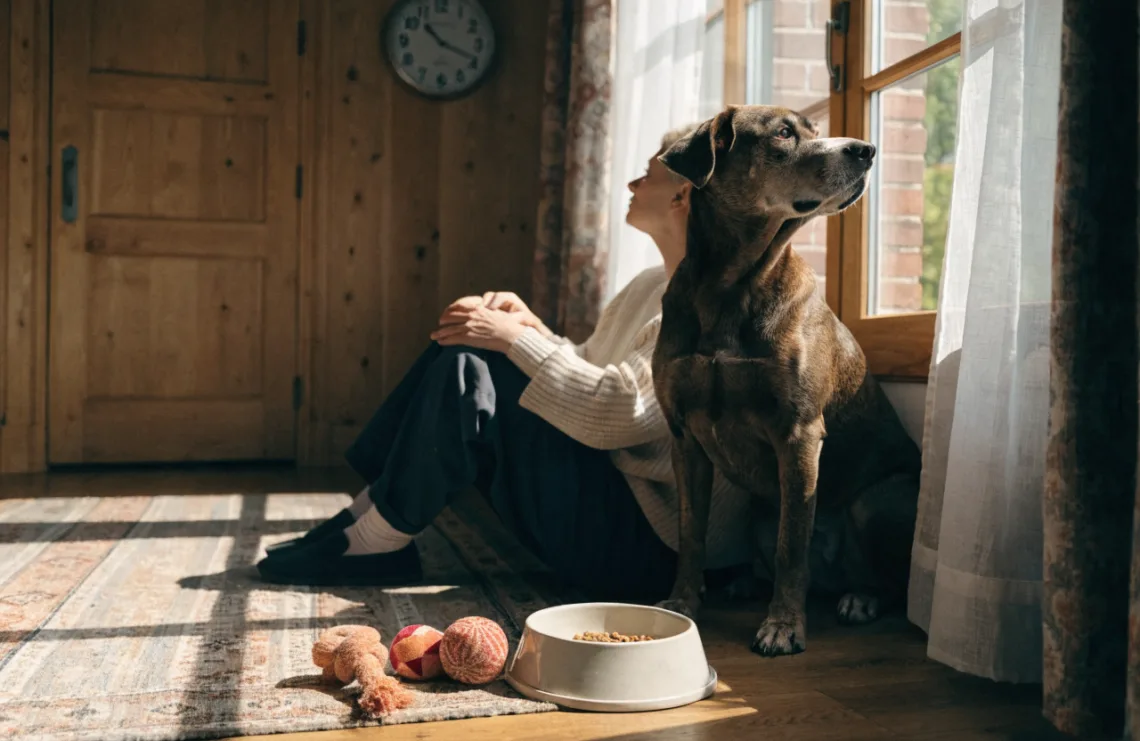
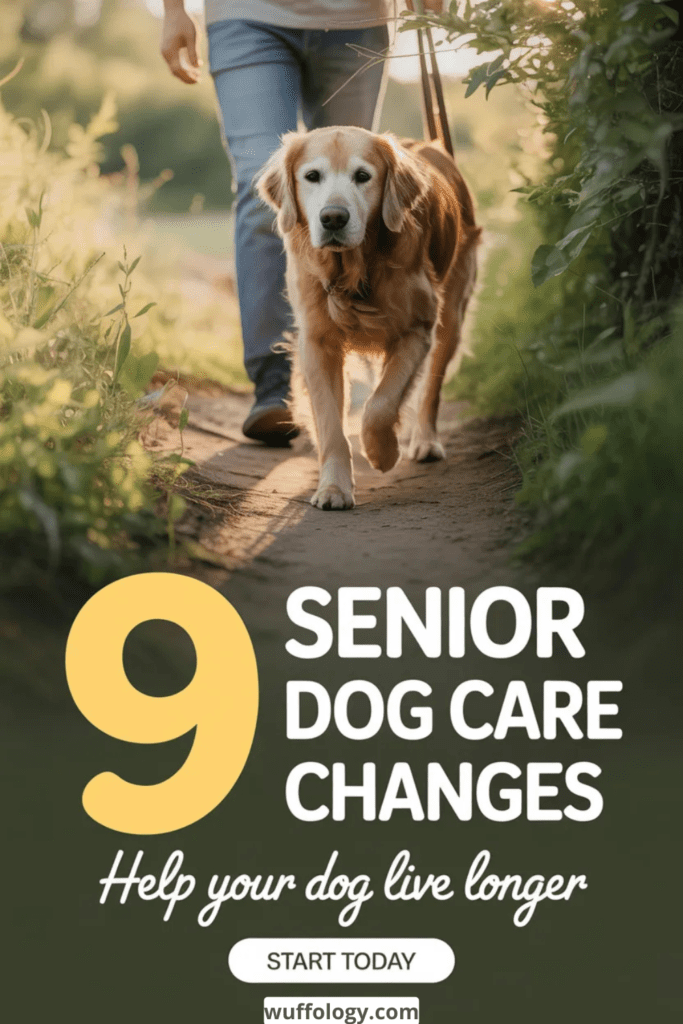
You know that moment when your dog’s hips creak a little louder than your coffee grinder? Yeah, senior dog care isn’t flashy, but it adds years the right way. Let’s cut to the chase: small changes, big impact. Here are 9 simple tweaks that help your seasoned pup stay spry, happy, and, most importantly, loved.
1. Rethink their daily routine with a gentle pace
Your senior dog isn’t chasing squirrels the way they used to, and that’s not a failure—it’s wisdom. Start by dialing back rambunctious activities and adding consistency.
- Keep walks predictable: two shorter walks are better than one long, exhausting trek.
- Incorporate short play sessions that use low-impact toys—think soft balls or chewies rather than fetch marathons.
- Build in rest breaks so they don’t overdo it and end up stiff for hours.
Why it matters: joints, muscles, and energy levels crave rhythm. Consistency reduces flare-ups and keeps mobility steady. FYI, a little daily routine goes a long way.
2. Upgrade the nutrition: smaller portions, smarter ingredients
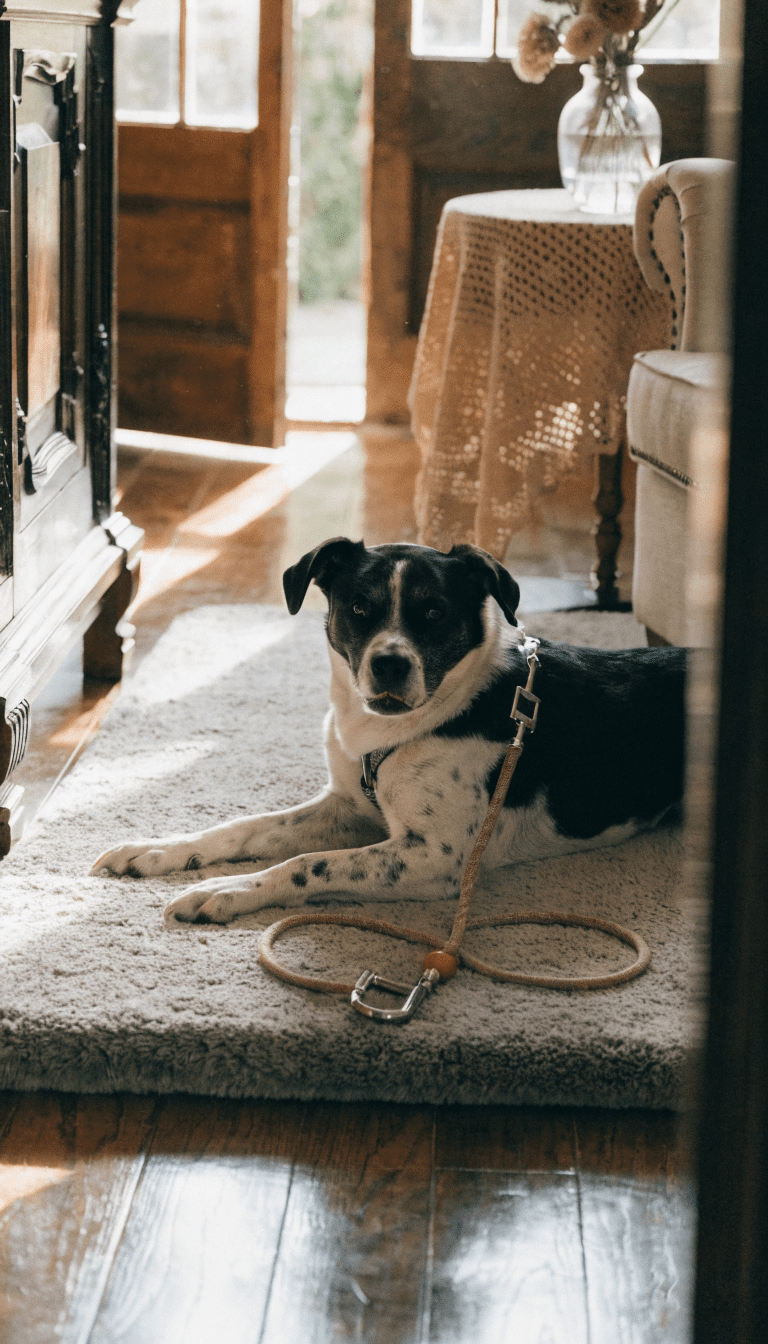
Food becomes medicine in a dog’s golden years, but not in a scary, expensive way. It’s about balance, digestion, and weight management.
- Portion control is your friend. Senior dogs often need fewer calories, but more nutrient density.
- Look for easily digestible proteins and added fiber to support digestion and stool consistency.
- Consider supplements only if your vet says so—glucosamine, chondroitin, and omega-3s can help joints and coat.
Pro tip: slow-release feeding or multiple small meals can prevent spikes in energy and tummy trouble. IMO, it’s a small change with big payoff.
3. Make movement safer and more comfortable
Aches don’t wear slogans on their collars, but they show up in every step. Let’s keep their engine purring without the arthritis drama.
- Ramps or stairs for beds and couches reduce jump strain. Yes, your dog will still feel fancy.
- Orthopedic bedding helps joints and reduces pressure points. Invest once, sleep better for both of you.
- Gentle range-of-motion exercises and light massages can keep muscles flexible. It’s basically a spa day, minus the cucumber slices.
Quick question: when was the last time you flexed a dog’s hip in a tiny stretch? If never, now’s the time to start a routine.
4. Prevent the little things before they become big issues

Senior dogs are masters at hiding discomfort. Regular checks catch red flags early, and prevention is cheaper than treatment.
- Dental care matters more than you think. Bad teeth can cause pain, infections, and weight loss.
- Keep vaccinations and parasite prevention up to date, but chat with your vet about age-adapted schedules.
- Monthly grooming isn’t vanity—it’s skin and coat health, plus a chance to spot lumps or changes.
FYI: early veterinary attention often means less invasive treatment later. Don’t wait for “just a sniffle” to become a crisis.
5. Brain games and mood boosters: keep them sharp
Mental health is as important as physical health. A bored senior dog can get cranky in the most adorable way possible.
- puzzle toys and scent games stimulate brain activity and slow cognitive decline.
- Rotate toys to keep novelty high—your dog loves a little mystery more than a squeaky toy that’s always the same.
- Regular social time with friends (dogs or humans) keeps mood up and loneliness down.
Question: do you know which game your dog loves most? If not, trial and error is your best strategy—the payoff is a waggy tail and a clearer fetch routine.
6. Manage meds and vet visits like a pro
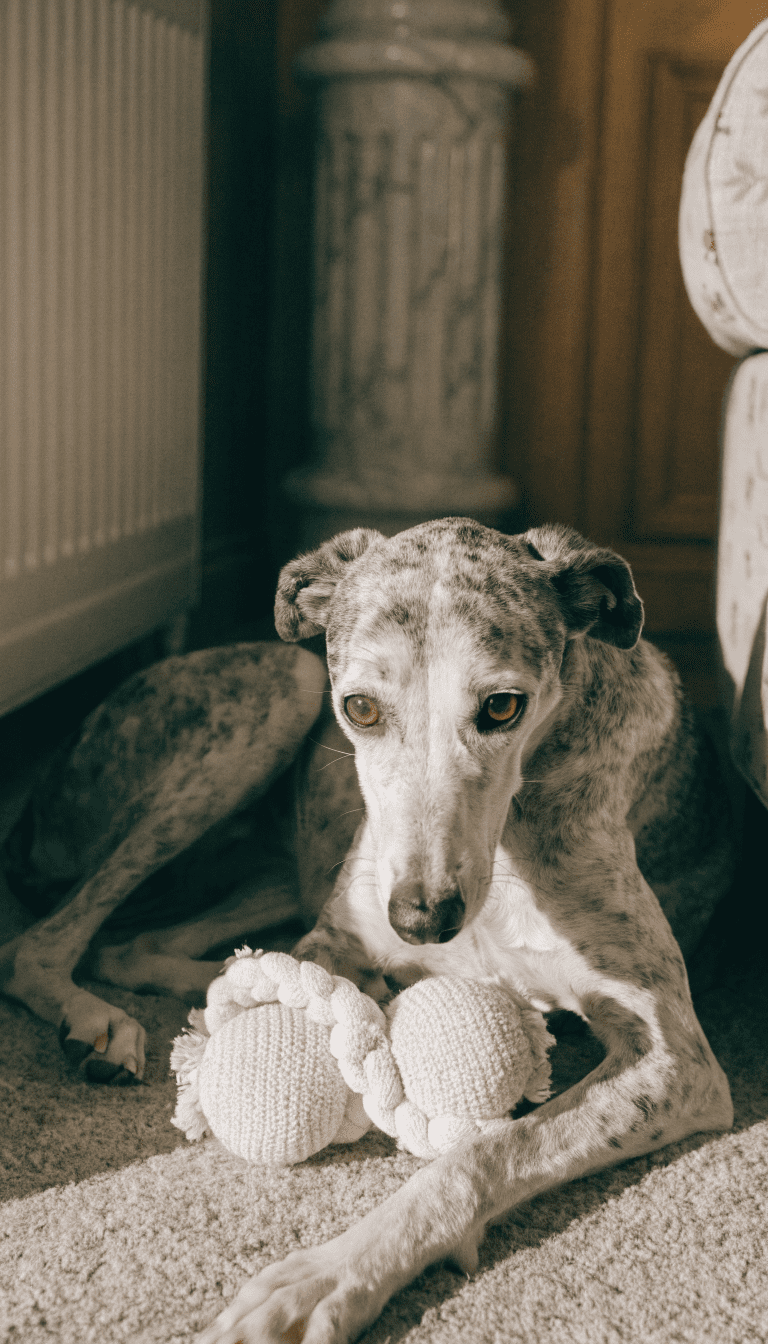
When aging hits, medical management becomes your new regular chore chart. It’s not grim; it’s practical.
- Take a list of meds, doses, and timing into every vet visit. Reliability beats memory every time.
- Ask about blood work and organ function screening to catch subtle changes early.
- Keep a daily symptom log: energy level, appetite, bowel movements, and any new noises or limps.
IMO, a well-structured plan reduces stress for you and your pup. If you’re unsure about a med or supplement, question it—there’s almost always a safer option or a dosage tweak.
7. Create a comforting living environment
Small tweaks at home can reduce anxiety and physical strain.
- Soft lighting and easy navigation paths help seniors see where they’re going without tripping.
- Non-slip rugs on slick floors prevent slips—your dog can do a victory lap without drama.
- Set up a cozy, accessible bed in a quiet corner for easy access and restful sleep.
Rule of thumb: comfort is king. If your dog acts tense in a spot, move them somewhere calmer or adjust the temperature. A comfy pup is a happy pup.
8. Exercise restraint, celebrate progress
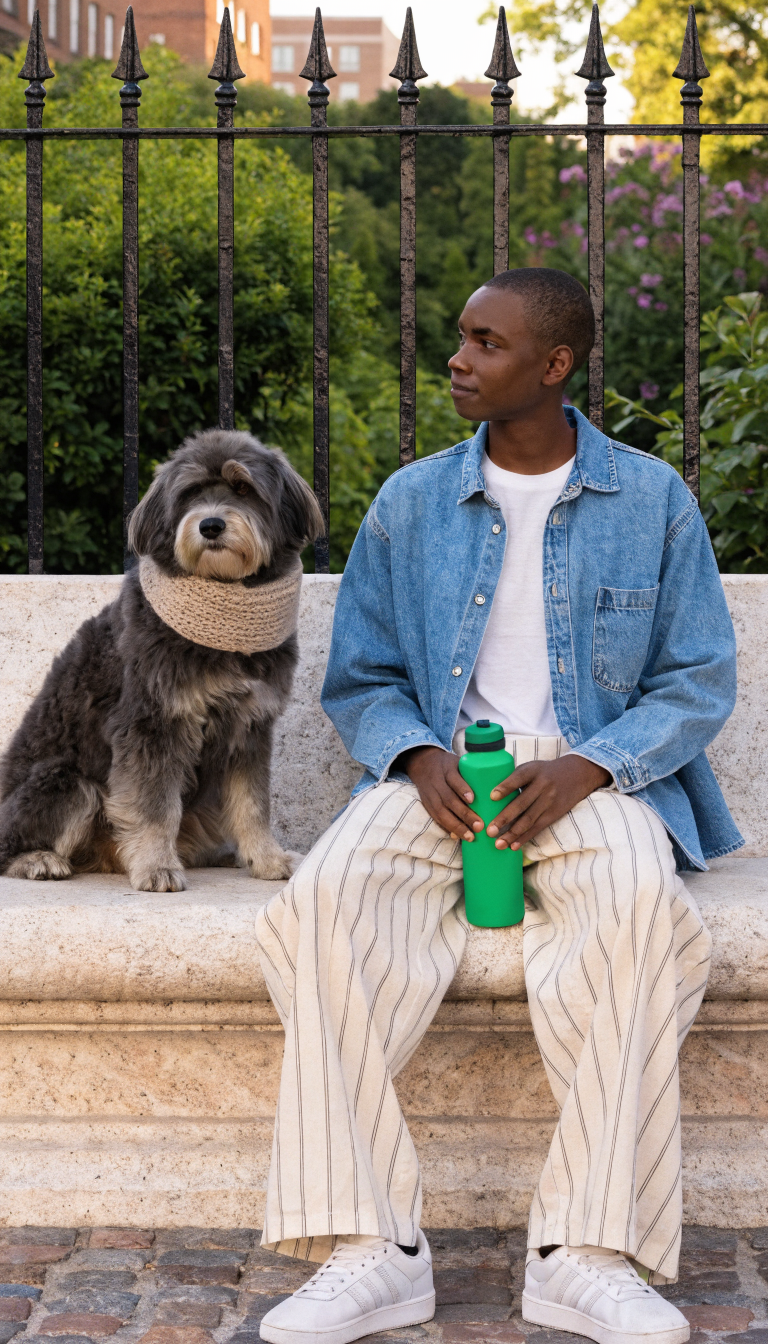
Progress isn’t linear, and that’s okay. Celebrate tiny victories and reset expectations when needed.
- Track improvements in stamina, not just speed. A 10-minute extra stroll is a win.
- Use a gentle harness instead of a collar for walks to protect the neck and airway.
- Reward patiently—soft treats and praise beat frustration every time.
Reality check: aging dogs show us patience in spades. Your job is to be the calm, steady captain of the ship.
9. Know when it’s time to talk hard with your vet
There comes a moment when comfort trumps everything. Recognizing when care is about quality of life is essential.
- If pain seems persistent despite treatment, it’s time for a deeper conversation about options.
- Discuss end-of-life planning early so you’re prepared if tough choices arise.
- Don’t shy away from palliative care or hospice services if they fit your dog’s needs.
Remember: choosing compassion over “one more day” can be the bravest gift you give your best friend.
FAQ
How do I know if my senior dog is in pain?
Look for gradual changes: less interest in movement, wagging, or meals; restlessness or panting at rest; sensitivity to touch in areas that used to be fine. If you notice persistent changes, chat with your vet. Pain can be sneaky, but it’s almost always noticeable with a little attention.
What foods should be avoided for aging dogs?
Avoid bones that splinter, grapes and raisins, onions, garlic, chocolate, and xylitol. Also be mindful of high-fat, highly processed foods that can upset digestion or contribute to weight gain. FYI, allergies sneak up later in life, so monitor new treats or ingredients carefully.
How can I tell if my dog’s cognitive function is declining?
Signs include disorientation, altered sleep patterns, decreased interaction, getting stuck in corners or behind furniture, and reduced recognition of familiar people. If you notice changes, a vet visit can help rule out pain or medical conditions and discuss possible cognitive therapies.
Is surgery ever appropriate for senior dogs?
Yes, sometimes. The key is a thorough pre-surgical assessment. Your vet will weigh risks, organ function, and expected recovery. Many seniors tolerate procedures well when planned carefully, with adjusted anesthesia and post-op care.
What’s the most underrated upgrade for senior dogs?
Orthopedic bedding and non-slip flooring. A good bed and safer floors reduce joint strain and prevent injuries. It sounds simple, but the impact is huge over years of snoozing and wandering around the house.
Conclusion
Caring for a senior dog is less about heroics and more about steady, thoughtful tweaks. Small changes in routine, nutrition, mobility, and environment add up to longer, happier years together. If you ask me, the best upgrade you can make is embracing a calmer pace with a lot more love. Your dog will notice, and so will your own peace of mind. So grab a treat, plan a gentle stroll, and celebrate the wisdom that comes with senior years. You’ve got this.





2 Comments on “How to Care for Senior Dogs: 9 Simple Changes That Add Years to Their Life”
Comments are closed.