I’ll cut to the chase: dogs get lonely, and you might be missing the signs. If you’ve ever wondered why your pup acts like a drama queen when you leave, you’re not alone. Here are 10 subtle signs your dog is lonely (Most Owners Miss #4). Spoiler: number 4 is the sneakiest.
1) Quiet, but not calm
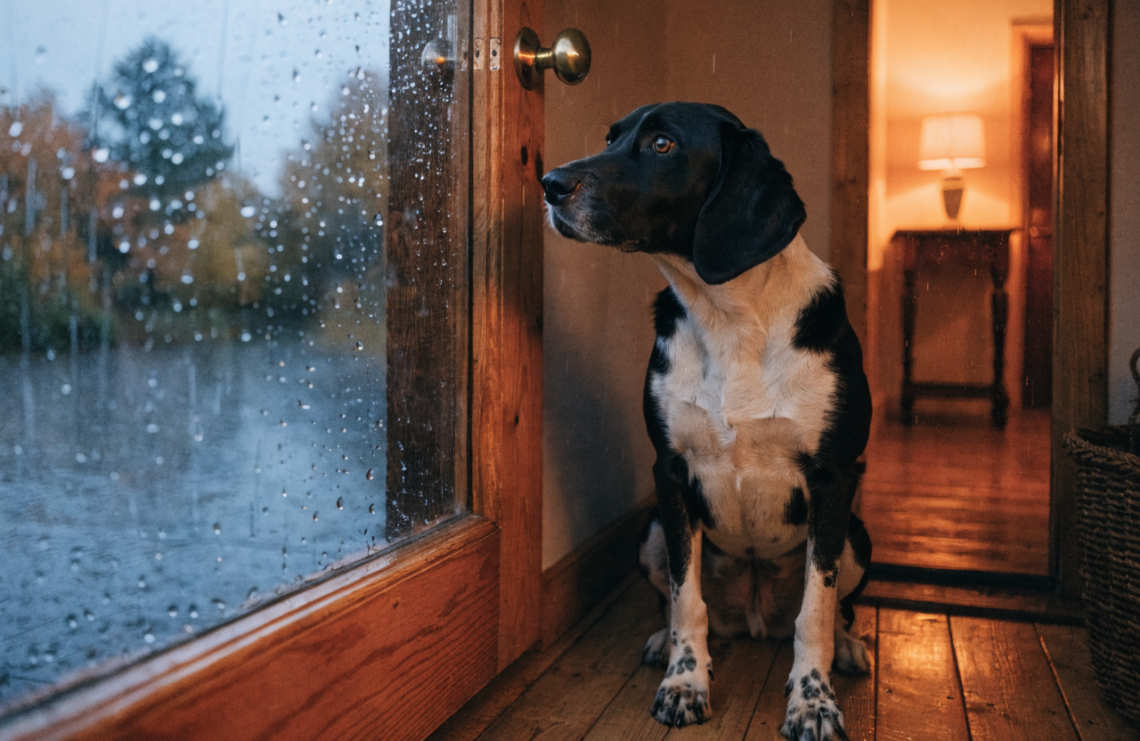
Your dog usually bursts through the door like a furry tornado. Lately, they’m more of a soft breeze: not barking, not howling, just… quiet. It feels off, right? Loneliness can quiet their energy because they’re not sure who’s coming back to entertain them.
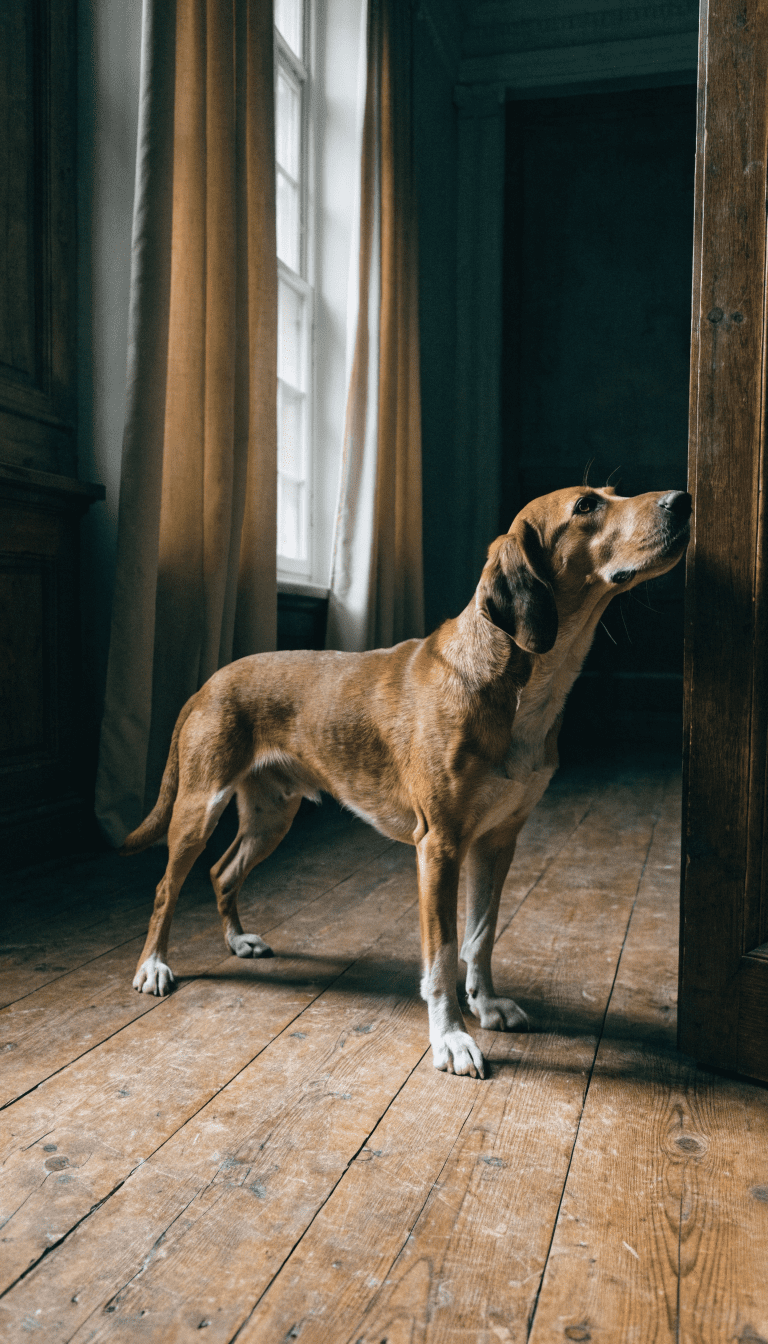
– You might notice they stare at doors or windows where you normally appear.
– They aren’t whining for attention as much as they used to; instead, they wait for you to reappear.
If you catch yourself thinking, “Is my dog bored?” you’re not imagining it. Boredom and loneliness often share a bed and a mood.
2) The “shadow worshiper” phase
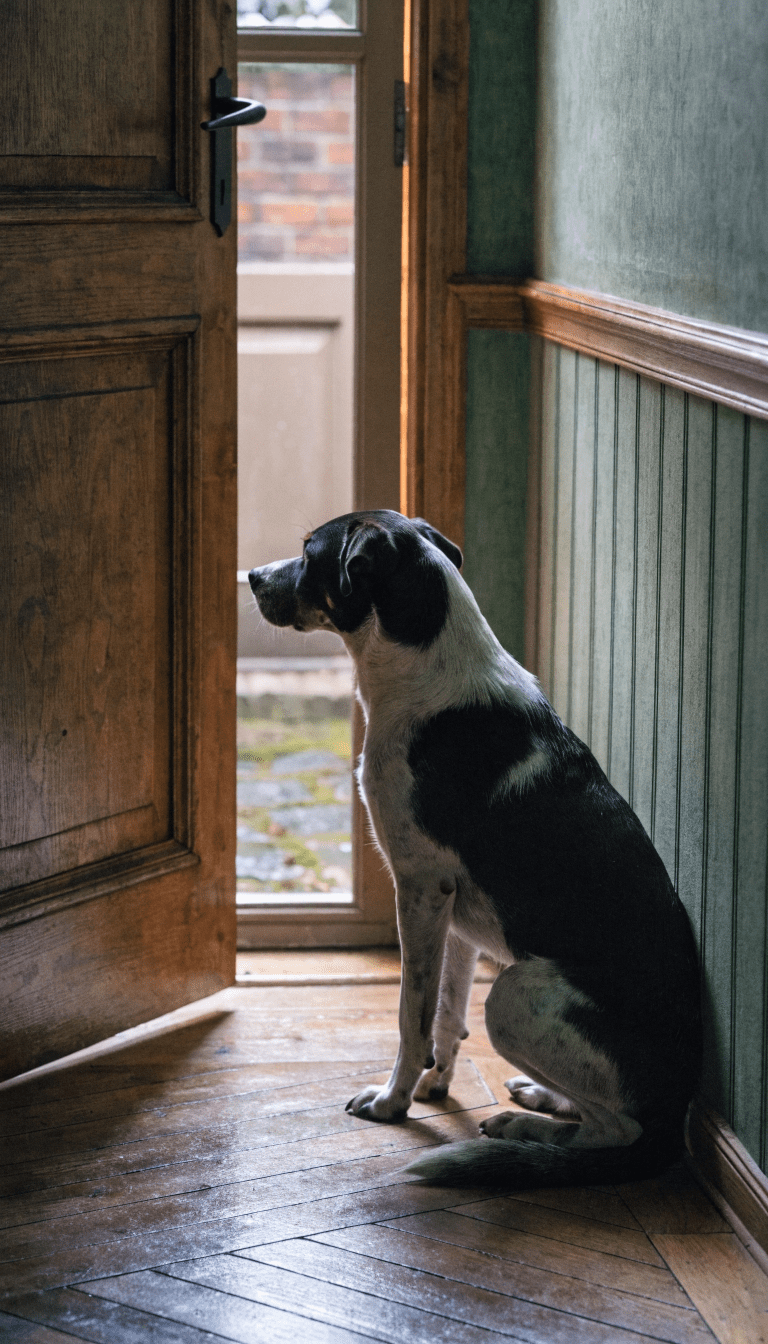
Ever catch your dog glued to your feet, even when you’re not actively moving? They follow you from room to room like a devoted shadow. It’s cute, until it becomes a full-time gig.
– They position themselves where they can see you at all times.
– They seem to panic a bit when you’re out of their sight, even for a minute.
This isn’t just clinginess; it’s a signal that they’re desiring proximity because they’re missing the social cue you provide. FYI, this can come from separation anxiety, but loneliness also makes this behavior intensify.
3) Sleep patterns go wonky
Dogs love their sleep as much as the next creature, but loneliness can flip their routine. They might:
– Sleep more during the day when you’re around, then wakeful at night because you’re away.
– Curl up in unusual places, like near doors or their crate, waiting for you to return.
If your pup starts acting like a sleepy hanky, consider whether their environment is giving them enough companionship during the day.
4) Noticeable appetite quirks
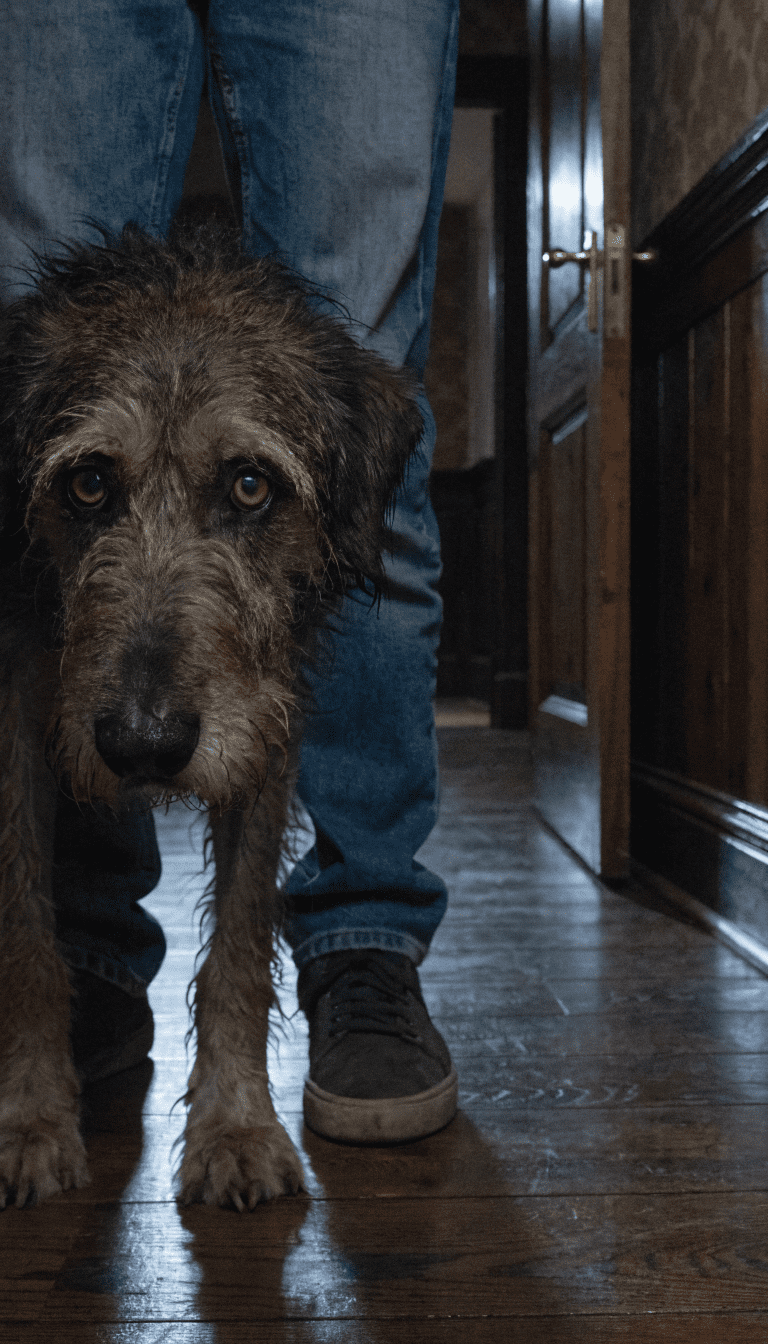
Here’s the sneaky one you don’t want to miss: eating habits change when a dog is lonely. Not every dog will go on a full hunger strike, but you might see:
– Picky eating around breakfast but gobbling dinner with gusto when you’re home.
– Begging more at window or door for your return, using food as a reward ladder you’re not climbing.
– A slight decrease in overall interest in meals even when their favorite treats are in the bowl.
Loneliness often interacts with stress, which can mess with appetite. If your dog’s eating changes persist, it’s worth a chat with your vet to rule out other causes.
5) The “lost toy, found fog” phenomenon
Your pup used to play fetch forever, but now they only want to nibble a squeaky toy in a corner. They’ve got a habit of leaving things around with no obvious purpose.
– They’ll pick up toys and then abandon them near doors, as if they’re marking where you usually throw things.
– They seem to “forget” the ritual of playing, even with you present.
This is less about the toy and more about the social ritual of playtime. When you’re there, they’re not confident enough to engage fully, so they retreat to a safe, quiet corner.
6) The “missed you already” greeting

Now and then, your dog greets you with jazz hands, tummy rubs, and a parade. Lately, their greetings feel more subdued or delayed.
– They might wag, then pause, waiting for your cue to play or cuddle.
– They still show affection, but the spontaneity is gone.
A simple fix: reintroduce a predictable, short “welcome back” routine. A quick leash walk or 5-minute fetch session can reset the mood and reassure them you’re trustworthy for the long haul.
7) Behavioral shifts when you’re away
If your dog is lonely, their usual coping strategies might be louder than you expect. Look for:
– Increased vocalization when you’re out: whines, barks, or whimpering that isn’t their normal volume.
– Pacing, pacing, and more pacing around the house when you’re not there.
– Destructive tendencies that aren’t typical for them, like chewing on things they’ve never touched before.
Destructive behavior often hides stress and loneliness behind a disguise of “the house needed rearranging.” FYI, this is a red flag you shouldn’t ignore.
8) Subtle anxiety cues you might miss
Loneliness often pairs with anxiety. Some signs are tiny but telling:
– Grounding behaviors like sniffing a lot, licking lips, or yawning without being tired.
– A sudden desire to hide in smaller spaces, like under a table or behind the couch.
– Heightened sensitivity to noises even if they never bothered your pup before.
If you notice these cues, it’s a good idea to review their daily routine. A little consistency goes a long way.
9) Social life is now exclusive to you
Most dogs are social butterflies, but lonely dogs might only want attention from you, not from other pets, humans, or even their favorite toys.
– They ignore playdates with other dogs at the park.
– They avoid interactions with guests unless you lead the way.
This isn’t “they don’t like people.” It’s more “they miss their main social anchor.” Rebuild that social weave gradually, with shared activities that don’t overwhelm them.
10) The no-secrets sign: their body language says it all
When dogs are lonely, their body language gets loud, even if their vocal cords stay quiet. Watch for:
– Ears flattening or turning toward you in a worried way.
– Tail tucked low, not wagging with confidence.
– A hesitant, slow approach to you when you’re in the room.
These tiny signals add up. If you notice several at once, your dog might be telling you something deeper is missing in their day-to-day life.
Deep dive: Why #4 is the sneakiest sign
You want to know the real kicker? It’s number 4: appetite quirks. Food is a big deal for dogs, and their meals are like a social ritual. When loneliness sneaks in, food can become a placeholder for companionship. They might eat in bursts, or they might skip meals entirely when you’re out, only to devour a snack when you walk back in.
– Food is tied to routine: break the routine, and you break the sense of security.
– Appetite shifts can mask other issues: dental pain, GI upset, or thyroid problems can all mimic loneliness.
– The fix isn’t just “feed more.” It’s rebuilding your presence and engagement in a way that flows naturally with their day.
If the appetite issue lasts more than a couple of days, a vet check is a smart move. You want to rule out medical causes before you attribute everything to loneliness.
Practical steps you can take now
– Create a predictable daily routine: set meal times, walks, play sessions, and wind-down time.
– Gradual separation training: start with short absences and extend them as your dog stays calm.
– Enrichment when you’re away: puzzle feeders, stuffed Kongs, or a comfy window seat with a view.
– Social time that doesn’t backfire: short, positive introductions to friends or doggy daycare with careful supervision.
– Quality time when you’re home: short bursts of focused play, quick training sessions, and lots of affection.
FAQ: Is loneliness the same as separation anxiety?
Loneliness is more about missing companionship, while separation anxiety involves a fear response to being away from you. They often overlap, but the treatment patterns differ. Start with building a reliable routine and gradual desensitization, then consult a vet or a behaviorist if needed.
What if my dog is lonely but I can’t be home more?
Use enrichment and structure. Long-lasting puzzles, safe interactive toys, and a consistent routine help. Consider a dog walker or a friend popping by for a quick play session. A little social interaction goes a long way.
Could loneliness indicate a medical issue?
Yes. Appetite changes, sleep pattern shifts, and new behaviors can coincide with medical problems. If signs persist more than a few days, book a vet visit to rule out pain, parasites, or metabolic issues.
How can I tell if my dog is enjoying the changes I make?
Look for relaxed body language: a wagging tail, soft eyes, loose shoulders, and settled rest without visible stress. If they approach you with curiosity, that’s a green light. If they still seem tense, dial back and try gentler steps.
Is it okay to use treats to lure them into social activities?
Treats can help, but don’t rely on them exclusively. Pair treats with calm, positive reinforcement and enjoyable activities that you both like. You want the dog to associate presence with calm joy, not just food.
What’s the fastest way to tell if my dog is lonely right now?
Pause and observe: does your pup follow you around more than usual, lie near a door waiting for you, or look to you for cues during play? If yes, you’re likely witnessing loneliness. Start with a quick 10-minute play session right now to reset their mood.
Conclusion
Loneliness in dogs isn’t always dramatic or obvious. It hides in quiet shifts in routine, in the afterglow of your return, and in their appetite going wonky when you’re out. The good news? With a bit of plan and a sprinkle of patience, you can turn the mood around faster than you can say “fetch.” IMO, your dog deserves that steady companionship you’re already capable of giving. So, pick a time, grab a toy, and show up for your pup. They’ll thank you with a wag, a nuzzle, and a whole lot of cozy evenings ahead.