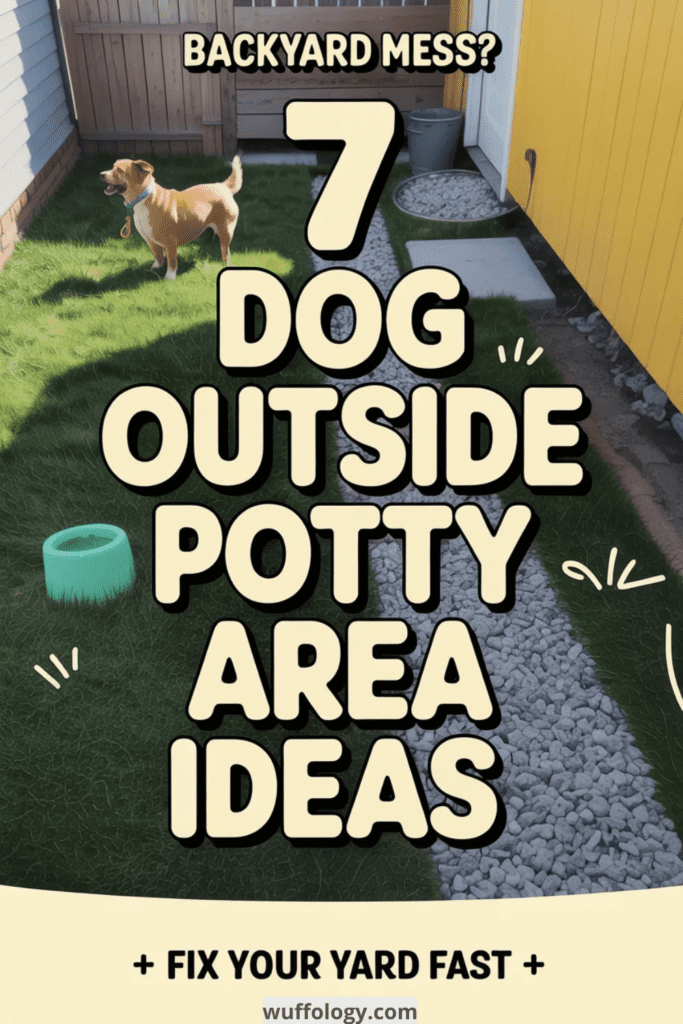
A dog outside potty area can be the difference between peaceful mornings and the Great Backyard Tling of 6 a.m. You don’t need a full contractor crew to make this work—just a few smart fixes you can set up today. Let’s turn your yard into a potty-friendly zone that your pup will actually use (and you won’t regret).
1. Start with a clear, inviting boundary
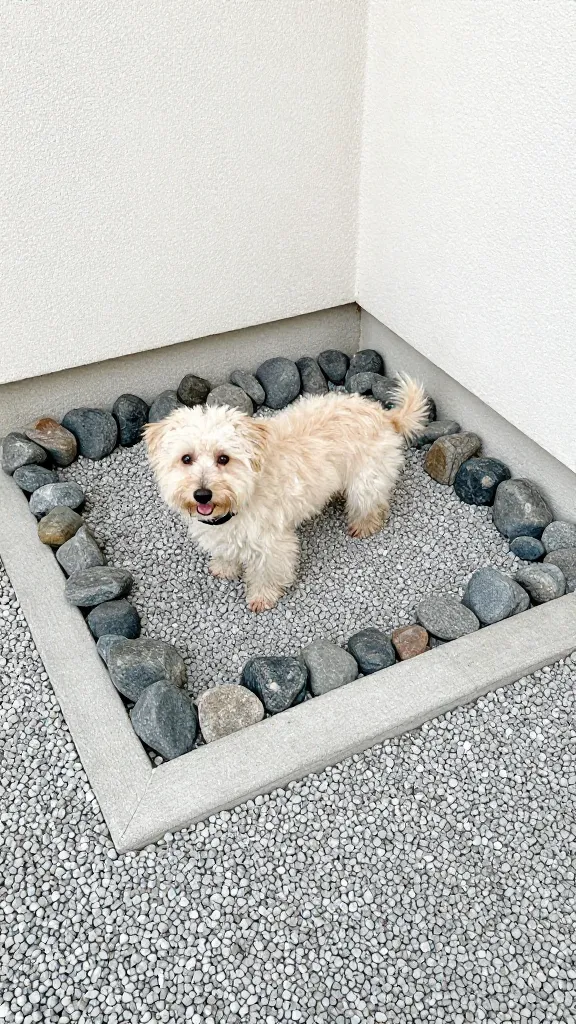
A dog needs clarity. If the space feels like a free-for-all, your pup will wander and mark everywhere. Set a dedicated potty zone as a “this is the spot” beacon.
– Choose a low-traffic corner: not right by the porch or windows where people linger.
– Define the area with simple cues: a fence panel, garden edging, or decorative stepping stones.
– Keep it low maintenance: pick gravel, pebbles, or mulch that won’t pile up mud or stink.
Why it works: dogs respond to routine and boundaries. If the area says, loudly and clearly, “POTTY HERE,” your pup will start to associate relief with that patch.
2. The 3-bed setup: dirt, grass, and mulch options

Different dogs have different groove zones. Some like real grass, others won’t sniff anything but dirt, and a few adore mulch. Here are three savvy layouts you can mix and match.
3.1 Real grass patch
– Pros: natural scent cues, easy for a dog to piddle on, feels comfortable under paws.
– Cons: higher maintenance, can wear thin in heavy use.
– Quick setup: lay down fresh sod or seed a small patch, keep it watered, and add a shallow, dog-safe border.
3.2 Gravel or mulch bed
– Pros: drains well, durable, less mess tracked inside.
– Cons: some dogs dislike pebbles or crunchy mulch.
– Quick setup: lay weed barrier, spread a 2–3 inch layer of pea gravel or mulch, and add edging to keep it contained.
3.3 Dirt patch with scent cues
– Pros: classic dog instinct, great for dogs who prefer earthy smells.
– Cons: can get muddy after rain.
– Quick setup: compact a small area with a bare dirt patch. Sprinkle a little soil conditioner and a splash of water to keep aroma strong but not overpowering.
3. Build a simple, durable boundary fence or boundary markers
Even a tiny fence or clearly marked boundary helps. You don’t need a full-on kennel setup to signal “this is the potty zone.”
– Short, sturdy barrier: a 2–3 foot fence or low boards placed as a ring around the area.
– Visual cues: bright fencing or colorful plant borders. Dogs notice color more than you think.
– Portable options: lightweight garden fencing you can rearrange for seasons or weather.
FAQ touch: If your yard isn’t fenced, consider a leash-and-math approach (more on that later).
4. Practical setup ideas you can implement today

Here are ready-to-deploy fixes that don’t require a contractor or months of planning.
- Gravel mat matting: A shallow layer of pea gravel laid over weed barrier keeps things tidy and makes cleaning easy.
- Dog-friendly mulch: Comfy, odor-absorbing mulch like cedar can deter digging in the potty zone and smells nicer than bare dirt.
- Portable turf mats: If you rent or move, turf mats give you a quick, clean patch that’s easy to remove.
- Dedicated rain cover: A small awning or top to keep the area a bit dryer in wet weather—less mud, more smarts.
- Odor control routine: Sprinkle a little baking soda after use or use enzyme-based cleaners to keep smells down and the area inviting.
FYI: consistency beats fancy gear. If you set up a simple rule—“potty here after meals, before bed”—your dog will catch on fast.
5. Training your dog to use the new area
A fresh patch won’t be used if your pup doesn’t know what to do with it. Make the transition smooth with friendly prompts and steady routines.
– Lead them to the spot after meals or nap times.
– Use a cue word: “Go potty” or “Pee here.” Keep it short and positive.
– Reward generously: a tasty treat or extra play right after they finish helps form the association.
– Be patient with setbacks: some dogs need a few days to adjust to a new ritual.
3 quick training tricks you’ll thank me for later.
3 tricks to reinforce the habit
– Consistency cue: say your cue, then guide them to the area; if they squat, reward immediately.
– Time window: give a 5–10 minute window after meals or after waking up. If nothing happens, move closer to the zone and try again.
– Positive only: avoid scolding. If there’s an accident, calmly clean it up and try again. Dogs learn faster with kindness.
6. Maintenance tips so your backyard stays pleasant
A setup that loses its shine quickly isn’t helpful. Keep the area inviting with small, practical maintenance steps.
– Regular cleaning routine: remove waste promptly, rinse the surface to cut down on odor, and refresh the area every few weeks.
– Drainage matters: ensure the area drains well to prevent mud and puddles.
– Weatherproofing: in wet months, a little mulch or gravel can reduce slick spots; in hot months, offer shade nearby so your pup won’t skip the area because of heat.
– Odor control: enzyme cleaners after accidents, plus a light sprinkle of baking soda when dry.
Pro hack: a simple hose rinse after heavy rain keeps the patch fresh and inviting.
7. When you need to tweak the setup for different dog types
Not all dogs are the same. A tiny chihuahua and a big lab have different needs when it comes to the potty zone.
– Small dogs: keep the area compact; elevated borders can help prevent little paws from digging outside the line.
– Large dogs: give more space and a sturdier border. Ensure the surface is forgiving on joints.
– Senior dogs: softer surfaces like real grass or fine mulch feel nicer on aging paws and knees.
– Highly energetic dogs: keep the zone engaging with a brief play or fetch area right nearby to encourage quick potty breaks.
Remember: IMOs (in my opinion) a well-designed zone reduces the chaos of a dog who thinks the entire yard is free-for-all.
FAQ
How long does it take for a dog to learn the new potty area?
On average, most dogs start using a new potty patch consistently within a week with regular prompting, cues, and rewards. Some may take a little longer if they’re stressed or adjusting to a new routine. Stay patient and keep things positive.
What should I do if my dog keeps using outside areas instead of the designated patch?
Make the zone more attractive with closer supervision and a stronger cue. Consider placing a toy or food reward at the patch for the dog to discover. Revisit your boundary setup to reduce temptation from other parts of the yard.
Is real grass better than mulch or gravel for potty training?
Real grass often feels more natural to dogs. It can be easier for them to “go” and may reduce lingering smells since soil and grass hold scent. However, mulch or gravel can be cleaner and more durable in high-traffic areas. Try a small patch of each to see what your dog prefers.
How can I keep smells down in a shared yard?
Clean up waste immediately, use enzyme cleaners, and occasionally rinse the patch with water. A bit of baking soda after drying helps neutralize odors. If you’re sensitive to smells, position the potty area away from doors or main walking paths.
What if I don’t have a fenced yard?
You can still set up a potty zone with a gentle training approach. Use a long leash or a tether line that guides your dog to the patch. Pair this with a consistent cue and reward system until your dog understands the routine. FYI, consistency is the secret sauce here.
Conclusion
Turning your yard into a practical, dog-friendly potty zone doesn’t require a miracle, just some smart planning and a little elbow grease. Start with a clear boundary, pick a surface your pup feels comfortable with, and train with positive cues and steady routines. Add weather-smart touches and maintenance that keep the area fresh, and you’ll reduce messy accidents, save your sanity, and give your dog a reliable place to do their business.
If you’re feeling overwhelmed, remember: you don’t need to redo the entire yard. Small tweaks, reinforcements, and a patient, friendly approach go a long way. IMO, the payoff is worth it—less chaos, more sunlight, and a happier pup that actually uses their designated potty spot. Happy planting, and may your backyard become the cleanest, friendliest potty zone in town.