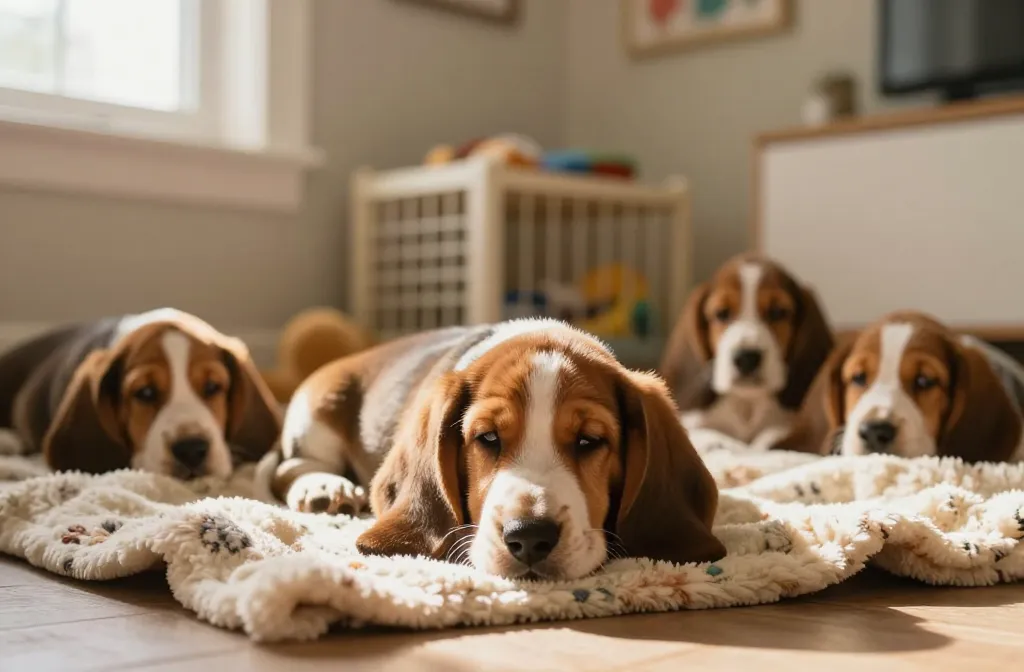
It’s cute, it’s snuggly, and it’s stubborn as a toddler with a food allergy to anything green. Basset Hound puppies are irresistible, but they also come with a hefty dose of “you’ve got this, right?” If you’re gearing up to bring one home, you’re in for a wild ride of ears, naps, and drool galore. Let’s cut to the chase with 5 essential care hacks that actually work.
Hack 1: Nail down sleep and stamina—the power of a routine
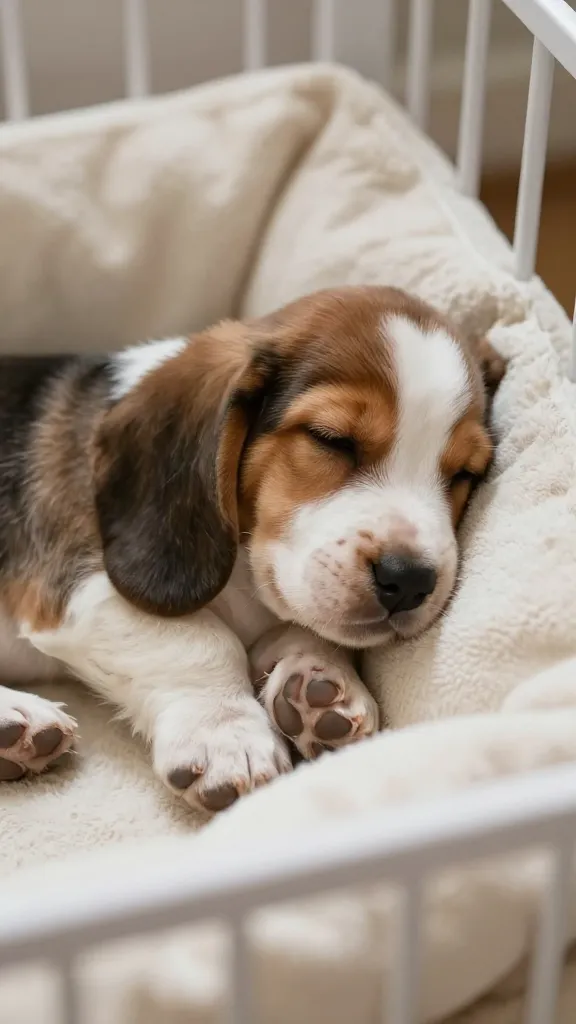
Basset Hounds are built for long naps and even longer sniff sessions. But puppies burn energy fast, so a predictable schedule keeps them out of trouble and helps them grow steady.
– Set a daily rhythm: morning wake-up, midday nap, afternoon walk, evening cuddle time. Consistency beats chaos.
– Short but frequent zoomies are fine. Then you bury them under a blanket for a half-hour “quiet time” so they don’t melt your furniture.
– Use a crate or a comfy crate alternative to create a safe, den-like space. Yes, puppies love a little privacy, even if they pretend not to.
Subsection: Snooze strategies that actually work
– Create a cozy nap zone with a washable mat and a familiar toy. The scent of mom or littermates helps them settle faster.
– If your pup fights sleep, try a gentle routine: a five-minute cuddle, then dim lights, a soft lullaby (okay, maybe not a real lullaby, but your voice works), and a predictable bedtime.
– FYI: don’t reward fussing with attention. Reward calm, not chaos, and they’ll learn the art of the chill.
Hack 2: Feeding smart—portion control and poop power
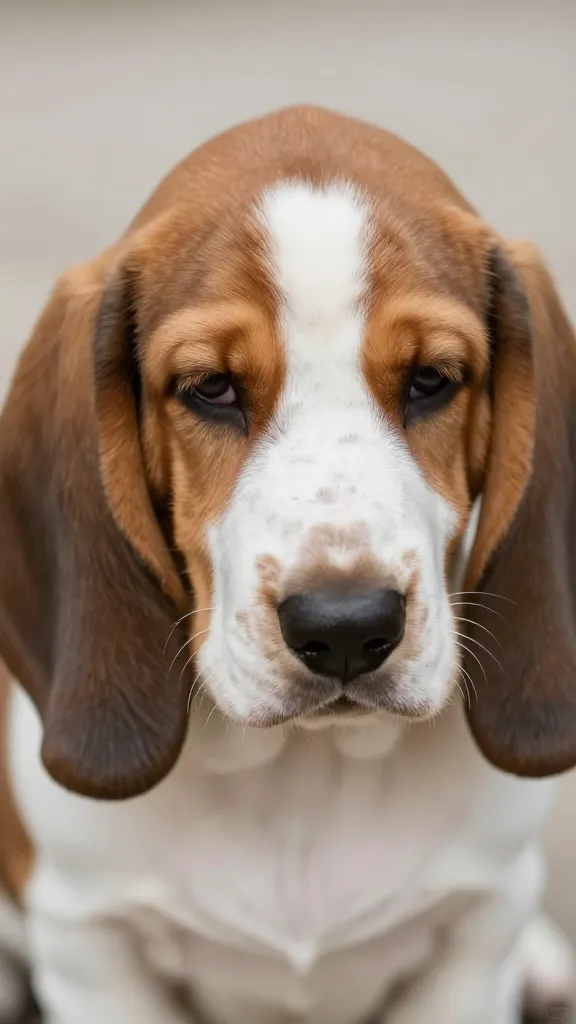
Happy tummies mean puppy energy that doesn’t overflow the carpet. Basset Hounds can be foodie—and their long-suffering waistlines will thank you for smart feeding.
– Use a measured feeding plan: two to three small meals per day is common for puppies. Don’t free-feed; you’ll regret it at 2 a.m.
– Choose a high-quality puppy formula with a good balance of protein, fat, and fiber. Talk to your vet if you’re unsure.
– Monitor weight weekly during growth spurts. If you notice rapid weight gain or loss, adjust portions and revisit the vet.
Subsection: Treats with boundaries
– Treats are for training, not snacks on top of meals. Keep them portion-controlled and use them to reinforce calm sits or gentle greetings.
– Avoid hard or chewy bones that could damage their delicate teeth or cause GI issues. Save bigger chews for when you’re supervising.
Hack 3: Ear care that actually sticks—clean, not cringey
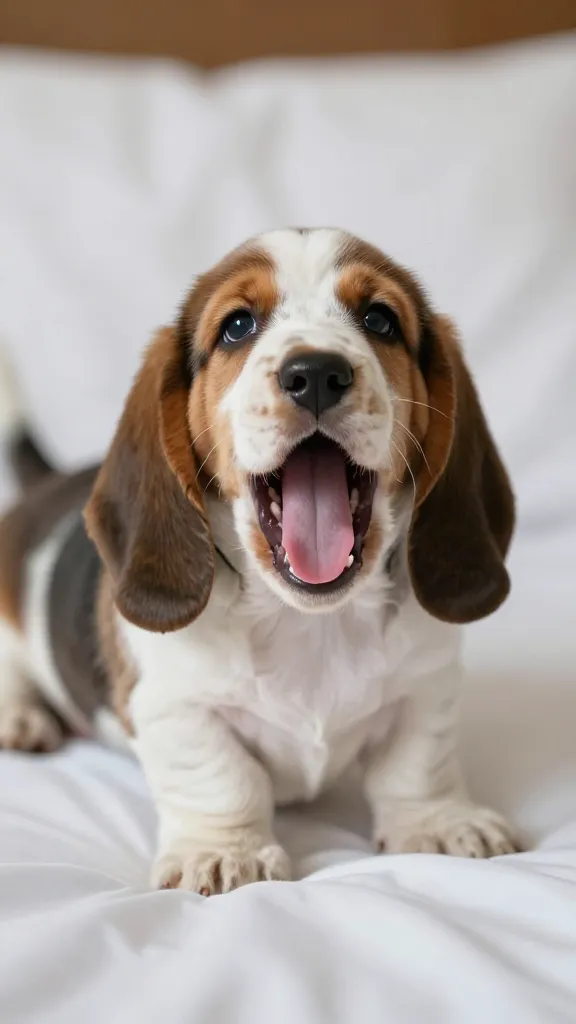
Those big floppy ears are adorable, but they’re also a magnet for wax, moisture, and a surprise yeast party if you ignore them.
– Check ears weekly for redness, smell, or discharge. If you notice anything abnormal, call the vet before it becomes a full-on ear invasion.
– Clean with a vet-approved ear cleaner. Use a soft cloth or cotton ball—never shove a cotton swab deep into the canal.
– Dry ears after baths or rainy walks. Moisture is love for yeast, and yeast is not your friend.
Subsection: Do-it-taster tips
– If you see waxy build-up, don’t panic. A gentle wipe with a damp cloth can help, but persistent gunk deserves a vet check.
– Avoid over-cleaning. Ears have natural defenses; you don’t want to strip them and invite irritation.
Hack 4: Socialization and manners without losing your mind
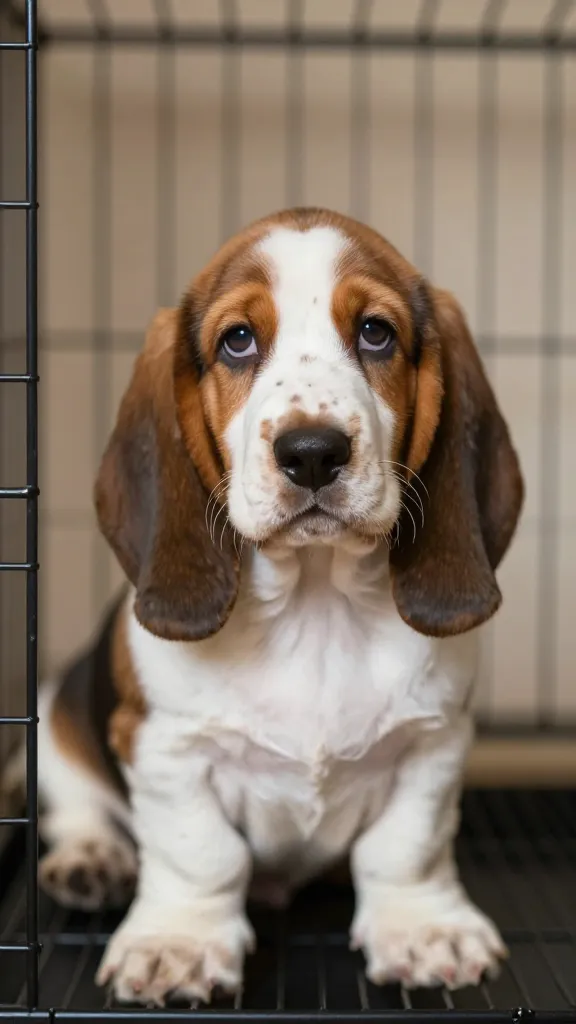
Basset Hounds are people-pleasers, but they’re also stubborn and a little loud. Proper socialization sets the stage for a well-behaved adult dog.
– Introduce new people, places, and scents gradually. Do short, positive experiences rather than marathon exposure.
– Enlist puppy classes or training sessions early. Short, upbeat sessions beat long, chaotic ones any day.
– Practice leash manners and polite greetings. Their sniffing habit is adorable until it’s not.
Subsection: Training with treats and voice cues
– Use a consistent cue for commands like sit, stay, and come. The more consistent you are, the faster they learn.
– Keep training sessions 5–10 minutes max. Puppies have short attention spans; you’re aiming for super-fast wins.
– Reward calm behavior, not just compliance. A puppy that sits and waits calmly is a win worth celebrating.
Hack 5: Grooming grooves—brush, bath, repeat
Basset Hounds shed like glamorous little prophets. Grooming isn’t just vanity; it helps keep skin and coat healthy, and it’s a bonding ritual.
– Brush at least a few times per week to remove loose hair and reduce matting. A slicker brush works nicely.
– Bathe them as needed—usually every 4–6 weeks unless they roll in something spectacular. Use a mild puppy shampoo to protect their skin.
– Clean the folds and wrinkles regularly with a damp cloth. Yes, their gorgeous face comes with extra creases that collect mud and snacks.
Subsection: Coat care and anti-shedding reality
– Don’t expect zero shedding. Bassets shed seasonally, and you’ll learn to track it like a tiny meteor shower on your rug.
– Consider a dedicated blanket or throw in your living space to catch the fur. It’s less dramatic than fur on your coffee table and your pants.
FAQ
How often should I take a Basset Hound puppy to the vet?
Puppies should have a vet visit soon after you bring them home and then follow the schedule your vet recommends. Regular checkups, vaccines, and deworming are essential in the first year. If something seems off, trust your gut and call the vet.
Are Basset Hound puppies good for small apartments?
They can be, with big caveats. You’ll need to commit to daily exercise, training, and mental stimulation. The key is a solid routine, plus access to a safe outdoor space or regular walks. Don’t assume “small space, big dog” equals chaos—plan, not panic.
What’s the best diet for a Basset Hound puppy?
Choose a high-quality puppy formula appropriate for their age and weight. Look for named animal protein as the first ingredient, avoid excessive fillers, and follow feeding guidelines but adjust based on growth and vet advice. IMO, regular weigh-ins help you catch weight issues early.
How can I tell if my puppy is in pain or sick?
Watch for changes in appetite, energy, bathroom habits, or behavior. If they’re limping, vomiting, or seem unusually lethargic, contact your vet. Early signs are easier to manage than late ones.
Do Basset Hounds have special training needs because of their scent-drive?
Yes, their nose is everything. They love following scents, which can make recall tricky. Use high-value rewards, short training bursts, and practice in low-distraction areas before adding more temptations.
Conclusion
So there you have it: five practical hacks, plus a little extra sub-nerdy grooming and training wisdom to boot. Basset Hound puppies aren’t just adorable; they’re bundles of personality with a healthy appetite for both mischief and affection. If you commit to routines, smart feeding, gentle grooming, and early socialization, you’ll build a partnership that’s worth every drool-soaked sofa moment.
FYI, the payoff isn’t just a well-behaved pup; it’s a best friend who’ll be by your side for years, snoring softly under your blanket and somehow still managing to look noble with those droopy ears. Ready to dive in? Your new best bud awaits, and they’re probably plotting the next snack heist already.