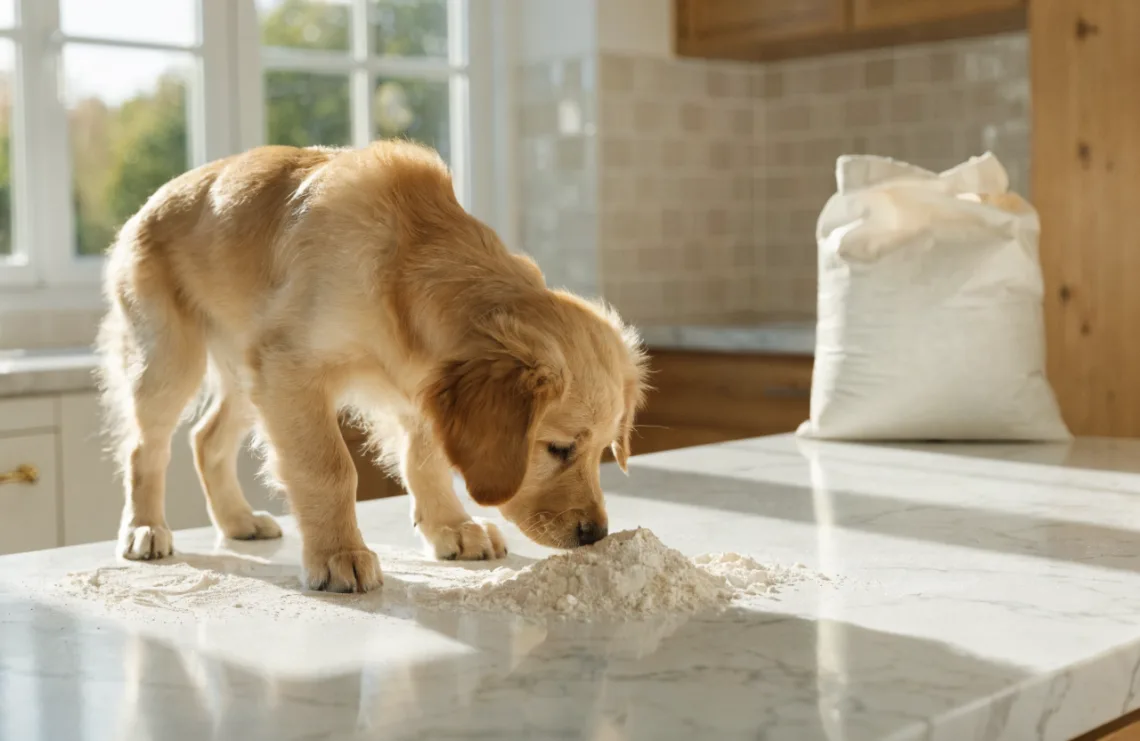
If you’ve ever wondered whether your pup can snack on all-purpose flour, you’re not alone. Flour is in tons of fridge and pantry staples, but dogs aren’t tiny humans with the same metabolism. Let’s cut through the hype and get real about safety, risks, and practical tips.
Can Dogs Have All-Purpose Flour? The Quick Truth
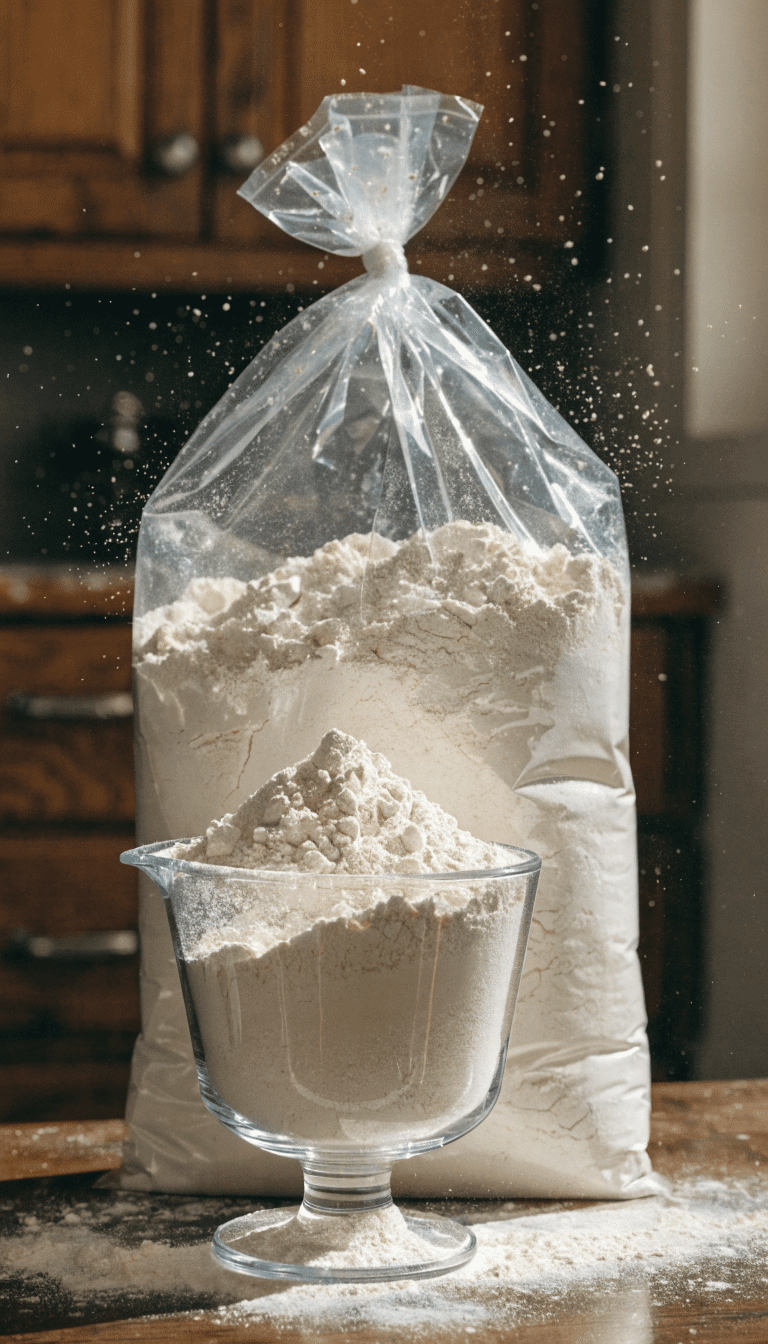
All-purpose flour isn’t poisonous to dogs in tiny amounts, but it isn’t a food group you should regularly rely on. Raw dough, in particular, is a red flag because it can rise in the stomach and trap gas. Flying off the shelves at the grocery store, sure—but should your dog nibble on it? Probably not. If a dog sneaks a little flour off the counter, it’s usually not catastrophic, but it isn’t ideal either. FYI, starch and gluten can be hard on dogs with sensitive stomachs.
Why People Even Consider Flour for Dogs
– Some bakers use flour-based treats to avoid grain-free diets.
– A tiny pinch might be part of a homemade treat recipe.
– People forget that flour is, essentially, a bland energy source with little nutritional punch for dogs.
But here’s the kicker: dogs don’t need refined flour to stay healthy. Their diets shine with high-quality protein, fats, and some fiber. Flour can be a bridge to baking goodies, but it shouldn’t be the backbone of a canine diet. So, if you’re eyeing a recipe that features all-purpose flour, approach with caution and aim for moderation.
What Happens If a Dog Eats All-Purpose Flour?
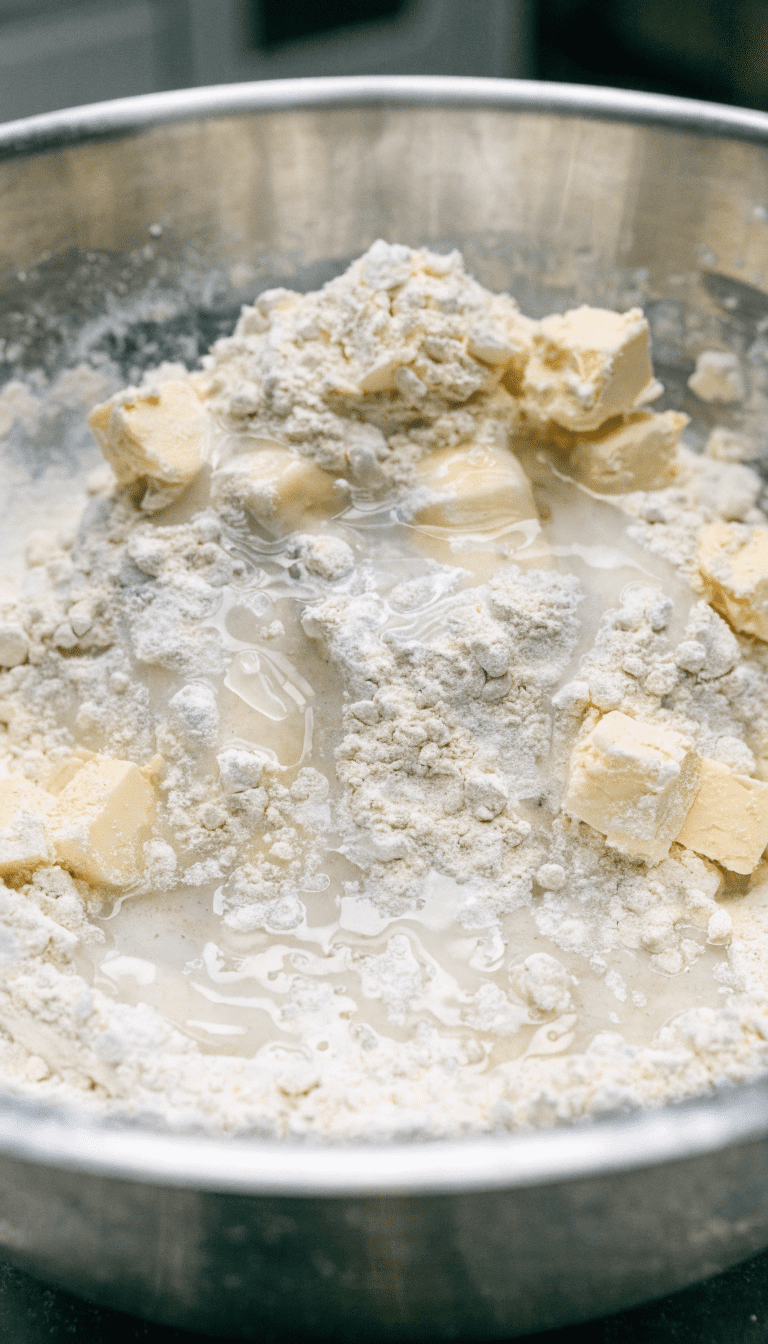
– Small amounts: Most dogs handle it fine. It may just pass through the system with little drama.
– Raw dough: This is a real danger. Yeast in raw dough can ferment and release gas, causing bloat or potentially dangerous stomach expansion. It can also continue rising in the stomach, which is not something you want to see.
– Allergies or sensitivities: Some dogs react to gluten or grain products with itching, GI upset, or diarrhea.
– Digestive upset: Flour can be a bit gnarly on a sensitive gut, especially when combined with other ingredients like sugar, butter, or dairy.
If your dog gobbled a spoonful of flour or a small amount of cooked flour in a treat, monitor for symptoms like vomiting, diarrhea, lethargy, or abdominal discomfort. If you notice anything concerning, call your vet.
Safe Practices: How to Use Flour (Or Avoid It) in Dog Treats

– Bake, don’t leave raw dough around: If you’re making dog-friendly treats, ensure the dough is cooked through. Raw dough is a no-go.
– Choose better flour options: Oat flour, rice flour, or almond flour can be gentler on some dogs’ stomachs than all-purpose flour. If your dog has allergies, discuss alternatives with your vet.
– Limit portion sizes: Treats should be a small percentage of daily calories. Even if you bake with flour, don’t overdo it.
– Watch for sugar and fats: Many human recipes add sugar, butter, or chocolate. Never give chocolate or xylitol to dogs. Keep treats simple and dog-safe.
– Use fortified or wholesome ingredients: Add peanut butter (without xylitol) or pumpkin to enhance flavor without loading on garbage calories.
– Observe how your dog does: Some pups tolerate flour just fine; others react. Always start with tiny amounts and watch.
Subsection: Gluten Sensitivity and Your Dog
Do dogs get gluten intolerance?
Yes, some dogs have gluten-sensitive enteropathy or non-celiac gluten sensitivity, just like people. If your pup shows chronic GI issues after eating wheat-based products, talk to your vet. Common signs include chronic diarrhea, vomiting, bloating, or weight loss.
Alternatives if gluten is a problem
– Use gluten-free flours like rice, chickpea, or coconut flour (number of eggs or binders may differ, so follow a dog-friendly recipe).
– Consider commercial dog treats that are specifically formulated and tested for gluten sensitivity.
– Discuss a protein-rich, digestible diet that reduces irritants and improves gut health.
Homemade Treats: A Practical Guide
– Simple peanut-butter biscuits (xylitol-free): Mix peanut butter, an egg, some pumpkin, and a little flour. Bake till firm. Use small shapes and let cool.
– Banana-oat cookies: Oats, mashed banana, a splash of water or chicken broth, bake until set.
– Training bites: Use a small amount of flour to bind soft ingredients, but keep overall calories in check.
Tips for success:
– Read labels: Avoid xylitol, chocolate, macadamia nuts, grapes, and raisins. These are toxic to dogs.
– Portion control: Treats should be no more than 10% of daily calories. The rest should come from a complete dog food.
– Introduce gradually: If changing from store-bought to homemade, mix small portions at first and watch for GI issues.
– Store safely: Keep treats in an airtight container and away from pests.
What About Commercial Dog Treats with All-Purpose Flour?
Some store-bought treats include all-purpose flour as a base or filler. The key is to check ingredients:
– Look for high-quality meat as the first ingredient.
– Ensure there’s no added sugar or artificial sweeteners.
– Avoid anything with artificial flavors or preservatives that could upset a dog’s stomach.
– If your dog has a sensitive stomach or allergies, opt for simple, limited-ingredient treats.
If a bag says “flour-based,” don’t panic, but do read the ingredient list. If everything looks reasonable and your dog handles it well, it’s probably fine in moderation. If not, try grain-free or alternative-flour options and watch the response.
Common Questions People Ask (FAQ)
Is all-purpose flour toxic to dogs?
Not inherently toxic in tiny amounts. The bigger concern is raw dough, which can rise and cause gastrointestinal distress or bloat. If your dog eats a lot of flour or raw dough, contact your vet.
Can my dog eat flour-based cookies I baked for humans?
Occasionally, a small bite won’t hurt if the cookie is simple and doesn’t contain harmful extras (like chocolate, xylitol, nuts that are dangerous for dogs). But avoid feeding them sugary or fatty human foods. Keep it occasional and portion-controlled.
What flour is best for dogs with sensitive stomachs?
options include oat flour, rice flour, or chickpea flour. These can be gentler than all-purpose flour for some dogs. Always test in small amounts and monitor for GI issues.
How much flour is safe to give my dog?
There’s no exact “safe” amount; it depends on the dog’s size, health, and tolerance. A cautious approach: tiny amounts in a dog-friendly, cooked treat, not a daily staple. If you’re making a new recipe, start with a small portion and see how they do.
What should I do if my dog eats raw dough?
Call your vet or an emergency clinic immediately. Raw dough can expand in the stomach and cause dangerous gas buildup. Bring the package or recipe if you can, so they know what ingredients were involved.
Are there better ingredients for baking dog treats than all-purpose flour?
Yes. Consider grain-free bases or dog-safe flours like rolled oats, almond flour (unsweetened, dog-safe), or sweet potato-based mixes. Also, look for recipes that emphasize protein and fiber while staying low in sugar and fat.
Conclusion
So, can dogs have all-purpose flour? They can, in tiny, cooked, and carefully chosen amounts. The bigger picture is that flour isn’t a necessary staple in a dog’s diet, and raw dough should be avoided like a vet appointment you’re not excited about. If you’re baking for your pup, prioritize dog-safe ingredients, keep portions small, and watch for any GI hiccups. If anything worries you, call your vet—better safe than sorry. IMO, a few delicious homemade treats here and there beat store-bought junk any day, as long as you keep it smart, balanced, and dairy-free when needed.
If you enjoyed this chat, share your favorite dog-friendly flour recipe in the comments or send a pic of your latest bake. And FYI, your pup will probably forgive you for the occasional floury paw print on the kitchen floor.