
Dogs and mangos might seem like an odd couple, but your pup can sniff out a tasty treat from time to time—if you do it right. Let’s cut to the chase: Can dogs eat mangos? Yes, but with caveats. This article breaks down the safe ways to share this fruity goodness and what to watch out for so you don’t turn a
snack into a vet visit.
Why mangos are even on the radar for dogs
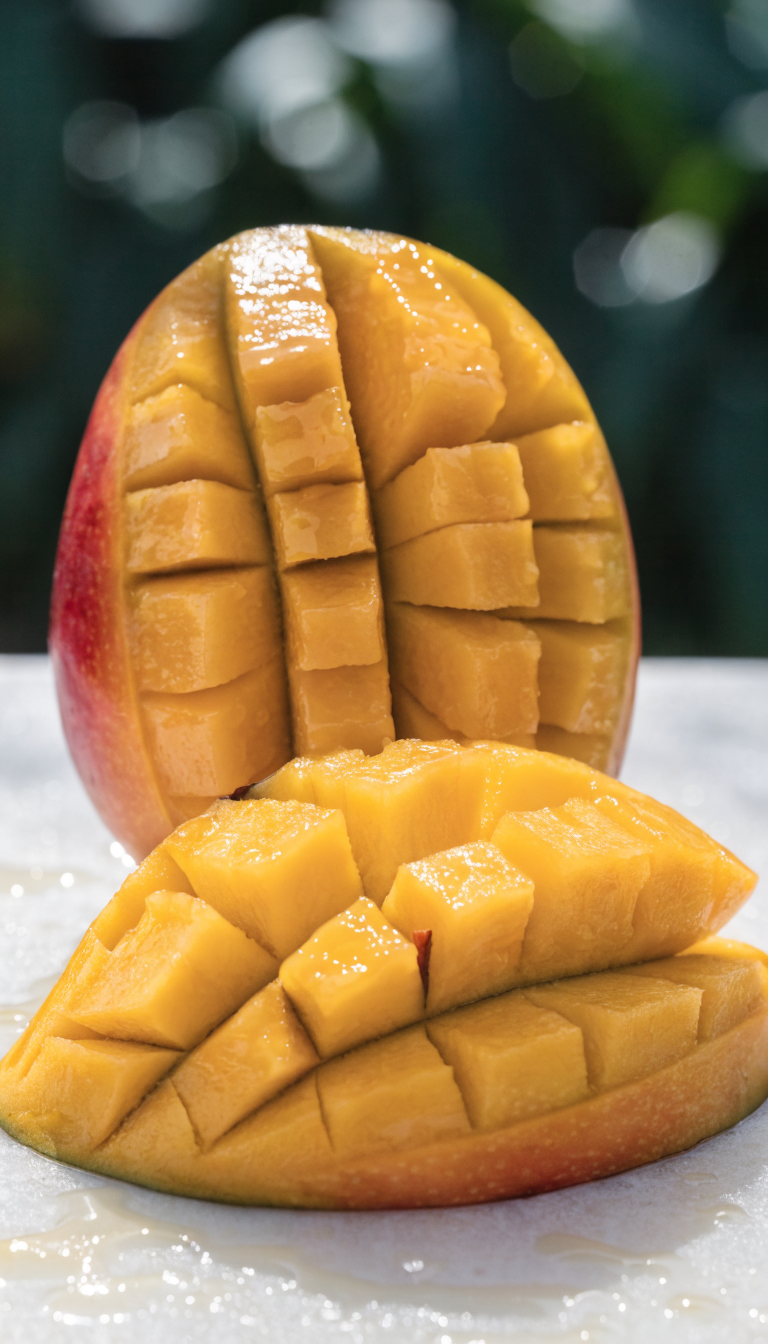
Like humans, dogs crave variety. Mangos bring natural sweetness, some fiber, and vitamins like A and C. FYI, moderation is key: too much fruit can upset a pup’s tummy or add unnecessary sugar. Think of mangos as the occasional dessert, not a staple snack.
Best way to prepare mangos for dogs
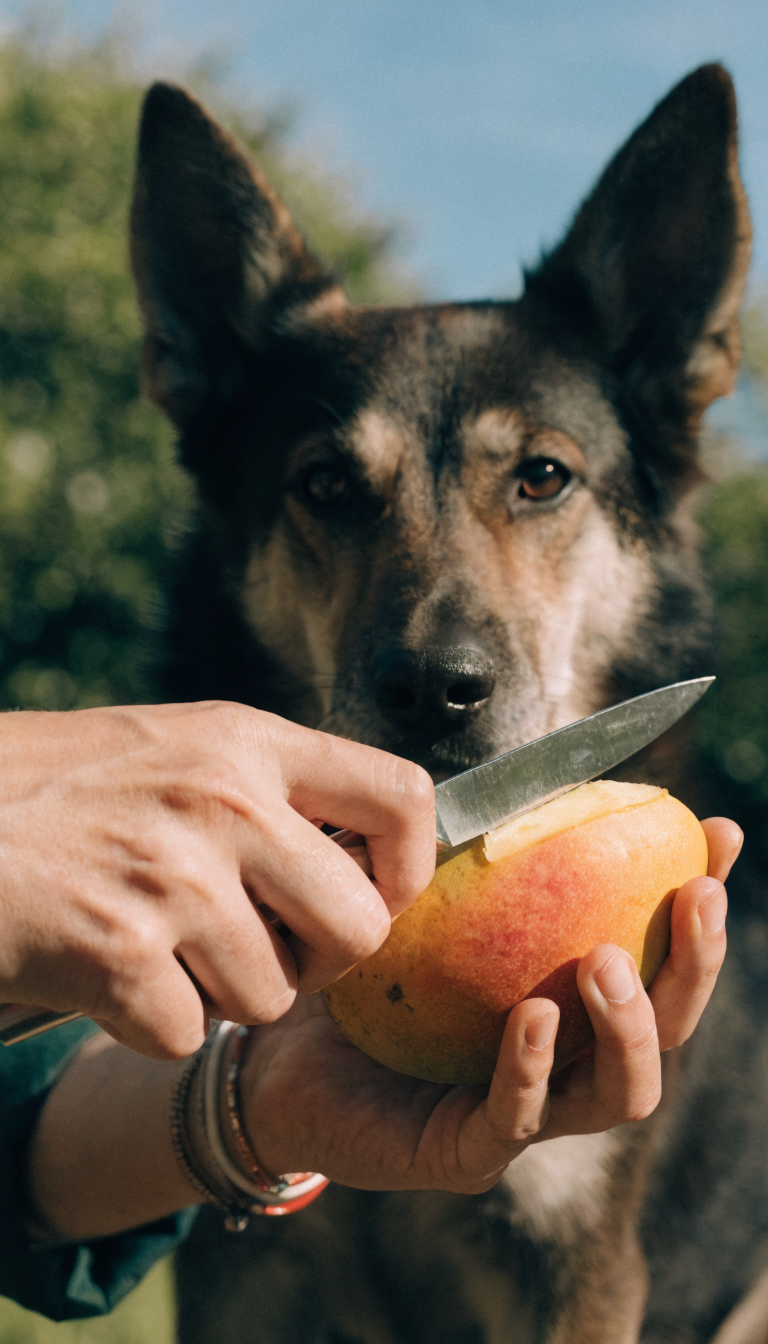
Preparing mangos properly protects your dog from choking hazards and nasty bits. Here’s the easy, safe method.
- Choose ripe mangos that give to gentle pressure but aren’t mushy.
- Peel the mango completely. The skin can be tough and irritating for sensitive stomachs.
- Slice off the large, flat pit and discard it. It’s slippery and can cause choking or intestinal issues.
- Cut the fruit into small, bite-sized cubes. Tiny pieces reduce choking risk and help with portion control.
- Offer plain mango with no added sugar, salt, or spice. Your dog doesn’t need extra flavor enhancers.
How much mango is too much?

Portion control matters, especially for dogs with sensitive tummies or diabetes risk. A good rule of thumb: a few small cubes as an occasional treat, not a daily habit.
Guidelines by weight
- Small dogs (up to 15 lbs): 1–2 small cubes per day, or a couple of times a week.
- Medium dogs (15–45 lbs): 2–4 small cubes per day, max a few times weekly.
- Large dogs (over 45 lbs): 4–6 small cubes per day, no more than a few times weekly.
Watch for sugar spikes
Fruit is tasty, but it’s basically nature’s candy. If your pup has weight concerns or a tendency to gain weight, scale back. IMO, fruit should be a tiny feature, not the main course.
Potential risks and red flags
No food is perfectly safe for every dog. Here are the common concerns with mangos.
- Choking hazard: Large chunks or the pit can trap in the throat or cause an intestinal blockage.
- Pit and skin dangers: The pit contains substances that can be tough to digest, and the skin can be fibrous.
- Digestive upset: Some dogs balk at fiber-rich foods and might get loose stool or gas.
- Allergies: Like people, dogs can be allergic to mango. Start small and monitor for itching, swelling, or vomiting.
Do mangos affect dogs’ digestion or energy?
Mangosteen-level energy? Not exactly. Mango’s fiber can help with digestion in small doses, but too much can backfire. If your dog already has sensitive digestion, start with a single tiny piece and wait 24 hours to watch for reactions.
When to skip mango entirely
- If your dog has diabetes or weight concerns.
- If your dog has a history of pancreatitis or colon issues.
- If your dog has a known mango allergy.
Creative ways to incorporate mangos into treats
If you’re itching to mix up treat time, mango can be a mild star in several friendly formats.
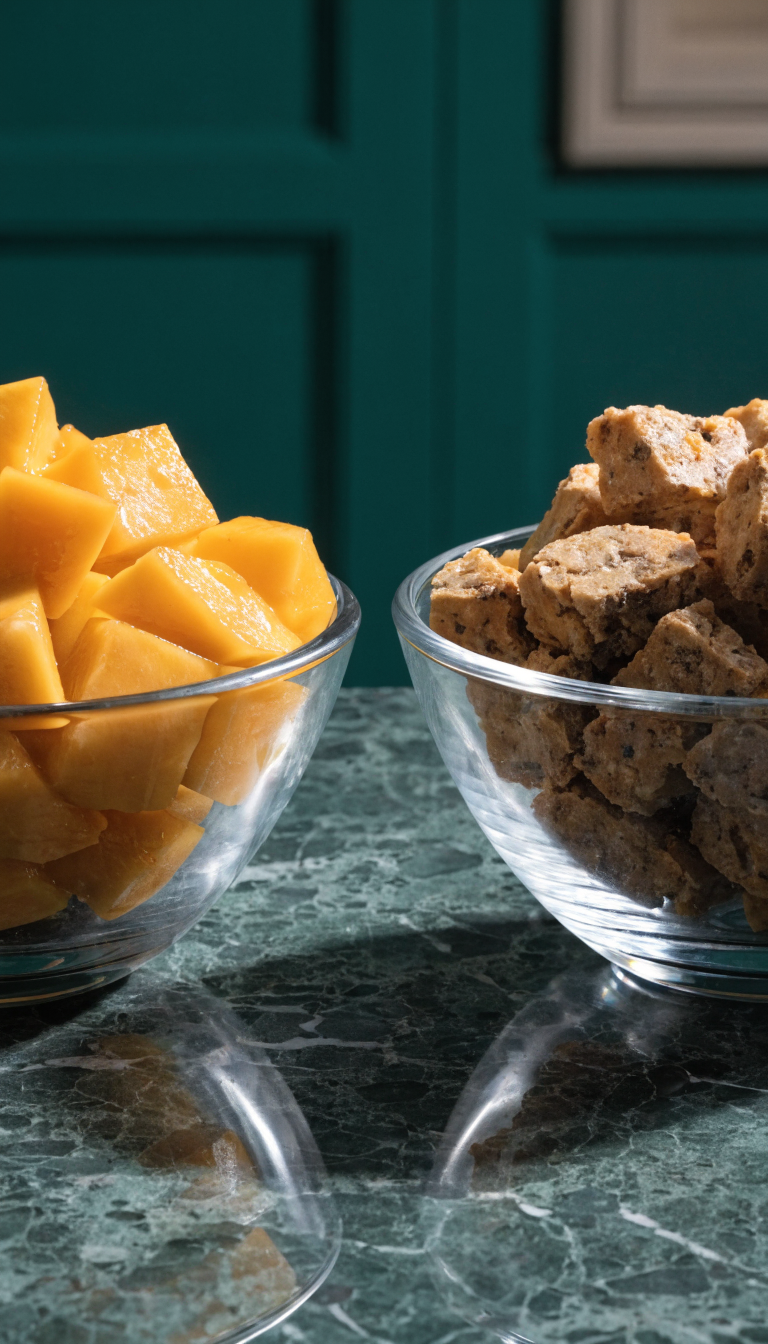
- Frozen mango cubes: A refreshing chew on hot days. This can help with teething for puppies too.
- Mango yogurt pops: Use unsweetened yogurt and chopped mango for a cool snack.
- Blend with plain pumpkin or oats for a smoothie bowl topping your dog will approve.
- Mix into homemade dog-friendly recipes in small amounts to add natural sweetness.
To err on the side of caution: clean handling tips
Pure, clean, fresh mango matters. Here’s how to minimize risk.
- Wash the fruit thoroughly to remove pesticides or residues.
- Remove the skin and pit; never feed whole mango slices with the pit present.
- Keep portions under control and don’t replace meals with fruit.
- Introduce mango gradually; if you see vomiting, diarrhea, or lethargy, stop feeding and contact your vet.
FAQs about dogs and mangos
Can all dogs eat mango, or are there exceptions?
Most dogs can enjoy mango in small amounts, but puppies, seniors, or dogs with digestive issues should be monitored more closely. If your dog has a health condition or is on a special diet, check with your veterinarian before introducing mango.
Is the mango skin safe for dogs?
Nope. The skin can be fibrous and hard to digest, and it can irritate the gut. Always peel the mango before offering it to your pup.
What if my dog eats a lot of mango at once?
If they devour a big piece, watch for signs of upset—vomiting, diarrhea, or coughing. If symptoms are severe or persist, contact your vet. FYI, a single large dose can upset even the friendliest stomach.
Can mango pits harm dogs?
Yes. The pit can cause choking or intestinal blockage. It also contains substances that are not digestible. Always remove the pit completely before offering any mango piece.
What about mango for dogs with diabetes or weight issues?
Mango is high in natural sugars. For dogs with diabetes or weight concerns, treat mango as an occasional, tiny snack—not a regular habit. If in doubt, consult your vet for personalized guidance.
Could mango interact with medications?
There isn’t a common interaction, but it’s wise to check with your vet if your dog is on medications or has a special diet. Better safe than sorry, right?
Conclusion
MangO on, you’re not banishing joy from snack time—you’re adding a controlled, delicious option. The key is moderation, proper prep, and watching for the pup’s individual quirks. If you treat mango like a rare, fancy garnish rather than a daily dessert, your dog will thank you with wagging tails and enthusiastic licks. So, next time you’re slicing up fruit, consider a few tiny mango cubes for your best friend—just keep it simple, safe, and savory.