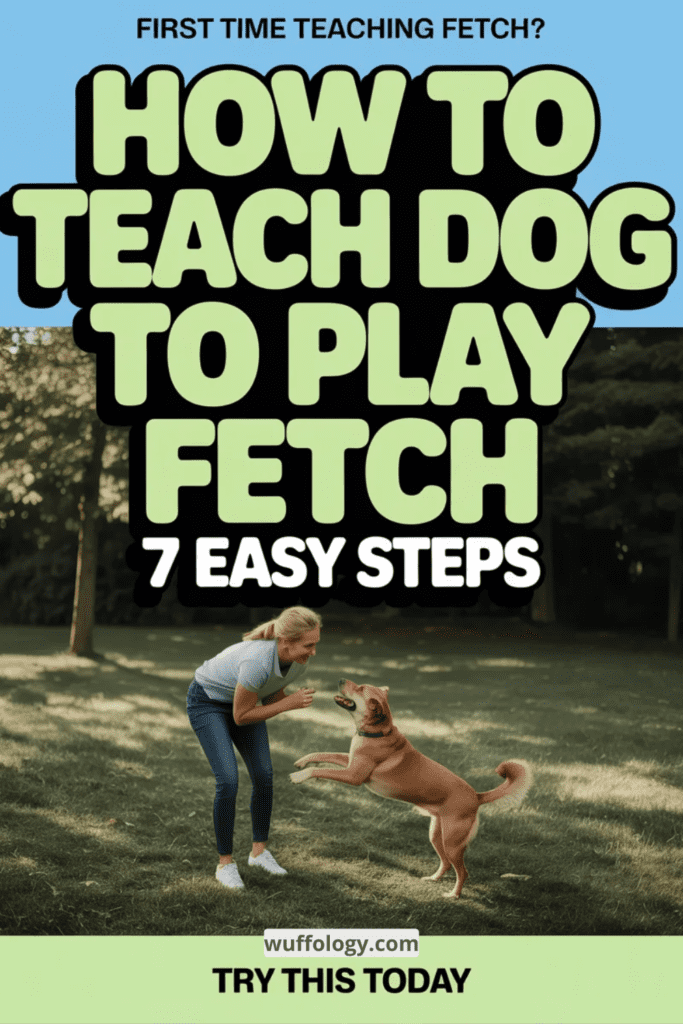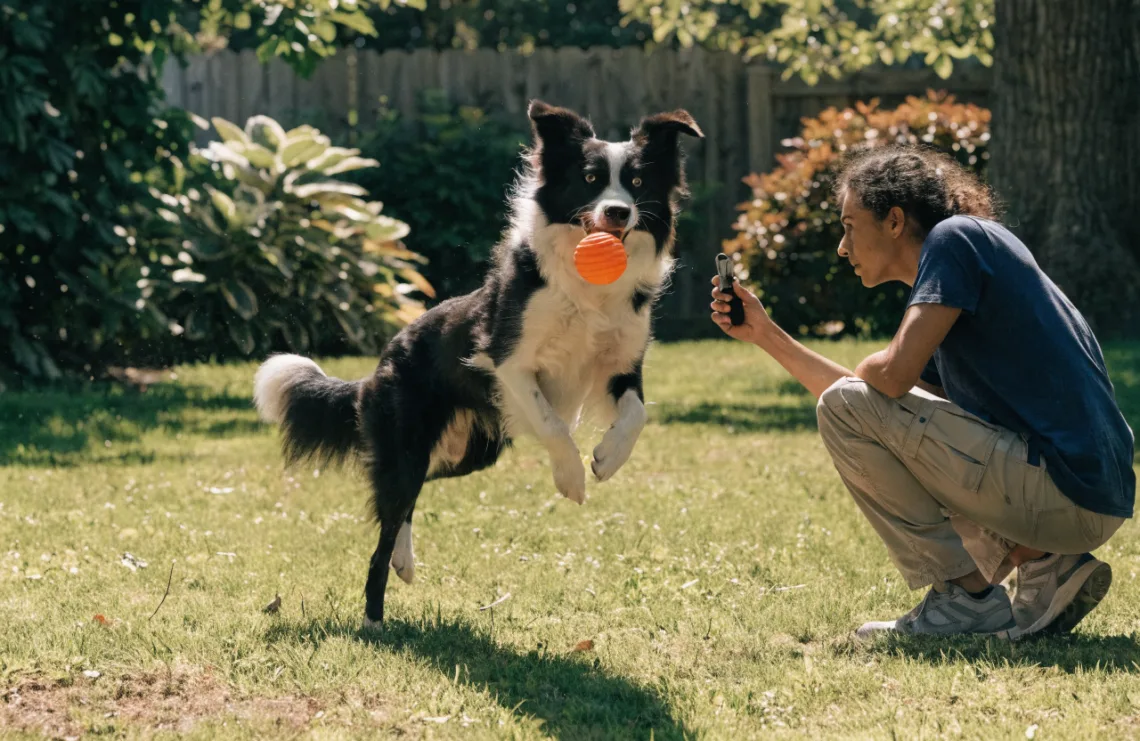
It only takes one afternoon to turn a bored pup into a fetch fanatic. Yes, really. You’ll see more tail wags, fewer side-eye glances, and a dog that actually returns the ball instead of chasing a squirrel into the horizon. Ready to unleash fetch mastery? Let’s dive in.
Set up for Success: Gear, Space, and a Quick Plan
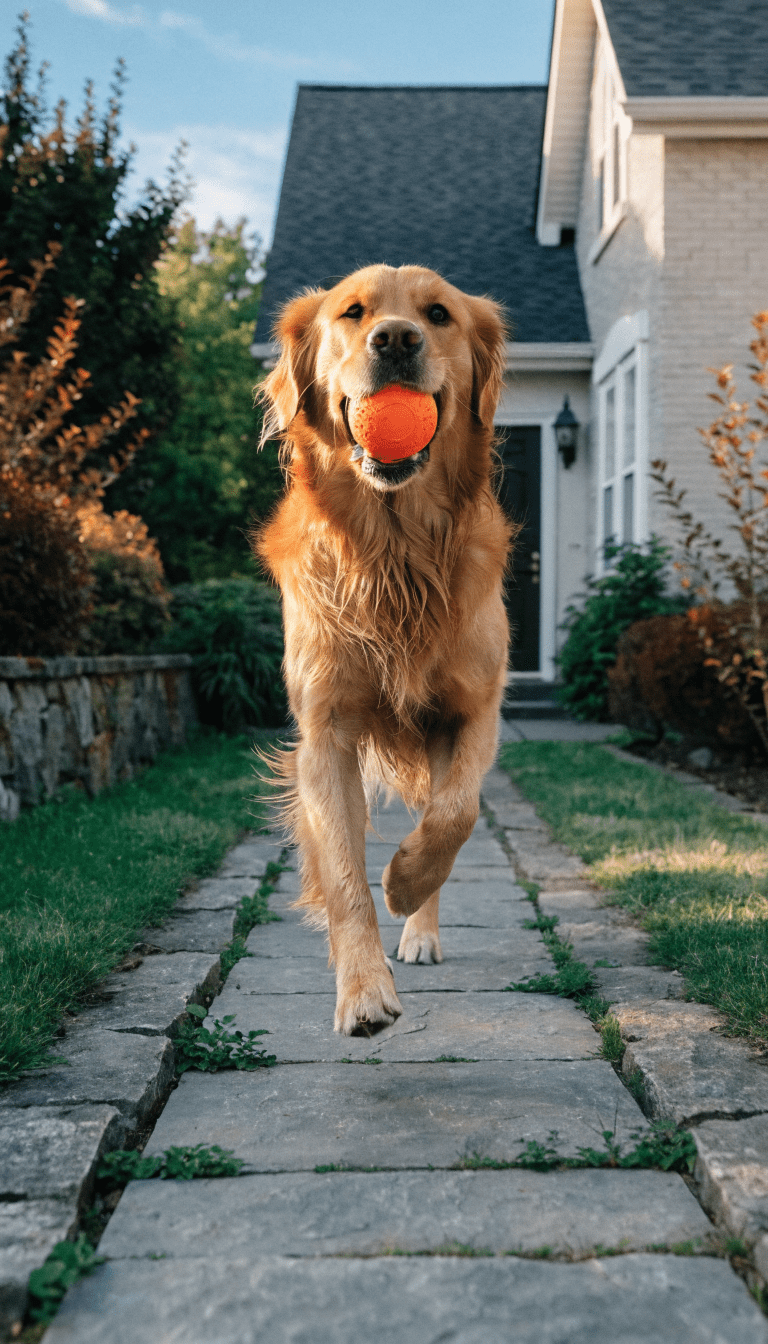
– Before you even throw the first ball, prep the scene. Pick a safe, familiar space—backyard, quiet park, living room with a clear path. Remove hazards and give your pup a clear runway.
– Gather a few simple tools: a couple of sturdy fetch toys your dog actually loves, a handful of treats, a clicker if you use one, and a measuring tape to gauge distance as you progress.
– Create a loose plan for the afternoon. You don’t need a formal lesson, just a rough map: warm-up, short throws, distance work, and a simple return cue.
Subsection: Pick Your Weapon of Choice
– Some dogs crave a soft plush. Others roar for a rubbery squeaky ball. Some prefer a Frisbee. If your dog ignores a toy you love, switch to something they adore. FYI, variety keeps things fresh and reduces boredom.
1) Warm-Up Like a Pro: Engage Mind, Not Just Paws
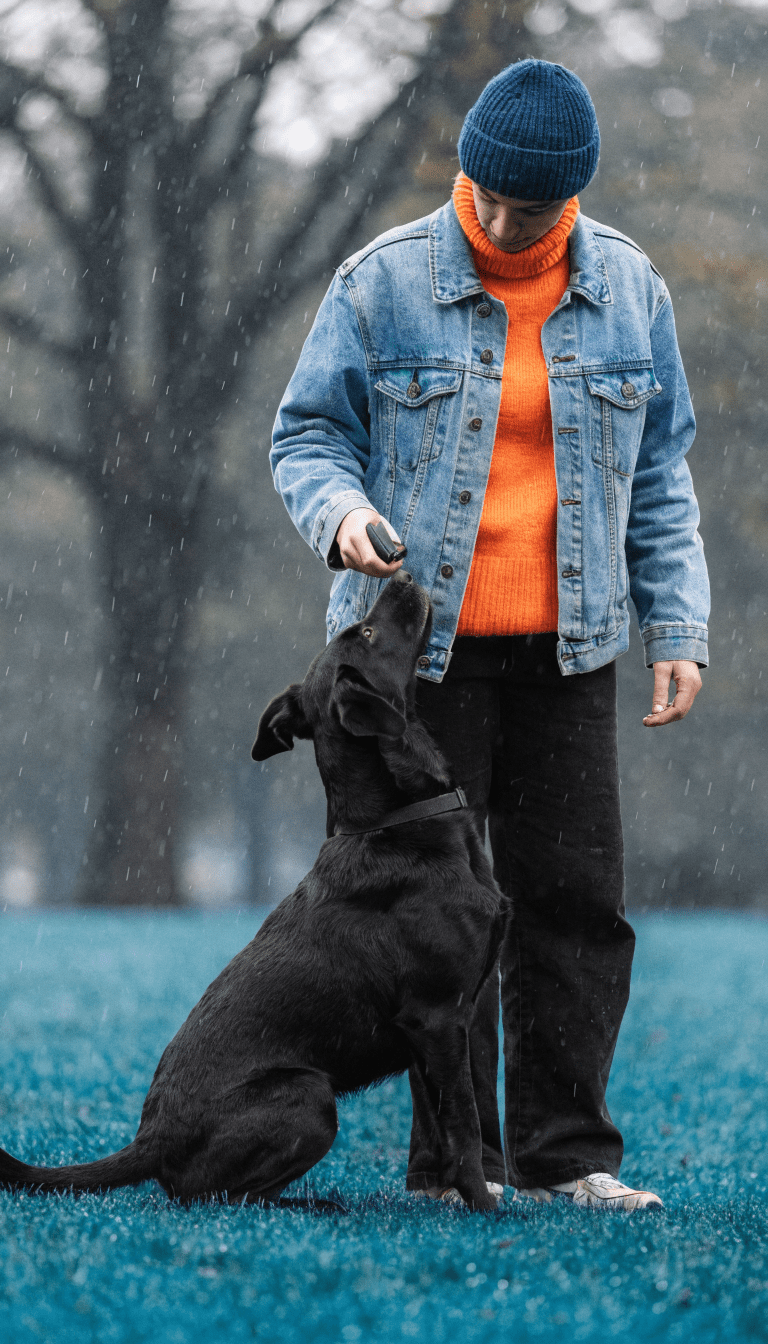
Start with a quick energy burn and mental warm-up. A dog who’s ready will fetch with enthusiasm instead of hesitation.
– Do 2–3 minutes of easy tug or a quick sniff-and-mounce routine to wake up the brain.
– Practice a few simple cues nearby: “sit,” “stay,” “come.” If your dog tunes you out, you’re not ready to throw.
– Finish with a quick chase in a small circle to build anticipation.
Why this matters: a warm-up lowers anxiety and increases your dog’s focus on the task. You want eager, not overwhelmed.
2) The Gentle First Throw: Make Fetch Feel Like a Game, Not a Chore
The first throw should be short, rewarding, and fail-proof. The goal is to create a grab-and-return loop in your dog’s brain.
– Start with a short toss, 5–8 feet max. Use a toy that’s easy for your dog to grip and carry.
– As soon as your dog picks up the toy, call “come” or use a cue you know they respond to. If they pause, don’t scold—encourage.
– Reward immediately when they bring it back. A high-value treat or enthusiastic praise works wonders. The key is timing: reward within a second or two of the return.
– If your dog drops the toy on the way back, don’t scold. Pick it up, give a quick word cue, and try again from a closer starting point.
Bonus tip: keep the throws low and predictable at first. Frustration-free is the name of the game.
3) Establish a Simple Retrieval Rule: “Return to Me, Then Drop”
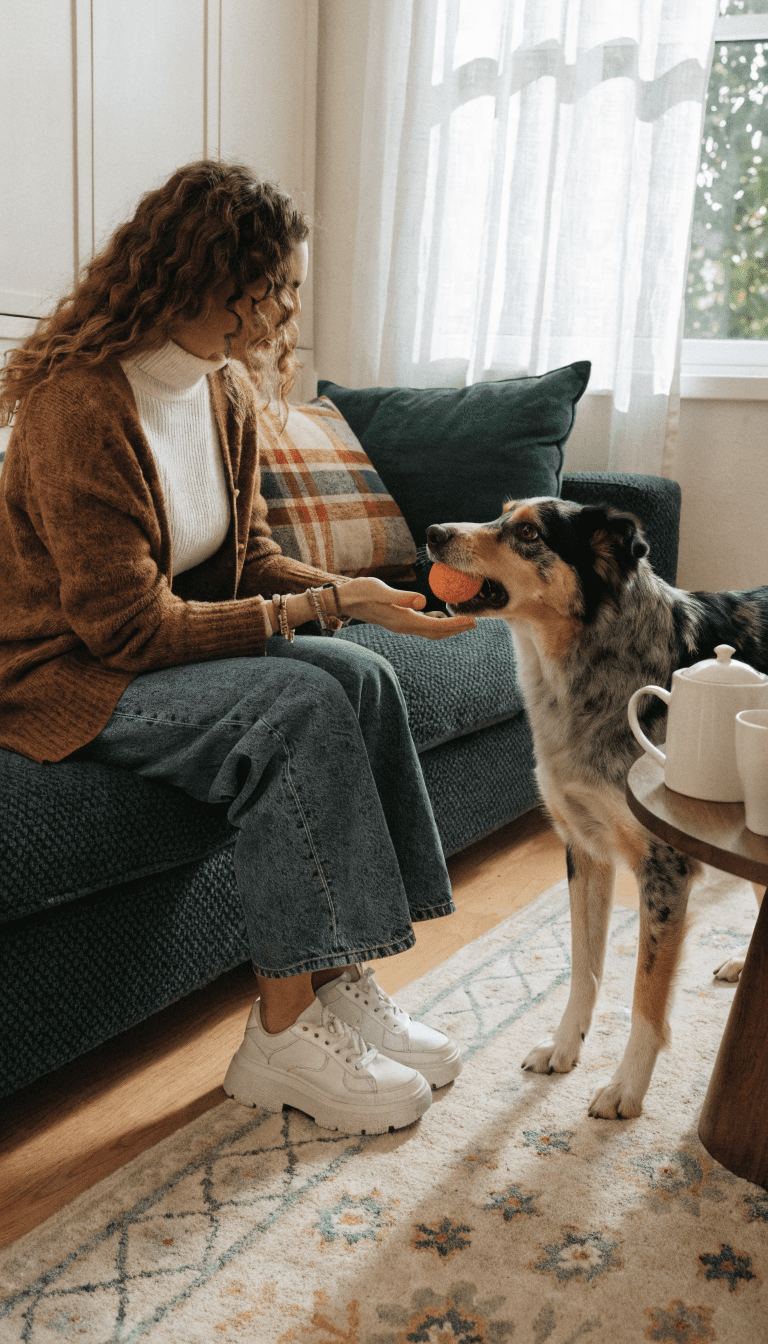
A clean rule helps prevent your dog from turning fetch into a zigzag race around the yard.
– Use a basic command like “bring” or “return.” When your dog returns with the toy, immediately cue “drop” or “leave it” near your feet.
– Reward the drop with a treat and lots of praise. If your dog learns to return consistently, you can gradually add distance.
– If your pup tends to run past you with the toy, pivot your body to face them and call your cue. Dogs love a bit of drama, but keep it playful.
This rule gives you two moments to shine: the return and the drop. When both are reliable, you’ve got a fetch routine you can scale.
4) Build Confidence with Short Bursts: Distance, but Not Discord
Distance is the enemy of frustration—too far, and your dog loses focus. Build it in baby steps.
– Move the throw mark from 5 feet to 15 feet over several runs. Don’t rush. If your dog looks confused or distracted, drop back to the last distance that always worked.
– Use two or three toys during these practice rounds to keep things exciting. Alternate toys to prevent boredom and to keep your dog engaged.
– Introduce a “home base” cue, like sitting by your side after a successful fetch. Your dog learns to associate the return with a specific location, making the routine smoother.
If you notice your dog losing interest, switch to a game of chase with the ball in a fun loop. Keep energy high and positive.
5) Turn Frustration into Focus: Handling a Return that Stalls
Sometimes your pup brings the toy but freezes at your feet, or balks at dropping it.
– Quick fix: reset with a tiny reset cue like “sit” or “stay” for a moment, then reward the return with a treat-only sequence, not the toy. This reinforces the behavior you want (returning) without getting stuck on the drop.
– If your dog runs away with the toy, two options work well: step into their space and offer a tempting treat behind your leg (they’ll often release for the treat), or call them back with a favorite cue and reset.
– Keep treats highly valued. If a low-value treat slips in, your dog may learn to skip the return. IMO, the payoff has to be worth it.
6) Add Some Tricks to Keep Things Fresh
Variety keeps your dog excited about fetch and helps generalize the behavior to different environments.
– Teach a “drop and trade” game. When your dog returns, offer a treat in exchange for the ball. This reduces the chance of guarding the toy and builds good trading behavior.
– Practice in different locations: a living room, a hallway, a park bench area. Different textures and noises keep your dog mentally engaged.
– Turn fetch into a mini obstacle course: a few cones to weave through, a quick tunnel, or a low barrier to hop over. Short, fun bursts beat long, boring drills.
Subsection: The “One Afternoon” Challenge
– Set a timer for the main practice blocks: 15 minutes of warm-up, 15 minutes of short throws, 10 minutes of distance work, and 10 minutes of trick variation. That’s one solid afternoon session without burning out your pup.
7) Wrap-Up, Review, and Real-World Tips
Before you call it a day, do a quick debrief with your dog. Short, positive, and repeatable.
– End on a high note. A final successful fetch round helps your dog associate the afternoon with joy, not frustration.
– Keep the training consistent but flexible. If a method isn’t working, switch it up without scolding. Dogs respond better to gentle adjustments than harsh corrections.
– Hydration and rest matter. A tired, hydrated dog is a happy fetcher.
Subsection: Troubleshooting Common Fetch Fails
– If your dog won’t return: make the toy more rewarding than the potential prize of running away. Increase value of your rewards and reduce distance.
– If they bring it but won’t drop: use the “trade” trick or place a treat behind your knee to encourage the drop.
– If they excitedly chase but won’t pick up: choose a more enticing toy, or practice a two-step approach (go to the ball, touch it with the nose, then pick up).
FAQ
Q: My dog won’t bring the ball back consistently. What should I do?
Focus on the return cue and reward timing. Start with very short throws, and reward the moment they return with the toy, then reward again when they come to you. Keep sessions short and fun, and use high-value treats to entice the return.
Q: How do I handle a dog that loses interest halfway through the afternoon?
Keep it light and switch things up. Short, energetic bursts beat long, repetitive drills. End on a high note and save the rest for another session. FYI, a tired dog is a happy dog—within reason.
Q: Can I teach fetch indoors?
Yes, but choose a safe, clutter-free space. Use soft toys to avoid damage and set strict boundaries. If space is tight, practice short throws and quick returns to maintain pace and interest.
Q: How old should my dog be to learn fetch?
Most dogs can start learning basic fetch around 8–12 weeks, with adjustments for breed and energy level. Always consider your individual pup’s development and avoid overly strenuous sessions on tiny joints.
Q: Is fetch training suitable for senior dogs?
Absolutely, with adjustments. Shorter sessions, slower paces, and toys that are easy to grip work well. The goal remains the same: gentle mental and physical engagement, not exhaustion.
Conclusion
Fetch isn’t just about impressing your dog with how fast you throw. It’s about building a shared language, confidence, and a routine that makes your pup genuinely enjoy playtime. With a little prep, a lot of positivity, and these seven frustration-free steps, you’ll have a fetch-loving pair by the end of the afternoon. So grab the toys, clear a space, and get ready to celebrate the treasure hunt that is your dog’s return. You’ve got this.