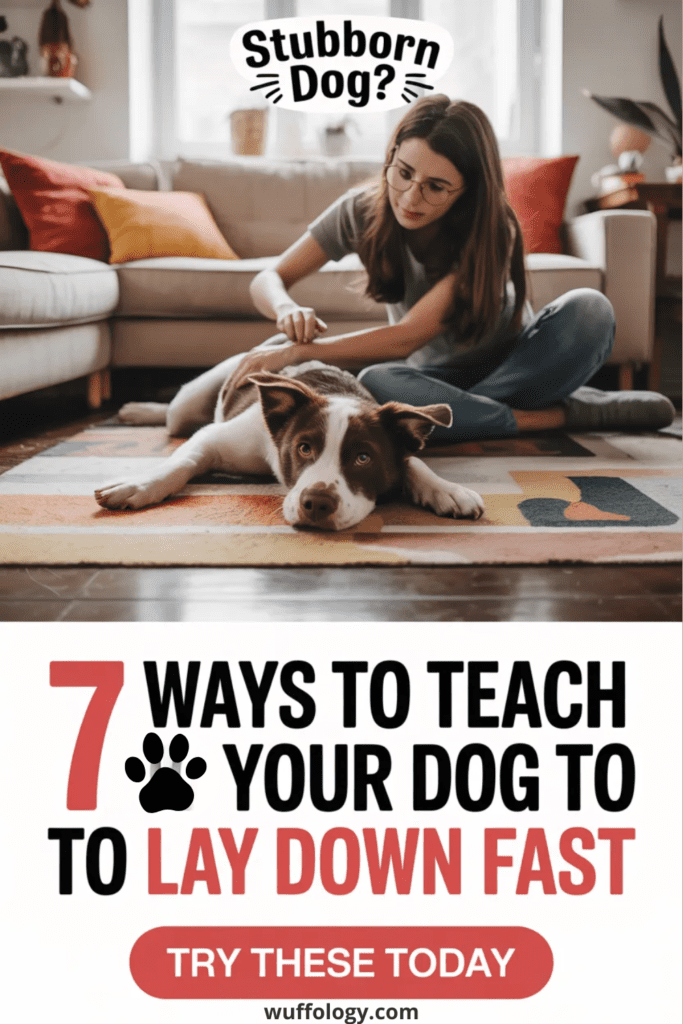
A quick laydown on the ground and a wagging tail later, your pup will be laying down like a champ. No drama, no endless repeats. You’re about to unlock 7 genius tricks that work fast—even with stubborn dogs. Let’s get your sofa-snuggling, couch-drifting, nap-having dog to lay down in record time.
1) Nail the “Why” Before the How

You don’t train a dog to listen; you train them to understand. If laying down signals comfort, safety, and reward, they’ll catch on faster than you can say “treat.” Start by explaining the payoff in simple terms.
– Keep sessions short and upbeat.
– Use a consistent cue like “Down” or “Lay.”
– Pair the cue with a bright reward they genuinely crave.
Ask yourself: does it feel like a game they want to win? If yes, you’ve got momentum. If not, switch up the reward or the timing until it lights up their brain.
2) The Classic Tuck-and-Slide: Move with Lure, Deposit with Reward
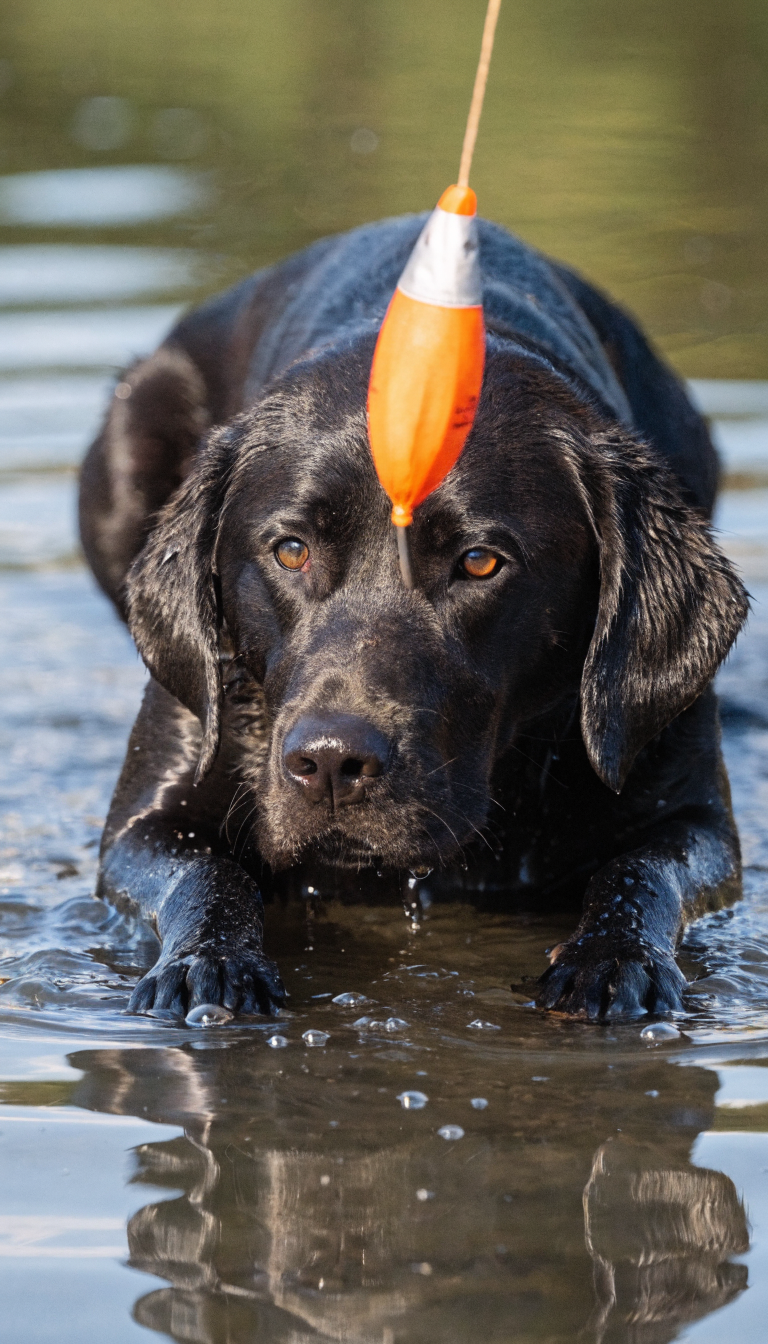
This is the bread-and-butter approach, but with a twist that works on stubborn pups.
– Stand or kneel at your dog’s shoulder level. Show a tasty treat or a favorite toy.
– Slowly move the reward from your dog’s nose toward their chest and then to the ground, guiding their body to follow. The “slide” should feel natural, not forceful.
– Once they’re fully down, praise instantly and give the reward.
Tips to avoid common issues:
– If they stand up, reset: stand up, make eye contact, and start again from a neutral position.
– Keep your arm movement calm and deliberate; no dramatic scoops.
- Short, frequent reps beat long, boring sessions.
- Always end on a success, even if tiny.
3) The Sit-Then-Lay: Bait-and-Relax Technique
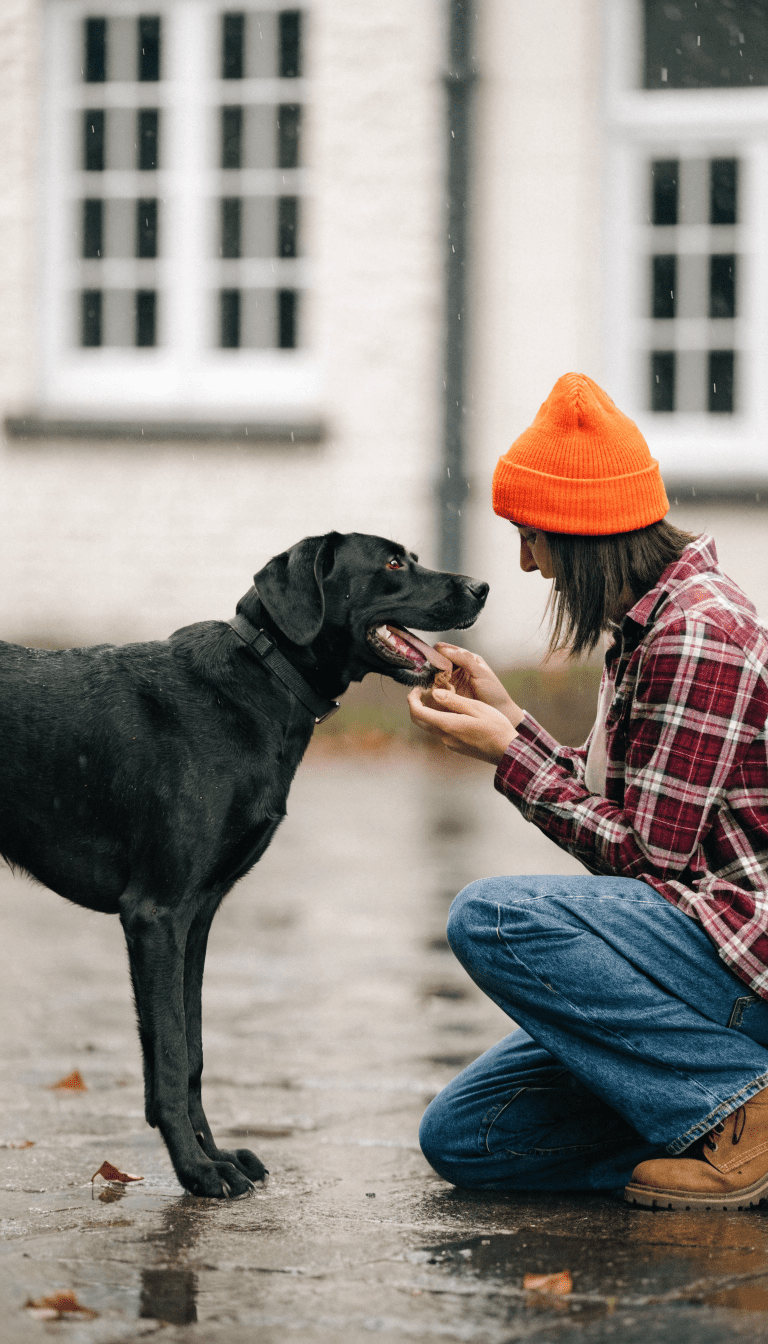
Sometimes your dog sits and stalls at “down.” This method uses momentum and calm release.
– Start with a quick sit, then cue “Down.”
– Use a slower, deliberate hand motion to guide them from sit to down.
– If they resist, pause, breathe, and reward even the smallest shift toward laying.
Why this works: your dog learns that performing the full sequence leads to relief and treats, not brain-busting repetition. FYI, pacing is everything here—too fast and you’ll spark frustration.
Deep Dive: Timing Your Rewards
– Rewards should land within 1-2 seconds of the behavior.
– If your dog hesitates mid-move, a soft verbal cue like “Yes!” can speed up the transition before the reward.
4) The “Down with Distance” Drill for Busy Dogs
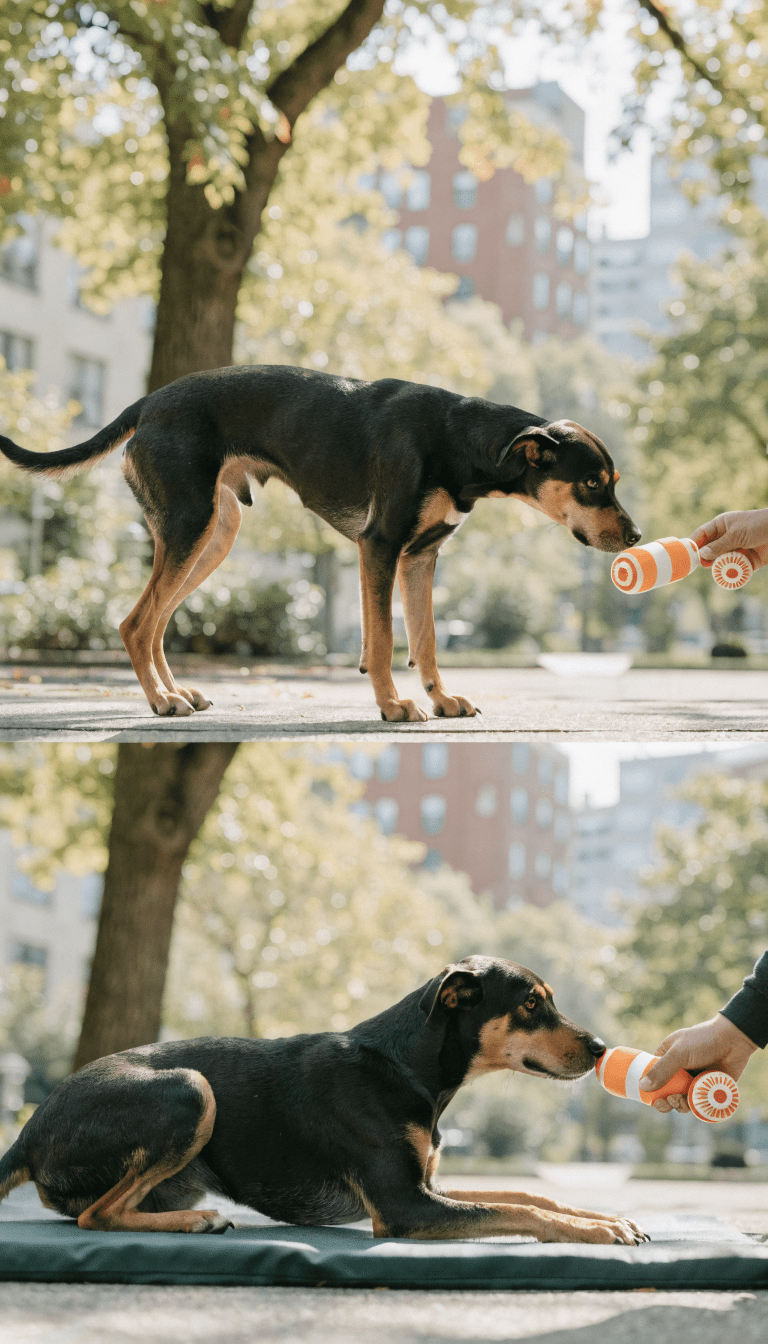
If your pup likes to run to you for treats, make them earn the couch corner lay from a distance.
– Sit with a treat in your hand, arms extended toward your dog at a short distance.
– Give the cue and guide their furthest point toward the ground with steady volume in your voice.
– When they lay down, you sprint the reward to their nose or toss a favorite toy nearby.
This teaches impulse control and makes the trick transferable to real life—like when you’re trying to keep them calm in a busy park.
5) The Mat Method: Create a Cozy “Down Zone”
Consistency loves a comfy corner. A mat or blanket becomes your training partner.
– Place a mat in a consistent spot. Say your cue and lure them onto the mat with the treat.
– Once their belly touches the mat, mark the behavior with a quick “Yes!” and reward.
– Increase the challenge slowly by adding a few seconds of stay on the mat before you release.
What’s the big deal? The dog learns that “down” means “here, on the mat, with snacks nearby.” The environment shapes behavior, so you’re teaching a habit that sticks.
Subsection: Handling Overarousal on the Mat
– If your dog gets too excited, pause and take a step back to a place they’re comfortable.
– Shorten the stay time and reward earlier; gradually lengthen as they stay calm.
6) The Opposite-Direction Play: Make It a Game
Play can be serious business, but not everything needs to feel like a chore.
– Stand a few feet away from your dog, call them to you, then pivot and cue “Down” as they approach.
– Reward heavily for a clean down, then switch directions and repeat.
– Mix in quick “reverses” to keep them guessing and engaged.
This keeps your pup from tuning out, especially if they’re stubborn or easily distracted. The key is making the down feel like a game you both win.
7) The “Strengthen the Release” Technique: Finishing Strong
Dogs don’t just need to lay down; they need to stay down until you release. This builds impulse control and makes the trick more reliable.
– Use a clear release cue, like “Okay!” or a hand signal, after you’ve given a brief stay on the down.
– Reward the stay with a longer treat sequence or a quick play session after release.
– Practice in short bursts, escalating the stay time gradually.
This helps your dog resist the urge to pop back up the moment you stop touching them. It’s all about clear signals and consistent boundaries.
Subsection: Stay Duration Progression
– Start with 2 seconds, then 5, 10, 15, and so on.
– If your dog breaks, reset at the last successful moment and try again.
FAQ
Is laying down a hard trick for stubborn dogs?
Laziness is not the enemy here—it’s frustration. Start with tiny steps, clearer cues, and consistent rewards. If your dog is stubborn, break the behavior into small, detectable actions and reward every small victory. You’ll see progress faster than you expect.
How long should a training session last?
Keep it short and sweet: 5 to 10 minutes, 2–3 times a day works well for most dogs. End on a high note, not after a drawn-out struggle. If you’re hitting a wall, take a break and revisit later.
What if my dog refuses to lay down?
Check your body language and the environment first. Dogs read us like open books. Lower your intensity, move at their pace, and try a different cue or reward. A comfy mat or a favorite toy can be the bridge between resistance and success.
Do treats always have to be food?
Not always. Some dogs respond brilliantly to a favorite toy, a quick game of tug, or a brainy puzzle snack. Mix rewards to keep things interesting. IMO, variety keeps motivation high.
Can I train in a busy home or apartment?
Absolutely. Start with minimal distractions and gradually add them. A hallway or small living room can work wonders. If your dog struggles with noise, background music or a white-noise device can help fake a calmer environment.
Conclusion
You’ve got 7 smart paths to get your dog to lay down fast, even if they’ve got a stubborn streak. Remember: clarity, consistency, and fast rewards are your best friends. Keep sessions short, mix up methods to hit different motivations, and celebrate every little victory. Before you know it, you’ll be calmly guiding your pup into a tidy little “down” with confidence—and maybe a smug grin for yourself. If you’re feeling stuck, switch gears with a different trick for a day, then return with fresh energy. You’ve got this.