A lot of dog owners wonder if coconut milk is a good treat or a risky human-only treasure. Spoiler: it can be canine-approved, but only if you know what you’re doing. Let’s break down 11 vet-approved tips for giving dogs coconut milk safely, without turning your pup into a furry dairy disaster.
Tip 1: Know what kind of coconut milk you’re offering
Coconut milk comes in flavors of “delightfully creamy” and “squeaky-clean, no additives.” For dogs, you want the plain, unsweetened kind. Avoid versions with xylitol, chocolate, excessive sugar, or artificial sweeteners. Some canned coconut milks add guar gum or thickening agents—these aren’t dangerous, but they can upset a sensitive stomach. FYI, always read the label before pouring a treat.
Tip 2: Start small to test the waters

Like meeting a dog at a park, you’re testing comfort first. Start with a tiny lick or a teaspoon mixed into a meal. Watch for signs of tummy trouble: loose stool, gas, vomiting, or odd itching. If you see anything off, stop and give your pup a break. Do this for 1–2 days and reassess. Trust your pup’s gut (literally) before going all-in.
Tip 3: Understand serving sizes by weight
Portion control matters more than you’d think. A good rule of thumb: dogs under 10 pounds can tolerate about 1–2 teaspoons at a time; mid-size dogs (25–50 pounds) might handle 1–2 tablespoons; large dogs can tolerate a tablespoon or two. If you’ve got a giant breed, okay to go a touch higher, but never drown them in coconut milk. Moderation is your friend here.
Tip 4: Coconut milk vs. coconut oil vs. coconut flesh

– Coconut milk: creamy, mild, usually best for flavor and hydration perks.
– Coconut oil: a concentrated fat source; great for skin and coat in small amounts, but too much can cause stomach upset.
– Coconut flesh: chewy texture may upset some dogs’ stomachs, and it adds calories. Use sparingly.
Wondering which to pick? If you’re aiming for a hydration boost or flavor, go with plain coconut milk. For coat shine, a tiny splash of oil might be enough. Different tools, similar goals.
Tip 5: Watch for allergy red flags
Some pups develop food sensitivities to coconut. Signs include itching, redness, swelling around the face, or persistent vomiting. If your dog has known coconut allergies, obviously skip it. If you’re unsure, introduce slowly and monitor the first 24–48 hours. If you notice anything odd, call your vet.
Tip 6: Choose coconut milk that supports digestion

Look for coconut milk that’s lactose-free and free from dairy, as dogs can be lactose-intolerant. Also prefer versions with minimal additives and natural ingredients. If your dog has a sensitive stomach, consider options labeled as easy-to-digest or formulated for canine needs. If it helps, think of it as “treat, not medication.”
Tip 7: The benefits you might actually see
– Extra hydration: coconut milk has water content that can help with hydration on a hot day.
– Flavor boredom buster: a splash can make regular meals more appealing.
– Small nutrients boost: trace minerals in coconut can be a nice bonus in tiny amounts.
But remember, this isn’t a miracle cure. It’s a tasty add-on, not a staple food. Don’t replace balanced meals with coconut milk.
Tip 8: How to serve it safely
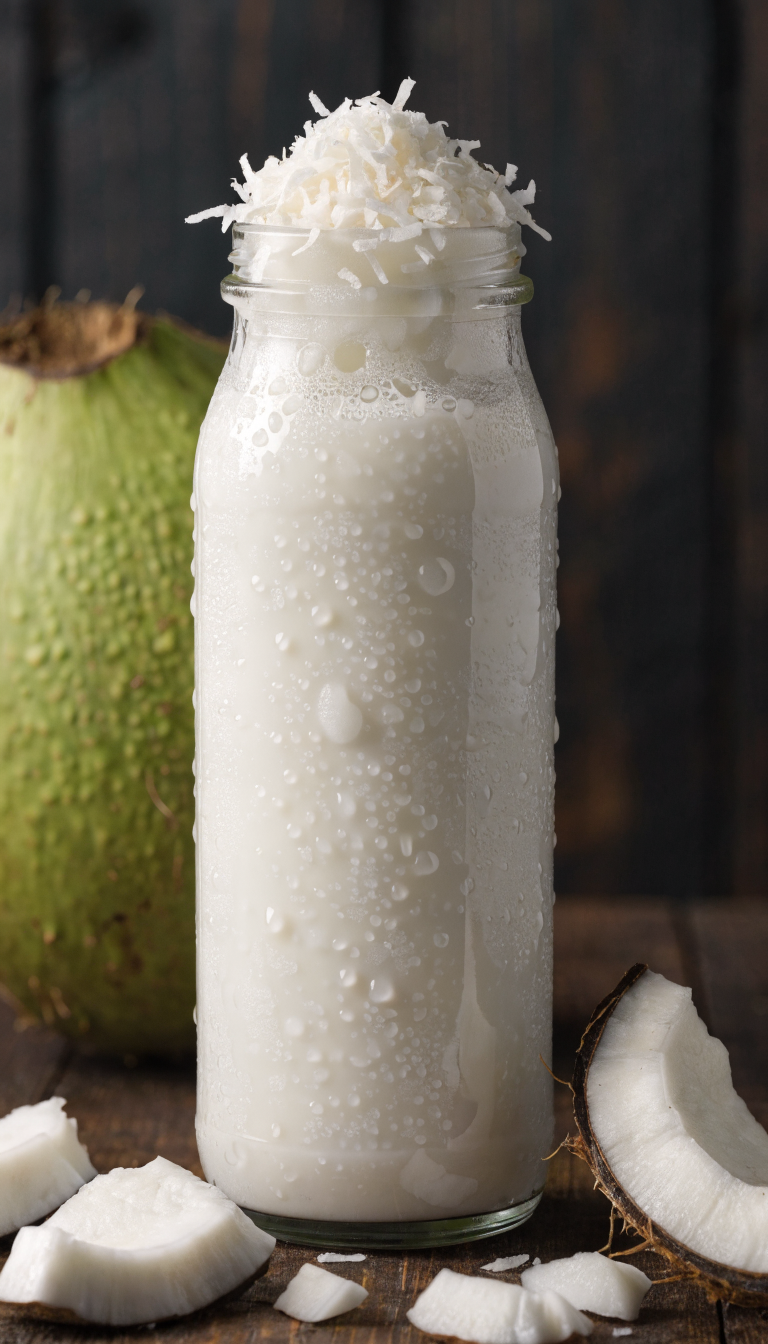
– Mix it into meals: a little splash on top can brighten kibble without overwhelming it.
– Use it as a yogurt substitute topper for picky eaters (if your dog loves the texture).
– Freeze into a little cube or ice treat on hot days (simple and handy).
– Never pour directly into a dog’s mouth in large amounts—let them sniff, then sip, then eat.
If you’re using canned coconut milk, shake or stir to mix any separated liquids. A uniform texture is easier on the tummy.
Tip 9: Create a simple coconut milk routine
– Frequency: 1–2 times per week max for most dogs, unless your vet suggests otherwise.
– Timing: pair with a meal to help digestion and reduce the chance of stomach upset.
– Tracking: keep a little log for a month to spot patterns in stool, energy, and coat condition.
Consistency helps you spot trouble early and keeps your pup’s pampering predictable.
Tip 10: Consider potential interactions with meds
Coconut milk itself doesn’t normally interfere with most meds, but fat can affect absorption for some drugs. If your dog is on prescription medications, talk to your veterinarian before adding coconut milk regularly. FYI, timing matters: give meds with meals to minimize stomach upset, not with a separate coconut milk snack.
Tip 11: When to skip coconut milk altogether
If your pup has pancreatitis, obesity, diabetes, or severe hormonal issues, coconut milk could complicate things due to fat and sugar content. In those cases, skip it unless your vet gives the green light. Also, if you notice persistent GI distress after introducing coconut milk, stop and consult a vet. Better safe than sorry, am I right?
Subsection: Coconut milk and dental health
Some dogs love the treat so much that it becomes a crunchy, doughy mess in their mouth—no joke. If your dog chews on coconut milk treats or chunks, they could accumulate sugar on teeth. Consider brushing regularly and offering coconut milk via meals rather than as a separate snack to keep dental health in check. A quick rinse flavor can still be a win.
Subsection: Vet-approved tips for a safe trial
– Start with a tiny amount and escalate slowly over a week.
– Monitor stool and energy daily for a week, then recheck with your vet if you notice changes.
– Use plain, unsweetened coconut milk with no harmful additives.
– Keep a tidy kitchen: label leftovers, don’t mix new products mid-trial, and avoid cross-contamination with human foods.
Subsection: Homemade coconut milk vs. store-bought
If you’re into DIY, you can make a dog-friendly version by blending unsweetened shredded coconut with water, then straining. It’s less likely to have hidden additives. But remember: even homemade versions should be given in small amounts and watched closely for digestive upset. If you’re using canned coconut milk, opt for a simple ingredient list and avoid versions with gums or stabilizers if possible.
Frequently asked questions
Is coconut milk safe for dogs?
Yes, in moderation and with plain, unsweetened varieties. It’s not a necessary part of a dog’s diet, but many pups tolerate it well as an occasional treat or flavor enhancer. Always watch for signs of intolerance or allergy and adjust accordingly.
How much coconut milk can I give my dog?
Typically, up to 1–2 teaspoons for small dogs, 1–2 tablespoons for medium dogs, and a bit more for large dogs, per serving. Limit to a few times a week unless your vet says otherwise. If you overdo it, you might see GI upset or weight gain.
What should I avoid when giving coconut milk to dogs?
Avoid sweetened, flavored, or caffeinated types; avoid products with xylitol, chocolate, or high sugar. Steer clear of coconut milk with additives like guar gum if your dog has a sensitive stomach. Also avoid large amounts at once.
My dog had a bad reaction after coconut milk—what now?
Stop giving it immediately and monitor symptoms. If you see vomiting, diarrhea lasting longer than 24–48 hours, itching, swelling, or trouble breathing, contact your vet right away. Keep a note of what you fed, how much, and when, to help with diagnosis.
Can coconut oil or coconut flesh be safer alternatives?
Coconut oil is a concentrated fat source—use in tiny amounts. Coconut flesh adds texture and calories; some dogs handle it, others don’t. Coconut milk remains the easiest, most controlled option for most dogs.
Conclusion
So, can dogs have coconut milk safely? Yes—with the caveats: unsweetened, plain coconut milk; small, gradual servings; and careful observation for any GI or allergic reactions. It’s not a necessity, but it can be a tasty, occasional treat that brightens mealtimes without turning your pup into a dairy disaster. If you’re ever unsure, ask your vet—they’ll help tailor a plan that suits your dog’s size, health, and taste for coconut glory. IMO, a little coconut cream on top of kibble is a cute way to say, “You did great today, buddy.” Meanwhile, keep it simple, stay vigilant, and enjoy the coconut-milk-ing adventure with your furry friend. FYI, moderation is the magic word here.