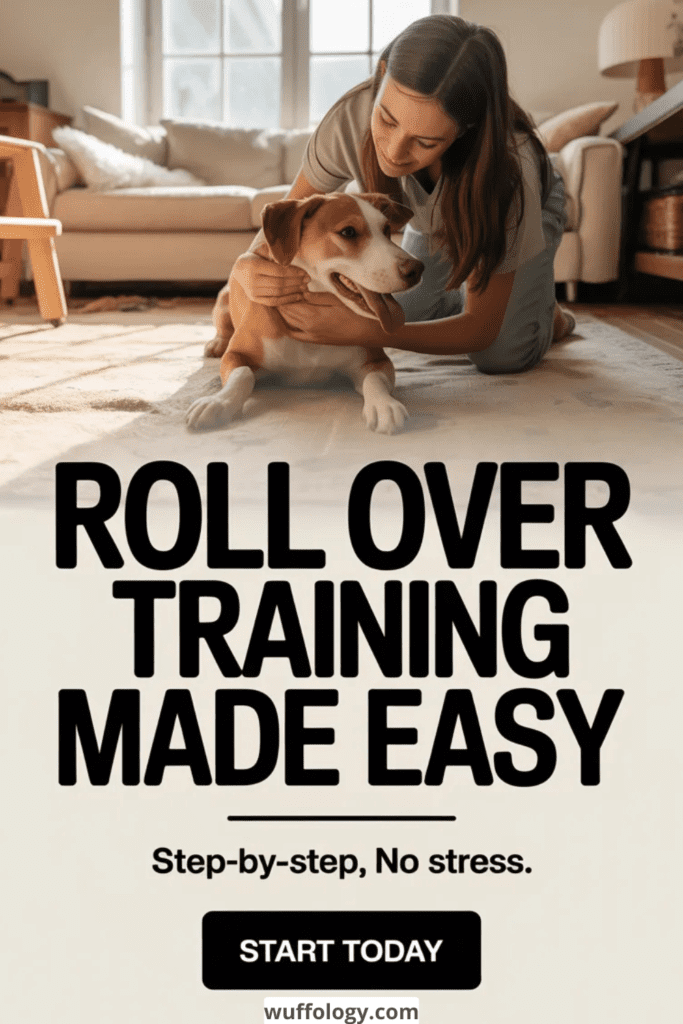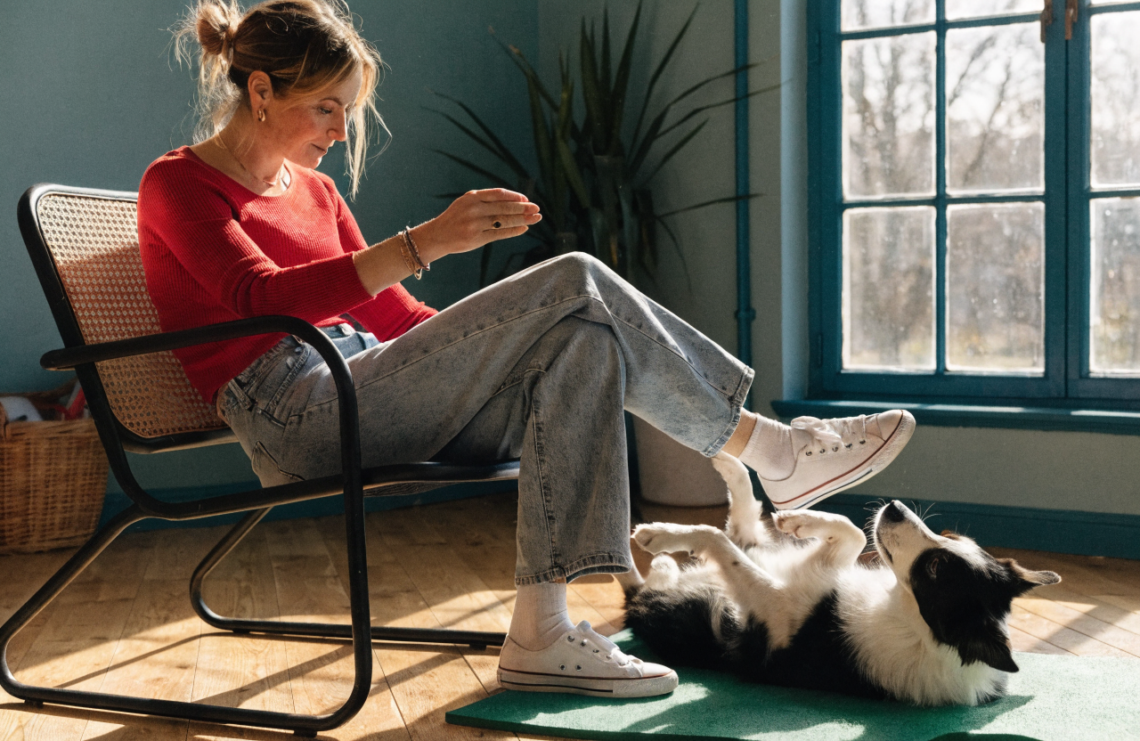
It’s tempting to complicate roll-over training, but the secret sauce is simple: calm guidance, steady practice, and a little fun. If your dog can sit, he can learn to roll over—eventually. We’ll break it down step by step so you both stay relaxed and actually enjoy the process.
Why Roll Over? The Perks That Make Training Worthwhile
Roll over isn’t just a cute party trick. It boosts your dog’s confidence, reinforces listening, and strengthens the bond between you two. It also gives you a chance to practice impulse control in a low-stress way. FYI, a well-timed roll over can be a built-in memory cue for calming down in stressful moments. Ready to trade chaos for a little canine choreographed choreography?
Getting the Foundations Right
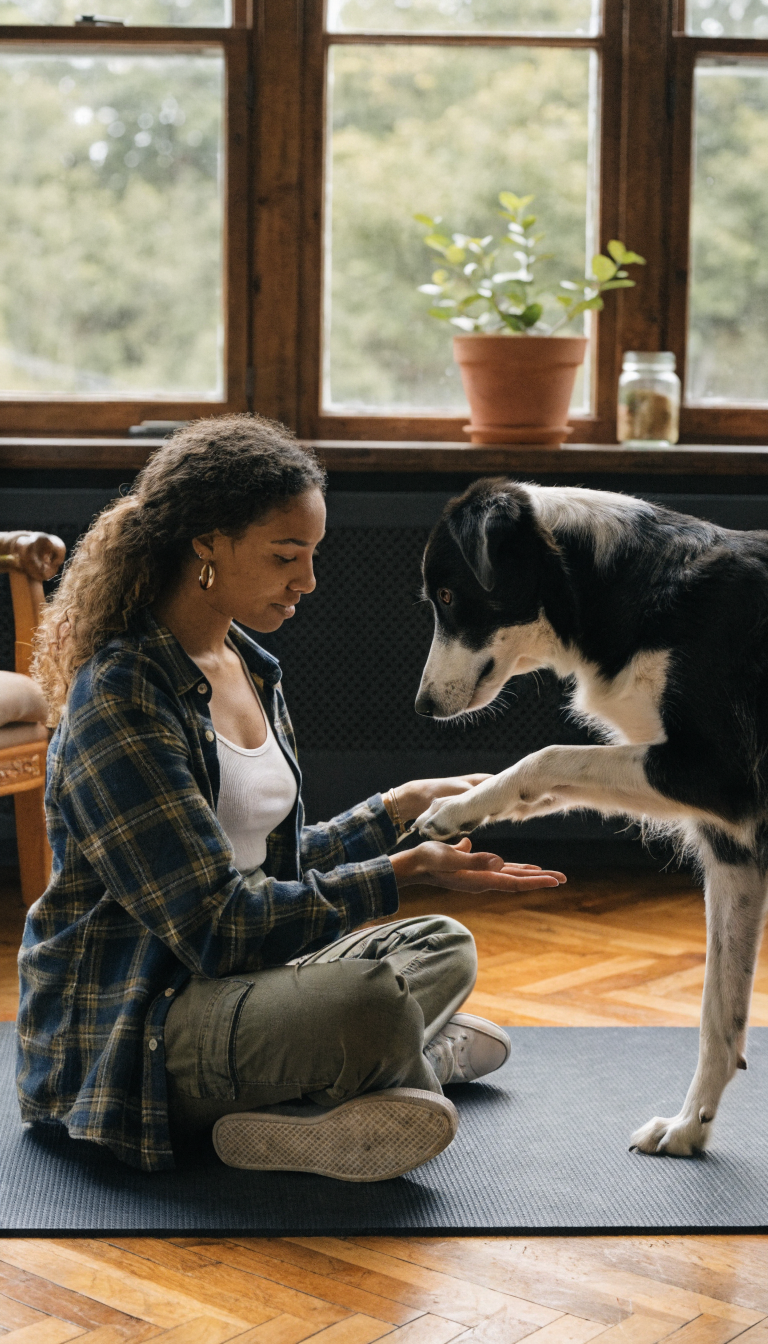
Before you even lure a tail, set up a calm, comfy training zone. Here’s how to lay the groundwork.
- Choose the right vibe: Quiet space, no competing scents, a bed or mat to define the training spot.
- Use a leash at first: A light harness or flat leash helps you guide without pulling.
- Have treats handy: Small, tasty bites that vanish in a second. No bribes that would backfire later.
- Keep sessions short: 3–5 minutes max, 2–3 times a day. More is not better here.
Step 1: The Sit-to-Down Progression
Rolling over starts with a solid down, then a little shift to the side. If your dog isn’t comfortable lying down yet, adjust the plan.
- Start with a sit: Ask for a confident sit. Use a treat to guide the nose to your hand.
- Transition to down: From the sit, lure the nose toward the ground with the treat, then reward when he’s fully down.
- Mark and reward: Use a quick “Yes!” or click if you’re into clicker training, then treat.
Step 2: The Roll Cue—Tiny Steps, Big Wins
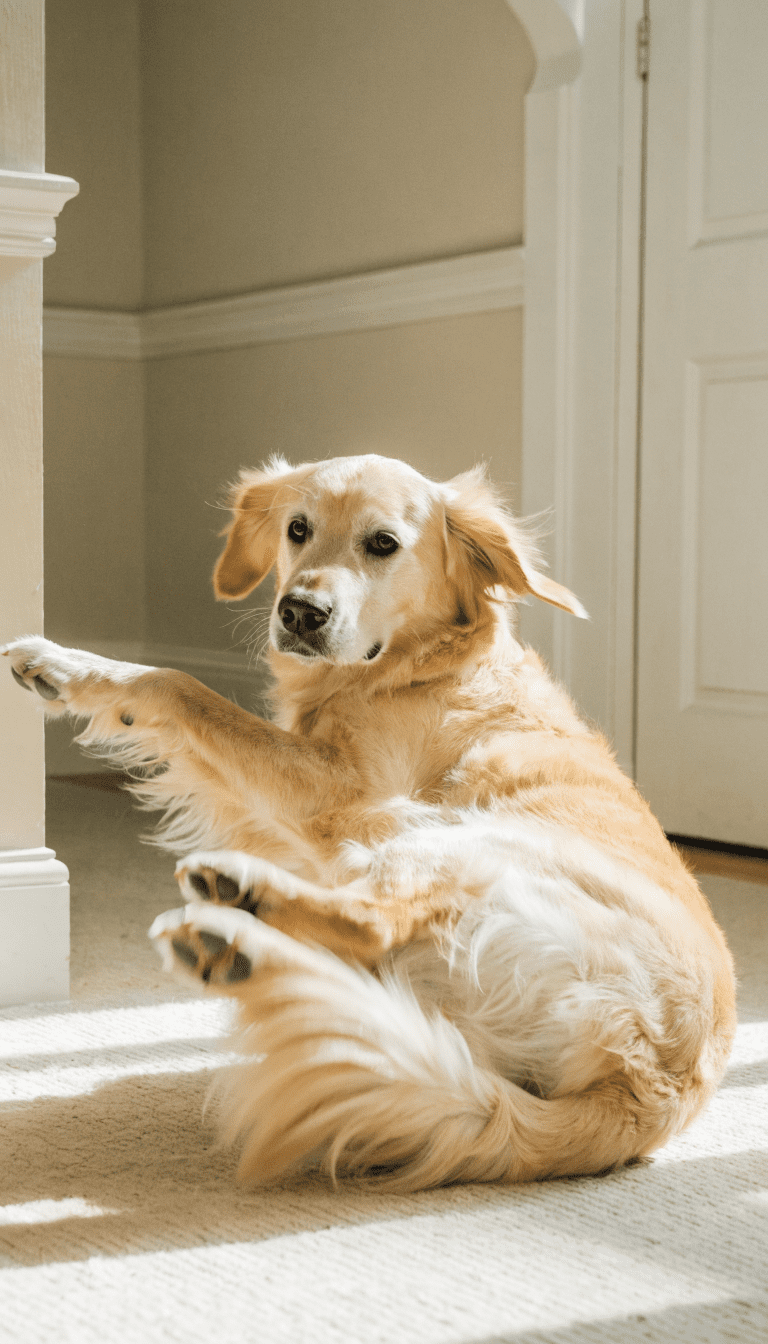
Here’s where the magic happens, minus the chaos. Break it into tiny steps and celebrate every inch gained.
- Introduce the roll motion: Hold a treat near the dog’s shoulder and slowly move it toward the opposite shoulder, coaxing him to roll onto his side, then back to the other side.
- Reward the roll, not the flop: Give a treat when he completes any part of the roll, then praise. Don’t wait until he’s fully back to the starting position—reward the motion progress.
- Catch the timing: A quick “Yes!” as soon as his head begins to roll helps him connect the motion with the reward.
Subsection: Common Hurdles and Fixes
Not every dog loves a full flip. Here are quick tweaks to keep things smooth.
- Hurdle: He doesn’t roll all the way. Fix: Reward partial rolls and gradually extend the distance you guide him.
- Hurdle: He pops up on the stomach. Fix: Shorten the motion and reward when the hips lift first, then the shoulders follow.
- Hurdle: Anxiety or stiffness. Fix: Add a few sits and rests between attempts, keep the sessions ultra-light.
Step 3: The Full Roll—From Side to Silky Smooth
Once your pup is comfy with the partial roll, it’s time to string the motions together.
- Line up the path: Sit, down, then lure toward the shoulder and roll through to the other side.
- Use a release cue: A simple “Okay!” or your favorite release when he completes the full circle helps him understand the endpoint.
- Keep it short and sweet: A couple of clean rolls per session is plenty. Piling on can cause fatigue and frustration.
Subsection: When Your Dog Says No (Gently)
Respect your dog’s pace. If he’s clearly uncomfortable, switch to a different trick for the day or revert to the basics. Pushing through fear or frustration isn’t worth the payoff.
Step 4: Fine-Tuning for Real-Life Success
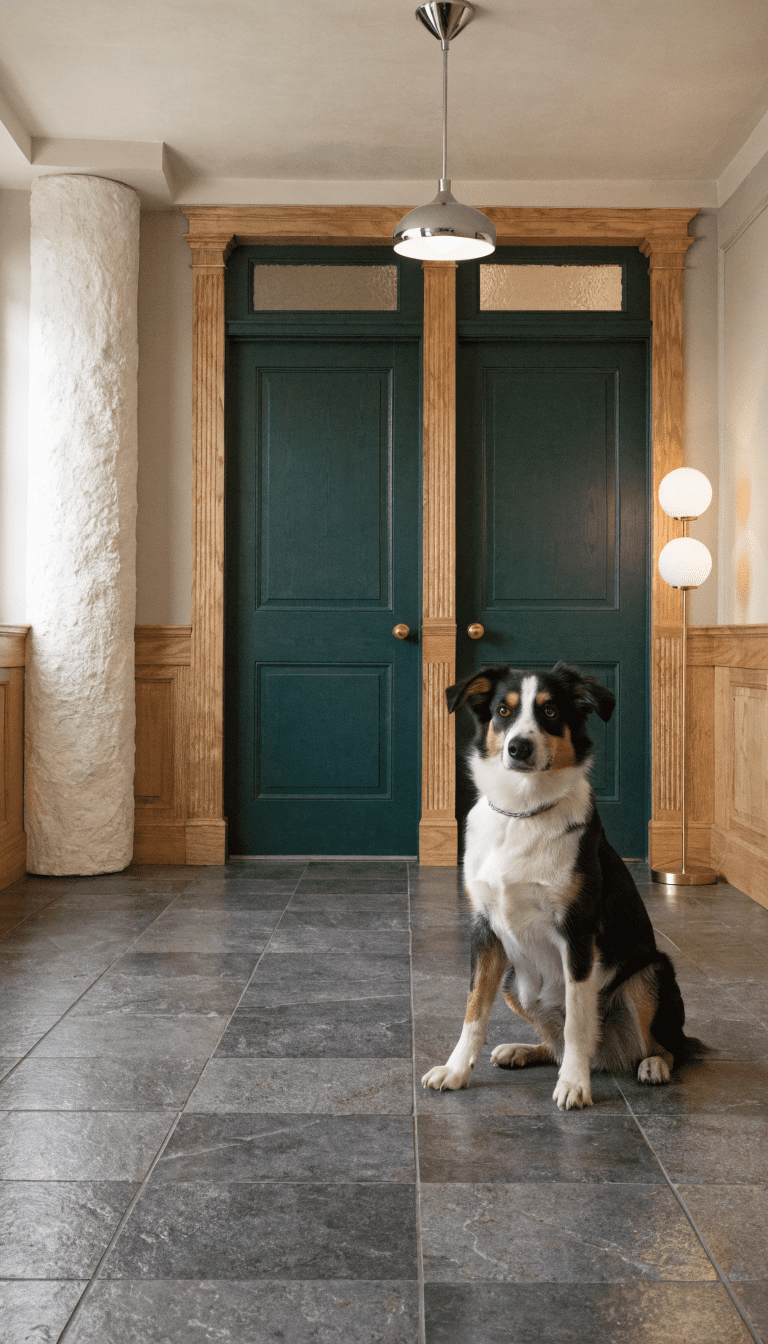
Your dog learns best when you generalize the command beyond the living room.
- Practice in new places: Start in a quiet park or hallway, then slowly introduce distractions.
- Pair with known cues: Combine roll-over with “sit” and “lie down” so the behavior feels like a natural extension of your training.
- Fade the lure: Move from luring with treats to using your hand gesture as the cue, then occasional treats for reinforcement.
Subsection: Turning Tricks into Mental Exercise
Roll over isn’t just physical; it challenges your dog’s problem-solving skills. Ask for a short sequence: sit, stay, roll, then release. It keeps the brain busy and the body happy. IMO, brains over brawn wins every time.
Step 5: Maintenance and Motivation
Consistency is the name of the game, but what about motivation?
- Variety is the spice: Mix in different rewards—tiny treats, a quick game of tug, or a longer pet session after a successful roll.
- Short, frequent sessions: Consistency beats intensity. A few minutes daily beats an occasional long session that burns out both of you.
- Celebrate progress, not perfection: If a roll goes halfway, cheer the effort and plan a quick refresh next time.
Safety First: Do’s and Don’ts
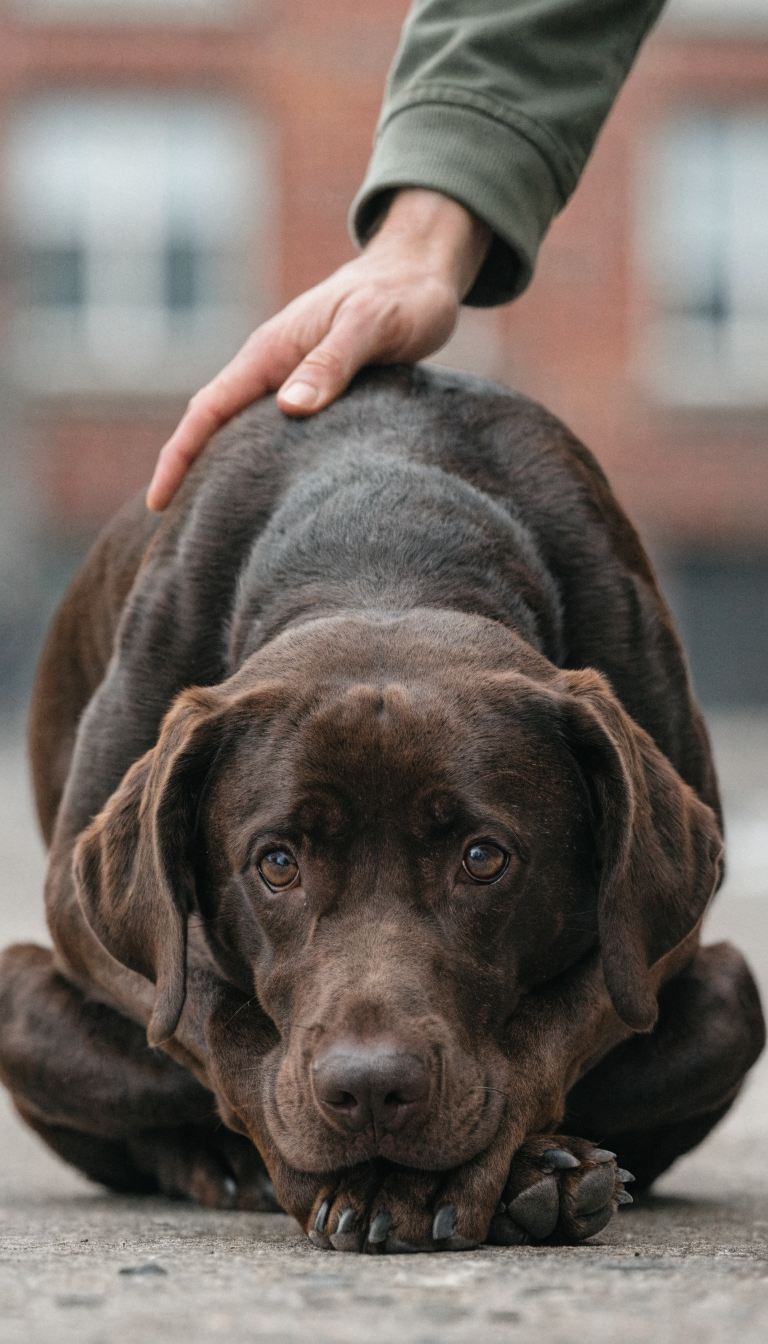
You want this to be a lifelong trick, not a backache for your pup.
- Do: Use a soft surface to protect joints, especially for puppies and older dogs.
- Don’t: Force the roll—no pushing the head or twisting the neck.
- Do: Keep sessions upbeat; if your dog starts sweating, take a break and hydrate.
FAQ
What if my dog won’t lie down to start the roll?
If lying down feels off, start with a gentle down cue on a mat, and reward every tiny move toward lying down. You can also use a towel or blanket to create a comfortable, recognizable down spot. Stay patient; some dogs take longer to get comfortable with the motion.
How long does it usually take to teach a dog to roll over?
It varies a lot. Some dogs pick it up in a week; others take a few weeks or more. The key is steady, positive sessions and rewarding incremental progress. FYI, celebrate every successful pivot, no matter how small.
My dog gets stiff in the hips. Any tips?
Yes. Start with shorter strides, slower movements, and more frequent breaks. Gentle massaging around the hips after sessions can help, plus plenty of warm-up stretches before you start.
Can older dogs learn to roll over?
Absolutely, with patience. Scale back the range and use gentler motions. Focus on the reward timing and keep you and your dog comfortable throughout.
Should I use a clicker for this trick?
If you’re into clicker training, absolutely. A click at the exact moment of the desired action creates a strong, precise link between behavior and reward. If not, a crisp “Yes!” works just fine.
Conclusion
So there you have it: a practical, friendly path to teaching your dog to roll over without stress or struggles. Start with the fundamentals, break the motion into bite-sized steps, and celebrate every tiny victory. If you stay patient and keep the vibe light, you’ll end up with a trick that’s as cute as it is rewarding for both of you. Remember, IMO, training should feel like a high-five, not a battle. Ready to give roll over a go? Let’s roll.