
Your dog isn’t broken, they’re just untrained. That bouncing ball of chaos stealing your socks and barking at literally everything? They can become a calm, well-behaved companion in just two weeks. The secret isn’t expensive trainers or fancy equipment—it’s seven powerful habits that, when practiced consistently, completely transform your dog’s behavior.
Why Two Weeks Actually Works
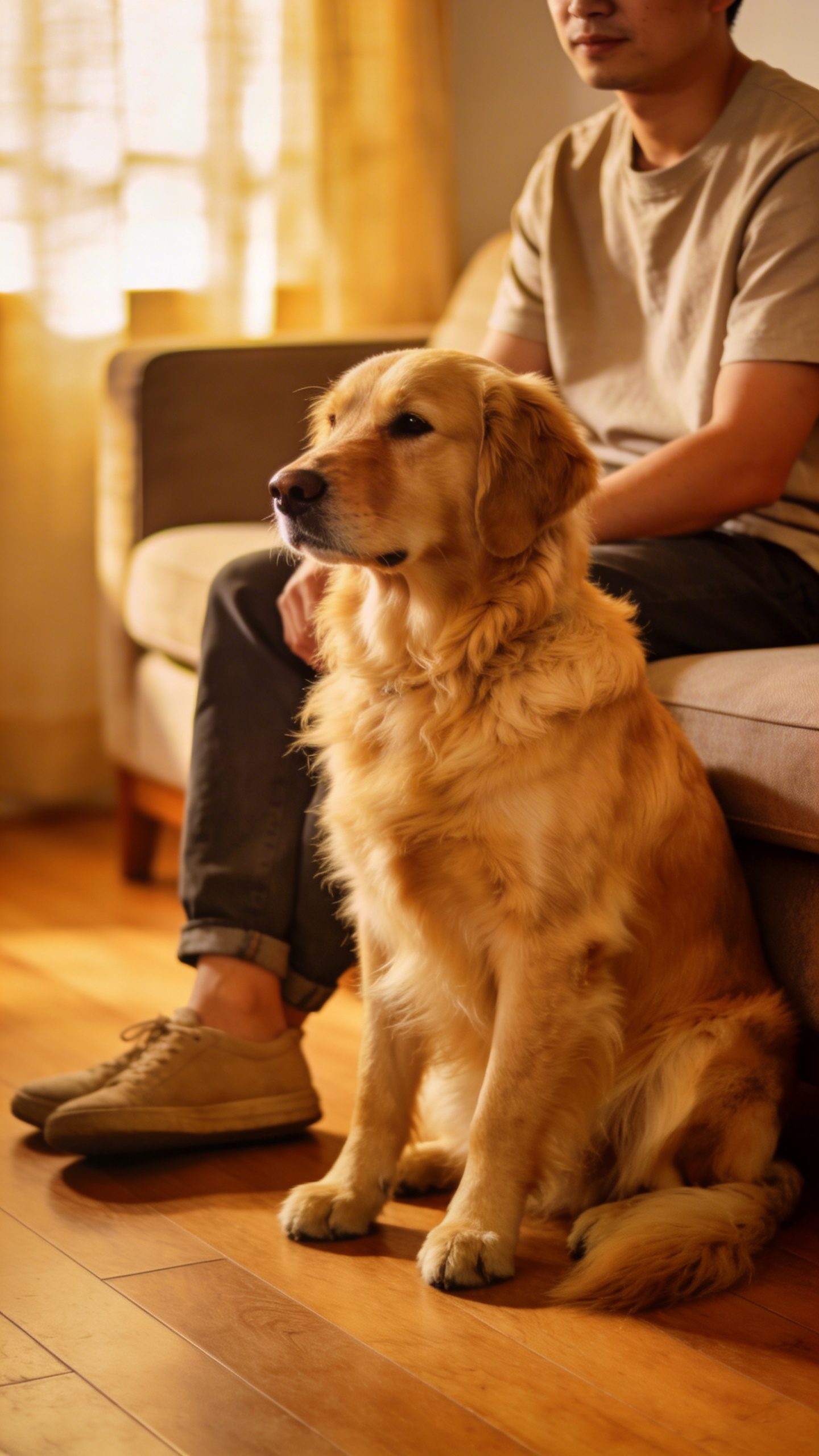
Look, I’m not going to promise you’ll have a perfect show dog in 14 days. That’s ridiculous. But what you *will* have is a dog who understands boundaries, respects your space, and doesn’t act like a furry tornado every time the doorbell rings.
Dogs learn through repetition and pattern recognition. When you consistently practice the same behaviors for two weeks straight, your dog’s brain starts forming new neural pathways. Think of it like creating a well-worn path through grass—the more you walk it, the more permanent it becomes.
The magic number isn’t arbitrary either. Studies show it takes about 10-14 days for dogs to start associating behaviors with outcomes. You’re not just training tricks; you’re rewiring how your dog responds to the world around them.
The Seven Habits That Transform Your Dog

Habit 1: The Morning Calm Ritual (Days 1-14)
Every morning, before you do anything else—yes, even before coffee—practice five minutes of calm connection with your dog. No excited voices, no roughhousing, just quiet presence.
Here’s what this looks like in practice. When you wake up, ignore the wiggly excitement. Wait until all four paws are on the ground, then calmly pet your dog with slow, deliberate strokes. Speak in a low, soothing voice. You’re setting the tone for the entire day.
This teaches your dog that calm behavior gets attention, while chaos gets ignored. Revolutionary, right? Within three days, you’ll notice your dog greeting you more peacefully. By day 14, those frantic morning zoomies will be ancient history.
Habit 2: Structured Feeding Times
Free-feeding is the enemy of calm dogs. There, I said it. When food is always available, your dog never learns patience or impulse control.
Instead, feed your dog at the same times every day. But here’s the kicker—make them wait. Have your dog sit calmly while you prepare the food. Put the bowl down only when they’re relaxed and focused on you, not the food.
The wait time doesn’t need to be long. Start with five seconds on day one and gradually increase to 30 seconds by day 14. This simple exercise teaches self-control that carries over into every aspect of your dog’s behavior.
Habit 3: The “Nothing in Life is Free” Protocol
Your dog wants to go outside? They sit first. Want that toy? They make eye contact first. Craving belly rubs? They need to come when called first.
This isn’t about being mean—it’s about establishing that you control the resources. In dog psychology, whoever controls resources is the leader. And FYI, your dog desperately wants you to be that leader.
Implement this across all daily interactions:
- Before meals: sit and wait
- Before going outside: sit at the door
- Before play: make eye contact
- Before treats: perform a simple command
- Before petting: calm behavior only
Habit 4: Daily Decompression Walks
Notice I said decompression walks, not exercise walks. There’s a huge difference. Exercise walks are about burning energy. Decompression walks are about mental calm.
Take your dog somewhere new every day—even if it’s just a different street in your neighborhood. Let them sniff (seriously, sniffing is like meditation for dogs). Walk at a leisurely pace. Keep your energy low and relaxed. The goal isn’t distance; it’s mental engagement without overstimulation.
Spend at least 20 minutes on these walks daily. Your dog’s brain will tire out way before their body does, and a mentally tired dog is a calm dog.
Habit 5: Enforced Rest Periods
Here’s something nobody tells you: dogs don’t naturally know when to chill out. Especially puppies and high-energy breeds. They’ll run themselves into overstimulation and then become complete nightmares.
Create a quiet space—a crate, a bed, a specific room—where your dog goes for mandatory downtime. After any stimulating activity (walks, play, training), enforce a one-hour rest period.
Yes, they might protest at first. Yes, you’ll feel guilty. Get over it. By day seven, your dog will start settling themselves during these times. By day 14, they’ll seek out their rest spot voluntarily.
Habit 6: Controlled Greeting Protocol
Every time someone comes to your door, you have a training opportunity. And every time you let your dog lose their mind at visitors, you’re actively training chaos.
Starting today, implement this protocol for all arrivals (including your own):
- Dog must sit before the door opens
- If they break the sit, the door closes
- Visitor completely ignores the dog for the first two minutes
- Only calm dogs get attention
This one’s tough because you need to get visitors on board. But IMO, it’s the single most impactful habit for creating calm behavior. The improvement you’ll see between day one and day 14 is honestly shocking.
Habit 7: Evening Wind-Down Routine
Just like the morning calm ritual, end each day with intentional relaxation. An hour before bed, all stimulation stops. No fetch, no roughhousing, no exciting activities.
Instead, practice gentle petting, light massage, or quiet time together. You can work on relaxation training—having your dog lie on their side while you slowly run your hands over their body. This signals that the day is ending and it’s time to decompress.
What Your 14-Day Timeline Looks Like

Days 1-3: Everything feels hard. Your dog doesn’t understand why the rules suddenly changed. You’ll question if this is working. Push through.
Days 4-7: You’ll notice small wins. Maybe your dog sat before you asked. Maybe they settled faster during rest time. These matter.
Days 8-11: The habits start feeling natural. Your dog anticipates the routines. You stop feeling like a drill sergeant.
Days 12-14: You have a different dog. Not perfect, but noticeably calmer, more focused, and more pleasant to live with.
Common Mistakes That Derail Progress
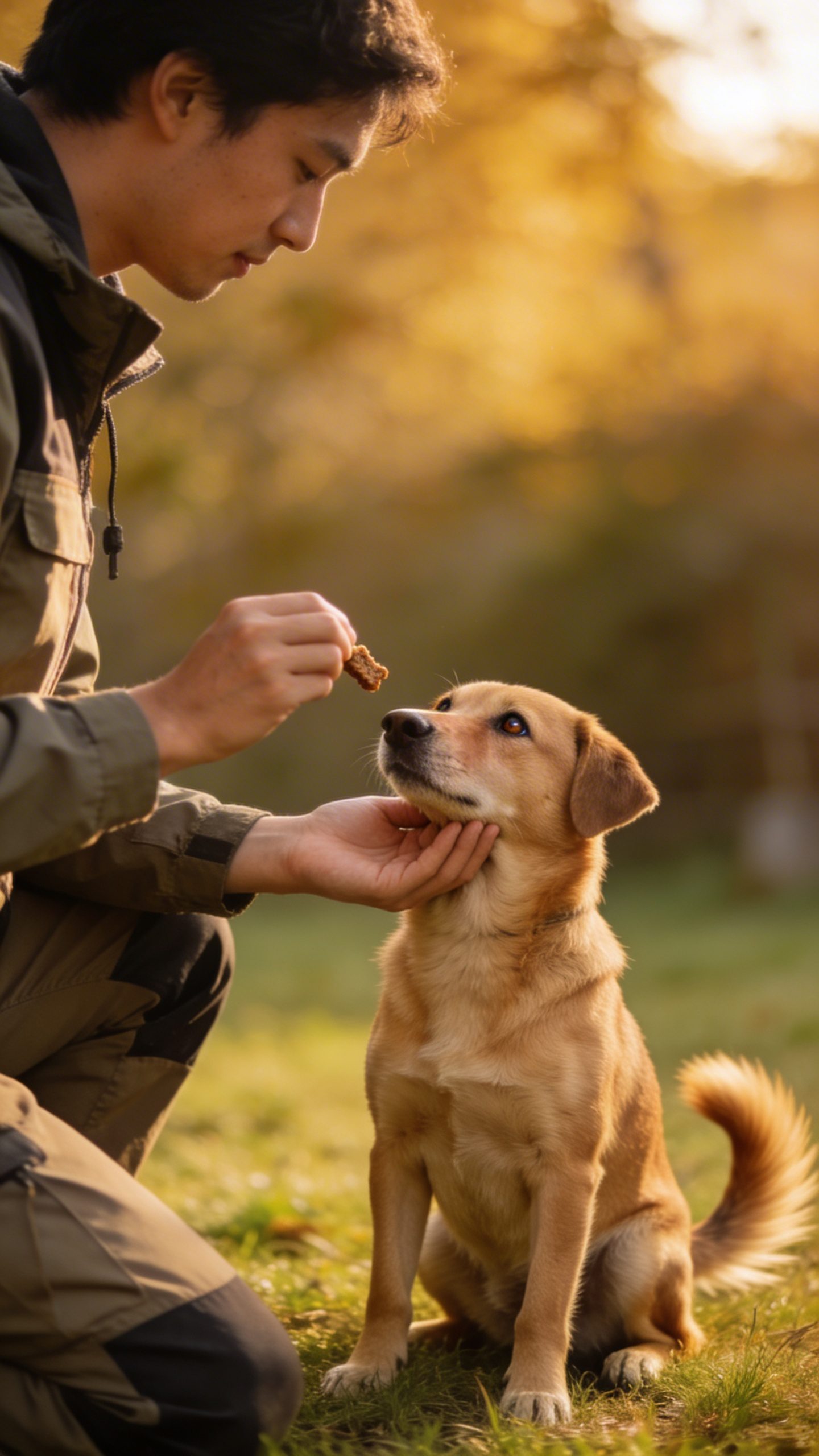
The biggest mistake? Inconsistency. If you practice these habits Monday through Friday but let everything slide on weekends, you’re sabotaging yourself. Dogs don’t understand weekends.
Another killer: family members who don’t follow the plan. Everyone in the household needs to enforce the same rules. One person letting the dog jump up for greetings while another enforces sitting creates confusion and anxiety.
And please, don’t expect perfection. Your dog will have off days. You’ll have off days. What matters is the overall trajectory, not individual moments.
Frequently Asked Questions
What if my dog is already older? Will this still work?
Absolutely. The whole “you can’t teach an old dog new tricks” thing is complete nonsense. Older dogs often learn faster because they have better focus than puppies. You might need to be more patient with dogs who have years of ingrained habits, but the fundamental principles work at any age.
Can I start these habits all at once or should I phase them in?
Start all seven immediately. I know that sounds overwhelming, but these habits are designed to work together. They reinforce each other. The morning ritual sets up the structured feeding, which supports the rest periods, which makes the evening wind-down easier. It’s a complete system.
What if I miss a day or mess up?
Life happens. Missing one day won’t destroy your progress. Just get back on track the next day. Consistency over time matters more than perfection every single day. That said, try really hard not to skip days during these initial two weeks when you’re establishing the foundation.
My dog seems more stressed with all these new rules. Is that normal?
Yes, initially. Change creates stress, even good change. But here’s what’s interesting: most dogs actually become less stressed within 3-4 days because the structure gives them clarity. They’re not constantly guessing what you want. Stick with it through the adjustment period.
Do I need to keep doing these habits after the 14 days?
Many of these habits should become permanent parts of your routine—like the structured feeding and greeting protocols. Others, like the intensive focus on morning and evening rituals, you can relax a bit once the behaviors are established. Think of the 14 days as boot camp and everything after as maintenance.
What if I have multiple dogs?
Work with each dog individually at first, especially for the calm rituals and training moments. For things like rest periods and feeding times, you can manage multiple dogs simultaneously. Just make sure each dog learns to focus on you, not get distracted by the other dogs.
The Reality Check You Need
Two weeks from now, you won’t have a robot dog who never makes mistakes. You’ll have a dog who understands expectations and has the impulse control to meet them most of the time. That’s a massive win.
The real transformation isn’t just in your dog—it’s in you. You’ll have seven solid habits that give you the tools to shape behavior, address problems, and communicate clearly with your dog. That’s worth way more than any two-week crash course could promise.
So stop reading and start doing. Your calmer, happier dog is just 14 days of consistent effort away.