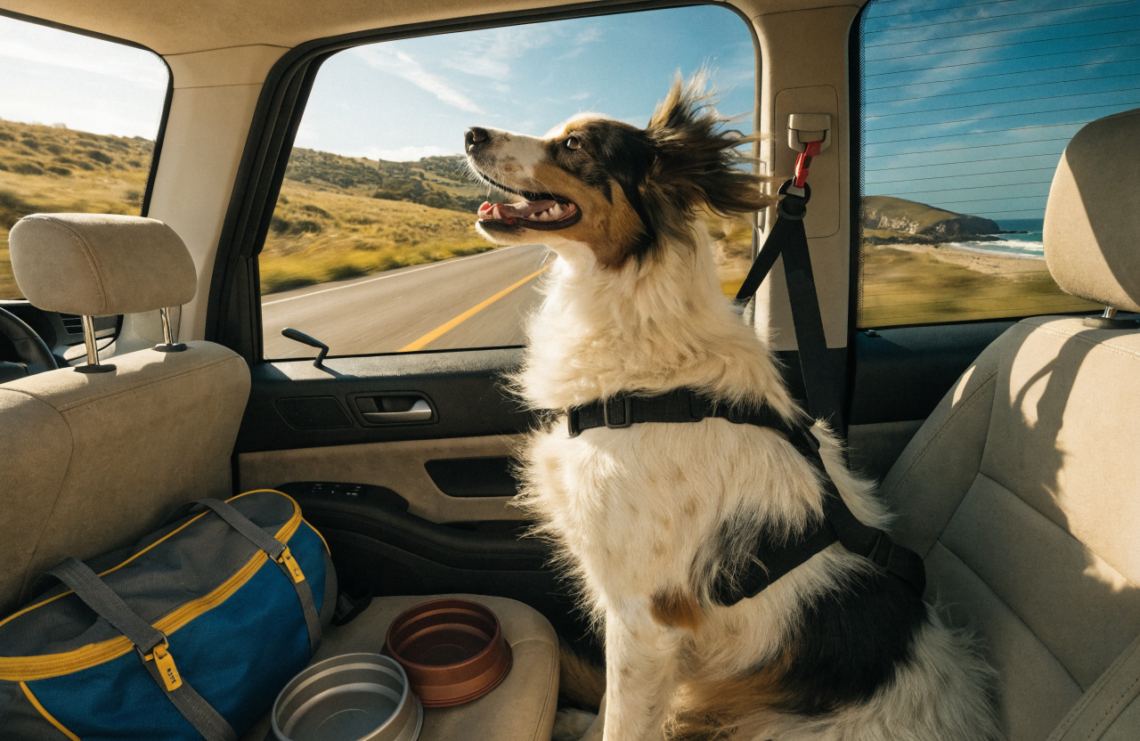
The moment you hit the road with your dog, you either ride the smooth wave or you surf chaos. Lucky for you, these 13 lifesaving tips will keep tails wagging and nerves intact—no chaos, just comfy cruising.
Plan Like a Pro: Prep Before You Hit the Road
Getting organized upfront saves you from last-minute panic at the gas station with a hyper hound. Start with a simple checklist and a designated bag that never travels without your pup’s essentials.
– ID and microchip info updated
– Current leash, harness, and car seat
– Vet records and emergency contacts
– Plenty of water, collapsible bowls, poop bags
– Favorite chew toy and a blanket that smells like home
Ask yourself: what could go wrong if I forget one tiny thing? The answer: the chaos you’re trying to avoid. FYI, a little pre-trip ritual—a short car-ride practice with a snack reward—goes a long way in reducing car-sickness and anxiety.
Crate, Harness, or Hype-Free Backseat? Choose Your Safe Space
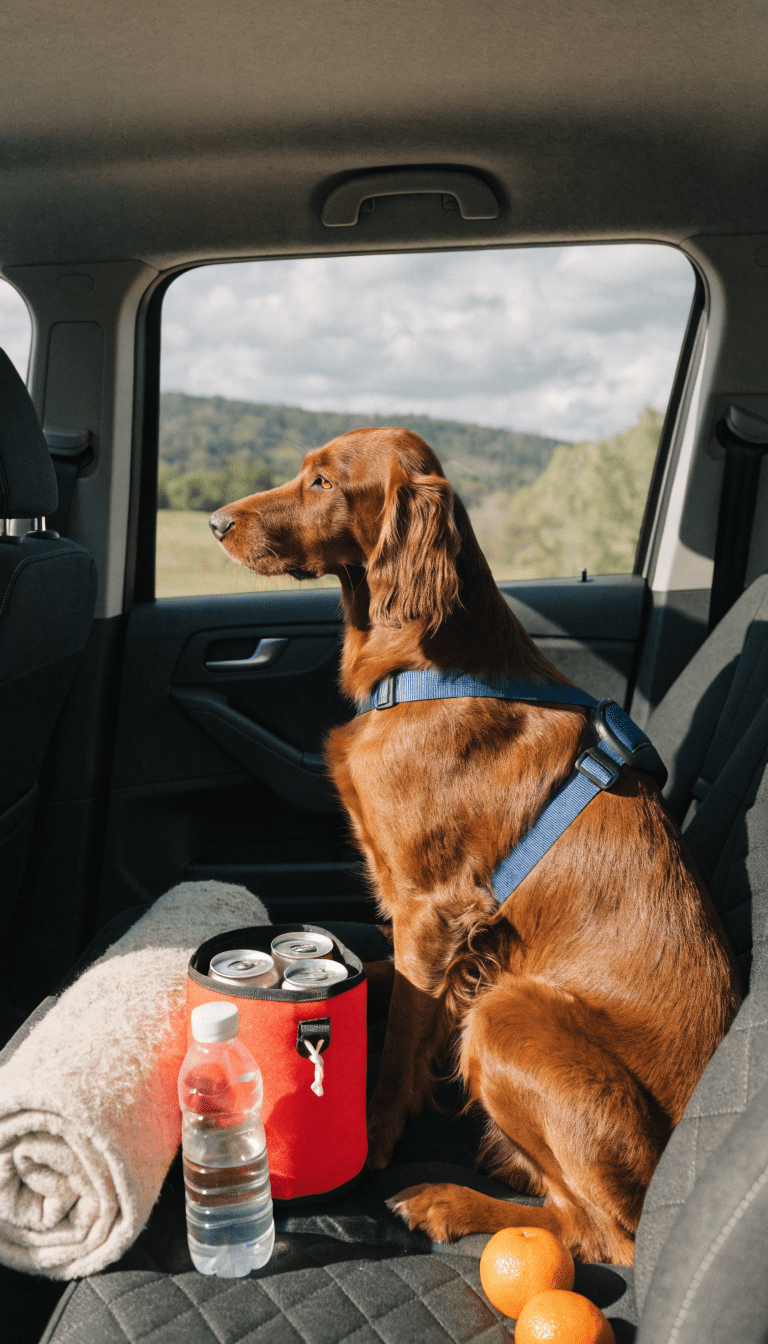
Dogs feel safest in a familiar, secure spot. Your car can become a cozy cave or a tail-wagging rollercoaster—your pick.
– Crate training: If your dog loves their crate, make it a travel throne with a comfy bed and chew-safe toys.
– Harness system: A crash-tested harness with a tether keeps your pup from flying forward in a sudden stop.
– Backseat booster: For small dogs, a booster gives visibility plus security.
Tip: practice short trips at first. If your dog paces, pant-sighs, or whines, dial it back and reward calm sessions. The goal is consistency, not a miracle on day one.
Hydration and Fuel Without the Food Fiasco
Car rides can wreck a pup’s appetite or trigger motion sickness. You want them fed enough to stay chummy, but not so full that every bump becomes a soup remix.
– Schedule meals earlier on travel days to avoid car sickness
– Offer small, frequent water breaks rather than a gulps-down approach
– Freeze a water bottle for a chilly paws-down option mid-trip
H3: Motion Sickness SOS
If your dog tends to vomit on long drives, try these quick fixes:
– Feed a light snack 2–3 hours before departure
– Use ginger treats or consult your vet about anti-nausea options
– Keep the air fresh and the car at a comfortable temperature
If symptoms persist, it’s wise to pull over, give your pup a breather, and reassess. No one wants a soggy passenger.
Map It Like a Boss: Plan Your Route and Breaks
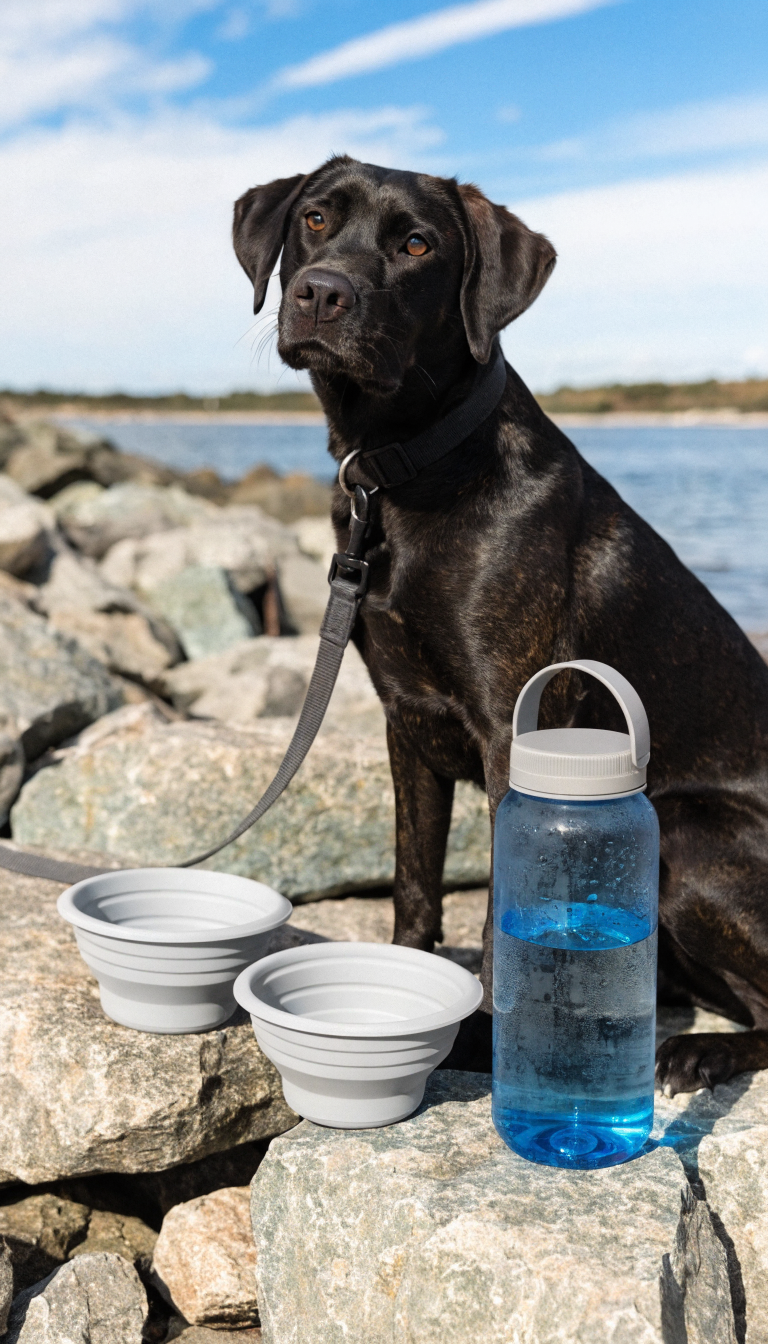
Knowledge is power, especially when you’re juggling dog schedules and human plans. Map your route with regular pit stops in mind.
– Choose pet-friendly stops with shade, water, and a flat area to stretch
– Look for vet clinics along the route just in case
– Book pet-friendly accommodations in advance to avoid last-minute chaos
H3: Pack a “Detour Kit”
Sometimes plans go sideways. Build a small kit with:
– Extra sturdy poop bags
– Wet wipes for paws and faces
– A spare collar and leash
– A familiar blanket or shirt with your scent
You’ll thank yourself when you encounter a closed rest area or a weather snag. FYI, having options reduces stress for both you and your dog.
Mindset and Manners: Keep Calm, Pup Calm
Your dog mirrors your vibe. If you’re tense, they’ll mirror it back in barks and wiggles. Keep the energy steady, break up the trip with calm cues, and sprinkle in positive reinforcement.
– Use short, simple commands like “sit,” “stay,” and “easy” during driving
– Reward calm behavior with a treat or a cuddle
– If your dog is anxious, try soothing music or a white-noise app
H3: Pre-Arrival Rituals
When you roll into a new place, keep the first 10 minutes low-key:
– Let your dog sniff around while you supervise
– Set up a comfy crash zone with a bed and water
– Offer a treat to connect the new space with positive vibes
A little familiarity goes a long way toward reducing stress in a new environment. IMO, tiny wins early on set the tone for the whole trip.
Public Spaces with Paws: Socializing Without Slamming Doors

Travel pushes you into parks, trails, coffee shops, and possibly crowded lobbies. You want your dog to be friendly, not overwhelmed.
– Socialize in short, controlled sessions before big crowds
– Keep a front-row seat on leash in crowded places
– Carry a portable water bowl and offer breaks during human stops
H3: Handling Other People and Pets
Ask before approaching other dogs, and read body language. If the other dog is tense or stiff, redirect and move away calmly. Your dog will pick up on your cues, so keep your voice steady and friendly.
From a practical standpoint, have a plan if a pet meets and mushes—like stepping back, giving space, or taking a different path. It’s about safety and keeping the vacation vibe intact.
First Aid on the Go: Basic Care and Quick Fixes
A well-stocked car is a life saver. You don’t need a veterinary degree to handle common travel hiccups.
– Clean cloths for paw injuries and minor cuts
– Saline solution for eye irritation
– Tick and flea prevention, plus a small bottle of antiseptic
– A compact pet first aid kit with bandages, gauze, and non-sting antiseptic
H3: When to See a Vet
If your dog shows persistent symptoms—vicious vomiting, heavy lethargy, refusing water, or seizures—pull over and call your vet or an emergency clinic. FYI, better safe than sorry, especially if you’re hours from home.
Also consider travel insurance for pets. It’s not glamorous, but it saves you big headaches if something goes sideways.
Sleep, Rest, and Routines on the Road
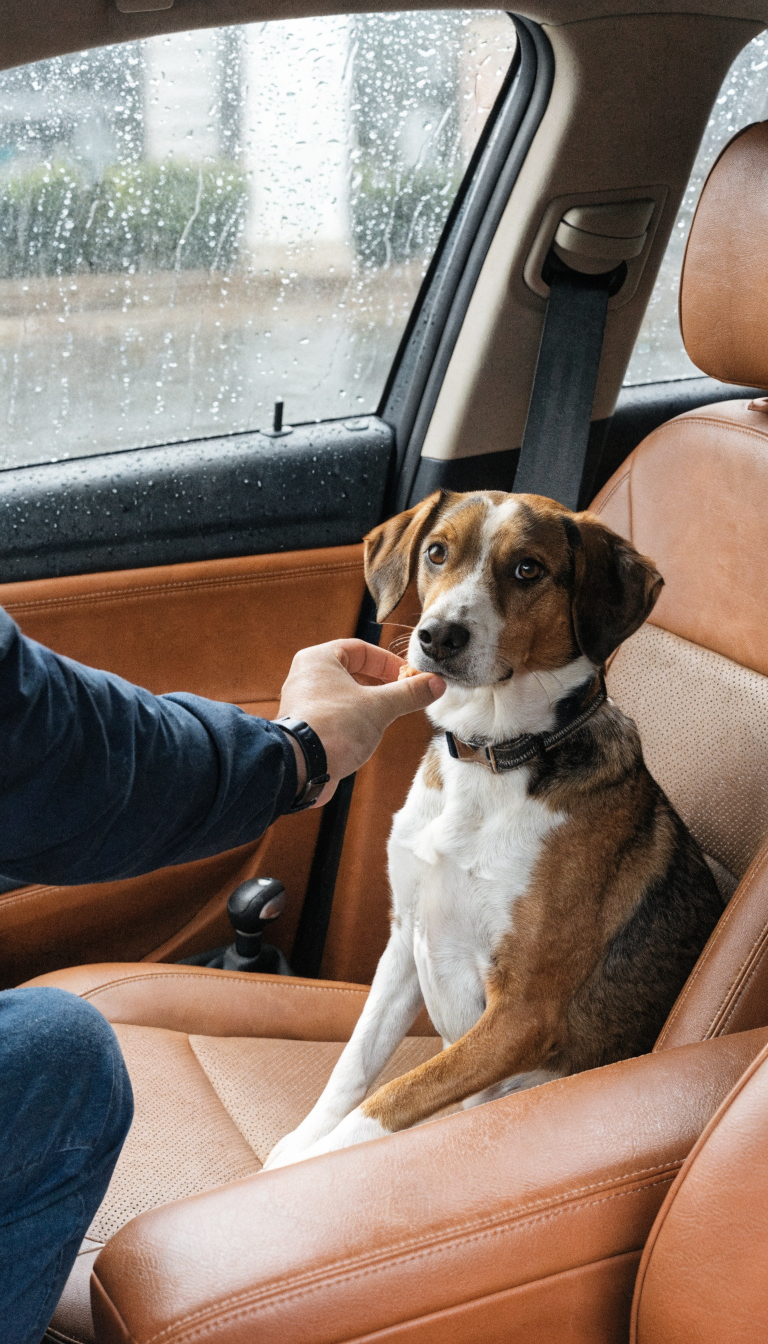
Quality rest is not optional on a long trip. Dogs thrive on routine, and you can recreate that even on vacation.
– Maintain feeding and potty schedules as much as possible
– Create a quiet, dark sleeping space in your lodging
– Offer a pre-sleep quiet moment—a short walk, a bit of brushing, soft music
1-2 calming bedtime rituals help your pup unwind after a day of new sights. And yes, you’ll thank yourself when both of you drift off without a chorus of whines.
Mini-Tips and Quick Wins You Don’t Want to Miss
No article is complete without the quick nimble tricks that actually save you hours of stress.
– Use a travel-friendly, crash-tested harness for secure journeys
– Bring a familiar blanket or toy to anchor your dog in new spaces
– Have a “no-splash” bottle for easy hydration
– Keep a photo of your dog’s ID handy in case of separation
– Reinforce calm with a short training session every few hours
H3: The Car Comfort Kit
Create a compact in-car setup:
– Small fan or portable air conditioner for hot days
– A sunshade to keep the car cool
– A temp range safe blanket for all-weather comfort
These tiny touches prevent overheating and overheating-level drama.
FAQ
Is it necessary to crate my dog during car travel?
Crates aren’t mandatory, but many dogs feel safer and stay calmer inside a crate. If you’re using a crate, ensure it’s well-ventilated, secured to the vehicle, and large enough for your dog to lie down and turn around comfortably. If your dog hates crates, a well-fitted harness and crash-tested seat belt can be a solid alternative.
How do I know if my dog is nauseous on the road?
Watch for drooling, lip licking, yawning, and gulping air. Some dogs exhibit restlessness or whimpering. If you spot these signs, slow the journey, offer a small snack or water, and consider a break. Ginger treats or a vet-recommended anti-nausea option can help, but check with your vet first.
What if my dog gets anxious in new places?
Begin with short exposure to the new environment, reward calm behavior, and gradually extend the time you spend there. A familiar blanket, a safe leash, and a predictable routine make a big difference. If anxiety is severe, consult a trainer or vet for anxiety-management strategies.
How often should we stop for walks and breaks?
Plan every 2–4 hours for a quick break. Short, regular stops reduce fatigue for both you and your pup and prevent accidents caused by restlessness. Use these moments for a potty break, a quick sniff session, and a little stretch.
What should I do if I get separated from my dog during travel?
Stay calm, call any pet-friendly spots you’ve planned to visit, and use a recent photo of your dog. If you’re in a busy area, notify staff and consider posting a quick alert with local social groups or a neighborhood app. Prevention is better, but a calm, prepared approach helps a lot.
Do I really need travel insurance for my dog?
Not mandatory, but it’s a smart safety net for veterinary emergencies, trip cancellations, or unexpected changes in plans. If you consider it, read the fine print about coverage limits, what’s considered a pre-existing condition, and any travel-specific exclusions.
Conclusion
Travel with a dog doesn’t have to be chaos dressed up in wagging tails. With a little prep, the right gear, and a calm vibe, you can cruise hours on the road and actually enjoy the journey. Keep the routine steady, anticipate snags, and celebrate the tiny wins—your dog will thank you with even bigger smiles and a lot more tail wagging. Safe travels, and may your road trips be short on drama and long on adventures.