If you’ve ever watched a dog sprint past you like a furry turbo boost and thought, “Could we actually turn this into a workout?” you’re in the right place. Canicross isn’t just a cute noun; it’s a full-on crash course in turning ordinary walks into fat-burning, grin-inducing runs. Ready to unleash your inner athlete and your pup’s velocity? Let’s dive in.
What is Canicross, Anyway? A Quick Reality Check
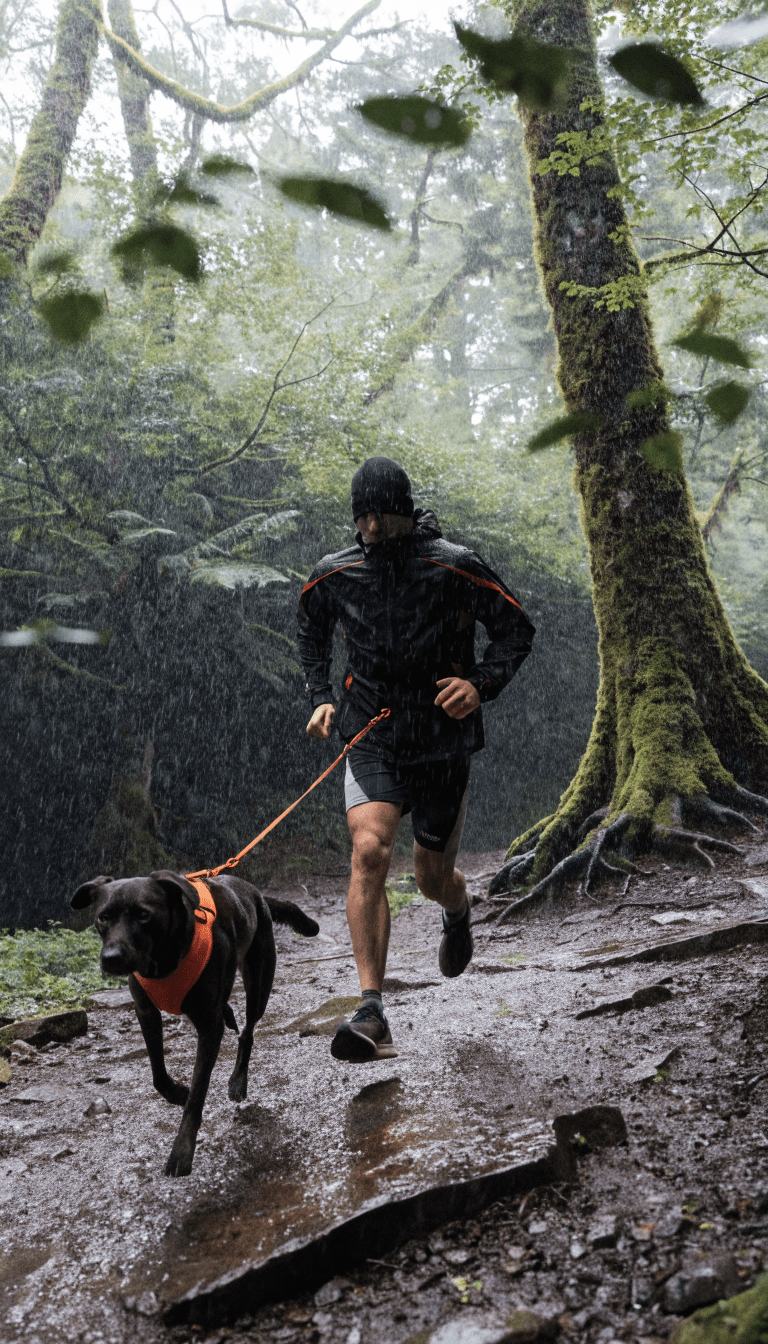
Canicross is basically running with your dog tethered to your waist, harness on the pup, and a bungee cord between you to absorb the chaos. The goal? Move together, stay in sync, and have fun while you both get a killer workout. It’s not just about speed; it’s about rhythm, communication, and a lot of happy wagging.
Key idea: you and your dog become a team, not a solo act with a leash attached. If you’ve ever tried to drag your dog along a trail, you know this is a totally different vibe. IMO, the best part is the motivation: your dog pulls you forward, and you keep the pace, and somehow you both finish smiling.
9 Powerful Secrets to Turn Walks Into Fat-Burning Runs in 3 Days
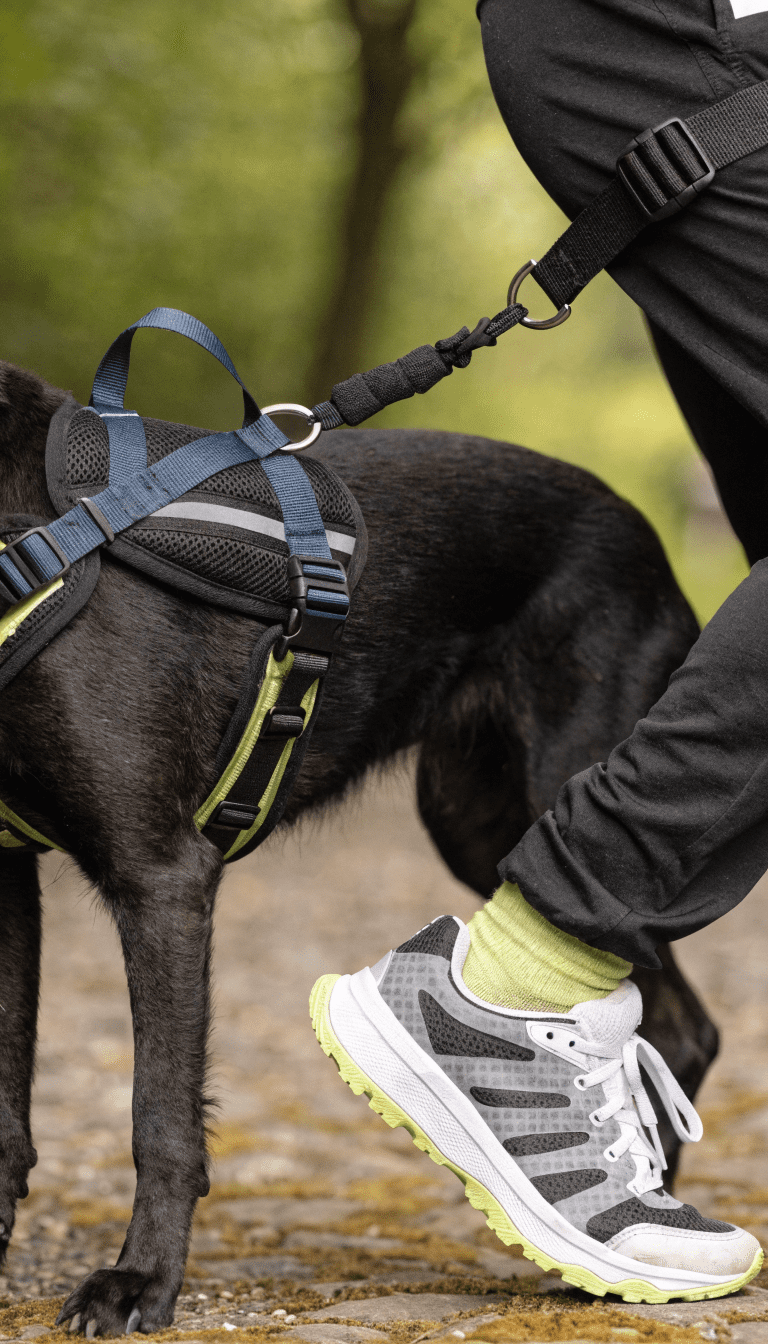
Secret 1: Start with the Right Gear (No, You Can’t Do This in Car-Slippery Sneakers)
– A well-fitted harness for your dog that distributes pulling pressure, not just a collar.
– A waist belt or running belt with a sturdy, stretchy bungee cord.
– Hands-free setup that keeps your stride natural and prevents awkward yanking.
– Lightweight, breathable running shoes for you.
Why it matters: comfort prevents excuses. If either of you hates the setup, you’ll bail faster than a dog chasing a squirrel.
Secret 2: Nail a Safe, Progressive Timeline
– Day 1: Easy jog-walk intervals with your pup, total 20–25 minutes.
– Day 2: Slightly longer intervals, plus a couple of short bursts of faster pace if your dog seems keen.
– Day 3: Merge into continuous running for short stints, 15–20 minutes, with a cool-down.
No one turns pro in 24 hours, but you can lay the foundation. The trick is to pair your dog’s energy with your own, so you don’t burn out or get injured.
Secret 3: Build the Bond, Not the Brag
– Clear cues: Teach “power” (drive forward), “easy” (ease off), and “break” (slow to a stop).
– Consistent pacing: match your dog’s stride, not your ego.
– Positive reinforcement: treat rewards after good pull management and cadence.
If your dog learns to trust your rhythm, your runs become less tug-of-war and more synchronized dancing with a four-legged partner.
Secret 4: Cadence is King (Yes, You Can Beat the Couch)
– Aim for a steady cadence that you can maintain without gasping for air.
– Don’t chase speed at the expense of control. If you lose control, you lose speed anyway.
– Use small, controlled bursts for hill reps or sprint sections.
Cadence training sounds nerdy, but you’ll notice the difference fast. FYI, consistency beats intensity for beginners.
Secret 5: Strength and Prep Day to Day
– Short strength moves: squats, lunges, and planks to build core and leg power.
– Quick mobility: hip openers and ankle circles to keep the stride smooth.
– Rest days are sacred. Your body and pup need downtime to repair and grow stronger.
Think of it as insurance for your joints and your dog’s confidence. You don’t want to wake up one morning with achy knees and a moody hound.
Secret 6: Terrain Tactics
– Start on flat, forgiving surfaces: grass or dirt trails beat asphalt for beginners.
– Progress to gentle hills as you both gain confidence.
– Avoid slick surfaces after rain; a skidding mess is no fun for you or your pup.
Choosing the right terrain keeps injuries away and makes the workouts feel more like a game than a test.
Secret 7: Nutrition and Hydration That Actually Works
– Bring water for both of you, especially on longer sessions, and consider a small post-run snack for you both.
– Feed timing matters: avoid heavy meals right before a canicross session.
– Consider a post-run snack combo of protein and carbs to help recovery and keep the legs happy.
Your energy will thank you, and your dog will too when the tail keeps wagging after the last mile.
Secret 8: The Mental Game: Fun First, Fitness Second
– Set small, enjoyable milestones. Don’t push for a sprint if the dog looks bored.
– Keep sessions playful: reward the moments when your dog tires less and stays excited.
– Use playlists or podcasts if you enjoy music while you run. Just don’t let it drown out your pup’s cues.
If running feels like a chore, you’ll quit. If it feels like a game, you’ll keep playing.
Secret 9: Safety First, Always
– Check your dog’s harness and the bungee cord for wear before every session.
– Watch for overheating: long pauses, panting that doesn’t cool down, or signs of fatigue.
– Respect local rules and other runners; keep a friendly, non-pushy pace.
Canicross should feel like a win, not a hazard. The more you respect safety, the more fun you’ll have.
Training Deep Dives: When to Push and When to Pause
Progression Tips for Real People
– If your dog sprints off with energy, don’t chase a speed record. Instead, lengthen the duration at a comfortable pace.
– Use walk breaks strategically. They’re not cheating; they’re recharging your joint health and morale.
– Keep a simple log: date, distance, pace, and how you both felt. This is your map, not a diary for the gym gods.
Handling Setbacks Without Meltdowns
– If you or your dog pulls too hard, revert to a shorter, easier session for a day or two.
– A dull day? Spice it up with a new route or a favorite scent trail to rekindle interest.
– Minor injuries deserve rest. Don’t push through pain; that’s how you turn “fun run” into “doctor visit.”
Equipment Essentials: What You Truly Need (And What You Can skip)
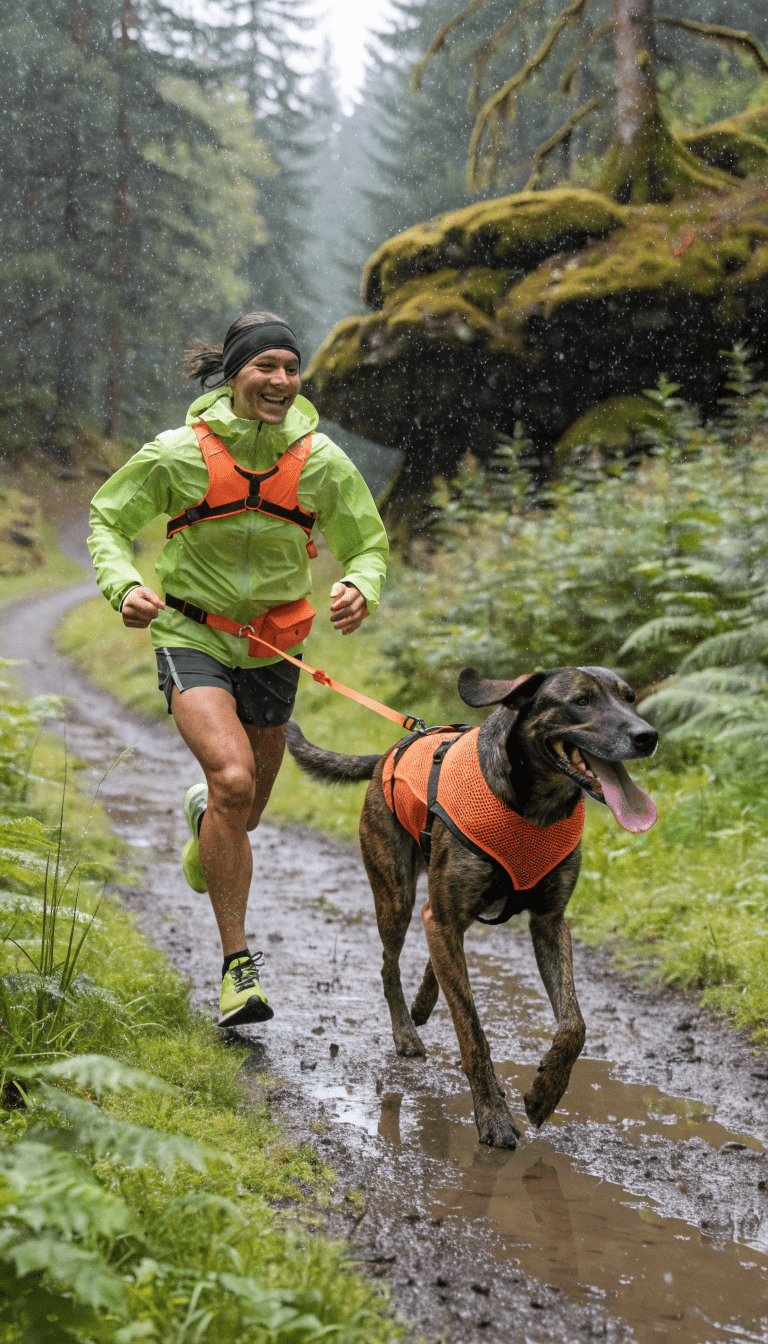
- Dog harness: A well-fitted, no-choke harness designed for pulling.
- Waist belt with bungee: Keeps you upright and absorbs shock.
- Leash/bungee setup: Adjusts for your height, stride, and dog speed.
- Water and snacks: Hydration for both of you after the run.
- Windbreaker or light jacket: Weather happens; be ready.
What you can skip: fancy running shoes with questionable grip if your current pair still feels solid. Your comfort matters more than the trend.
Real Talk: Can Canicross Turn a 20-Minute Walk Into a Fat-Burning Run?
Absolutely. The magic lies in tempo, tempo, tempo. Your body learns to burn fat more efficiently when you maintain a steady, moderate-to-vigorous pace for longer chunks of time. The dog’s energy keeps you moving, and you can glide from a casual stroll to a solid, sweat-inducing jog in a few sessions—no dramatic overhaul required.
But let’s be honest: you won’t instantly become a conditioning machine on Day 1. The goal is consistency, not a world-record sprint with a panting dog as your sponsor. FYI, celebrating small wins keeps you motivated.
FAQ
Is canicross suitable for beginners with zero running experience?
Yes. Start slow with walk-jog intervals and a comfortable pace. The dog’s enthusiasm can be your best training partner, but keep the effort level friendly. You’ll build fitness together.
What if my dog pulls too hard or loses interest?
Adjust your setup for comfort, teach clear cues, and mix in variety—new routes, games, or short bursts of running. If pulling becomes unsafe, pause, reassess equipment, and consider a break day to rebuild confidence.
How soon can I expect noticeable fat loss from canicross?
Visible changes vary by individual, but a steady routine paired with sensible nutrition can show improvements in 2–4 weeks for many people. The dog’s energy also climbs, which is a big win on its own.
Do I need to train with a professional or join a club?
Not strictly, especially to start. A club can add motivation, technique tips, and safety, but it’s not mandatory. If you love a guided vibe and extra accountability, a local canicross group is worth a try.
What if it’s raining or cold outside?
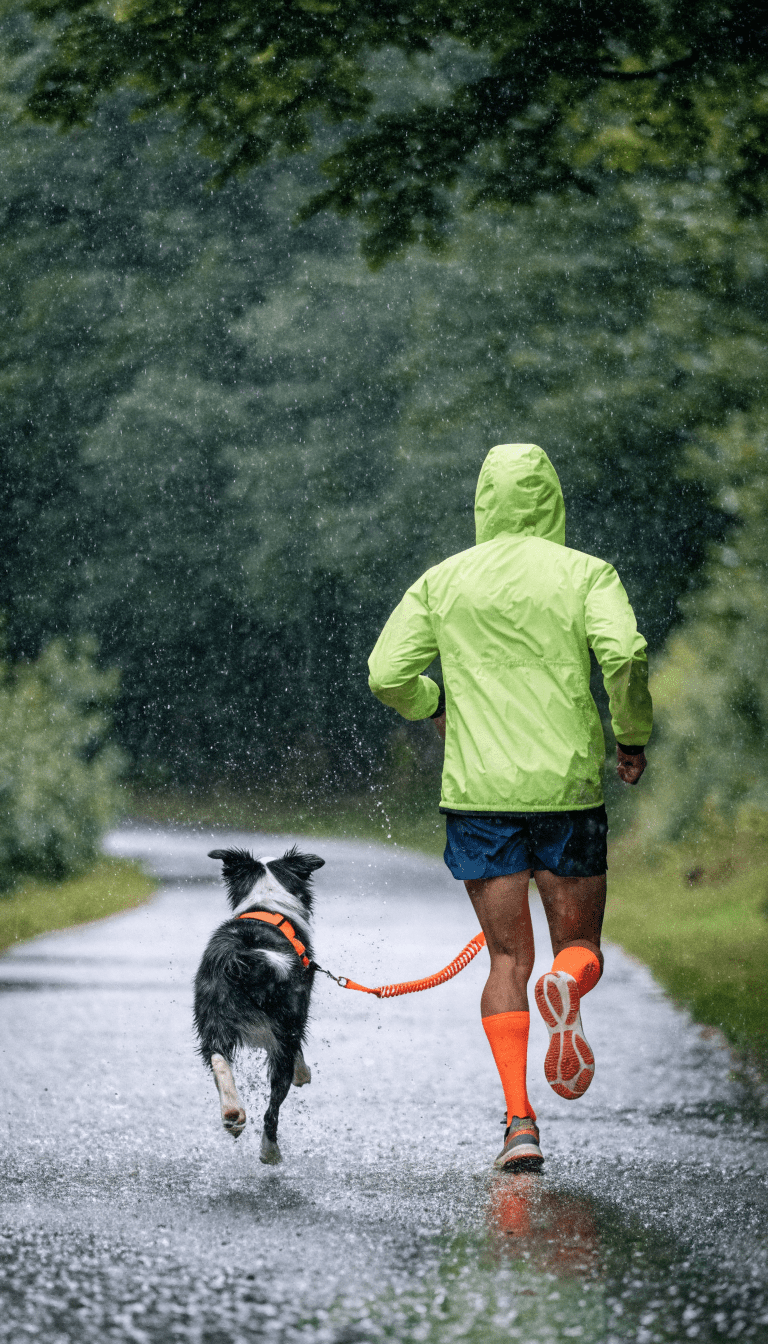
Canicross thrives in variety. Dress in layers, choose a waterproof shell, and keep runs shorter in extreme conditions. If the trail is unsafe, swap to an indoor alternative or do a quick home workout with your dog nearby.
Conclusion
Canicross isn’t just an activity; it’s a lifestyle hack for you and your dog. It transforms walks into structured, fat-burning sessions without the dread of a treadmill or a gym. With the right gear, steady progression, and a healthy dose of humor, you’ll see progress in days—not months.
If you’re craving a workout that feels like play and actually sticks, grab a harness, line up a favorite trail, and start with short, fun sessions. Your dog will thank you with more energy, better behavior, and a wag that could power a small city. And you’ll thank yourself for choosing a sustainable, enjoyable path to fitness. FYI, the journey is part of the payoff, so enjoy every squeaky-sniffed mile along the way.