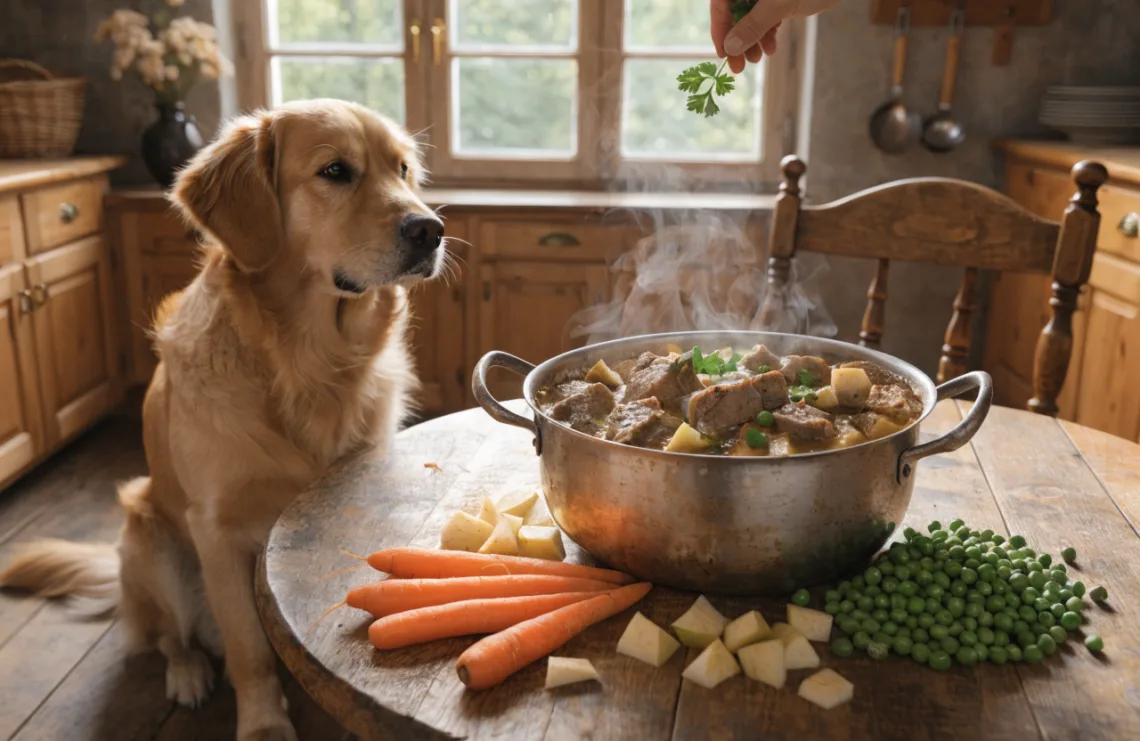
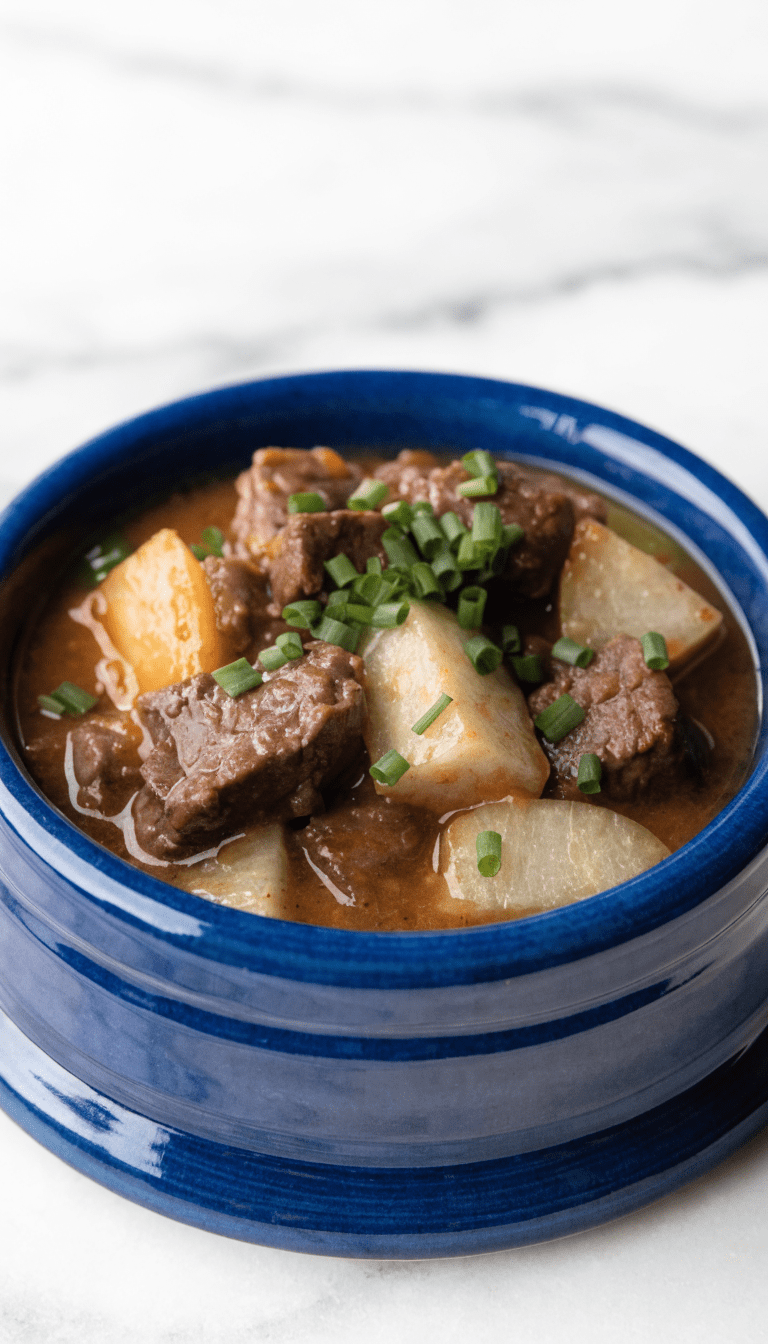
I know a good dog deserves a good stew. Beef and apple stew for dogs can be a cozy weeknight treat that still keeps things wholesome and simple. If your pup could talk, I bet they’d wag the moment you say “stew time.” Let’s dive in and have some fun while we keep it healthy.
What makes beef and apple stew a smart choice for dogs
Beef brings protein, fat, and iron to the party, which most dogs love. Apples add fiber and a touch of sweetness without going overboard. The combo feels like a win: tasty for your furry friend and easy for you to prep.
– Protein power: Ground beef or stewing beef adds the muscle fuel dogs crave.
– Veggie bonus: Carrots, peas, and apples give color, texture, and nutrients.
– Gentle cooking: Slow simmering softens everything so texture isn’t a shock to delicate palates.
FYI, every pup is unique. If your dog has allergies or a sensitive stomach, tweak ingredients or portions accordingly. IMO, starting with small batches helps you learn what your dog digs most.
Key ingredients and what they do
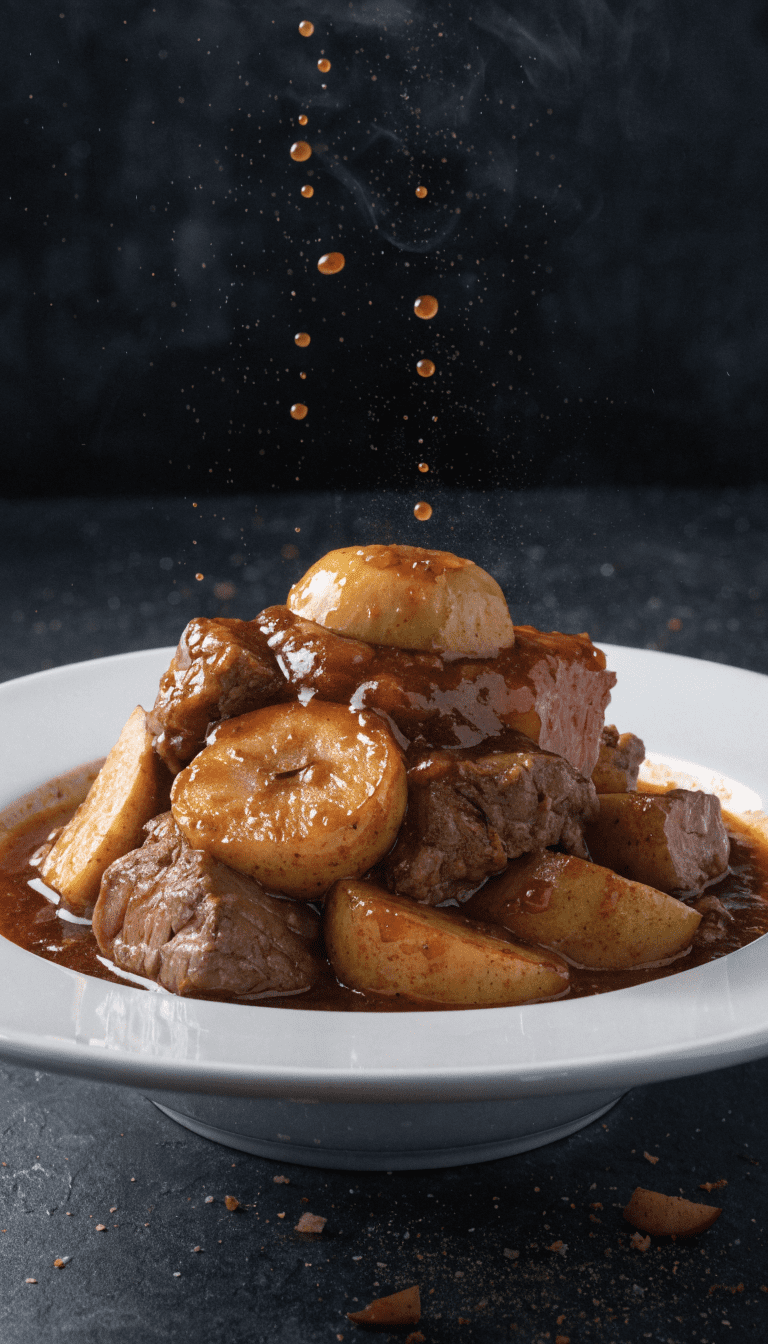
This isn’t about fancy restaurant vibes; it’s about ingredients your dog can handle safely and happily.
Beef
– Use lean ground beef or cubed stew meat.
– Trim excess fat to avoid tummy upsets.
– Cook until tender, but don’t overdo it—overcooked beef can crumble and feel bland.
Apples
– Use plain, sliced apples or small dice.
– Remove seeds and core; they’re not dog-friendly in large quantities.
– Apples add sweetness and fiber without fueling a sugar spike.
Carrots and veggies
– Carrots, peas, and green beans bring color and nutrients.
– Chop into bite-sized pieces so your pup can crunch or softly chew.
– Avoid onions, garlic, scallions, and chives—they’re toxic to dogs in any decent amount.
Broth and seasoning
– Use low-sodium beef broth or homemade stock for flavor.
– Keep seasonings minimal: avoid salt-heavy mixtures, garlic powder, onion powder, and any spicy stuff.
– A splash of water or broth helps keep the stew juicy without drowning it in salt.
Easy step-by-step: making a chef-level beef and apple stew at home
Let’s keep this simple and gas-free—no fancy kitchen gadgets needed.
- Brown the beef in a heavy pot to seal in flavor, then remove it to rest.
- Throw in chopped carrots and apples, sauté for a few minutes to wake them up.
- Return the beef, cover with low-sodium broth, and simmer gently.
- Add peas or green beans toward the end so they stay vibrant.
- Cook until the beef is tender and the veg is soft enough for your dog’s preference.
- Cool to a safe serving temperature before offering a small portion.
Pro tip: you can mash a small portion for puppies or seniors who don’t love chunks. The texture should be easy to swallow.
Portioning and feeding guidelines
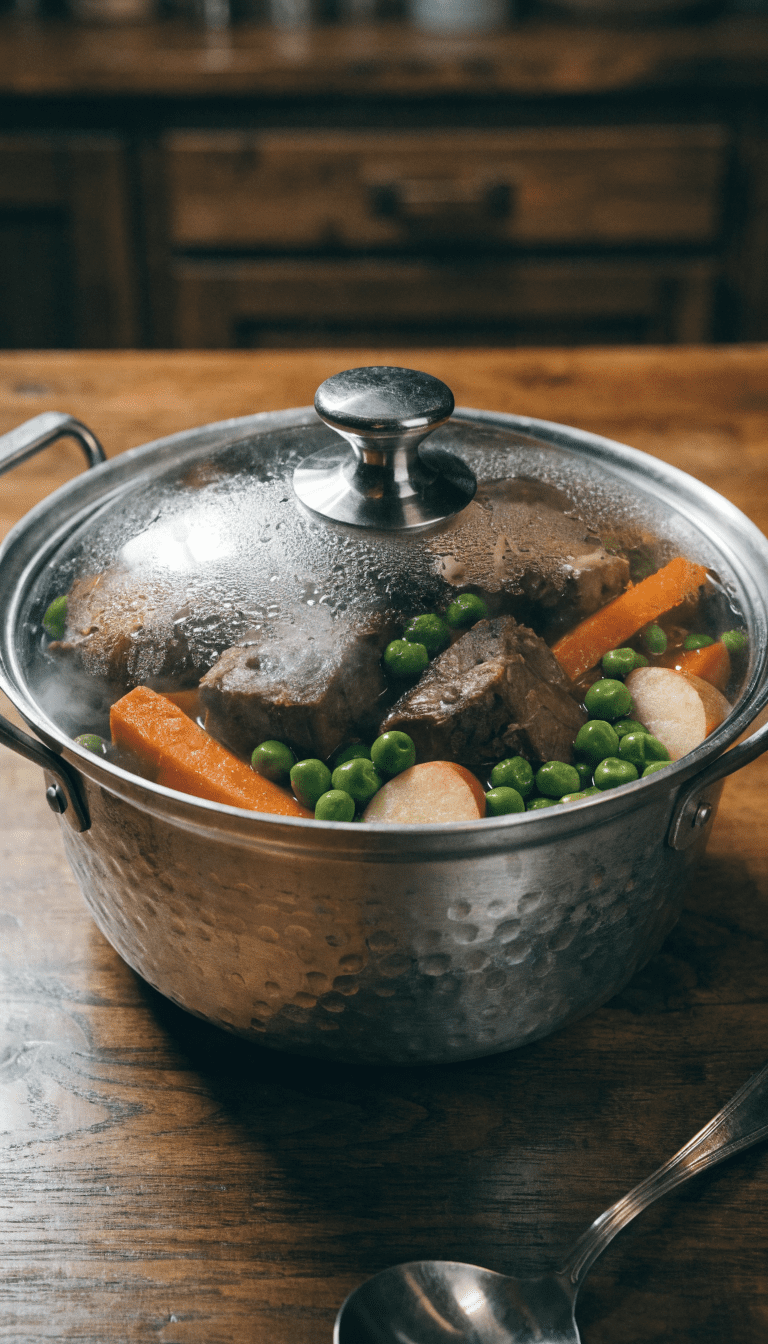
A good stew should be a treat, not a replacement. Use it as a topper or a small meal on occasion.
– Start with a few tablespoons for small dogs, gradually increasing based on weight and appetite.
– Medium to large dogs can handle a half-cup to a cup depending on their daily calories.
– Adjust based on activity level. More walking means a touch more food; less active dogs need a lighter hand.
- Always provide fresh water alongside the meal.
- Keep portions consistent to avoid stomach upsets.
- Introduce new ingredients one at a time to watch for allergies or sensitivities.
Common pitfalls and how to avoid them
We all slip up—stews aren’t immune to chaos. Here’s how to keep things safe and tasty.
Salt and seasoning overload
– Dogs don’t need the salt walls of a chef’s kitchen. Keep it bland.
– FYI, even small amounts of salt can accumulate and cause issues over time.
Onions and alliums
– Onions, garlic, leeks, and chives are a hard no. They can wreak havoc on red blood cells.
– If you’re ever unsure about an ingredient, skip it. Your dog will forgive you for the conservatism.
Fat traps
– Fat equals flavor, but too much fat can trigger pancreatitis in some dogs.
– Trim fat and go lean where you can. If your pup handles fat well, you can experiment slowly.
Texture preferences
– Some dogs love chunky meals; others prefer smooth. Adjust with mash size.
– If your pup is a picky eater, mix a bit of the stew with kibble to help it go down easier.
Flavor ideas that still stay dog-friendly
Want to mix it up without compromising safety? Try these tweaks.
- Swap in pumpkin puree for extra fiber and moisture.
- Add a splash of plain yogurt for creaminess if your dog tolerates dairy.
- Try a touch of cinnamon or turmeric if your vet says it’s okay; both can be anti-inflammatory in small amounts.
Smart swaps for picky eaters
– If your dog loves sweeter notes, keep the apple presence but pair it with a savory broth to balance flavors.
– For pups who crave chew, leave some chunks larger and let them gnaw a bit before finishing the stew.
Safety and health considerations
Food safety isn’t optional when you’re cooking for dogs.
– Always cook meat thoroughly to kill bacteria.
– Cool leftovers within two hours and refrigerate; reheat to a safe temperature before serving.
– If your dog has a known condition (kidney disease, diabetes, etc.), check with your vet before adding new foods or changing meal plans.
When to avoid making a beef-apples stew
– If your dog has a history of pancreatitis, talk to your vet about fat content limits.
– If your dog’s appetite suddenly changes or you notice vomiting/diarrhea after introducing the stew, pause and consult a vet.
Real-life pups, real-world outcomes
People keep asking: does this actually work for dogs? The short version: yes—when done thoughtfully.
– Dogs often love the savory beef aroma and the subtle sweetness from apples.
– The texture can be comforting, especially for dogs who enjoy a warm, soft meal.
– The best results happen when you keep it simple and watch your dog’s response.
If you’re curious, start with a small batch, observe tummy tolerance for 24–48 hours, and adjust. IMO, this is where the magic happens: tiny experiments that lead to steady favorites.
How to incorporate into your dog’s routine
– Use the stew as a weekly treat or a top-off for regular meals.
– Pair with a balanced kibble to keep nutrition aligned.
– Celebrate a new routine with a camera-ready happy tail wag.
FAQ
Can I freeze beef and apple stew for dogs?
Yes. Freeze in small portions and thaw in the fridge before reheating. It keeps well for about 1–3 months in the freezer, depending on your freezer’s reliability.
How do I know if my dog likes the stew?
Watch for wagging tails, bright eyes, and a clean plate. If your dog licks the bowl clean and asks for more, you’ve likely hit the sweet spot. If they turn away, adjust textures or ingredients.
Is beef stew safe for puppies?
Puppies can enjoy it in moderation, but start with small portions and make sure the texture is soft. Puppies have sensitive stomachs, so introduce new foods gradually and monitor for any signs of distress.
What if my dog has allergies or sensitivities?
Always check ingredients carefully. If you spot food sensitivities, remove the suspected ingredient and try a new, dog-safe variation. When in doubt, consult your vet to tailor a plan that fits your dog’s needs.
Can I use store-bought broth?
Opt for low-sodium, no added onions or garlic. If you’re unsure, you can make a quick homemade broth with plain water and a few safe vegetables to control salt and additives. FYI, homemade often gives you better control over ingredients.
Conclusion
Beef and apple stew can be a cozy, wholesome treat that fits into a balanced routine. The trick is simple: lean protein, safe fruits and veggies, and gentle cooking. If you want to share a warm bowl with your furry pal and not turn your kitchen into a chemistry lab, you’re in the right neighborhood. So grab a pot, a spoon, and a wag-worthy appetite. Your dog will thank you with the cutest victory lap around the living room.