
I’ll cut to the chase: BARF stands for Bones and All Raw Food, and yes, it can transform a dog’s energy, coat, and zest in a surprisingly short time. If you’re curious whether your pup can handle raw meals without drama, you’re in the right place. These 10 recipes are tasty, practical, and designed to help health-level upgrades without turning your kitchen into a science lab.
1) The Classic Ground Beef Power Bowl
This is the entry point for many BARF newbies, and it often delivers quick wins. Ground beef is easy to portion, highly palatable, and pairs well with simple add-ins that boost nutrition.
– What’s in it: 70% lean ground beef, 15% organ meat (liver or kidney), 15% appropriately processed bones or bone meal for calcium, plus a handful of finely chopped veggies like carrot or spinach.
– Why it helps: Protein first, plus micronutrients from organs and greens. Dogs often show shinier coats and more energy after this baseline setup.
– How to serve: Mix, portion into meals, and offer a splash of water or broth to keep texture appealing.
Subsection: Safety snapshot
– Always use fresh, high-quality ingredients.
– Organs should be fed in measured amounts (roughly 5-10% of the diet for most dogs).
– Avoid seasoning; plain is best for digestion.
2) The Salmon & Egg Glow-Up
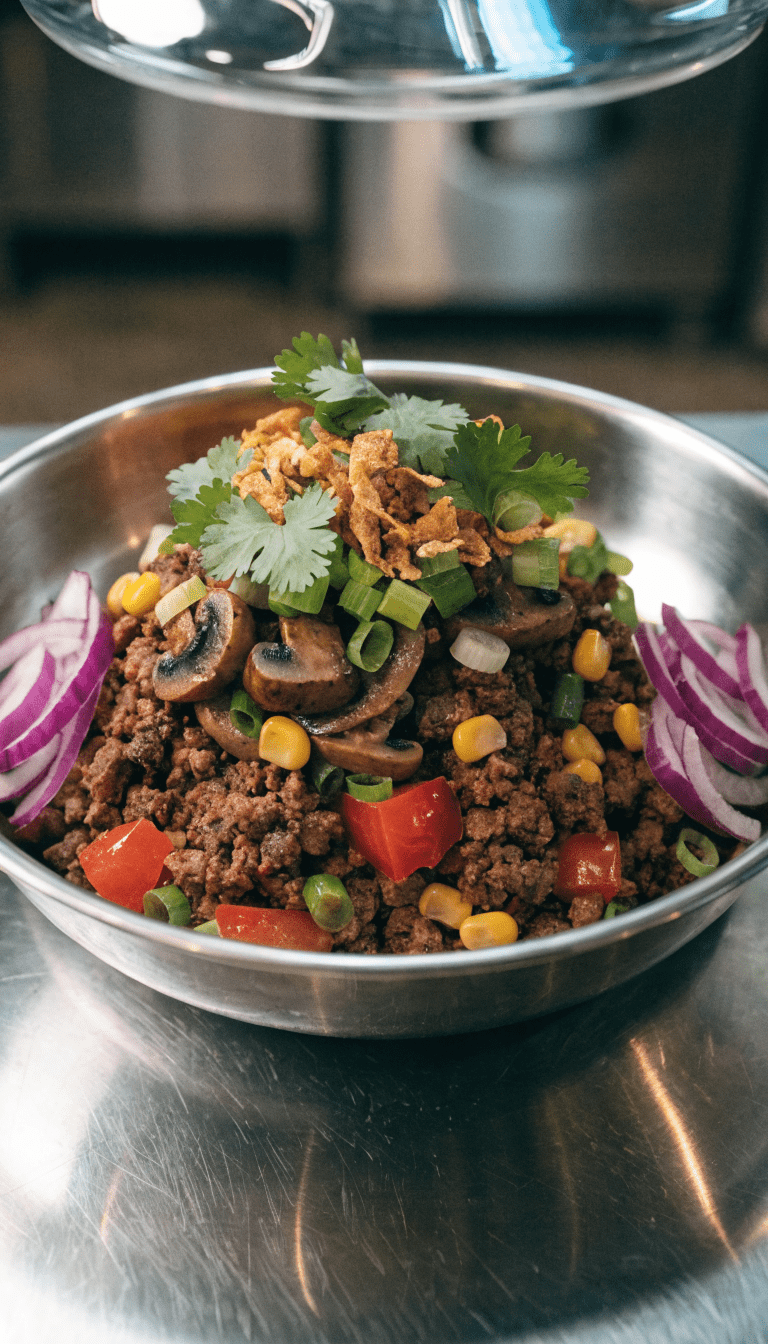
Omega-3s from fish and the protein punch from eggs can do wonders for skin, joints, and mood. If your pup’s coat looks dull or they scratch more than a minor itch, this combo might be your new best friend.
– What’s in it: Raw salmon or sardines (bones removed or finely mashed), 1-2 eggs (raw or lightly scrambled), and a basic veggie mix.
– Why it helps: EPA and DHA support inflammation reduction, and eggs supply high-quality protein and B vitamins.
– How to serve: Ensure fish is from a safe source to minimize parasites. Break eggs into the mix for a fluffier texture.
Subsection: fish safety quick guide
– Freeze fish for at least 7 days before serving to reduce parasite risk.
– Avoid canned fish that’s packed in oil with additives.
3) Chicken Thigh Dynamo with Calcium Boost
Chicken thighs are flavorful, affordable, and a staple for many BARF meals. This recipe adds a calcium punch so you don’t have to play calcium tetris at mealtime.
– What’s in it: Ground or finely chopped chicken thigh, crushed bones or bone-in pieces (compensated with extra bone meal if needed), spinach, and a touch of ground flaxseed.
– Why it helps: Lean protein, steady energy, and bone support. This one’s dependable for daily rotation.
– How to serve: Combine thoroughly to avoid big bone clusters and check that there’s no bone that’s a choking risk.
4) Beef Heart & Liver Duo—The Organ Power-Up

If you’re prioritizing energy and vitality, organ meat is where the magic happens. This recipe emphasizes beef heart for humorously good stamina and liver for a vitamin boost.
– What’s in it: Finely chopped beef heart, small amount of liver (about 1/4 the organ portion), a handful of greens or pumpkin puree for fiber.
– Why it helps: Organ meats are dense in nutrients dogs often crave but may not get from muscle meat alone.
– How to serve: Introduce organ meats gradually to avoid digestive upset. Start with tiny portions and scale up slowly.
5) Pork Belly Surprise—Healthy Fats with Bonus Flavor
Pork belly brings nice fat content and flavor that can help dogs who need more calories or have picky appetites. Keep fat portions reasonable to avoid tummy trouble.
– What’s in it: Ground pork belly or pork shoulder, small amounts of bone (or bone meal), diced apples or berries as a sweet pocket, and greens.
– Why it helps: Fats support energy and skin health, while the fruit adds fiber and micronutrients.
– How to serve: Balance fat with lean protein to keep digestion smooth. If your dog is sensitive, start with a smaller portion and monitor.
6) Turkey & Gizzards—Texture That Delights
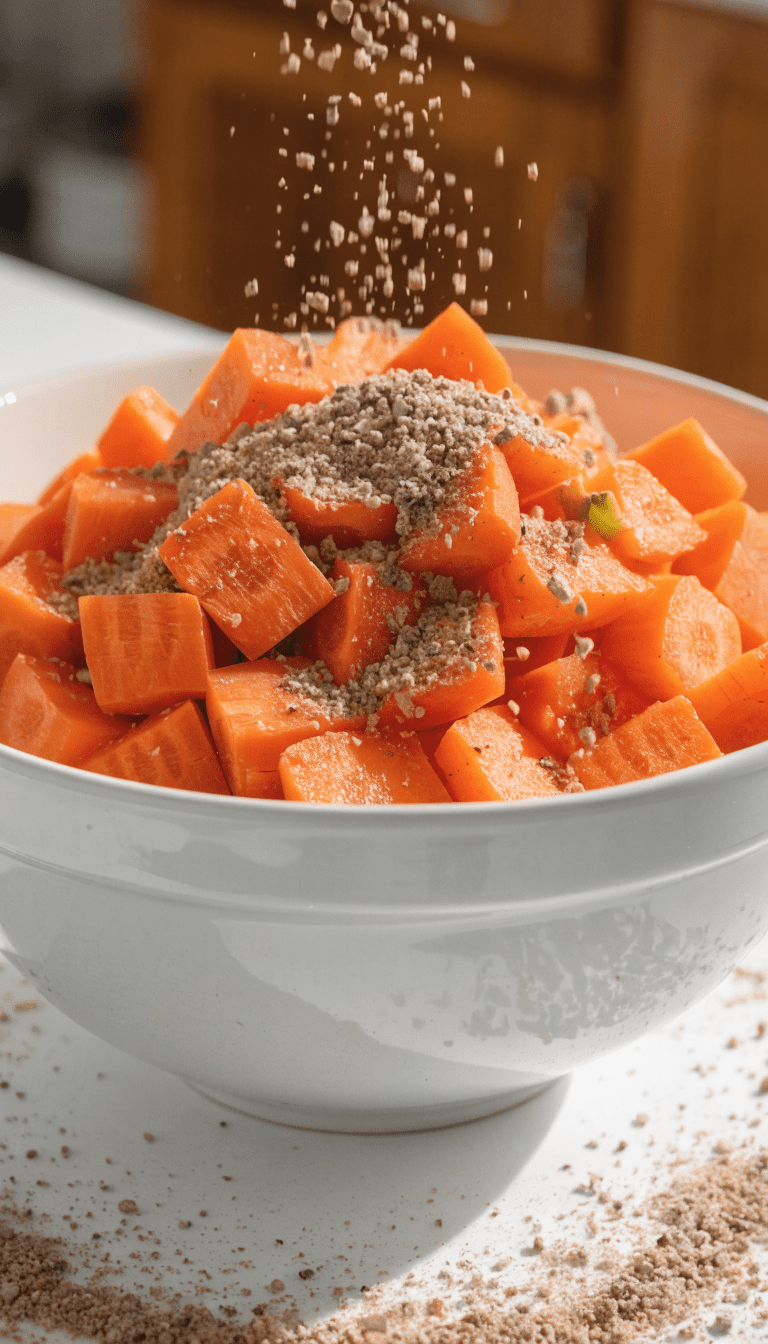
If you’ve got a dog that’s a texture snob, gizzards add bite and chew that many dogs love. Turkey keeps things lean and approachable.
– What’s in it: Ground turkey, turkey gizzards finely chopped, a handful of chopped greens, and a little bone meal for calcium.
– Why it helps: A different muscle meat in the rotation prevents dietary monotony and helps cover amino acid profiles.
– How to serve: Cut gizzards small enough to chew easily; mix well so every bite feels satisfying.
7) Lamb Ya-Ya—Joint-Friendly Delights
For pups with joint concerns or who love a slightly gamier flavor, lamb is a welcome change. It’s rich in fats and minerals that many dogs crave.
– What’s in it: Ground lamb, occasional lamb liver, finely chopped carrots, and bone meal or crushed bones if safe to feed.
– Why it helps: Lamb often provides a rich nutrient blend and can improve appetite in picky dogs.
– How to serve: Introduce gradually and watch for any digestive hiccups as you mix with other proteins.
8) Veggie-Forward Balance for Digestive Health
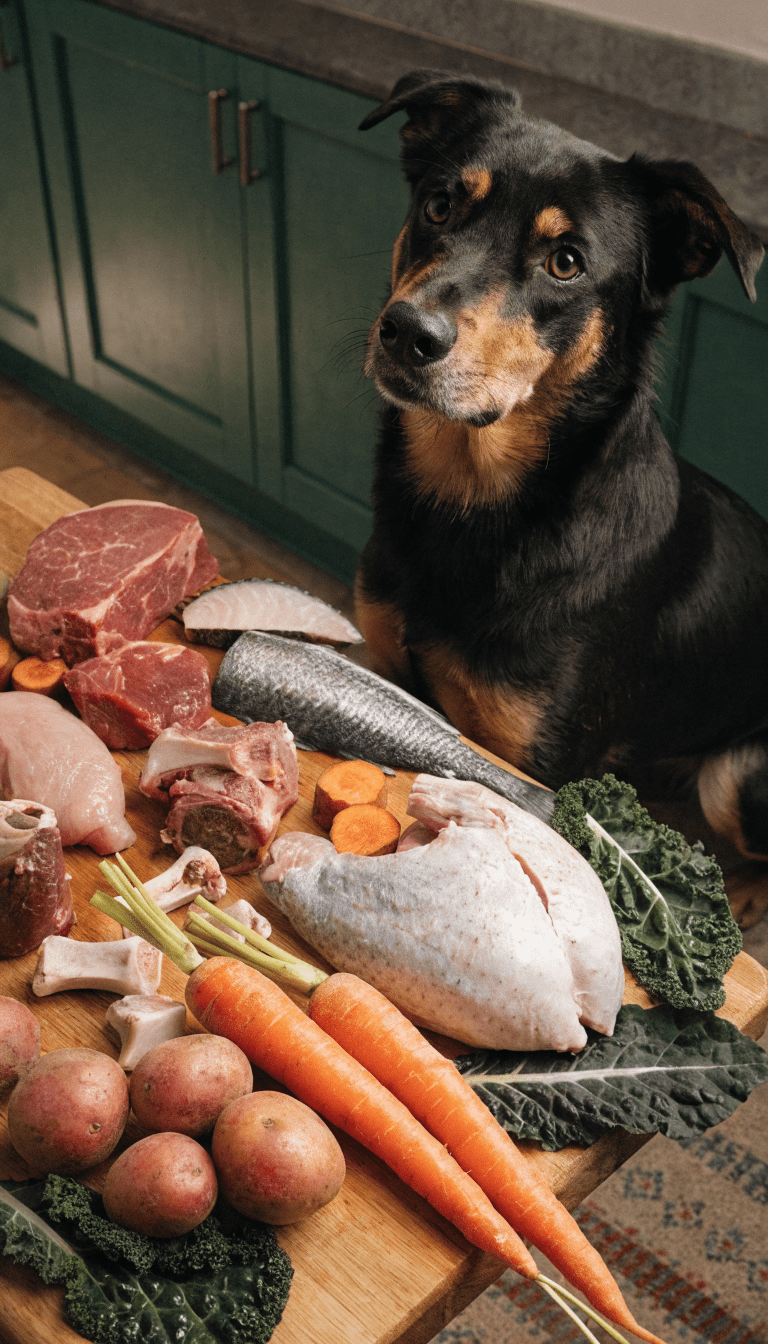
Yes, dogs need meat, but a little veggie support helps with digestion, fiber, and micronutrients. This section isn’t about turning your dog into a salad eater, more about practical balance.
– What’s in it: A safe mix of pumpkin, spinach, green beans, and a splash of olive oil for healthy fats.
– Why it helps: Fiber supports gut health, while healthy fats promote a glossy coat and steady energy.
– How to serve: Keep veggies finely chopped or pureed so dogs can chew and digest easily.
Subsection: veggie dosing tips
– Start with small amounts (1-2 tbsp per meal) and scale up as tolerated.
– Rotate vegetables to avoid any single nutrient overload.
– Avoid onions, garlic, and nightshades (for most dogs) unless you’ve consulted a vet.
9) The Rotational Plan: Why Variety Beats Routine
This isn’t a recipe per se, but a strategy that helps prevent nutritional gaps and keeps meals exciting. Variety isn’t just spice; it’s insurance for balanced nutrition.
– What’s in it: A 4-week rotation that cycles through beef, poultry, pork, and fish with occasional organs.
– Why it helps: Reduces allergy risk and covers a wide spectrum of vitamins and minerals.
– How to manage: Keep a simple log of what your dog eats and how they respond (energy, stool, mood). FYI, your future self will thank you.
10) Quick-Start Checklist for Success
If you want a fast-start plan that doesn’t feel chaotic, this checklist keeps you on track.
– Ingredient sourcing: Choose high-quality, human-grade sources whenever possible. Fresh is best.
– Portion control: Start with 2-3% of body weight per day and adjust based on weight gain, energy, and stool.
– Transition tips: Swap one old meal for a BARF meal for 4-7 days, then increase the BARF ratio gradually.
– Safety reminders: Always supervise feeding in the first weeks, especially with raw bones or new proteins.
Subsection: common mistakes to avoid
– Overfeeding or too-rapid changes can stress the gut.
– Forgetting to include organs in a balanced way (they’re powerful nutrition vehicles, not afterthoughts).
– Not addressing parasites or disease-related dietary needs with a vet’s guidance.
FAQ
Is BARF safe for all dogs?
BARF can be safe for many dogs, but it isn’t one-size-fits-all. Puppies, seniors, or dogs with certain health conditions may need tailored plans. Always consult your veterinarian before starting any raw diet, especially if your dog has a history of pancreatitis, immune issues, or dental problems.
How do I know if my dog is getting enough nutrients?
Watch for steady energy, normal stool, healthy coat, and good weight. If your dog starts losing weight, shows digestive upset, or has lethargy, adjust portions or consult a vet. IMO, keep a simple log to spot trends quickly.
What about bones? Aren’t bones dangerous?
Raw bones can be safe when properly chosen and supervised, but cooked bones are a no-go. Always ensure bones are appropriate for your dog’s size and chewing style. If in doubt, use ground bone or bone meal as a calcium source rather than large, hard bones.
How long does it take to see health improvements?
Results vary. Some owners notice shinier coats and more energy within weeks, others take a few months. Patience plus consistency is the secret sauce here.
Can I freeze meals for later?
Yes. Many people prep batches and freeze them in portioned containers. Thaw safely in the fridge or warm in a controlled way. Avoid microwaving, which can compromise texture and nutrients.
Conclusion
Switching to a BARF-centered approach doesn’t have to be chaotic or scary. With these ten recipes as your starting lineup, you can mix protein power, organ support, and smart fats into meals that dogs actually look forward to. The goal isn’t perfection on day one; it’s steady progress, informed choices, and a little kitchen experimentation that pays off in better energy, happier tummies, and that glossy coat you’ve been chasing.
So, grab a few ingredients, line up a week of meals, and start your rotation. FYI, once you see your pup zooming around the yard with that spring in their step, you’ll be glad you stuck with it. Ready to experiment, or got a dog-specific question you’re itching to ask? I’m all ears—we’ll figure this BARF thing out together.