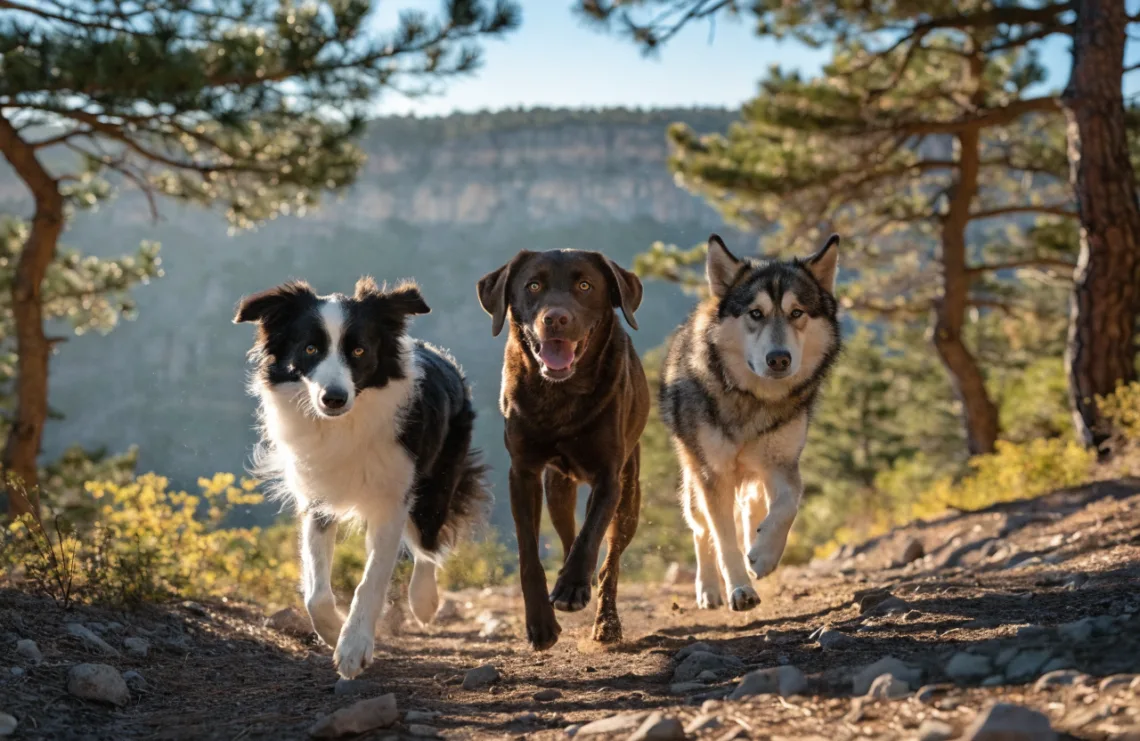
If you’re chasing trails with a four-legged sidekick who actually enjoys the uphill grind, you’ve found your crew. Best hiking dogs aren’t a single breed or sport; they’re a vibe, a pack, and a surprisingly good alarm system for squirrels. Grab a snack, lace up, and let’s dive into the world of dogs who crave the trail as much as you do.
What makes a “best hiking dog”, anyway?
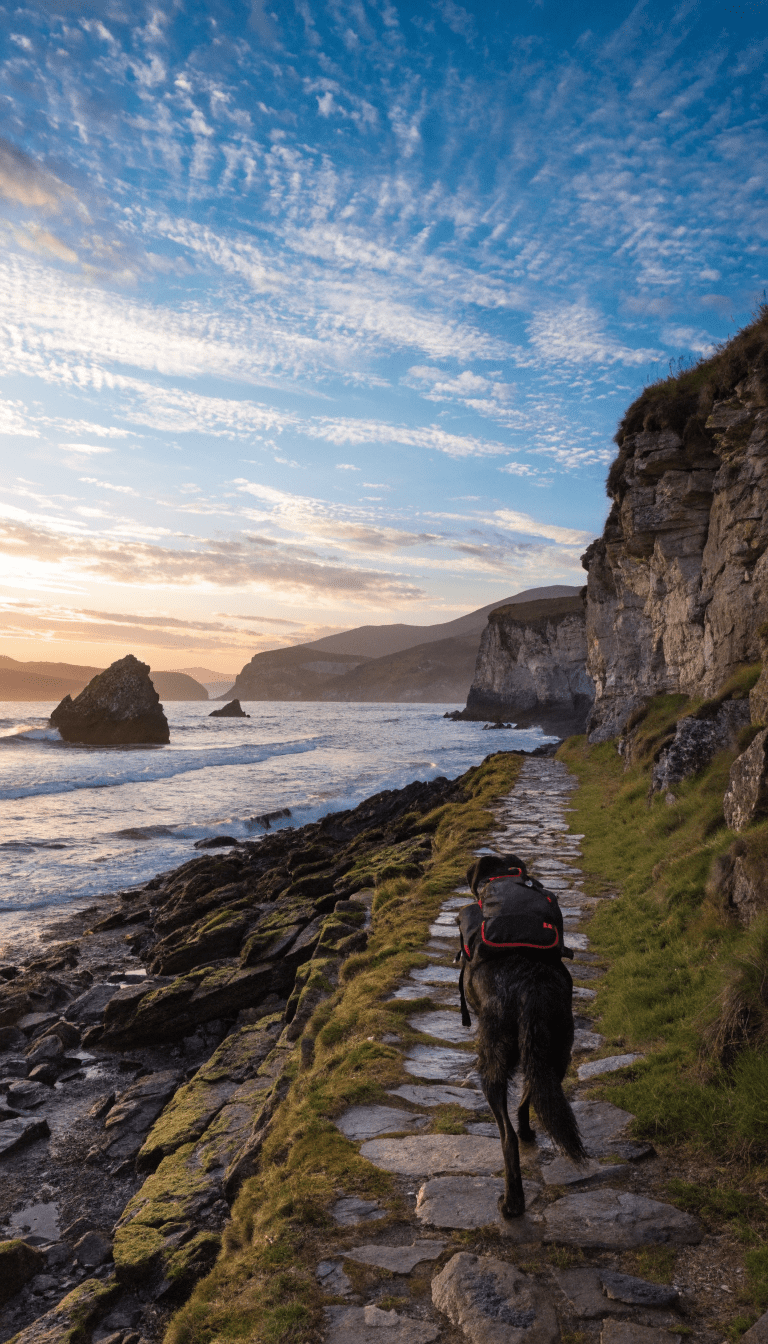
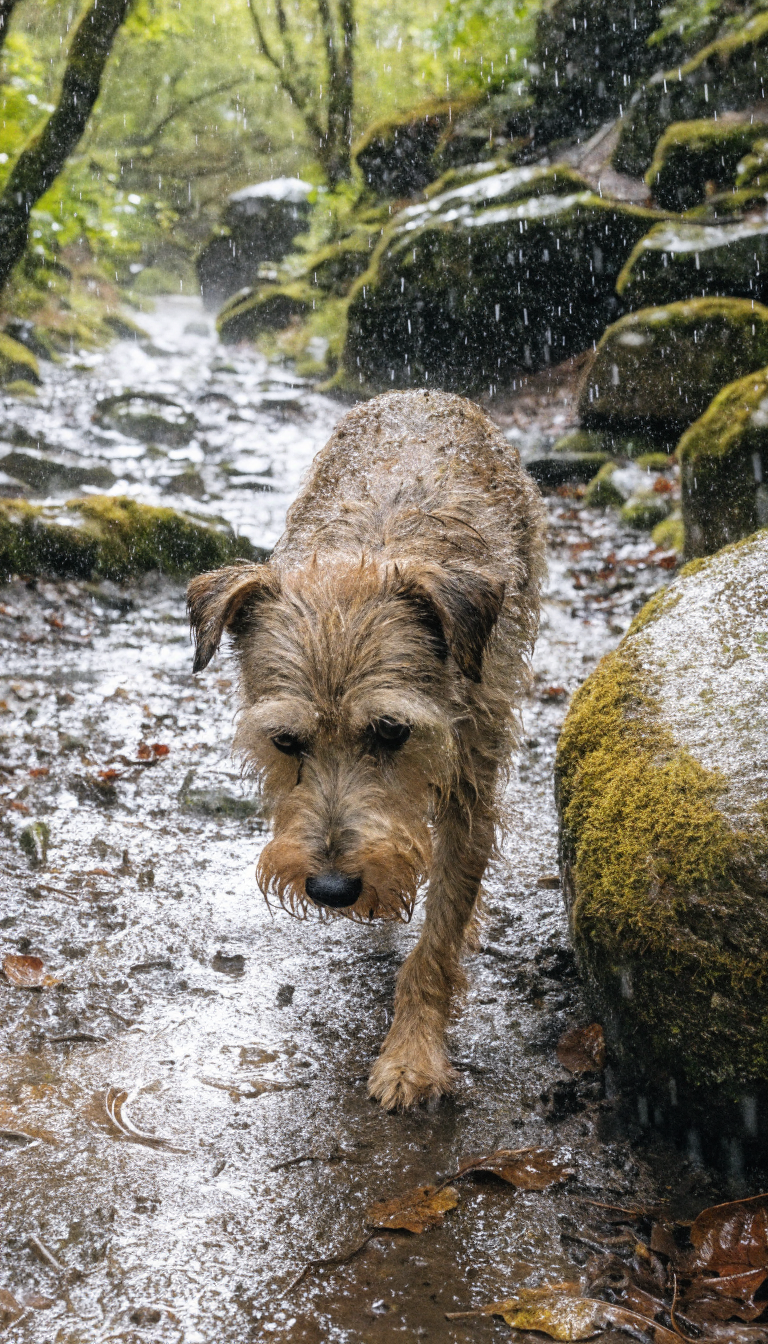
You might think it’s all about size or speed, but there’s more to it. A true hiking dog blends stamina, temperament, and a little grit. They’re the ones who wag through rain, keep pace on long miles, and still have the energy to greet a puddle like it’s a spa day. They don’t life-hack the trail so you can nap—they drag you toward the summit with a goofy grin and a helpful nose. FYI, it’s not about being the fastest; it’s about being reliable, happy, and a little snack-first in the best possible way.
Top breeds that shine on the trail
There isn’t a single MVP breed; there are many players who love the outdoors. Here are a few that consistently crush trail life, along with why they’re a solid bet.
- Border Collie — brains, stamina, and tunnel-vision focus on the next interesting scent. They’ll outwork you in a heartbeat, so bring extra treats for motivation.
- Labrador Retriever — a classic for a reason: friendly, tough, and absurdly patient with kids and gear. They’re built for long days and splashy river crossings.
- Australian Shepherd — agile, athletic, and happiest when they’re in the mix. Expect a high-energy buddy who loves rule-breaking lateral moves around switchbacks.
- German Shorthaired Pointer — great endurance and outdoor enthusiasm. They’ll run circles around most humans, then nap in your camp chair like a tiny, furry MVP.
- Beagle or medium hounds — excellent scent hounds with surprising stamina. They’ll guide you by nose and remind you to pause for the view, not just the path.
- Alaskan Malamute / Siberian Husky — built for cold, tough trails. They’ll handle snow and wind with a gleeful howl, but they need space and sturdy recall training.
What about mixed breeds?
Mixed breeds often pack the best of both worlds. They’re typically adaptable, have varied energy levels, and rarely fit a single stereotype. If you’re adopting from a shelter, ask the volunteers about endurance, temperament, and how they behave on a leash. The trail doesn’t discriminate, and neither should your pup.
Gear up smart: harnesses, packs, and boots
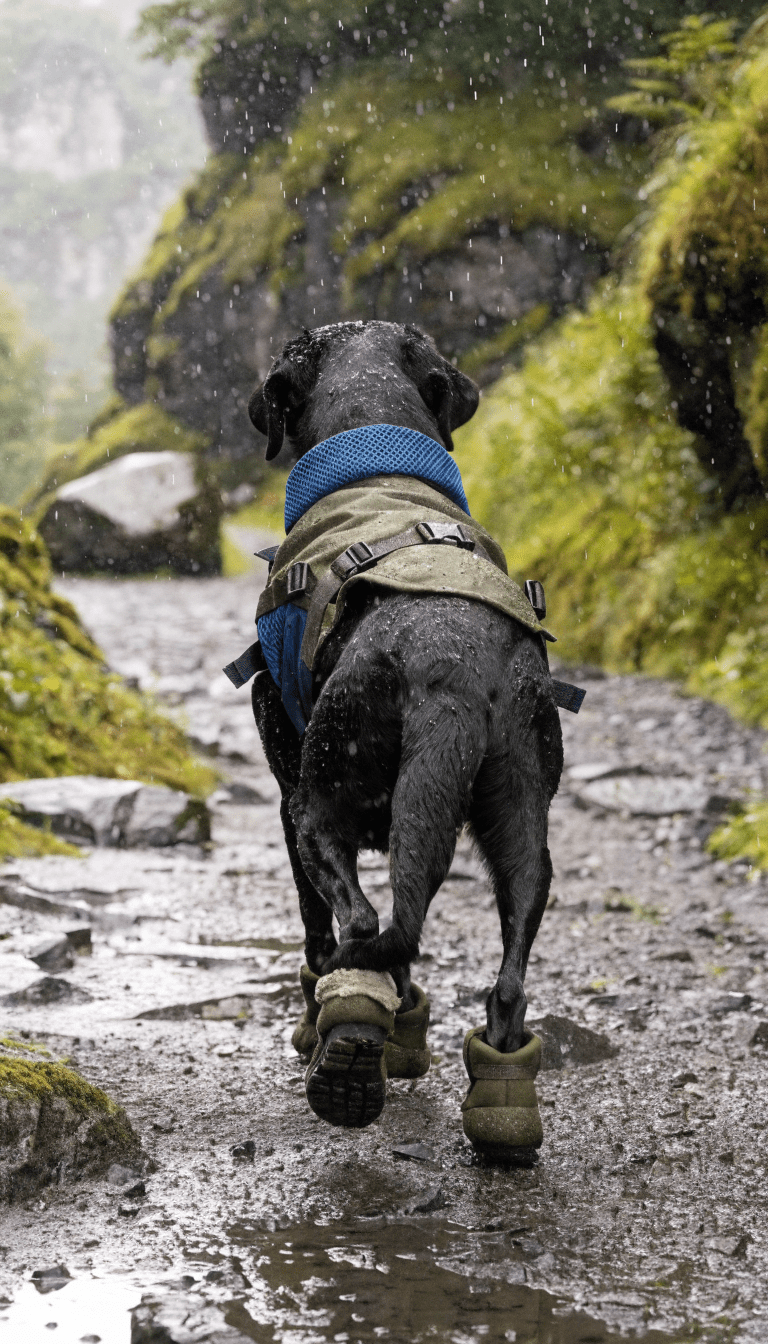
Your dog’s gear can make or break a trip. Here’s how to dial it in without turning your hike into a fashion show gone wrong.
- Harness vs. collar — a well-fitting harness reduces strain on the neck and gives you better control on rough terrain. Collars are fine for short city walks, not for cliffy scrambles.
- Dog backpack — some dogs enjoy carrying their own water, snacks, and a few essentials. Keep the load light and balanced; don’t turn your buddy into a pack mule.
- Boots — not a must for every pup, but they’re a lifesaver on hot rocky trails or icy patches. Start gradual; reward the paw with a treat after every successful session.
- Collapsible bowls — hydration on the move is non-negotiable. Smart, simple, and saves space in your pack.
How to fit a harness properly
Two fingers should slide under the strap at the chest. If you can slip two fists through, it’s too loose. If you can’t fit a finger under the strap, it’s too tight. You want snug but comfortable. Check for chafing after long days and readjust as needed.
Training tips that actually work on the trail
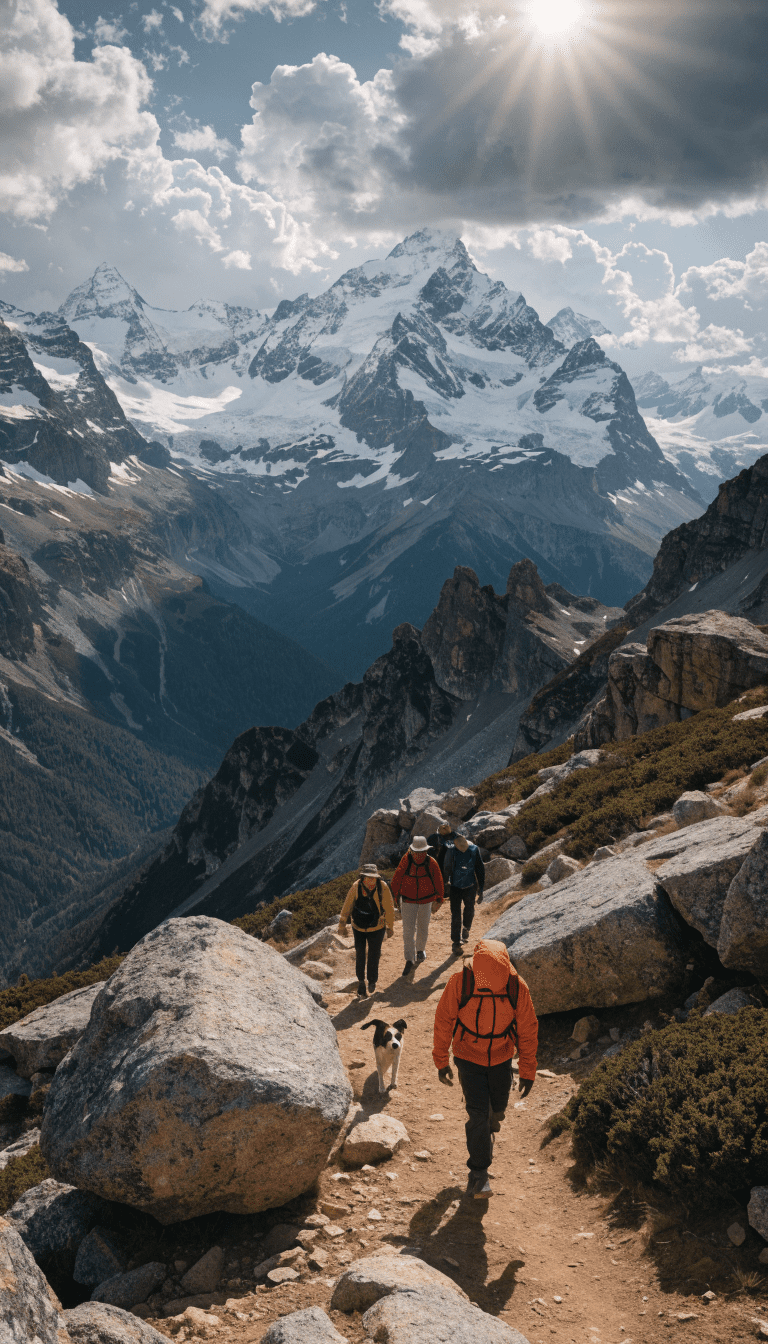
Your dog isn’t just a furry obstacle on the path; they’re a partner. Here are tricks that help you both stay safe and have fun.
- Recall is king — practice “come” everywhere: living room, yard, the trailhead. Start with a juicy reward and progress to more distracting environments.
- Leave it, then reward — teach that something tempting (a rodent, a snack, a muddy sock) isn’t fair game. Reward them when they ignore it and choose you instead.
- Leash discipline — on busy trails, keep to a short leash until you know the area. A loose leash is a dream—until your buddy spots a squirrel and you end up doing a bowing, dramatic tango.
- Hydration discipline — water breaks every few miles aren’t indulgent, they’re essential. Dogs overheat quickly when they’re hustling under sun and exertion.
Dealing with distractions
If your pup loves chasing critters, you’re going to deal with wildlife triggers. Start with desensitization in safe settings and add distractions at the trailhead. Use a long line in new areas and gradually reel it in as the recall strengthens. If you’re not into training, hire a pro or join a local canine hiking group—community motivation can be priceless.
Safety first: health, heat, and handling tough days
Hiking with dogs is joyful, but not risk-free. Here’s how to keep things sane.
- Check heat and paw health — asphalt can scorch paws in summer. If it’s hot, pick shaded routes or go early. After a day, inspect paw pads for cracks or sores and wash off dirt to prevent infections.
- Weather psychology — dogs feel cold differently than humans. In windy or snowy conditions, a coat or extra warmth can make the difference between a fun day and a shiver-fest.
- Trail etiquette — yield to hikers and wildlife, keep dogs under voice control, and pick up after them. A polite pup makes the whole trail friendlier for everyone.
- Sun protection — dogs get sunburn, especially on noses and ears. Consider dog-safe sunscreen for long sunny days or shade-heavy routes.
Food, snacks, and the snack-before-sleep ritual
Food fuels adventures, and dogs are excellent snack critics. Here’s how to keep cravings in check and energy steady.
- Timely snacks — give a light, digestible snack before the hike, and a solid meal after. No one wants a hangry pup on the summit.
- Hydration hacks — carry a reliable water source and offer frequent sips. Dehydration sneaks up fast on legs that won’t stop.
- Trail-safe nutrition — avoid grapes, raisins, chocolate, onions, or xylitol-sweetened items. FYI, many human treats are toxic to dogs in surprising amounts.
- Post-hike wind-down — a cool-down walk and a comfy bed or blanket after the trek helps the muscles settle and the mood stay chill.
What snacks actually work on the trail?
Soft treats and jerky-style bites are handy because they’re easy to carry and quick to deliver. A peanut-butter-filled chew keeps them occupied during tough sections. If you’re into DIY, small cheese cubes or shredded chicken work wonders, but keep portions reasonable to avoid tummy trouble.
Dogs who win the trail: stories from the road
Every dog has a hiking origin story. Here are a few quick vignettes to spark your imagination.
– The Border Collie who could outperform a GPS with a nose for navigation, guiding a friend through a sparsely marked ridge with confident, careful steps.
– The Lab who paddled through a river crossing with the enthusiasm of a toddler at a splash pad, tail wagging so hard you could see it from 100 meters away.
– The Husky who strapped on a tiny backpack, carried extra water for the team, and never complained about a single icy wind or steep climb.
– The Beagle-mix who sniffed out a trail-side treat stash and turned a long day into a scavenger-hunt grand finale.
FAQ
Are there specific breeds that shouldn’t hike a lot?
If a dog has health issues, heavy joints, or a propensity for overheating, you’ll want to tailor the activity to their needs. Always consult a vet before starting a strenuous hiking regimen. Some dogs thrive with short, frequent hikes; others love long, rugged days. Listen to your dog’s signals and start slow.
How do I know my dog is ready for a tough hike?
Look for steady energy, good focus, and solid recall in low-distraction settings. If your pup tires quickly, lags behind, or loses interest in commands, scale back the distance or elevation. Remember, safety first—you’re the trail’s captain and your dog is the co-pilot.
What if my dog pulls on the leash?
Work on leash manners in calm environments first. Teach a strong “heel” or “let’s go” cue, and use positive reinforcement. If you’re in rocky terrain or near wildlife, consider a hands-free leash setup to stay balanced and avoid a sudden jerk.
Should I bring my dog on every hike?
Nope. Not every hike is dog-friendly, and some heat or altitude can be rough. Check trail regulations, water sources, and shade availability. If a route feels overly technical or long, it’s okay to skip it and plan a shorter, friendlier outing instead.
What gear is non-negotiable for a long-day hike?
Hydration, a sturdy harness, a collapsible bowl, a coat or dog-appropriate protection, paw protection if needed, and a reliable leash. A first-aid kit tailored for dogs is also smart, especially for longer expeditions or remote areas.
Conclusion
Hiking with a dog is less about chasing the fastest route and more about sharing the climb with a buddy who makes every switchback an adventure. The best hiking dogs blend stamina, smarts, and a healthy dose of goofy joy. With the right gear, training, and a dash of humor, you’ll turn any trail into a memory you both will replay on rainy days. So, lace up, grab a pal who loves snacks as much as you love views, and hit the trail. The mountain isn’t going anywhere, but your dog’s grin when you reach the top might just steal the show. IMO, that’s what hiking is really about.