
If you’re reading this, you’re probably staring at a bundle of enthusiasm wrapped in ears and tail: an English Springer Spaniel. Let’s cut to the chase—these dogs are brilliant, but not every thing about them is obvious. Here are 9 things no one tells you, plus a few tips to keep your sanity intact and your pup thriving.
1. They’re smart, but not always obedient on your schedule
Springers soak up information like a sponge, then test you to see if you actually know what you’re doing. Training sessions feel more like a collaboration than a lesson: you bring the plan, your dog brings the enthusiasm, and sometimes a rolling toy distracts both of you. If you go in expecting instant perfection, you’ll be disappointed. If you go in with consistency, you’ll see real progress—usually right after a dramatic zoomies break.
Hint: short, frequent sessions beat marathon cram sessions. Keep it light, keep it fun, and celebrate every little win with a treat or a squeaky toy.
2. They live for the moment—especially the sniffy ones
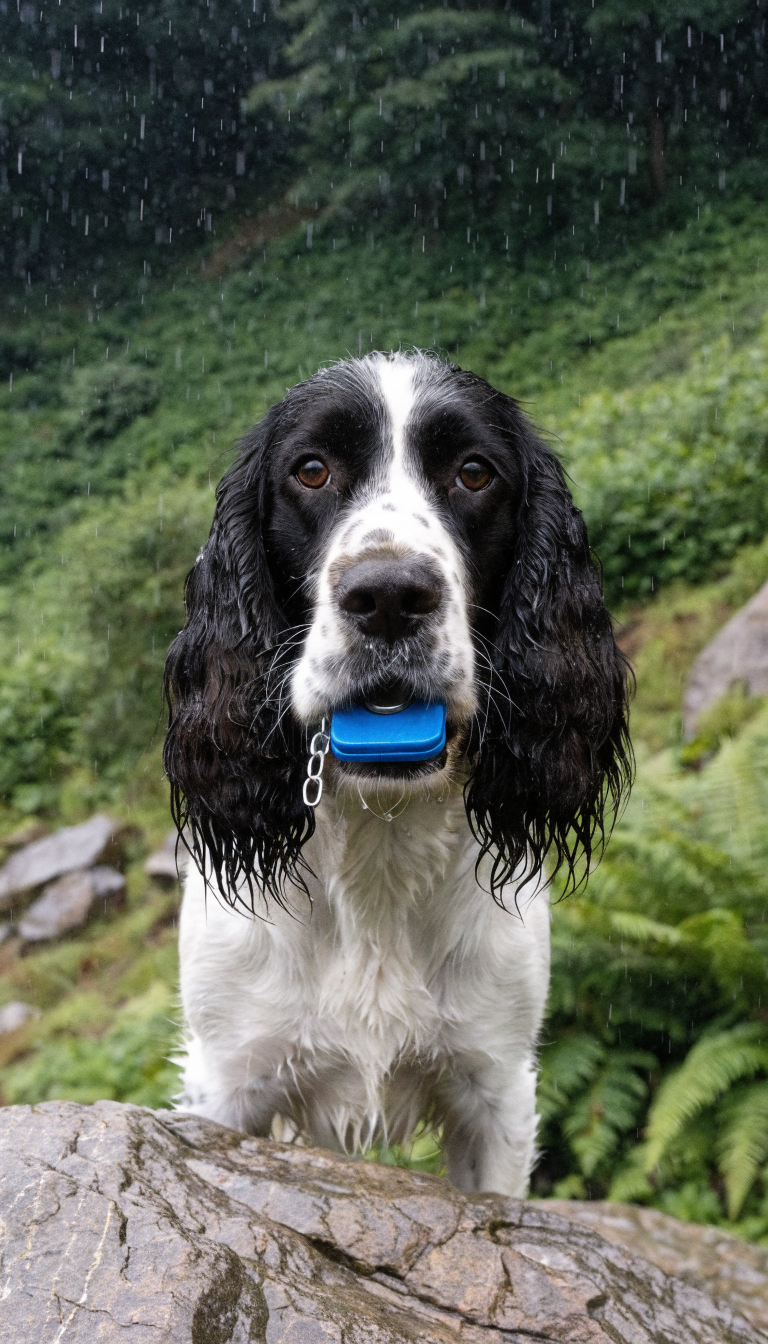
English Springer Spaniels are scent-focused canines. They’ll pick up every plume of scent and forget your request to “sit.” It isn’t defiance; it’s biology. That’s why your daily walk should mix short training stops with sniffing time. If you fight their nose, you’ll fight for control the whole walk.
Depth dive: channeling the sniff without chaos
– Use scent games to engage their nose indoors: hide-and-seek with treats, or a muffin tin with treats under cups.
– Practice “leave it” and “come” near interesting smells, rewarding the moment they switch focus to you.
– End walks with a quick recall drill so they know you’re their prime source of reward, not the endless prairie of smells.
3. Coat care isn’t optional, it’s a lifestyle
Springers shed, a lot. Even if you want a low-maintenance lap dog, you’ve got to manage that coat. Regular brushing minimizes mats, reduces loose hairs, and keeps your vacuum from staging a mutiny.
What to do:
– Brush 3–4 times a week, especially during seasonal changes.
– Check ears weekly for wax buildup and weird smells.
– Plan quarterly trims or professional grooming to keep everything neat without stinging your wallet.
4. Exercise is non-negotiable—but the right kind matters

If you don’t give a Springer a proper outlet, they’ll find one—usually at 3 a.m. on your carpet. They’re energetic, athletic, and curious. A mix of daily walks, off-leash play (where safe), and mental stimulation keeps them happy.
Structuring a balanced day
– Morning: 30–45 minutes of walk or jog, plus a short training session.
– Afternoon: a puzzle toy or obedience drill indoors.
– Evening: a high-energy play session or a swim if you have access to water.
– Long-term goal: a tired dog = a delighted owner.
FYI, zoomies are cute, but you’ll thank yourself for a structured day when you’re not chasing a blur of fur around the living room.
5. Social butterflies—until they’re not
Springers love people and dogs, but they can get overwhelmed in big groups. Early socialization helps, but you can’t fake it—exposure needs to be positive and paced. If you sense overstimulation, give them space and a quiet break. They’ll thank you later with better manners and fewer scrambles to the nearest stranger’s lunch.
Socialization quick-start
– Arrange controlled playdates with well-behaved dogs.
– Introduce new places gradually: park, friend’s yard, a quiet café patio.
– Use rewards to reinforce calm, friendly behavior around people and pups.
6. Training is lifelong—and not always glamorous
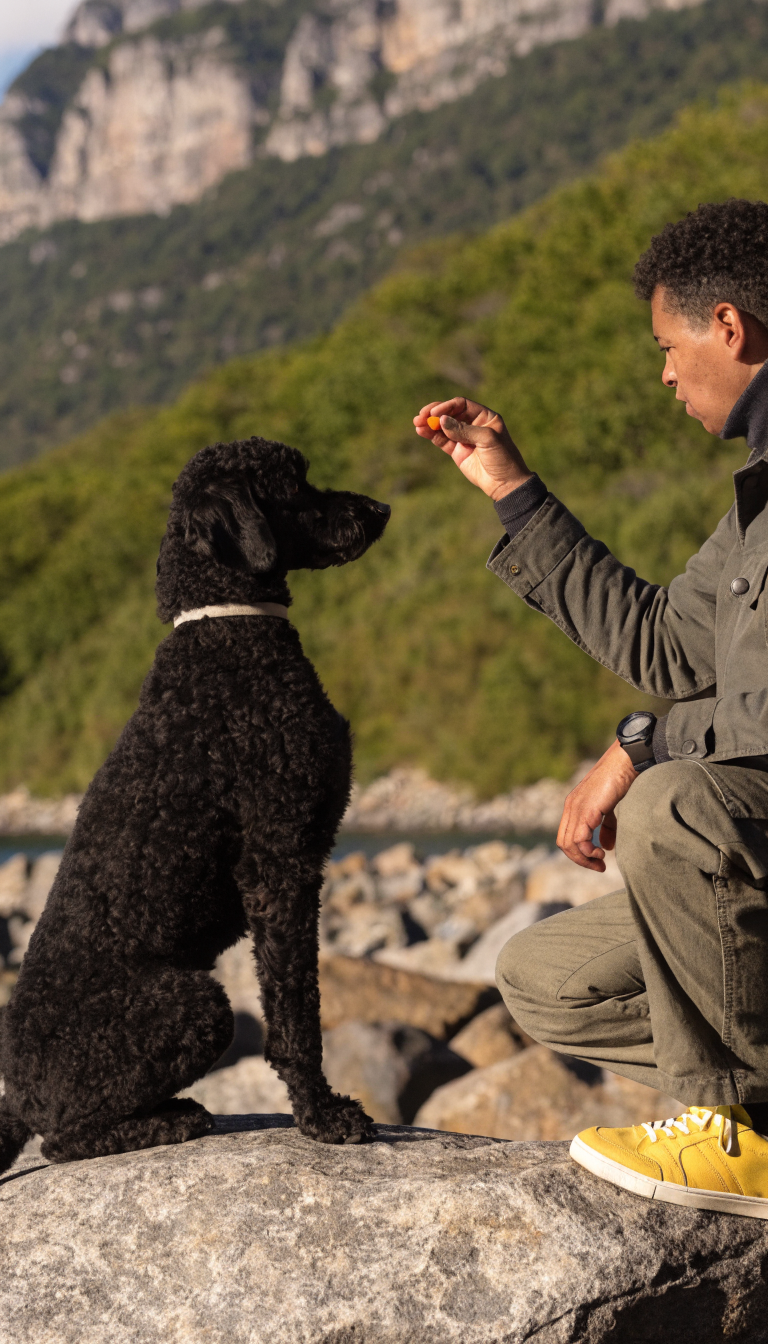
You’ll hit plateaus. Your Springer might learn a trick in a day, then refute a more complicated cue for a week. That’s normal. The trick is keeping training fun and varied, so it stays interesting rather than a chore you dread.
- Keep sessions short and frequent.
- Rotate tricks to maintain novelty.
- Always end on a high note with success and a treat.
7. Health checks you’ll want on speed dial
Springers tend to be sturdy, but they have their quirks: hip dysplasia, ear infections from those floppy ears, and ear mites in damp weather. Regular vet visits, a good dental routine, and ear cleaning can save you a lot of drama later.
Routine health wins
– Brush teeth several times a week to fend off dental issues.
– Check ears weekly for redness or odor; clean as needed.
– Maintain a healthy weight with portion-controlled meals to reduce joint strain.
FYI, a little proactive care goes a long way toward keeping your Springer’s sparkle without a frustrating vet bill spike.
8. The “I’m just a big pupper” factor

English Springer Spaniels look like medium-sized dogs, but they behave like teenagers who never outgrew the need for play. They’ll lean into you for cuddles and then sprint off to fetch a ball 2 seconds later. It’s part adorable, part exhausting, and 100% Springer.
Reality check: invest in sturdy toys, set boundaries, and enjoy the goofy loyalty that comes with their big-hearted personality.
9. They’re a family member, not a lawn ornament
Springers thrive on belonging. They’ll happily guard a spot on the sofa, supervise the family barbecue (in their own loud way), and beg for snuggles with theatrical flair. Integrate them into your daily routines so they feel included and valued.
Creating a bond that lasts
– Involve them in simple chores or activities: gardening, outdoor chores, or watching you cook.
– Use consistent cues and rewards so they know what’s expected.
– Share quiet downtime: a no-stress cuddle on the couch goes a long way.
FAQ
Are English Springer Spaniels good with kids?
Yes, they can be wonderful with children when properly socialized and supervised. They’re playful, patient, and protective in a gentle way. Always supervise interactions and teach kids how to approach and handle the dog respectfully.
How much exercise does a Springer need daily?
Most days, plan 60–90 minutes of activity, split into a couple of sessions. They love a brisk walk, a game of fetch, and a bit of nose work. If you’re short on time, a longer, high-energy play session can substitute, but don’t skip activity entirely.
Do Springer Spaniels shed a lot?
Yep, they shed. Regular brushing and occasional grooming help keep fur under control. You’ll still see loose hairs around the house, but good routine reduces the tumbleweed effect.
What about their ears—are they high maintenance?
Their ears do require weekly attention. Clean them, check for odor, and dry thoroughly after baths or swimming. Do not skip ear care; it prevents infections and keeps them comfortable.
Is training really necessary for life?
Absolutely. Training isn’t just about tricks—it strengthens communication, safety, and your dog’s confidence. Ongoing training helps manage stubborn moments and keeps your Springer mentally engaged.
Conclusion
So there you have it—nine things no one tells you about owning an English Springer Spaniel, plus practical tips to keep you in the driver’s seat. They’re goofy, affectionate, and endlessly entertaining, but they’re also a lot of dog in a good way. With steady routines, a big heart, and a pinch of humor, you’ll build a bond that lasts a lifetime. IMO, the best part is watching that joyful, wagging tail remind you why you started this adventure in the first place. FYI, you’re not alone on this ride—we’ve all chased a ball through a living room at some point. Welcome to the Springer squad.