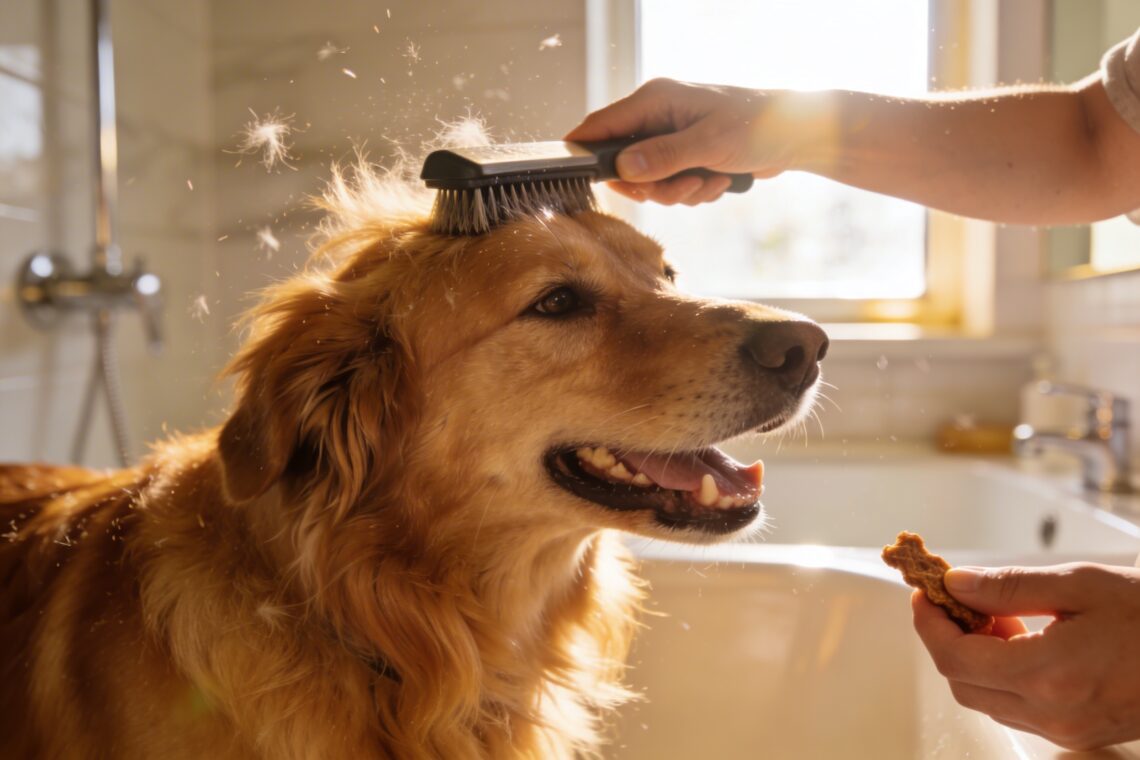
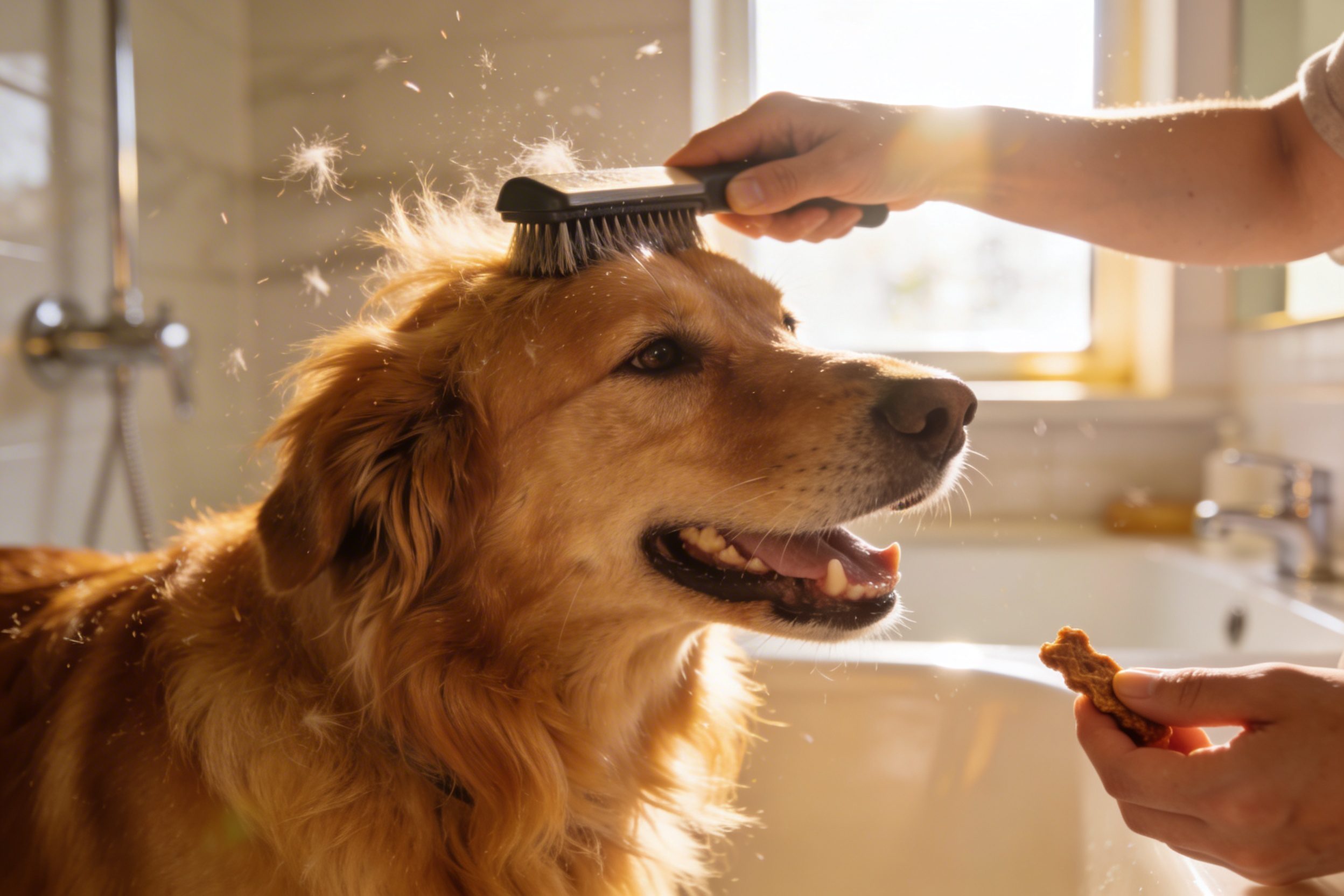
If your pup’s fur is plotting a coup on your couch, you’re in the right place. We’re talking practical, actually-works fixes for dog shedding that don’t require a full-scale vacuum apocalypse. Spoiler: you’ll get less fur, fewer tumbleweed tumble turnovers, and more cuddle time.
1) Brush like a boss: the daily ritual that actually pays off
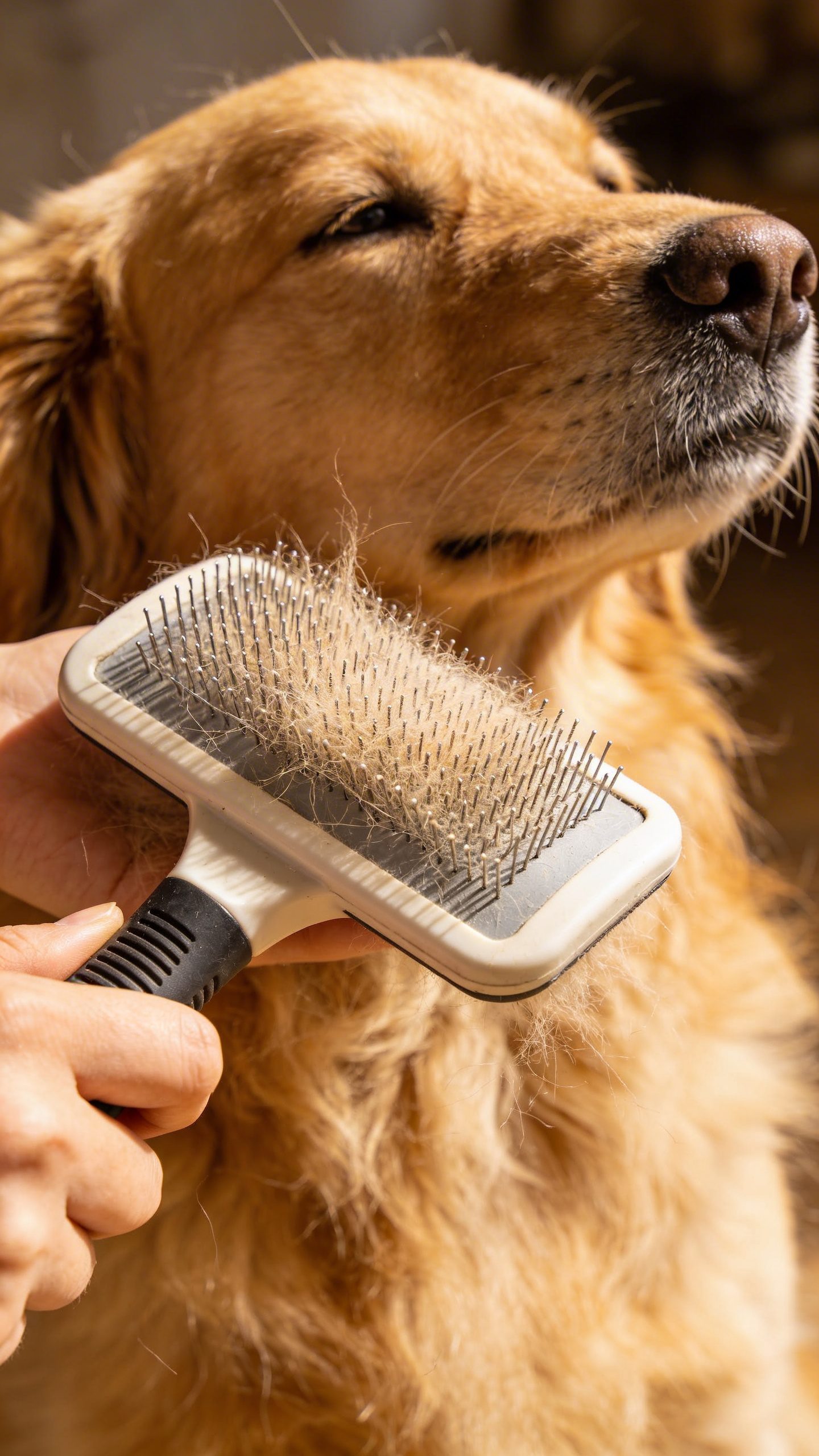
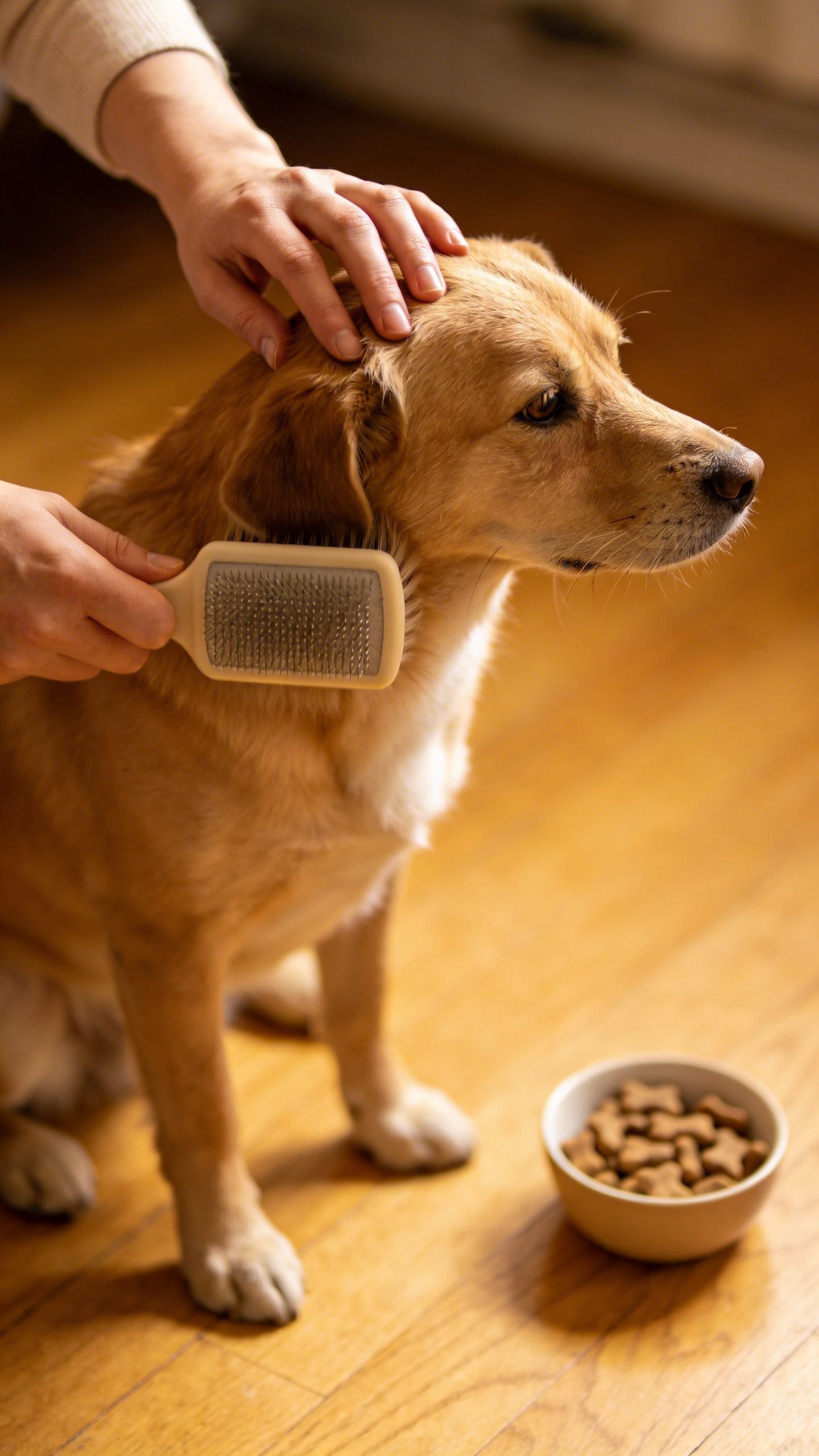
Brushing isn’t just vanity for your dog’s coat; it’s shedding management in disguise. If you let fur fly free, you’ll get a heavier tumbleweed situation by week’s end. – Pick the right brush for your breed. Slicker brushes work wonders on thick coats, while undercoat rakes are your best friend for double-coated pups. Pin brushes are gentler for sensitive skin. – Make it a routine, not a tease. Aim for 5–10 minutes daily, or at least every other day. Consistency beats marathon sessions once a month. – Train your dog with treats. Short sessions, big rewards, zero drama.
Deeper dive: seasonal shedding cycles
Dogs shed more during seasonal shifts. If you notice a dramatic uptick, adjust your brushing frequency and consider a gentle deshedding tool. FYI, never force a brush through matted fur—work in small sections and praise your pup through each milestone.
2) Bath time, but make it strategic
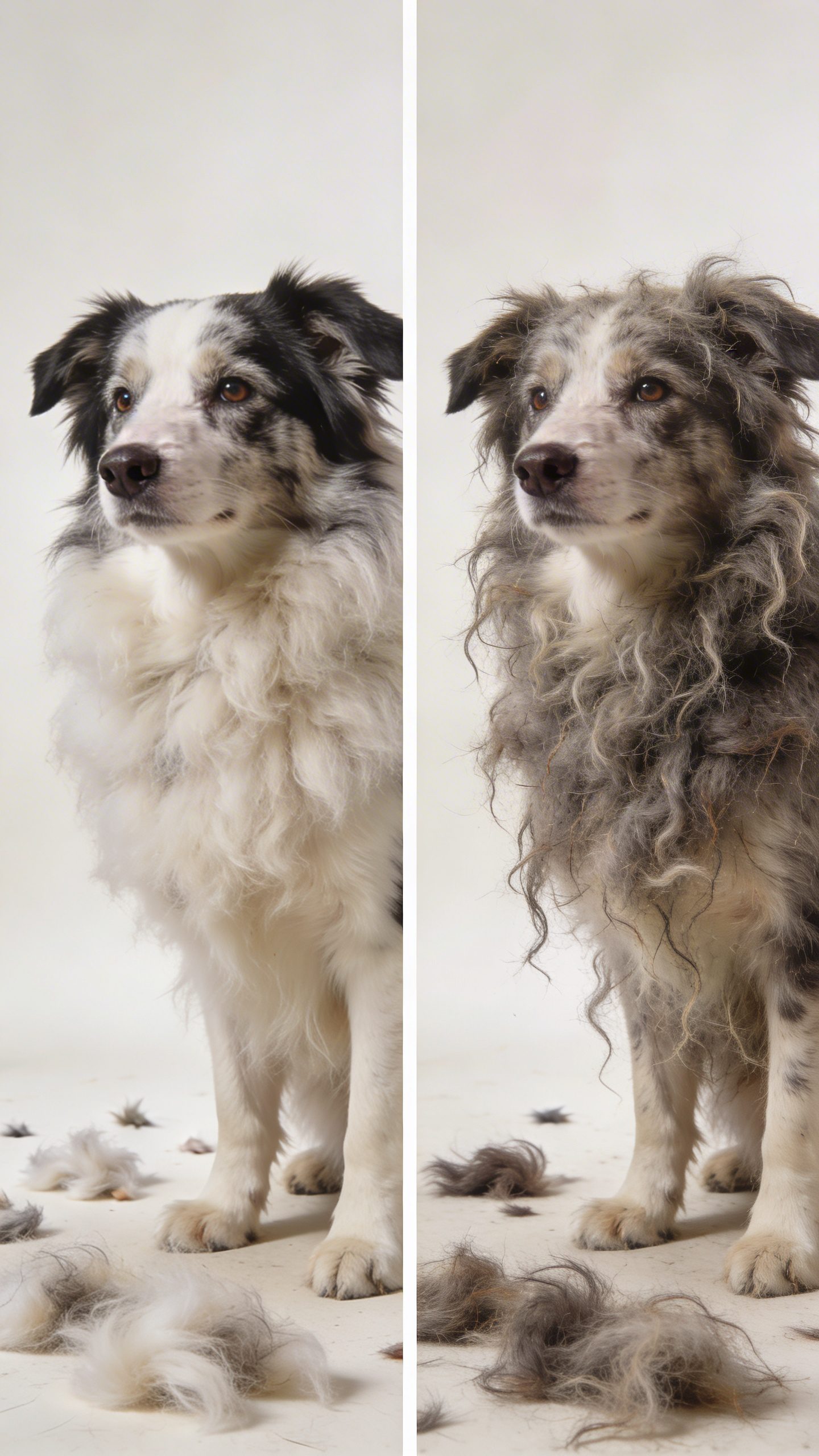
Bathing helps loosen dead hair before it hits your furniture. It’s not about turning your dog into a slippery seal; it’s about removing loose fur safely. – Use a dog-specific shampoo. Adult dogs don’t need human shampoo, and the wrong product can dry skin and trigger more shedding. – Don’t overdo it. Bathe every 3–6 weeks unless your vet says otherwise. Overbathing can strip natural oils and backfire. – Rinse thoroughly. Residual soap equals itchy skin and extra scratching, which means more shedding drama later.
Shampoo tricks that help
Try a conditioning rinse after shampoo. It reduces tangles and makes fur easier to comb out post-bath. If your pup tolerates it, a quick cool-dry blast with a hair dryer (on low heat) can help, but keep it moving to avoid hotspots.
3) Nutrition matters more than you think
You are what you feed your dog—plus, your dog’s coat is basically a reflection of that diet. If the fur’s looking dull and leaves extra fuzz behind, it might be a sign something’s off. – Protein is the star. Look for high-quality animal protein as the first ingredient. – Essential fats ftw. Omega-3 and omega-6 fatty acids help the coat stay shiny and skin healthy. – Vitamins and minerals. A balanced diet supports hair growth and reduces brittleness. – Consider a vet-approved supplement if your dog’s diet is missing something obvious. But don’t go all-wild with supplements; too much can backfire.
Spotting trouble signs
If shedding suddenly spikes or you notice skin redness, itching, or flakiness, chat with your vet. It might be allergies, parasites, or a medical issue masquerading as “just shedding.”
4) Hydration and skin health: the unsung duo
Healthy skin means less shedding drama from the surface. Hydration and skin hydration go hand in paw. – Water first. Make sure your dog drinks enough daily. If you have a finicky drinker, try a pet fountain or a flavored broth (without onions, garlic, or excessive salt). – Sun and wind can dry out skin. If you spend lots of time outdoors, a light moisturizer recommended by your vet can help certain breeds. – Gentle skin care. Avoid harsh soaps or products that strip oils. A weekly rinse with plain water can help between shampoos.
5) Exercise, stress, and the shedding connection
Believe it or not, stress can influence shedding. Exercise helps regulate hormones and reduces anxiety, which can ease shedding by keeping your pup’s body calm. – Consistent routines beat chaotic vibes. Regular walks, playtime, and mental stimulation reduce nervous shedding. – Trim nails, clean ears, and dental health. A comfortable pup sheds less due to less fatigue and irritation. – Mindful enrichment. Puzzle toys and scent games keep your dog busy and happy, reducing stress-induced fur flinging.
When stress shows up as behavior
If your dog starts chewing furniture, licking paws obsessively, or hiding, consider a vet or trainer consult. Stress shedding is real, but it’s fixable with strategy.
6) Grooming aids that actually help you win the battle
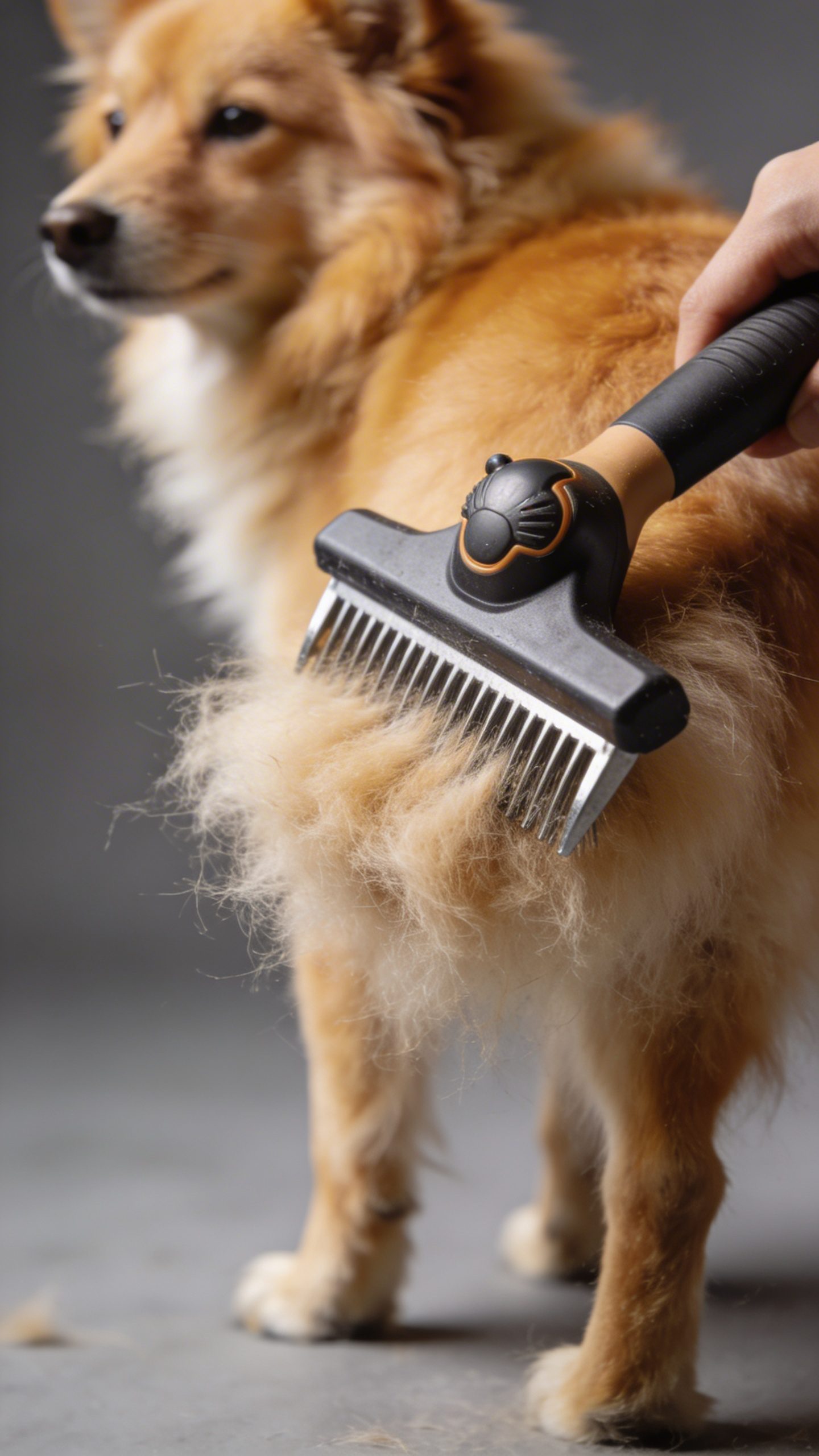
Tools aren’t magic, but they’re close when used right. – Deshedding tools for the undercoat. These can dramatically cut down loose fur. – Rubber curry combs. They’re gentle on sensitive dogs and great for quick daily wipe-downs. – Microfiber towels. Use them after baths or grooming sessions to grab extra fur and dry quickly. – Pet hair remover gadgets for furniture. Sticky rollers, lint brushes, or silicone edgeless gloves make cleanup fast and painless.
Choosing the right combo
No one tool rules all. Your dog’s coat type, skin sensitivity, and bite-back tolerance will guide your kit. Start with a quality slicker brush and a deshedding tool, then add extras as needed.
7) When to call in the pros (and what they’ll do)
If you’ve tried the basics and still feel like you’re wrestling a fur avalanche, a professional groomer or veterinarian can help. – Groomers can do a thorough deshedding session that you can replicate at home with some coaching. – Vets can check for medical issues such as skin infections, parasites, or allergies that cause excess shedding. – They can also advise on breed-specific care strategies you might not know about.
What to ask a groomer
– How often they suggest deshedding for your dog’s coat type. – Whether they can teach you at-home techniques during the session. – If they notice any skin issues during grooming that you should monitor.
FAQ
How often should I brush my dog to reduce shedding?
Aim for at least 5–10 minutes most days. If your dog has a thick or double coat, you might need 15–20 minutes a few times a week. Consistency beats marathon brushing sessions.
Can I shave my dog to reduce shedding?
Shaving is not a universal solution. Some breeds tolerate it, others don’t, and it can lead to skin issues or sunburn in dogs with thin coats. Check with your vet or groomer before you shave a dog, especially a double-coated breed.
Are there foods that reduce shedding?
No miracle food exists, but a balanced diet with high-quality protein and omega fatty acids helps skin and coat health. If you’re considering supplements, talk to your vet first to avoid imbalances or interactions with other meds.
What breeds shed the most, and does shedding mean a problem?
Some breeds shed more seasonally or year-round, but shedding isn’t inherently a problem. Excessive shedding with itchiness, bald patches, or red skin is a sign to check with a vet.
Is there a way to curb shedding without weekly grooming?
Yes, with a combination of a good brushing routine, appropriate baths, a balanced diet, and stress management. You’ll see fewer loose hairs on furniture if you stay consistent with brushing and cleaning routines between sessions.
Conclusion
Reducing dog shedding isn’t about chasing fur unicorns or spending every waking moment in battle with a vacuum. It’s about a simple, repeatable routine that treats the coat like a team sport: regular brushing, smart baths, nutrition that supports skin health, a little grooming gear, and a dash of patience. If you stay consistent, you’ll notice less fur tumbleweed, cleaner furniture, and more comfy snuggles with your pup. IMO, the payoff is worth a few minutes of daily effort. FYI, a happier dog tends to shed less because stress is lower and skin stays healthier. Now go forth, brush with purpose, and enjoy the cuddle sessions without the fur avalanche.