
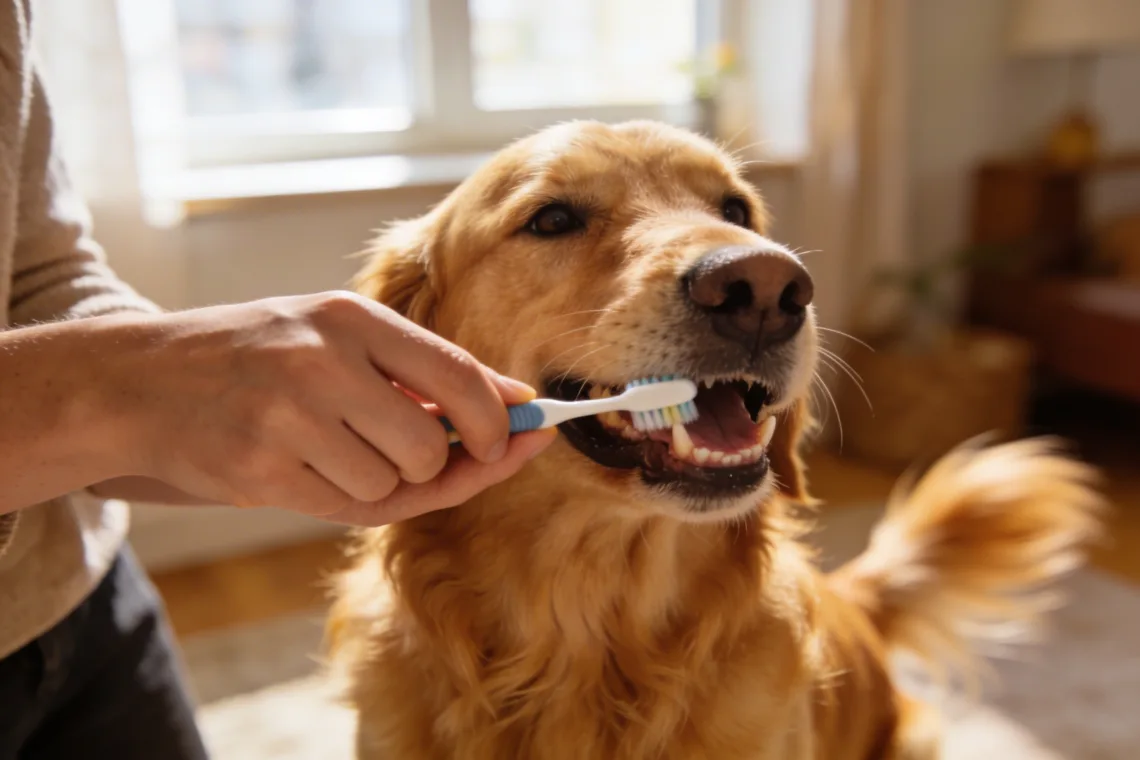
Let’s be real—trying to brush your dog’s teeth probably ranks somewhere between “fun” and “getting a root canal” on your list of favorite activities. But here’s the thing: you can totally make it less of a disaster. With the right tricks up your sleeve, tonight’s teeth-brushing session doesn’t have to end with you covered in drool and your pup hiding under the bed.
Start Crazy Early (Or Don’t Beat Yourself Up If You Haven’t)
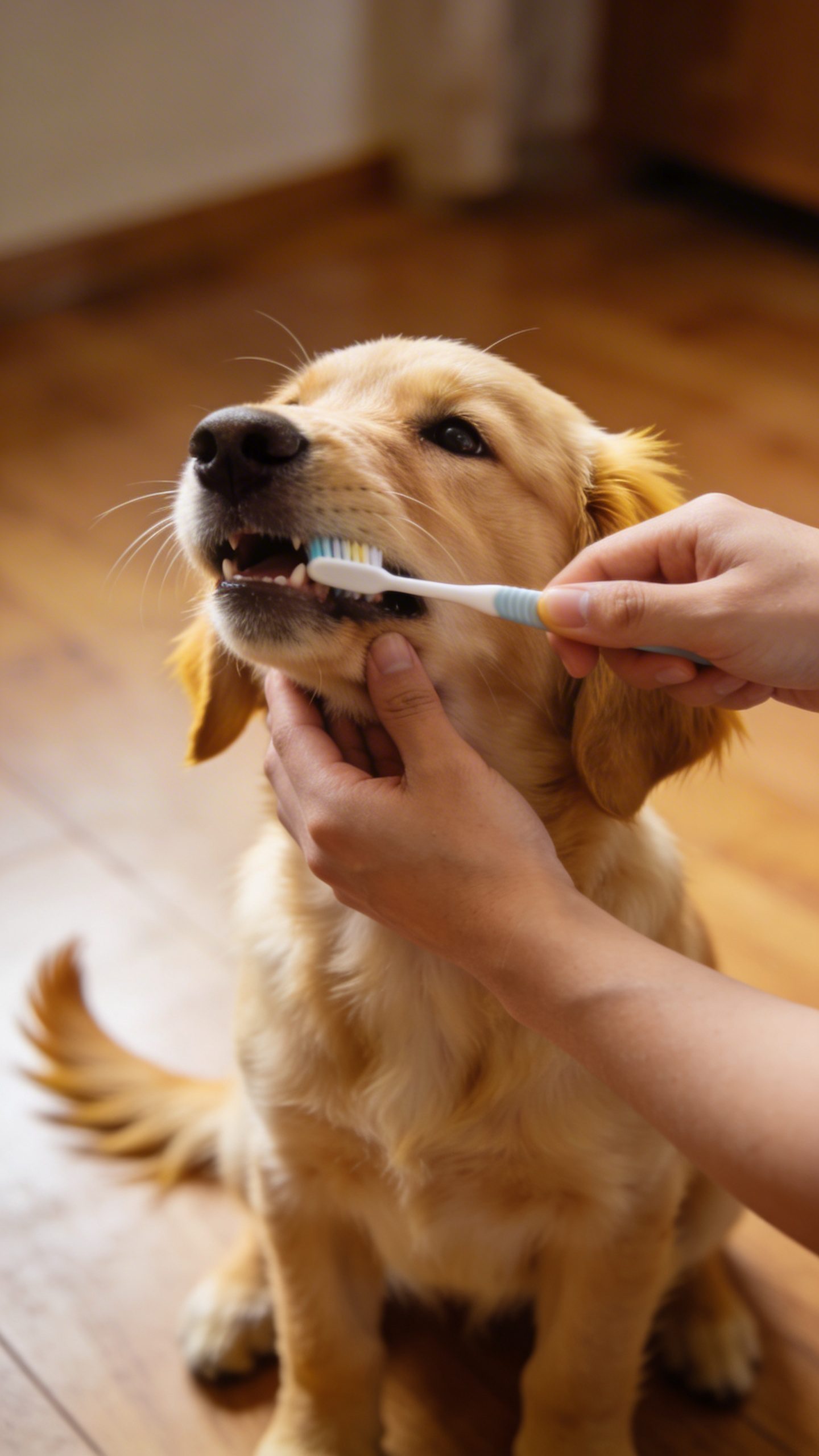
Look, the absolute best time to start brushing your dog’s teeth is when they’re still a puppy. Those little furballs adapt to basically anything if you catch them early enough. But if your dog is already five years old and you’re just now thinking about dental care? Don’t sweat it.
Adult dogs can totally learn new tricks—yes, despite what that annoying saying suggests. You’ll just need a bit more patience and probably some extra treats. The key is making the experience so ridiculously positive that your dog actually starts looking forward to it. Wild concept, right?
The Puppy Advantage
Puppies between 8-16 weeks old are basically sponges. They’re figuring out the world and what’s normal versus what’s scary. If you introduce tooth brushing during this window, they’ll just assume it’s part of life, like eating dinner or barking at the mailman.
Start by just touching their muzzle and lips for a few seconds, then reward them like they just won the Nobel Prize. Build up from there. Before you know it, they’ll sit still for a full brushing session.
Hack #1: Let Them Taste the Toothpaste First
Here’s where most people mess up: they ambush their dog with a toothbrush out of nowhere. Would you want someone shoving a brush in your mouth without warning? Didn’t think so.
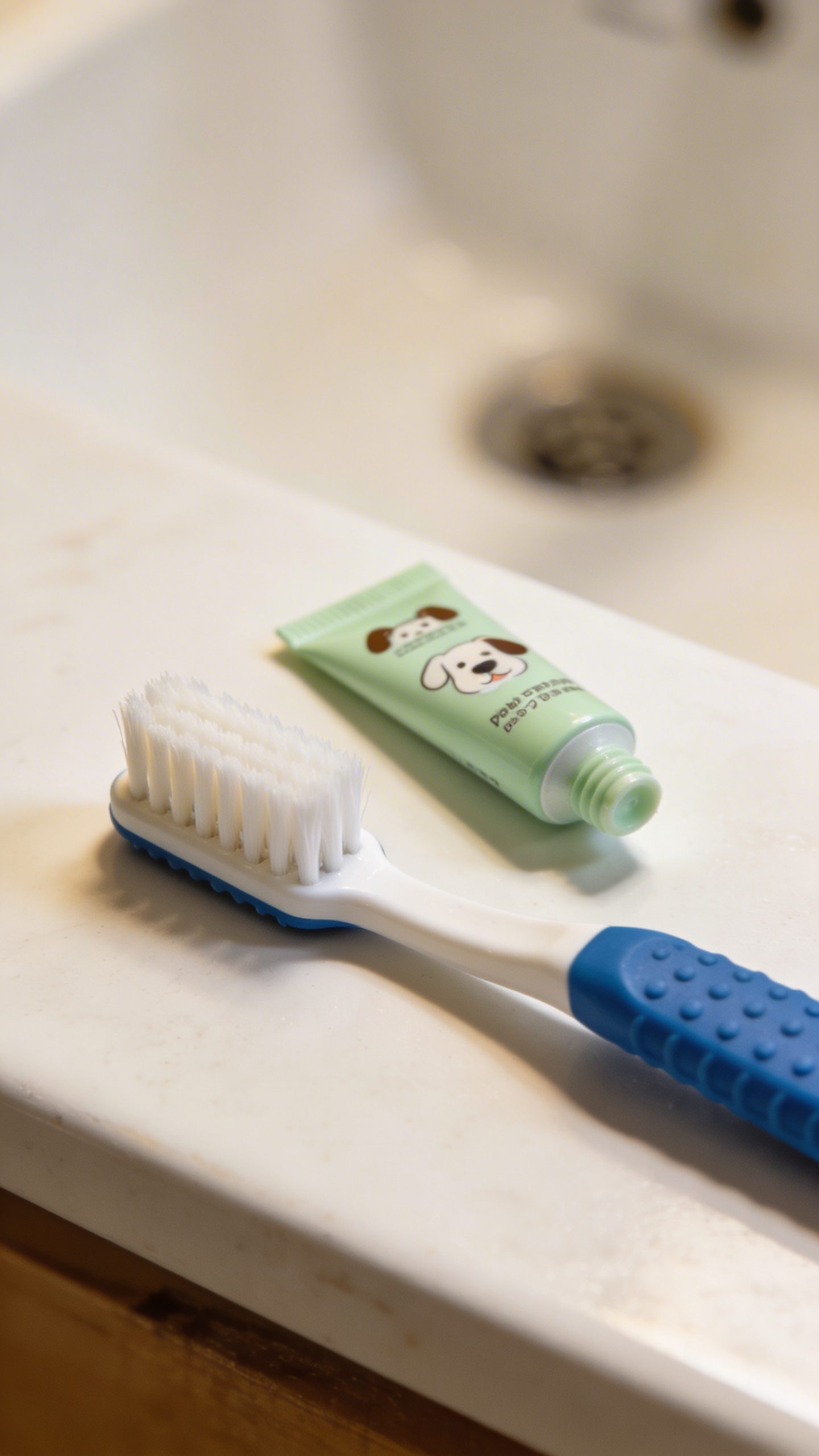
Let your dog lick the toothpaste off your finger first. Most dog toothpastes taste like chicken, beef, or peanut butter anyway, so your pup will probably think you’re offering them a weird new treat. Let them get curious about it for a day or two before you even think about bringing out the actual toothbrush.
This simple step builds positive associations. Your dog starts thinking, “Oh hey, that minty chicken paste thing? Yeah, that’s pretty awesome.” Then when the toothbrush shows up, they’re already halfway sold on the whole operation.
Hack #2: Ditch the Brush (At First)

Plot twist: you don’t actually need a toothbrush to start cleaning your dog’s teeth. Mind blown, right?
Try using a finger toothbrush or even just a damp washcloth wrapped around your finger. This feels way less invasive to your dog and gives you better control. You can feel what you’re doing, and your dog experiences less weird plastic scraping around in their mouth.
Finger Brushes Are Game Changers
These little rubber nubby things slip right over your finger and have soft bristles. They’re perfect for dogs who freak out at the sight of a regular toothbrush. Plus, you can be more gentle and responsive to your dog’s comfort level.
Work your way up from the front teeth to the molars. Most dogs tolerate the front teeth being touched pretty easily, so start there and build their confidence. The back teeth are where tartar really builds up anyway, so that’s your ultimate goal.
Hack #3: The Lip-Lift Technique
You don’t need your dog to open wide like they’re at the dentist’s office. Seriously, that’s making things way harder than necessary.
Instead, just gently lift their lip and brush the outer surfaces of their teeth. That’s it. That’s the hack. The inside surfaces? Dogs’ tongues naturally clean those pretty well on their own. You’re mainly targeting the outside where plaque builds up against the gums.
This approach is so much less stressful for both of you. Your dog doesn’t feel restrained or overwhelmed, and you can actually reach the teeth you need to clean without wrestling them into submission.
Hack #4: Make It Stupidly Short
Nobody said you need to brush for five minutes straight. In fact, trying to do marathon brushing sessions is probably why your dog hates this so much.
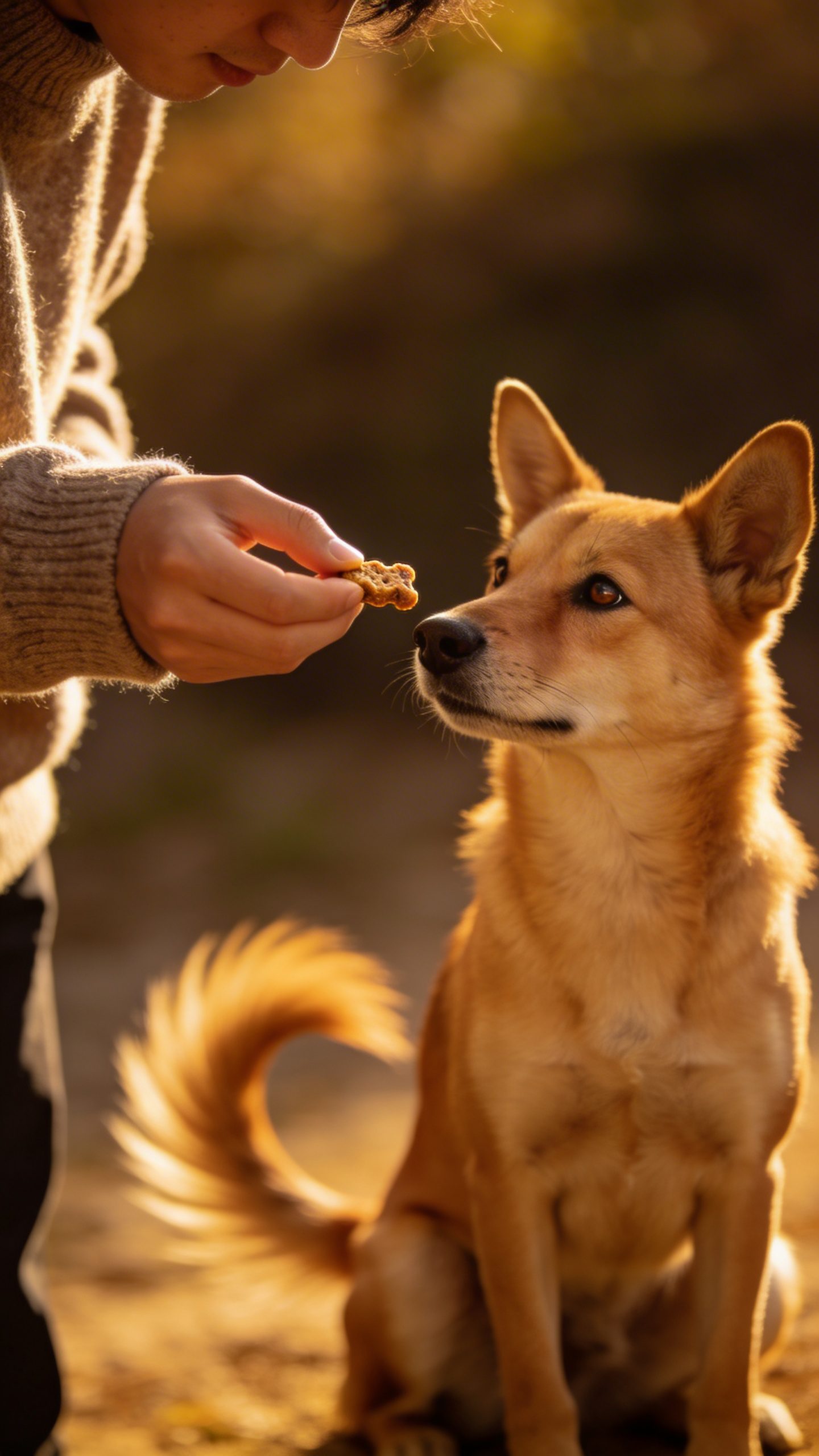
Start with literally 10-15 seconds. Brush a few teeth, then call it a win. I’m not joking. If your dog tolerates 15 seconds without turning into a furry tornado, you’re crushing it. End on a high note with tons of praise and maybe a dental chew as a reward.
As your dog gets more comfortable over days and weeks, gradually increase the time. Eventually, you’ll work up to 30-60 seconds, which is actually all you need for an effective cleaning session. FYI, even 30 seconds of good brushing beats zero seconds of wrestling and everyone being miserable.
The Power of Consistency Over Duration
Brushing for 20 seconds every single day beats brushing for two minutes once a month. Dogs thrive on routine, and the daily repetition helps prevent plaque from hardening into tartar in the first place.
Think of it like compound interest, but for dental health. Small, consistent efforts add up to major results over time.
Hack #5: Timing Is Everything
When you try to brush your dog’s teeth matters more than you’d think. Attempting this right before dinner when your dog is hungry and impatient? Bad move. Right after they’ve been napping and are all groggy and chill? Much better strategy.
The absolute best time is after exercise when your dog is tired and calm. A good walk or play session takes the edge off their energy, making them way more likely to cooperate with your teeth-brushing shenanigans.
Also, stay calm yourself. Dogs are like emotional sponges—they pick up on your stress and anxiety. If you’re tense and dreading this, your dog absolutely knows it. Take a deep breath, put on some chill music, and approach it like it’s no big deal.
Frequently Asked Questions
What happens if I never brush my dog’s teeth?
Real talk? Your dog will probably develop dental disease. By age three, most dogs without dental care have some form of periodontal disease. This isn’t just about stinky breath—it can lead to painful infections, tooth loss, and even heart or kidney problems when bacteria enters the bloodstream. Regular brushing can literally add years to your dog’s life.
Can I use human toothpaste on my dog?
Absolutely not. Human toothpaste contains xylitol and fluoride, both of which are toxic to dogs. Xylitol especially can cause liver failure and death even in small amounts. Always use toothpaste specifically formulated for dogs. They come in flavors dogs actually like, so it’s a win-win.
How often should I really be brushing my dog’s teeth?
Daily is ideal, but if you can manage 3-4 times per week, you’re still doing great. The goal is to disrupt plaque formation before it hardens into tartar, which happens within 24-48 hours. So the more frequently you brush, the easier it is. IMO, getting into a daily routine is actually easier than remembering to do it sporadically.
My dog absolutely refuses and gets aggressive. What now?
First, rule out any dental pain with your vet—dogs with sore teeth understandably don’t want you poking around in there. If health issues aren’t the problem, consider working with a professional dog trainer on desensitization techniques. You can also explore alternatives like dental chews, water additives, or professional cleanings. Something is better than nothing.
Are dental chews a good substitute for brushing?
They’re helpful additions but not replacements. Dental chews can reduce plaque and tartar buildup by about 10-15%, while brushing can reduce it by up to 60%. Think of dental chews like flossing—great to do, but they don’t replace the actual brushing part.
What type of toothbrush works best?
Start with whatever your dog tolerates. Finger brushes work great for beginners and small dogs. Dual-ended brushes with different sized heads are good for larger dogs. Some people swear by electric toothbrushes, though the vibration freaks some dogs out. Honestly, a soft-bristled human baby toothbrush works perfectly fine too.
Conclusion
Brushing your dog’s teeth doesn’t have to be this epic battle you’ve been avoiding. With these five hacks—introducing tastes gradually, starting with finger brushes, using the lip-lift technique, keeping sessions short, and timing it right—you can actually make tonight’s brushing session happen without drama.
Remember, you’re not aiming for perfection here. You’re aiming for progress. Even cleaning a few teeth is better than cleaning none. Start small, stay consistent, and celebrate the tiny wins. Your dog’s teeth (and their future self) will thank you for it. Now grab that chicken-flavored toothpaste and show those canines who’s boss!





One comment on “How to Brush Dogs Teeth Tips: 5 Easy Hacks for Stress Free Brushing Tonight”
Comments are closed.