
You’ve caught your pup giving you those irresistible puppy eyes while you’re snacking on fresh strawberries, and now you’re wondering if sharing is caring or a recipe for disaster. Good news: strawberries are totally safe for dogs and can actually be a pretty sweet treat for your furry friend. But before you start tossing berries like they’re kibble, there are some important rules you need to follow to keep your pup healthy and happy.
Why Strawberries Get the Green Light for Dogs
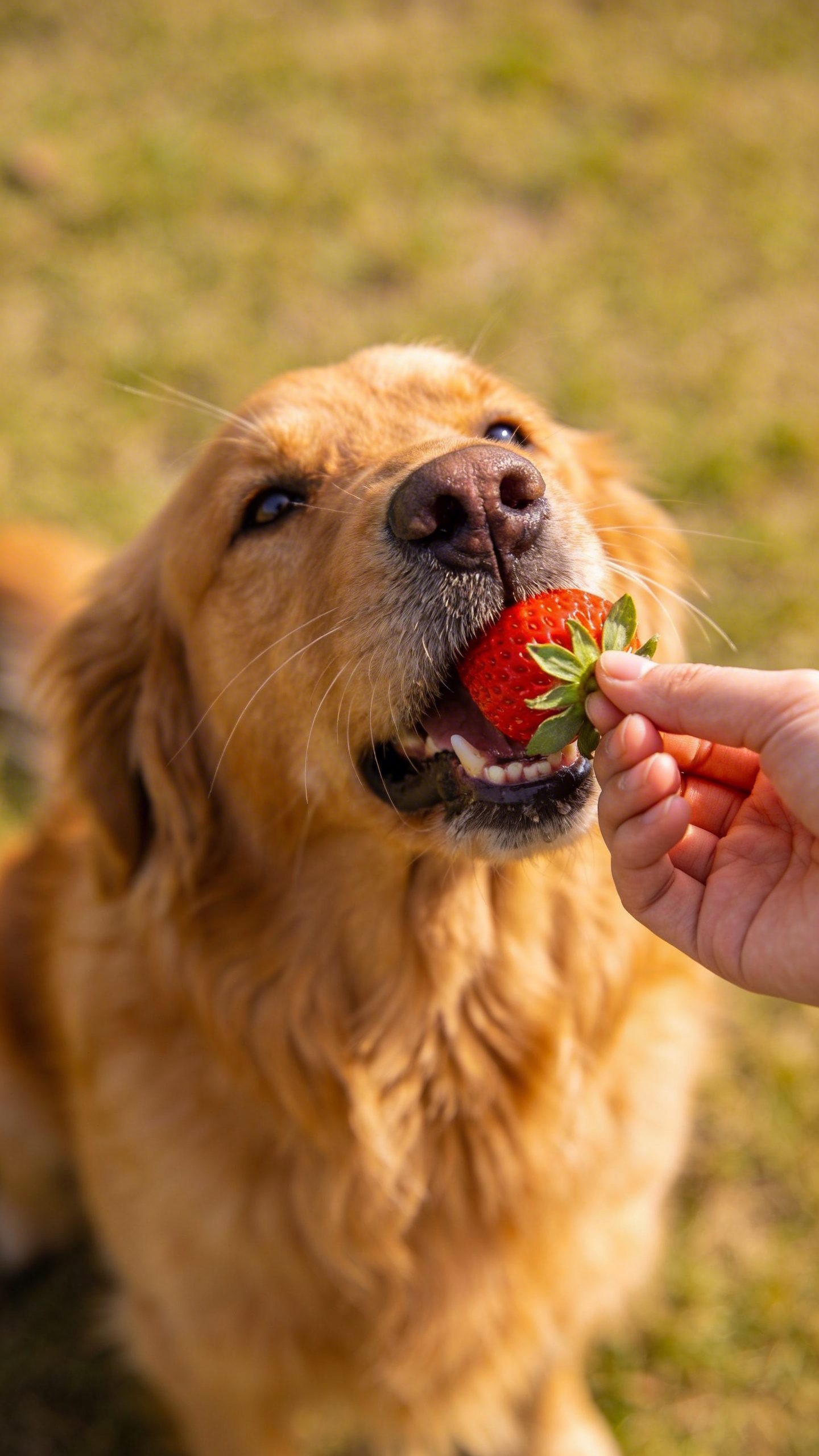
Strawberries aren’t just safe for your dog—they’re actually packed with good stuff. These little red gems contain vitamin C, fiber, and antioxidants that can support your pup’s immune system and overall health. Plus, they have an enzyme that can help whiten your dog’s teeth naturally, which is kind of a bonus when you think about doggy breath.
Unlike grapes (which are absolute poison for dogs, by the way), strawberries won’t send you racing to the emergency vet. They’re low in calories and have natural sugars instead of the processed junk you’d find in most dog treats from the store.
That said, just because something is safe doesn’t mean you should go wild with it. Moderation is key here, folks. Think of strawberries as the occasional treat, not a meal replacement or an all-day snack bar.
The 9 Golden Rules for Feeding Strawberries to Your Dog
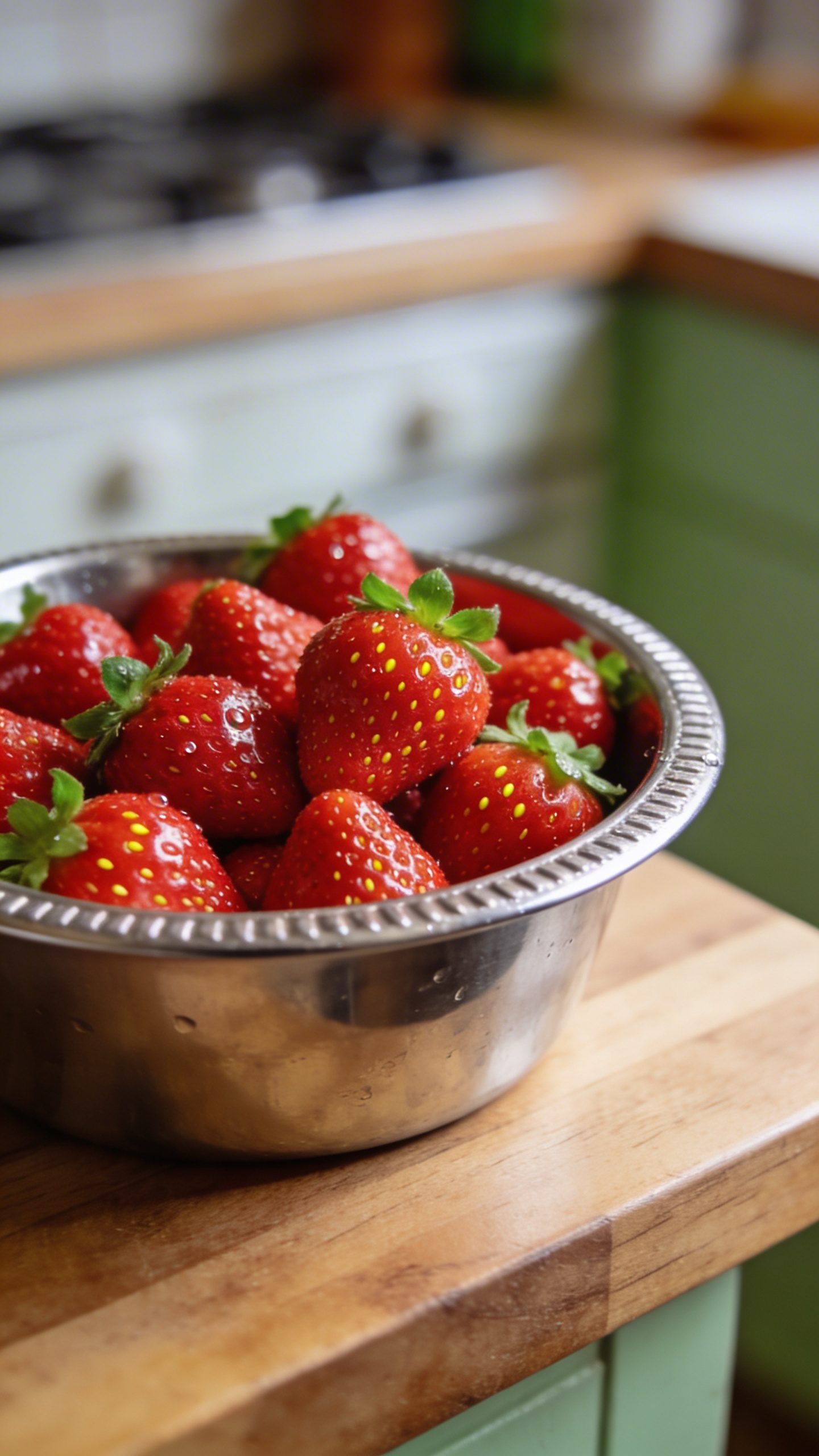
1. Always Wash Those Berries First
This should be obvious, but I’m going to say it anyway: wash your strawberries thoroughly before giving them to your dog. Pesticides and dirt don’t discriminate between human and canine digestive systems. Your dog’s stomach doesn’t need that chemical cocktail, so rinse those berries under cold water like your pup’s health depends on it—because it does.
Even organic strawberries need a good wash. Bugs, bacteria, and who knows what else can hitch a ride on your produce from the farm to your fridge.
2. Remove the Leaves and Stems
The green leafy tops aren’t toxic, but they’re also not exactly digestible. Cut off the stems and leaves before serving to avoid any potential choking hazards or upset stomachs. Your dog won’t care about the presentation, trust me. They’d eat a strawberry off the floor if given the chance.
Takes two seconds with a knife, and you’ll save yourself the worry of finding partially digested leaves in unfortunate places later.
3. Size Matters: Cut Them Up
Unless you have a Great Dane, whole strawberries can be a choking hazard. Slice strawberries into smaller, bite-sized pieces that match your dog’s size. Small dogs get tiny pieces, big dogs can handle larger chunks—pretty straightforward math here.
This is especially important for enthusiastic eaters who inhale their food faster than you can say “slow down.” You know your dog’s eating style, so adjust accordingly.
4. Start with Just One or Two
Even though strawberries are safe, your dog’s digestive system might need time to adjust to this new treat. Introduce strawberries slowly—give them one or two small pieces and watch for any reactions over the next 24 hours.
Some dogs have sensitive stomachs (looking at you, bulldogs), and even healthy foods can cause diarrhea if introduced too quickly. Nobody wants to deal with that mess, so pace yourself.
5. Keep Portions Small
Here’s where people mess up: they think “healthy” means “unlimited.” Wrong. Treats should only make up about 10% of your dog’s daily calorie intake, and yes, strawberries count as treats. For a medium-sized dog, that’s roughly three to four strawberries max per day.
Too many strawberries mean too much sugar, even if it’s natural sugar. And too much sugar can lead to weight gain, diabetes, and dental problems down the road. FYI, your dog doesn’t need a fruit salad—they need balance.
6. Never Feed Them Canned or Sweetened Strawberries
This should be common sense, but people do wild things sometimes. Only feed fresh or frozen plain strawberries—never canned, sugared, or strawberries in syrup. Those added sugars and preservatives are terrible for dogs.
Same goes for strawberry-flavored anything. Your dog doesn’t need strawberry ice cream, strawberry yogurt, or strawberry jam. Just the actual fruit, people.
7. Frozen Strawberries Are Actually Great
Frozen strawberries make an excellent treat, especially during hot summer months. They provide the same nutritional benefits as fresh ones and double as a cooling snack. Just make sure they’re plain frozen strawberries without any added sugar or weird ingredients.
Cut them into smaller pieces even when frozen—your dog’s teeth are strong, but why risk it? Plus, smaller pieces mean the treat lasts longer, which is basically mental enrichment disguised as snack time.
8. Watch for Allergic Reactions
Allergies to strawberries are rare in dogs, but they can happen. Watch for signs like itching, swelling, hives, difficulty breathing, or excessive licking after feeding strawberries for the first time. If you notice any of these symptoms, stop feeding strawberries immediately and call your vet.
Other red flags include vomiting, diarrhea, or unusual behavior. When in doubt, err on the side of caution and get professional advice.
9. Consider Your Dog’s Health Conditions
If your dog has diabetes, weight issues, or digestive problems, check with your vet before adding strawberries to their diet. The natural sugars in strawberries might not play nice with certain health conditions, even though they’re healthier than processed treats.
Your vet knows your dog’s medical history and can give you personalized advice. Don’t feel silly asking—it’s literally their job to answer these questions.
The Nutritional Breakdown: What’s Actually in Strawberries?

Let’s talk numbers for a second. One cup of strawberries contains about 50 calories, which doesn’t sound like much until you remember that a 20-pound dog only needs around 400-500 calories per day total. See how those numbers add up fast?
Strawberries pack vitamin C, manganese, folate, and potassium. They also contain antioxidants that fight inflammation and support brain health. The fiber content helps with digestion and can keep things moving smoothly in the bathroom department, if you catch my drift.
But here’s the thing: dogs produce their own vitamin C naturally, unlike humans. So while strawberries aren’t harmful, your dog isn’t going to get scurvy if they never eat one. They’re a nice supplement, not a necessity.
Creative Ways to Serve Strawberries

Once you’ve got the safety rules down, you can get a little creative with how you serve these berries. Mix small strawberry pieces into your dog’s regular food for a flavor boost. Blend them with plain yogurt (make sure it’s xylitol-free) and freeze in ice cube trays for homemade pupsicles.
You can also use strawberry pieces as training rewards. They’re special enough to be motivating but healthy enough that you won’t feel guilty using multiple pieces during a training session.
IMO, the frozen route is the best because it makes the treat last longer and provides entertainment value. Watching your dog figure out a frozen strawberry cube is honestly pretty entertaining.
What Happens If Your Dog Eats Too Many Strawberries?
So your dog raided the fruit bowl and ate a whole container of strawberries. Don’t panic—they probably won’t die. But they might experience some unpleasant digestive issues like diarrhea or vomiting from all that fiber and sugar hitting their system at once.
Monitor your dog closely for the next 12-24 hours. Make sure they have access to plenty of fresh water because all that fiber will make them thirsty. The symptoms should resolve on their own, but if your dog seems lethargic, bloated, or the symptoms worsen, call your vet.
This is why the “moderation” thing is so important. A strawberry or two is a treat. A whole container is asking for trouble, even if the trouble is relatively minor in the grand scheme of things.
Frequently Asked Questions
Can puppies eat strawberries?
Yes, puppies can eat strawberries following the same rules as adult dogs. However, puppies have even more sensitive stomachs, so start with smaller portions and watch carefully for any digestive upset. Wait until your puppy is at least 8-10 weeks old before introducing any treats beyond their regular puppy food.
Are strawberry tops poisonous to dogs?
No, the green leafy parts aren’t poisonous, but they’re not digestible and can cause stomach irritation. They’re also a potential choking hazard. It’s just easier and safer to remove them entirely before feeding strawberries to your pup.
Can I give my dog strawberry-flavored treats from the store?
It depends on the ingredients, but honestly, most strawberry-flavored dog treats don’t contain actual strawberries. They’re usually artificial flavoring mixed with who-knows-what. Read the ingredient list carefully, and when in doubt, stick with actual strawberries. You’ll know exactly what your dog is eating.
How often can I give my dog strawberries?
You can safely give your dog a few strawberry pieces 2-3 times per week as part of their treat allowance. Daily feeding isn’t necessary and could contribute too many calories over time. Variety is good—mix up your dog’s treats to keep things interesting and nutritionally balanced.
Are there any fruits I should never give my dog?
Absolutely. Never feed grapes, raisins, cherries (with pits), or avocados to dogs—these can be toxic or cause serious health issues. Also skip citrus fruits in large amounts, as they can upset your dog’s stomach. When trying any new fruit, research it first or ask your vet.
Can diabetic dogs eat strawberries?
This one requires a vet consultation. While strawberries have a relatively low glycemic index, they still contain natural sugars that could affect blood glucose levels. Your vet can advise whether strawberries fit into your diabetic dog’s specific diet plan and how much would be safe.
Final Thoughts: Sweet Treats in Moderation
Strawberries are a safe, healthy, and delicious treat option for most dogs when you follow the basic safety rules. Wash them, cut them up, remove the stems, and keep portions reasonable. Your dog doesn’t need a berry buffet—just an occasional sweet snack to break up the monotony of their regular food.
Pay attention to your individual dog’s needs, health conditions, and reactions. What works perfectly for one dog might not work for another, and that’s totally normal. When in doubt, your vet is always your best resource for personalized nutritional advice.
Now go ahead and share a strawberry or two with your pup. They’ve been patient enough waiting for you to finish this article, and those puppy eyes deserve a reward.