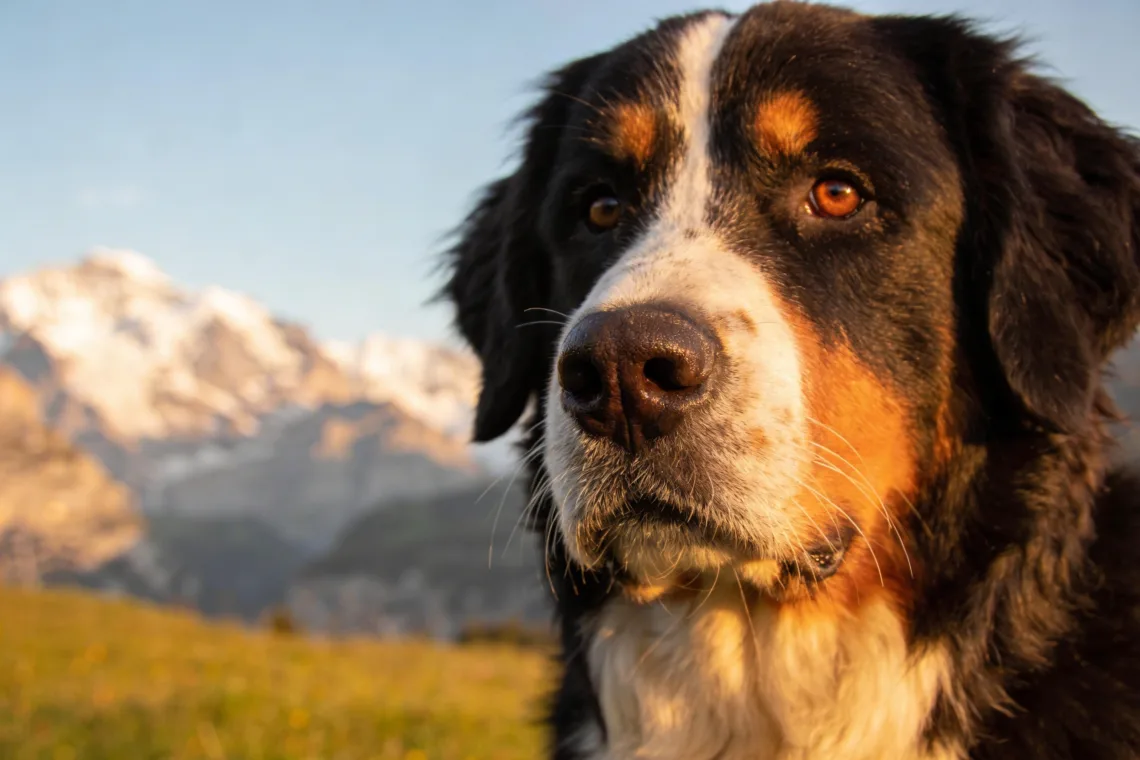
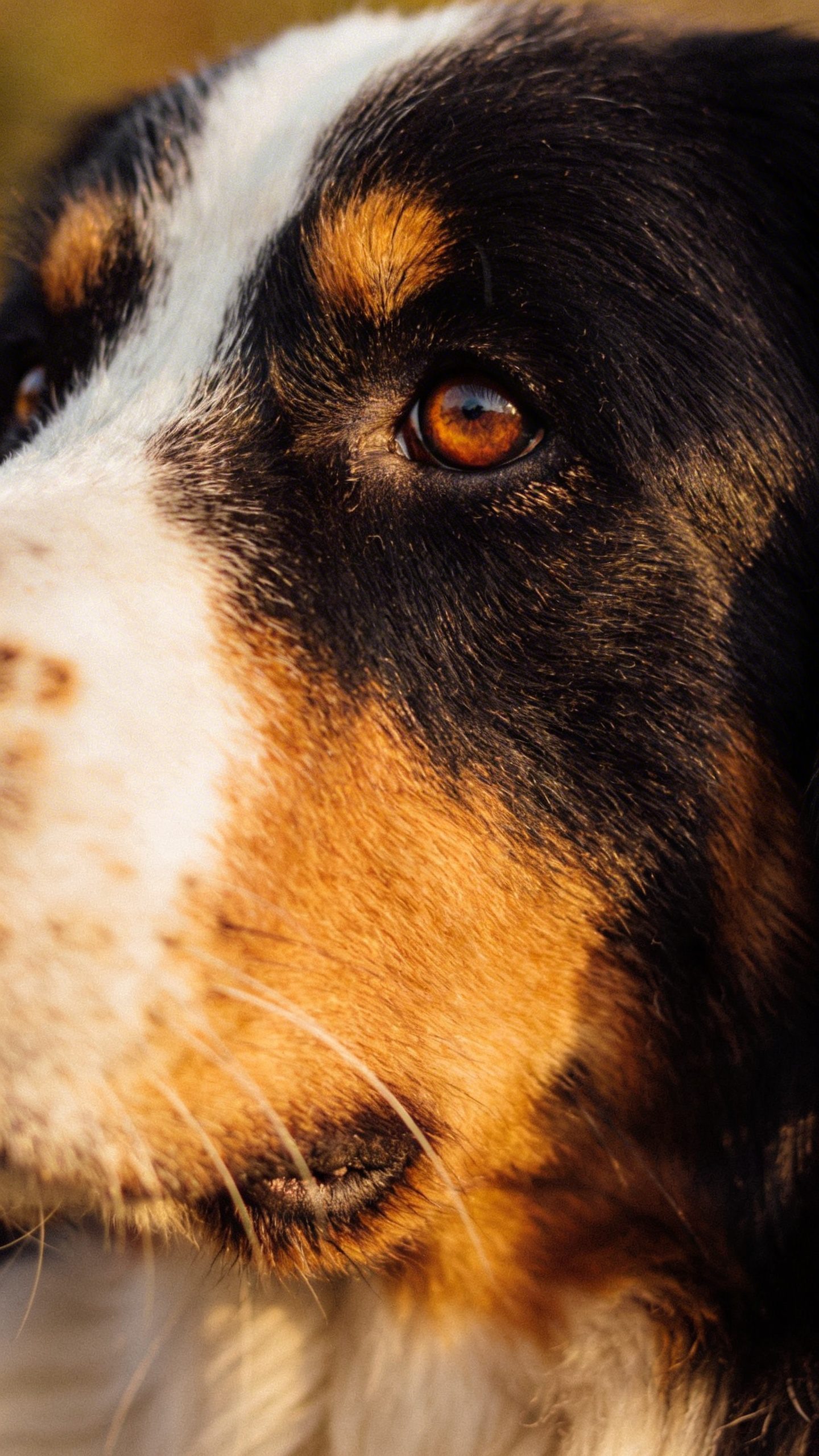
If you’ve ever locked eyes with a Bernese Mountain Dog, you know that feeling—those soulful eyes, that gentle demeanor, that “I’m-literally-100-pounds-but-still-want-to-sit-in-your-lap” energy. These magnificent fluffballs aren’t just pretty faces; they’re working dogs with hearts of pure gold. Let’s dive into what makes these Swiss sweethearts such beloved gentle giants.
They’re Swiss-Made Perfection
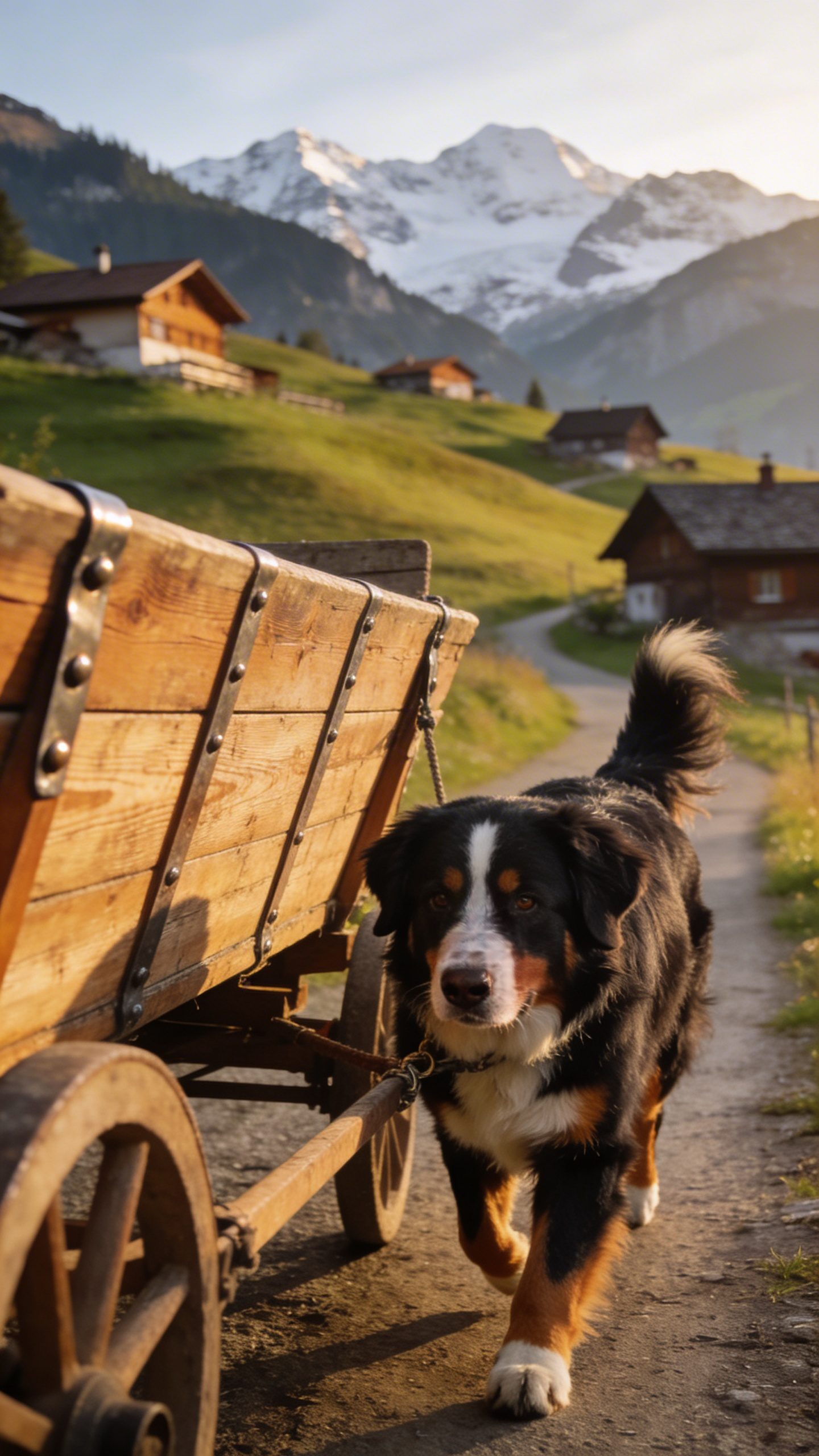
The Bernese Mountain Dog hails from the farmlands of Switzerland, specifically the canton of Bern (hence the name). These dogs weren’t bred to look cute on your Instagram feed—they had actual jobs to do. For centuries, Swiss farmers relied on Berners to pull carts loaded with goods to market, herd cattle, and guard the homestead.
This working heritage explains so much about their temperament today. They’re not hyper or neurotic because they were bred for steady, reliable work alongside humans. Their ancestors needed to be strong enough to haul heavy loads but calm enough to navigate busy market streets without causing chaos.
The Swiss nearly lost this breed in the early 1900s when industrialization made farm dogs less necessary. Thankfully, some dedicated fans worked to preserve the Berner, and we can now enjoy these majestic creatures sprawled across our couches like furry throw rugs.
They’re Basically Professional Cuddlers
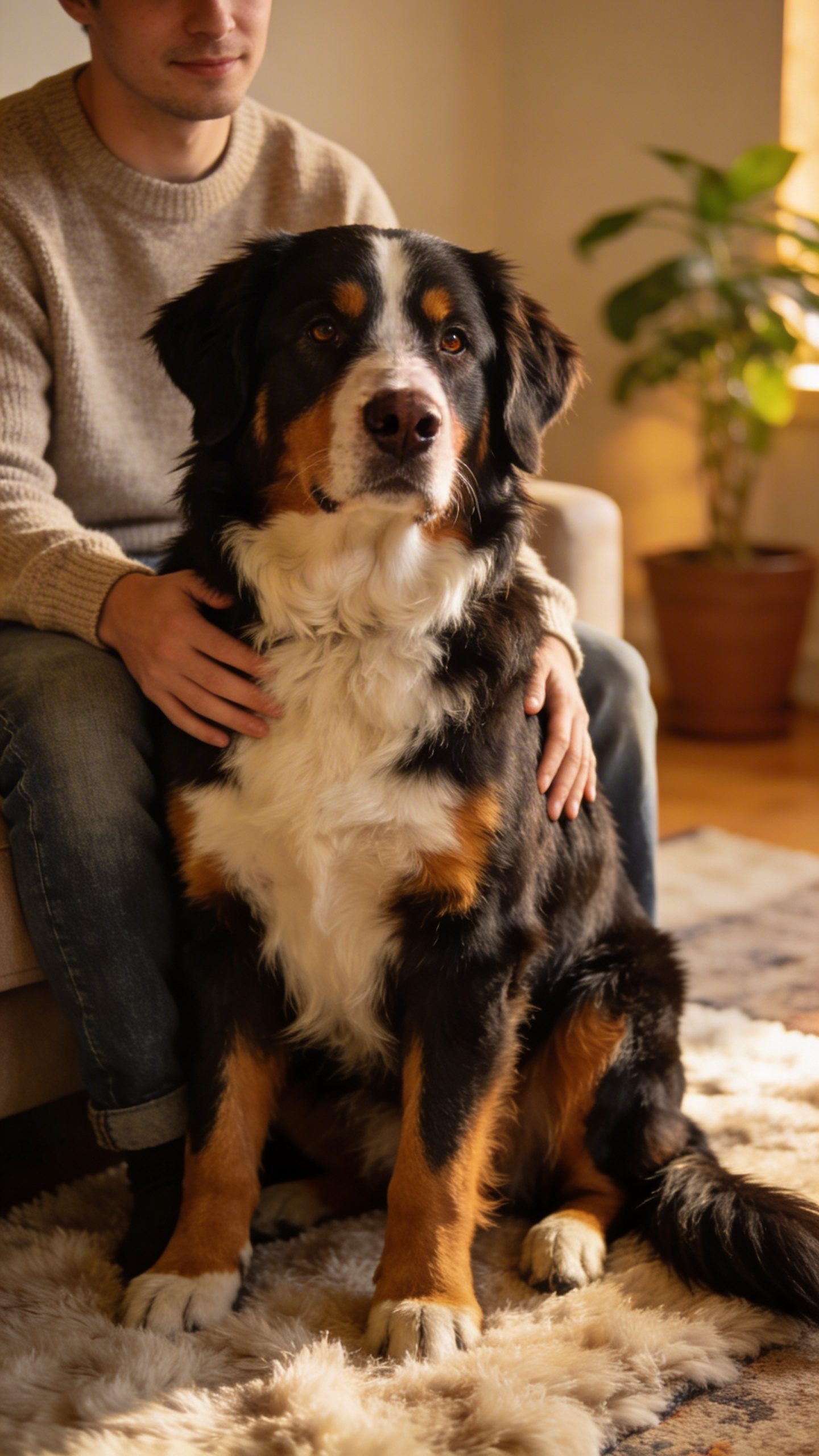
Here’s the thing about Berners: they don’t understand personal space. At all. Despite weighing anywhere from 70 to 115 pounds, they genuinely believe they’re lap dogs. This isn’t a bug—it’s a feature.
Their clingy nature stems from their deep bond with humans. Remember, these dogs worked side-by-side with farmers every single day. They’re hardwired to be near their people, and separation anxiety is a real thing for this breed. Leave a Berner alone too long, and you’ll come home to a very sad (and possibly destructive) pup.
This velcro-dog tendency means they’re absolute champions at emotional support. Bad day at work? Your Berner already knows and has designated themselves as your personal therapy animal. They lean into you—literally—with their full body weight, as if trying to physically absorb your stress.
The Famous Berner Lean
You haven’t experienced true Bernese Mountain Dog ownership until you’ve been nearly knocked over by the “Berner lean.” They’ll sidle up next to you and just… lean their entire body against your legs. It’s their way of saying “I love you” while simultaneously testing your balance and core strength.
Some owners find this endearing (most of us). Others find it a bit much when they’re trying to cook dinner and have 100 pounds of dog pressing against them. Either way, it’s non-negotiable. The lean is happening.
Their Intelligence Comes With a Side of Stubbornness
Berners are smart—like, really smart. They can learn commands quickly and excel at problem-solving. But here’s where it gets interesting: they’re also independent thinkers. Those generations of farm work created dogs who could make decisions on their own when needed.
What does this mean for training? Well, your Berner might understand exactly what you’re asking but decide they’d rather not comply right now, thanks. They’re not being disobedient; they’re just… considering their options. Positive reinforcement training works wonders with this breed because they respond much better to treats and praise than harsh corrections.
The key is starting training early and staying consistent. A well-trained Berner is an absolute joy. An untrained Berner is a 100-pound toddler with fur who thinks counter-surfing is an Olympic sport.
They’re Surprisingly Sensitive Souls
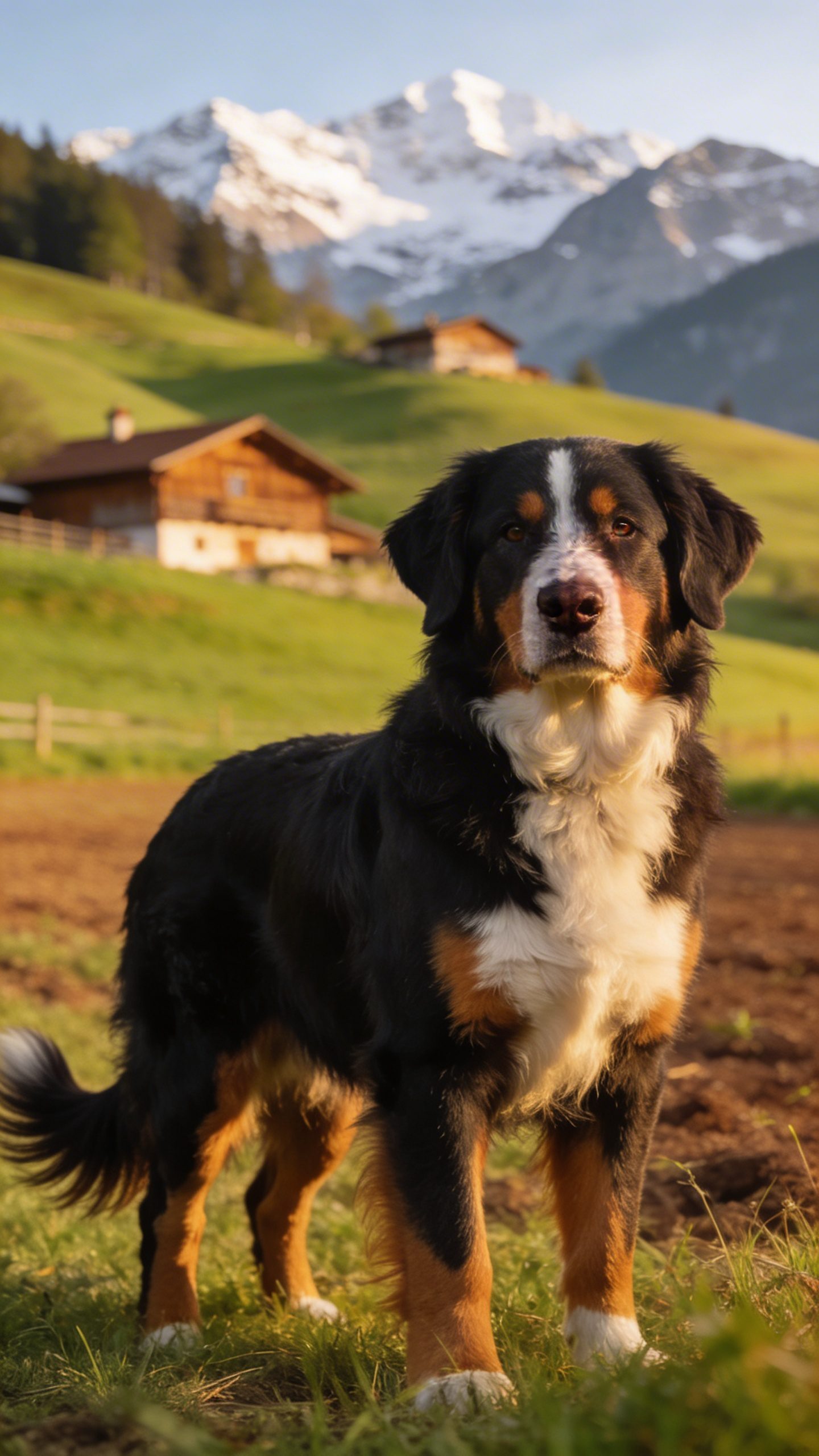
For such large, sturdy-looking dogs, Berners have feelings as delicate as fine china. Raise your voice, and you’ll see those expressive eyes fill with hurt. These dogs need gentle, patient handling because they genuinely want to please you—they just need to understand what you’re asking.
This sensitivity extends to their environment too. Berners pick up on household tension like emotional sponges. Family argument? Your Berner is stressed. Someone sick in the house? Your Berner becomes a vigilant nurse. They’re remarkably attuned to human emotions, which makes them excellent therapy dogs.
Their gentle nature makes them fantastic with children, though supervision is always necessary with any large breed. Berners seem to understand that little humans require extra gentleness, and they’ll often appoint themselves as personal guardians to the kids in their family.
The Tricolor Coat Isn’t Just for Show
That stunning black, white, and rust coat? It’s iconic for a reason. The distinctive tricolor pattern with the white “Swiss cross” on the chest makes Berners instantly recognizable. But that beautiful coat comes with some serious maintenance requirements.
Berners shed. A lot. We’re talking tumbleweeds of fur drifting across your floors. They have a thick double coat designed for cold Swiss winters, and they blow their undercoat twice a year in spectacular fashion. During shedding season, you’ll question whether you actually own a dog or a fur-producing factory.
Regular brushing isn’t optional—it’s survival. Plan on brushing your Berner at least 2-3 times per week, and daily during shedding season if you value your sanity (and your vacuum cleaner). The upside? All that grooming time becomes prime bonding time, and most Berners love the attention.
The Drool Situation
Let’s address the elephant in the room: some Berners drool. Not all of them, but those with looser jowls can produce impressive amounts of slobber, especially after drinking water or when they’re excited. Keep towels strategically placed around your home. You’re welcome.
Their Lifespan Breaks Our Hearts
Here’s the tough part about loving a Bernese Mountain Dog: they don’t live nearly long enough. The average lifespan is 7-10 years, which is shorter than many other large breeds. This harsh reality stems from their limited genetic diversity and susceptibility to certain cancers.
Responsible breeders work hard to screen for health issues and improve longevity, but the short lifespan remains one of the breed’s biggest challenges. Every moment with a Berner becomes precious because you know your time together is limited.
Does this mean you shouldn’t get a Berner? Absolutely not. It means you cherish every single goofy moment, every lean, every attempted lap-sitting session. The depth of love and joy they bring to your life far outweighs the heartbreak of their shorter time with us.
They’re Not High-Energy Athletes (Thank Goodness)
Despite their size and working background, Berners aren’t marathon runners. They’re more like “let’s-go-for-a-nice-walk-then-nap-for-four-hours” kind of dogs. Moderate daily exercise keeps them happy and healthy—think a couple of decent walks and some playtime.
FYI, Berners overheat easily thanks to that thick coat. Hot summer days mean early morning or evening walks only, plus plenty of access to air conditioning and water. A Berner sprawled on a cool tile floor in summer is a happy Berner.
They do love activities like cart-pulling, hiking in cool weather, and gentle games of fetch. Just remember that puppies and young adults need controlled exercise to protect their developing joints. Those big bodies take time to mature properly.
FAQ About Bernese Mountain Dog Personalities
Are Bernese Mountain Dogs good for first-time dog owners?
Berners can work for first-time owners who do their homework, but they’re not the easiest starter dog. Their size alone presents challenges—training a 100-pound dog requires commitment and consistency. Add in their grooming needs, potential health issues, and training requirements, and you’ve got your work cut out for you. That said, their gentle, forgiving nature makes them more manageable than some other large breeds. Just be prepared to invest time in training and socialization from day one.
Do Bernese Mountain Dogs bark a lot?
Not typically! Berners aren’t nuisance barkers, though they will alert you to strangers approaching the house (that’s the guardian instinct kicking in). They’re more likely to greet visitors with enthusiastic tail wags than aggressive barking. Some Berners are more vocal than others, especially if they’re bored or anxious, but excessive barking isn’t a hallmark of the breed. They save their voice for when something actually seems important.
Can Bernese Mountain Dogs live in apartments?
Technically yes, but it’s not ideal. Berners can adapt to apartment living if they get enough exercise and mental stimulation, but they do best with access to a yard where they can stretch their legs. Their size makes navigating tight spaces challenging, and your downstairs neighbors might not appreciate 100 pounds of dog walking around above them. If apartment living is your only option, commit to multiple daily walks and regular outings to dog-friendly spaces. Also, elevators become a regular part of your life.
How do Bernese Mountain Dogs do with other pets?
Generally excellent! Berners typically get along wonderfully with other dogs and pets, especially if socialized early. Their gentle nature means they’re rarely aggressive or territorial. They often become best friends with household cats, other dogs, and even smaller animals. Some Berners have a mild prey drive, but it’s usually manageable with proper introductions and training. The biggest risk is them accidentally sitting on a smaller pet while trying to be friends.
Why do Bernese Mountain Dogs follow you everywhere?
It’s that velcro-dog personality in action! Berners were bred to work alongside humans all day, every day. Following you from room to room isn’t clingy behavior—it’s literally what they’re programmed to do. They want to be where you are, whether that’s the kitchen, bathroom, or backyard. This constant companionship is endearing to most Berner owners but can be overwhelming if you value personal space. Get used to having a furry shadow. Forever.
Are male or female Bernese Mountain Dogs calmer?
Both sexes can be equally gentle and calm, but there are some tendencies. Males are often more outgoing and goofy, while females can be slightly more independent and reserved. Males also tend to be larger and may take longer to mature mentally (puppyhood can extend to 2-3 years). Females sometimes bond more strongly with one person, while males often distribute their affection more evenly across the family. That said, individual personality varies more than gender, so meet the actual dog or puppy before making assumptions.
Living With a Gentle Giant
Owning a Bernese Mountain Dog means signing up for fur on everything, a dog who thinks they’re a lap-sized companion, and a heartbreakingly short time together. It also means experiencing one of the most devoted, gentle, and loving breeds in existence.
These Swiss treasures aren’t perfect—they’re messy, sometimes stubborn, and require significant time and financial investment. But ask any Berner owner if they’d choose a different breed, and you’ll get a resounding no. The gentle giant personality of these magnificent dogs creates bonds that transcend the typical human-pet relationship.
IMO, life is simply better with a Berner leaning against your legs, stealing your spot on the couch, and looking at you like you hung the moon. They remind us that the best things in life are simple: loyalty, companionship, and someone who’s always genuinely happy to see you. Plus, who else will pre-warm your side of the bed and then refuse to move?