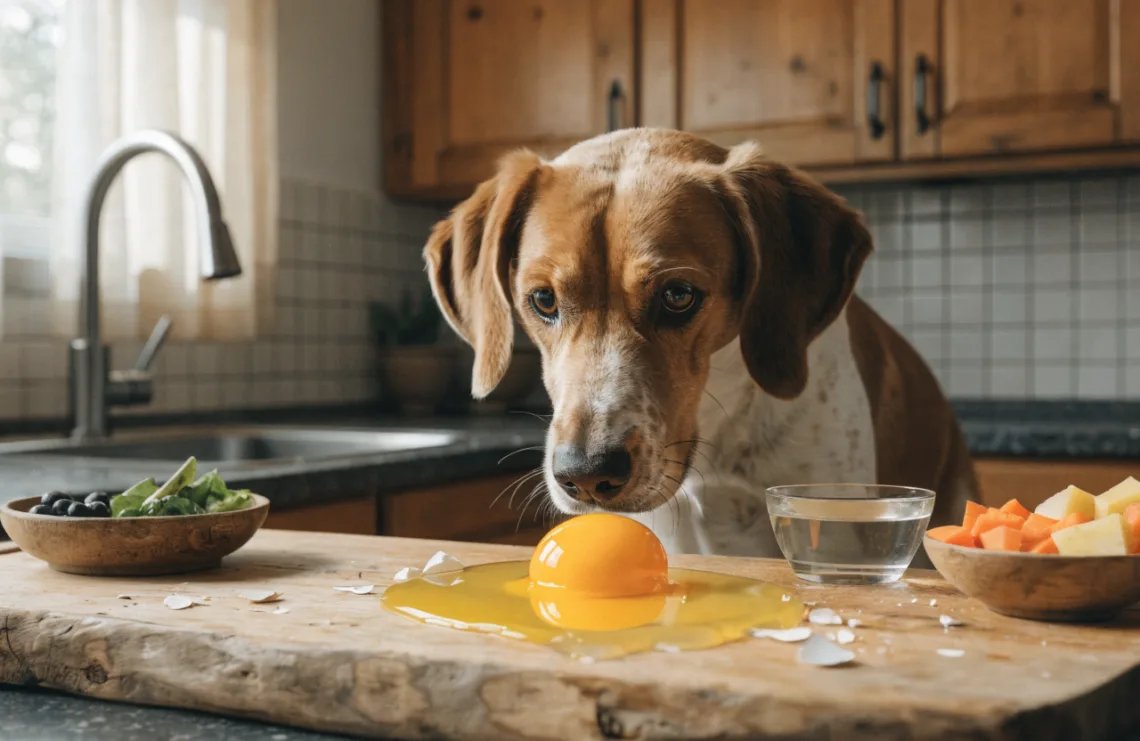
Ever wondered if giving your dog a raw egg is a good idea or a recipe for trouble? Spoiler: there’s more to it than “just crack one in the bowl.” Let’s spill the shell, unravel the myths, and figure out what actually helps your pup stay peppy.
What does “raw eggs” really mean for dogs?

Raw eggs come with their own set of vibes: protein punch, potential bacteria, and a weird fear of salmonella that doesn’t just vanish because your dog’s nose wiggles at breakfast. For dogs, raw can mean different things: a whole uncooked egg, partially cooked, or a home-prepped mix that hasn’t been pasteurized. The risk isn’t identical for every dog, but the stakes are real.
– Freshness matters: a clean, intact shell isn’t just a trophy; it’s a tiny shield. Cracked eggs can invite bacteria.
– Egg quality counts: free-range or pasture eggs aren’t magic bullets, but they can be less suspect than heavily processed ones.
– Variability among dogs: small breeds, seniors, or dogs with health issues react differently than athletes.
FYI: raw isn’t automatically dangerous, but it isn’t automatically safe either. It’s a gamble with potential rewards if you handle it thoughtfully.
7 surprising benefits you might actually notice
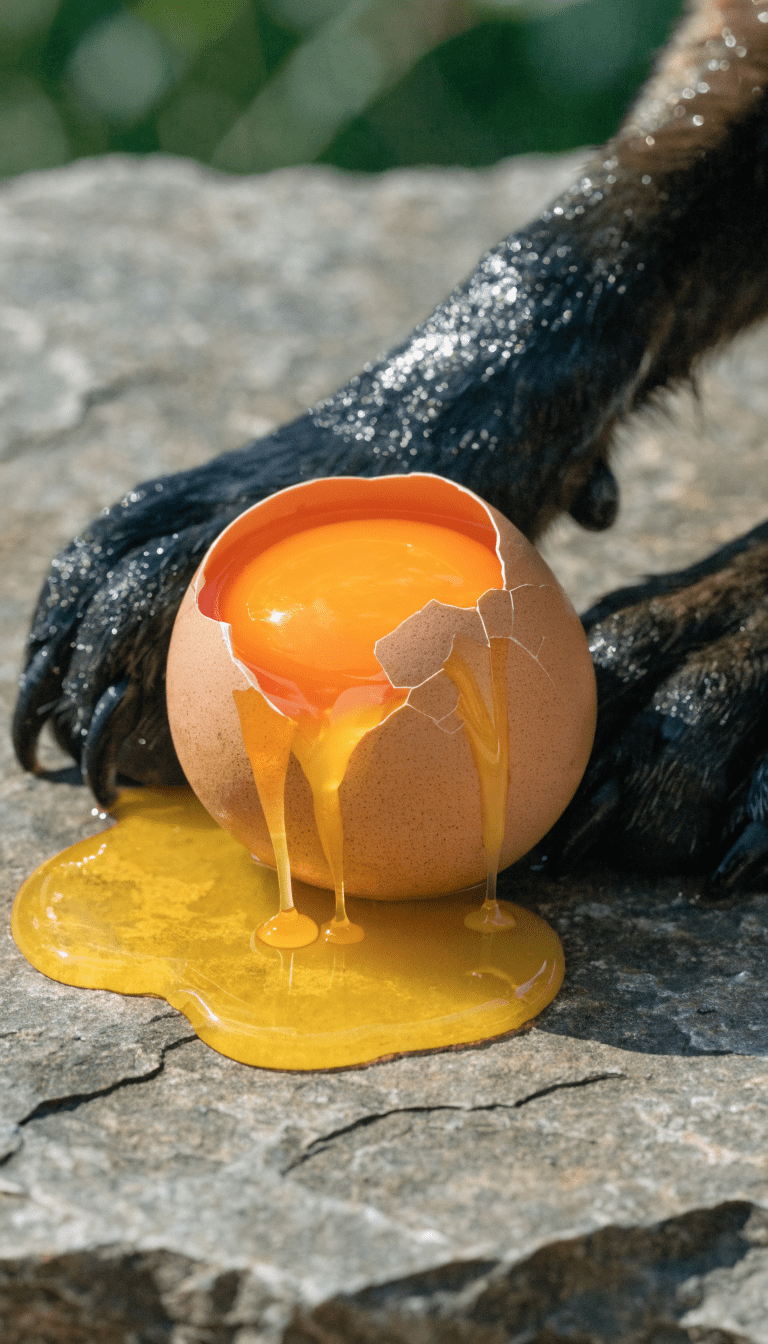
- High-quality protein boost comes with a caveat. Dogs need protein, and eggs are a neat source. The amino acids can support muscle maintenance and growth. Just don’t rely on eggs as the sole protein—balanced meals win.
- Biotin, an underappreciated B vitamin ally. Some claim raw egg whites can bind biotin and cause a deficiency if fed long-term. The reality? A little bit here and there isn’t likely to tank your pup, but it’s worth mixing up protein sources.
- Eye-pleasing fats for shine. The fats in eggs help coat that coat and keep skin happy. A glossy fur moment? Possibly.
- Convenient quick protein snack. When you’re in a hurry, a small, properly handled egg can be a simple addition to meals, not a full meal replacement. Moderation matters.
- Adaptable for picky eaters. Some dogs go nuts for the taste. If your dog’s a finicky eater, a tiny raw egg might tempt them to eat their other meals too. Don’t rely on it as a trick, though.
- Digestive support in some cases. For dogs with sensitive stomachs, a gentle introduction of eggs can be soothing—provided you start slow and watch for reactions.
- Cost-effective protein. Eggs beat buying fancy supplements at the store, in many households. But the cheap route isn’t always the safest route, so tread carefully.
Deep dive: biotin, avidin, and the egg-white conundrum
A quick detour: egg whites contain avidin, which can bind biotin and potentially interfere with absorption if fed raw and in large amounts over time. The practical takeaway? It’s unlikely to cause a big deficiency from a few eggs, but if your dog loves eating eggs daily, you might want to rotate protein sources or cook the eggs to denature avidin.
Hidden risks you should not ignore
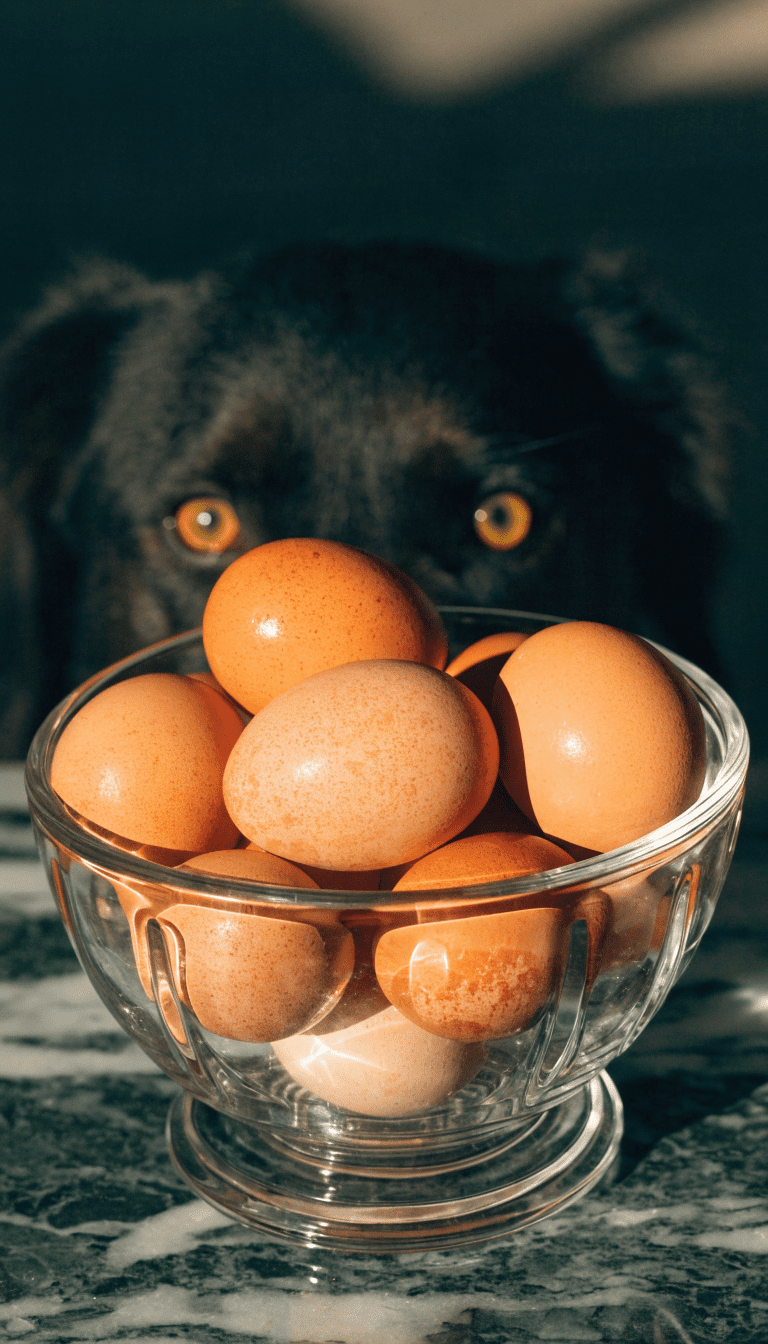
- Bacteria risk. Salmonella isn’t just human drama. Dogs can get sick too, especially puppies, seniors, or dogs with compromised immunity. Symptoms aren’t fancy: vomiting, diarrhea, fever, and listlessness.
- Salmonella can spread to humans. Handling raw eggs means you might end up washing dishes and hands more carefully. Always wash up after prep and keep raw eggs away from human food areas.
- Biotin deficiency if overused. We touched on this, but it bears repeating: too many raw whites can theoretically tier down biotin absorption over time. Variety is your friend.
- Pancreatic stress or stomach upset. Some dogs handle raw eggs like a champ; others react with an upset belly. If your dog hates mornings after eggs, dial back.
- Allergic reactions. Yes, dogs can be allergic to eggs. Watch for itching, swelling, or GI distress after a new introduction.
- Parasitic risk if eggs aren’t fresh. Egg freshness isn’t just about flavor—it’s about safety. Spoiled eggs can harbor nasties that aren’t friendly to pups.
When and how to minimize risk
– Start small: offer a tiny amount, watch for 24–48 hours for any red flags. If all clear, you can consider a small increase on rare occasions.
– Use pasteurized eggs if possible. They’re not a magic shield, but they reduce some risk.
– Keep it occasional: use as a treat or meal topper, not a daily staple.
– Cooked vs raw: cooked eggs reduce the risk of bacteria and biotin issues, while still delivering protein. If you insist on raw, keep it occasional and balanced.
– Hygiene is your best friend: sanitize surfaces, wash hands, and don’t cross-contaminate with human foods.
Cooked eggs: does heat change the game
- Safer protein delivery. Cooking eggs eliminates most harmful bacteria and neutralizes avidin to preserve biotin absorption.
- Same protein, different texture. Scrambled, boiled, or poached eggs offer similar protein with different versatility for picky eaters.
- Digestibility and tolerance. Some dogs digest cooked eggs more easily; others don’t notice. It’s very individual.
- Flavor and appetite. A warm, cooked egg can be a bigger appetite boost for a recovering pup than a cold, raw one.
How to safely incorporate cooked eggs
– Serve plain, without butter, oil, salt, or seasoning. Our dogs don’t need extra spice.
– Mash into meals or offer as a treat. A small, well-tolerated portion works wonders for sharing a kitchen moment.
– Use as a topper or a training reward, not as a full meal. Keep portions reasonable to avoid calorie creep.
Signs your dog should avoid eggs altogether
- Persistent GI issues. If eggs trigger vomiting, diarrhea, or gas every time, skip them for a while and talk to your vet.
- Food allergies or sensitivities. If your dog has known allergies to eggs or other proteins, skip entirely unless advised by a vet.
- Compromised health. Puppies under certain ages, senior dogs, or dogs with specific medical conditions may need to avoid raw eggs. Always check with a professional.
What to do if you’re unsure
If you’re teetering between “gonna try it” and “nah,” bring it up with your vet. A quick check-in can save you a lot of worry and a bag of eggs.
Myth-busting: common fears debunked
- Eggs will cause immediate illness. Not always. Most dogs tolerate small amounts, but the risk isn’t zero, especially with raw eggs.
- All eggs are dangerous. Fresh, properly handled eggs can be safer than spoiled ones. It’s about handling, freshness, and portion control, not a blanket rule.
- Cooked eggs are boring. Nah. They’re versatile, easy to prepare, and can be tasty add-ons without complicating meals.
FAQ
Is it safe to give my dog raw eggs every day?
Paragraph: It’s generally not recommended to feed raw eggs daily. The risk of bacterial exposure and potential nutrient imbalances increases with frequency. If you want to include eggs regularly, consider cooking them or limiting raw servings to occasional treats, and always discuss with your vet first.
What if my dog shows symptoms after an egg?
Paragraph: Watch for vomiting, diarrhea, lethargy, or fever. If you notice any of these after introducing eggs, stop feeding them and consult your vet. Dehydration is a real concern, especially in puppies.
Should I choose pasteurized or organic eggs?
Paragraph: Pasteurized eggs reduce some risk, but they’re not a guarantee. Organic isn’t a magic shield either. The key is freshness, proper handling, and moderation, not branding.
Can eggs help with a dog’s coat and skin?
Paragraph: Eggs can contribute to healthy protein intake, which supports coat and skin. But don’t rely on eggs alone for dermatologic issues. If skin problems persist, chat with a vet for a targeted plan.
How much is too much?
Paragraph: A typical guideline is one egg per day for large dogs and a fraction for small breeds, but only if you’re comfortable with your dog’s overall diet. If you’re ever in doubt, err on the cautious side and keep portions small.
Are there dogs who should never eat eggs?
Paragraph: Yes. Dogs with egg allergies, certain metabolic conditions, or those advised by a vet to avoid rich proteins should steer clear. Puppies and seniors may have different needs; always tailor to the individual.
Conclusion
So, can dogs eat raw eggs? They can, but it’s not a universal green light. The benefits are real in terms of protein, vitamins, and palatability, but the risks—bacteria, biotin interference, and digestive upset—are not small. If you’re curious, start slow, choose safer handling practices, and consider cooked eggs as a safer default. IMO, eggs can be a nice occasional addition to a balanced diet rather than a daily habit, and FYI, your vet is your best buddy here. After all, your dog’s health deserves a thoughtful approach, not a shell-shock moment.