Your dog won’t stop scratching, you’re losing sleep, and the vet bills look like rent payments. Let’s fix that. You can absolutely calm most dog skin allergies at home with smart, simple steps. We’ll focus on what works, what’s safe, and when you need backup. Ready to get your pup comfy again?
First, figure out what’s actually irritating your dog
You can’t treat what you don’t understand. Skin allergies in dogs usually come from three big categories: fleas, food, and environmental triggers (pollen, dust mites, mold). Sometimes it’s a combo platter. Fun. Start with easy wins:
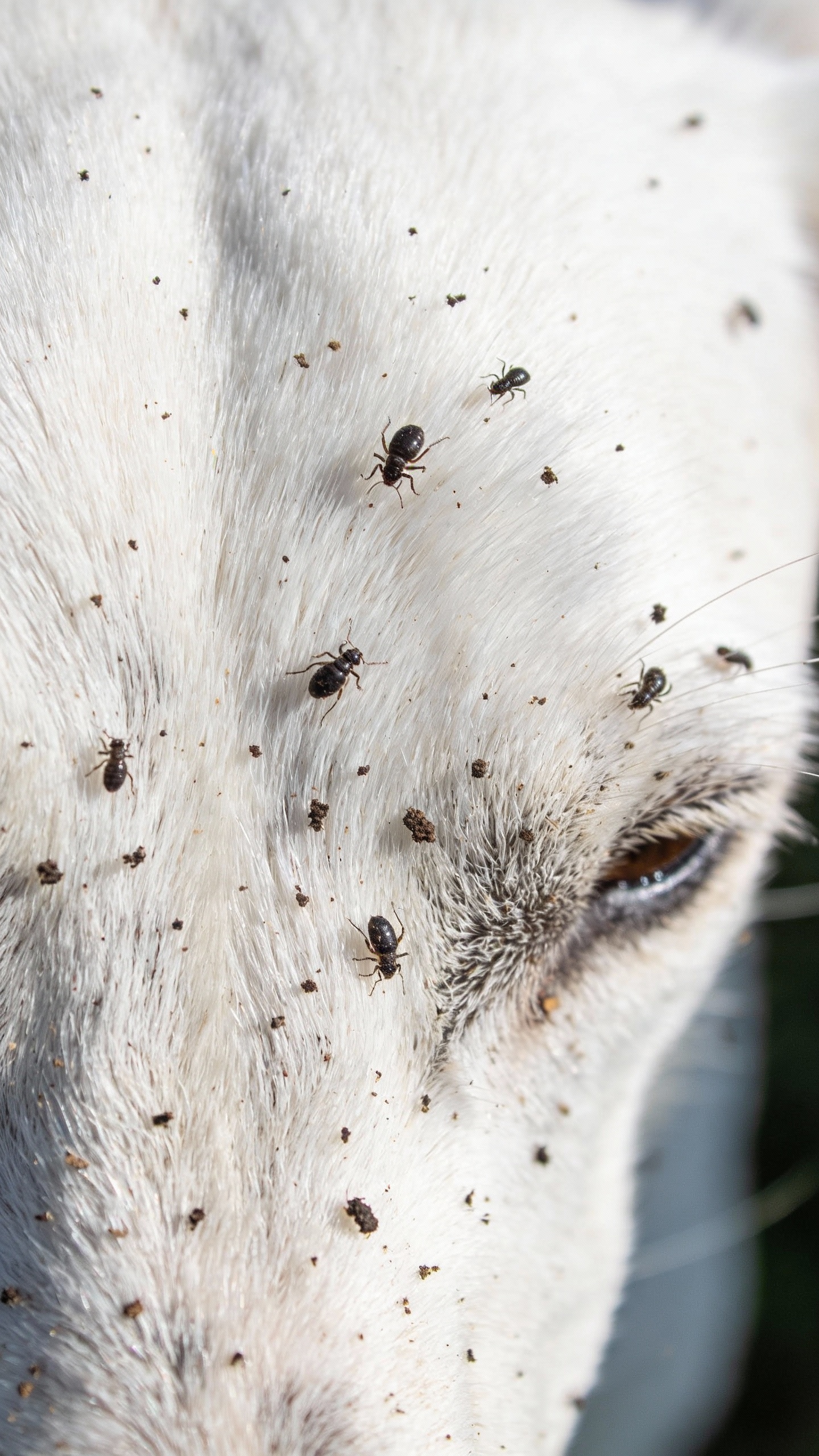
- Check for fleas even if you never see one. Look for flea dirt (tiny black specks that turn red when wet) on your dog’s skin.
- Track patterns. Does the scratching spike after walks or in spring? Environmental. Year-round? Might be food or dust mites.
- Focus areas matter: Itchy paws and face often point to environmental allergies; bum and back can indicate fleas; ear infections might suggest food sensitivities.
When to call the vet anyway
You’re saving money, not ignoring health. Get help if you see:
- Open sores, hot spots, or bleeding
- Raw ears, head shaking, bad odor
- Hair loss in patches
- Lethargy, fever, or loss of appetite
You can still do most of this at home, but infections need proper meds.
Crush fleas fast (cheaply)
Flea allergies drive dogs wild. One bite can set off a week of chaos. Good news: you can beat fleas without burning your wallet.
- Use a reliable flea preventive. Store-brand topicals or oral generics work. Skip random essential oil sprays—many irritate skin or poison cats.
- Wash bedding weekly in hot water. Vacuum often, including baseboards and under furniture.
- Flea comb every few days to monitor progress. It’s oddly satisfying.
DIY flea control that actually helps
- Dish soap baths can knock down adult fleas in a pinch. Follow with conditioner to avoid dry skin.
- Food-grade diatomaceous earth in cracks and along baseboards can reduce flea populations. Keep it out of lungs—yours and your dog’s.
Soothe the skin: simple, safe home care
You’ll win a lot of battles just by calming inflammation and repairing the skin barrier. Make these your go-tos.
- Cool water rinses after walks. Pollen sticks to fur like glitter; rinse it off.
- Oatmeal baths (unscented, colloidal oatmeal) for 10–15 minutes. Pat dry. Magic for itchy pups.
- Hypoallergenic, fragrance-free shampoo. Wash every 1–2 weeks. Overbathing dries the skin—moisturize after.
- Moisturize with a dog-safe leave-in conditioner or spray containing ceramides or aloe. No human lotions—too many additives.
- Paw care: Rinse, then apply a thin layer of paw balm after walks. Protects and seals.
Hot spot first aid
If your dog created a raw, wet mess (aka a hot spot):
- Clip surrounding hair to let the area dry.
- Clean gently with diluted chlorhexidine (2–4%) or a vet-approved antiseptic spray.
- Keep it dry, use an e-collar or T-shirt to block licking, and clean 1–2x daily.
If it spreads or smells foul, that’s vet territory—likely needs antibiotics.
Food fixes that don’t cost a fortune
Food allergies aren’t as common as people think, but they happen. Chicken and beef cause the most issues. You don’t need fancy boutique kibble to test this.
- Try a simple elimination diet for 6–8 weeks. Pick one protein your dog hasn’t eaten before (e.g., turkey, fish, lamb) and one carb (e.g., sweet potato, rice). No treats, no table scraps, no flavored meds.
- Read labels like a hawk. Many “salmon” foods still contain chicken. Sneaky.
- Reintroduce old protein after the trial. If itching comes roaring back, you found the culprit.
Budget-friendly supplement support
Some additions can help the skin barrier and reduce itch, IMO:
- Omega-3 fatty acids (fish oil) help calm inflammation. Aim for EPA + DHA totaling 50–100 mg/kg daily. Start small to avoid tummy upset.
- Probiotics made for dogs can support gut-skin connection. Choose ones with guaranteed CFUs and named strains.
- Plain canned pumpkin helps if diet changes cause stool drama. Fiber for the win.
Environmental hacks that actually work
You can’t bubble-wrap your dog from pollen, but you can reduce exposure enough to matter.
- Wipe-down routine: After walks, wipe paws, belly, and chest with damp cloth or dog wipes. Fast and effective.
- Rinse more, shampoo less: Quick water-only rinses remove allergens without stripping oils.
- Air quality matters: Run a HEPA air purifier where your dog sleeps. Wash bedding weekly. Dust and vacuum often.
- Groom smart: Brush daily to remove allergens and loose hair. Use a de-shedder for double coats.
Anti-itch tools you can buy without a script
- Hydrocortisone 1% sprays labeled for dogs help localized itching. Short-term only (up to a week).
- Topical antihistamine sprays for dogs can take the edge off.
- Antihistamines (oral): Some dogs respond to cetirizine or chlorpheniramine. Doses vary by weight—check with your vet before starting, especially if your dog has other meds or conditions.
Break the itch-scratch cycle
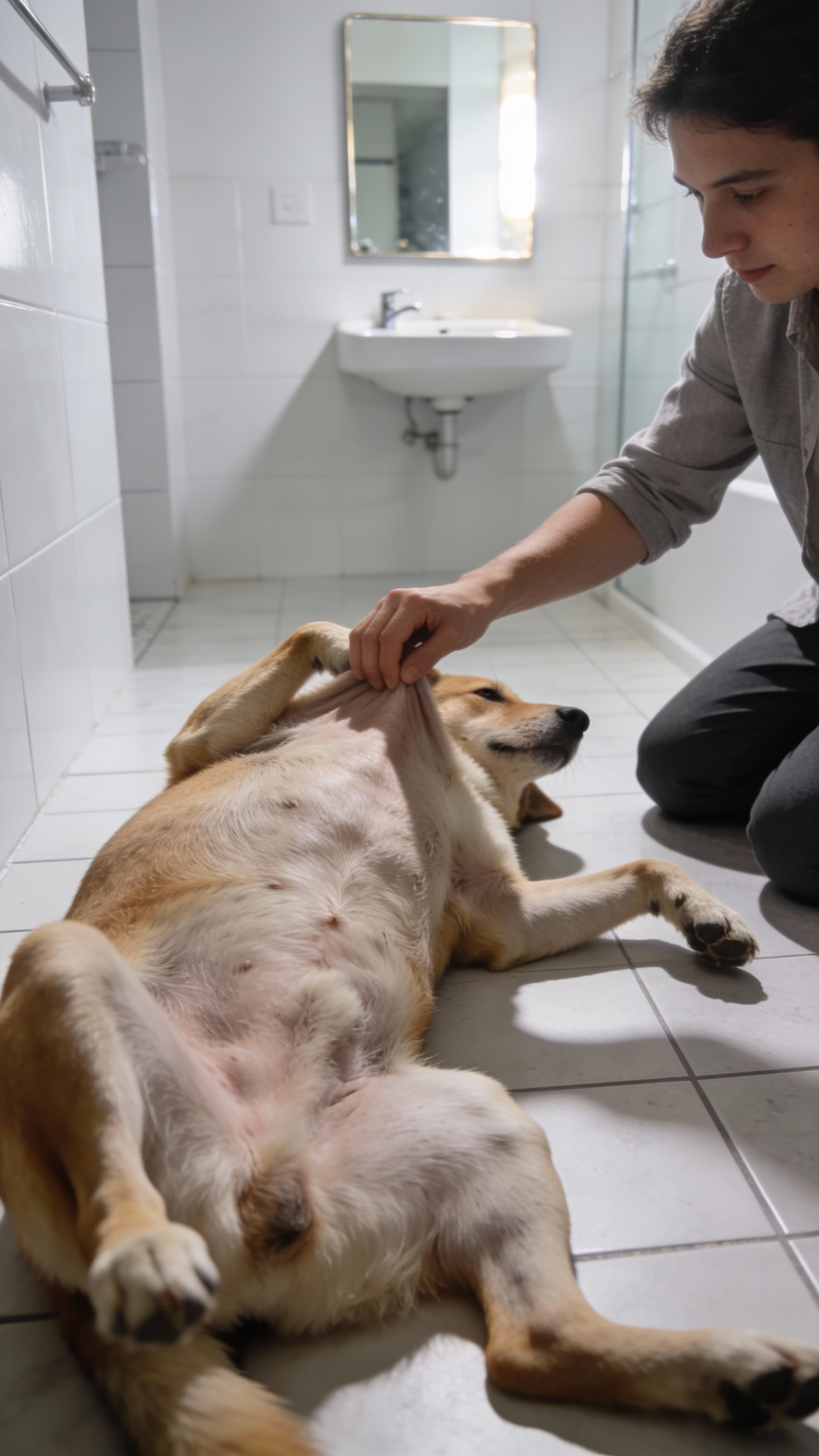
Your dog scratches because it itches. Then the skin breaks, which itches more. You get the idea. Let’s interrupt it.
- Use a comfy cone or soft donut during flare-ups. Not cute, but effective.
- Keep nails short to minimize damage.
- Redirect the brain: Puzzle feeders and sniff games during peak itch times help reduce focus on scratching. Sounds silly, works surprisingly well.
Track what helps (so you don’t guess forever)
Write down what you try and what changes. You’ll save time, money, and sanity.
- Note weekly itch scores (0–10), hotspots, and ear gunk.
- Record food, treats, and new products.
- Watch seasons: Spring/fall spikes = pollen; winter dryness = indoor air.
FYI, data beats vibes—especially with allergies.
FAQ
Can I give my dog Benadryl?
Sometimes, but it doesn’t help every dog. The typical dose veterinarians suggest is 1 mg per pound (2 mg/kg) up to 3 times daily, but always confirm with your vet first, especially if your dog takes other meds or has glaucoma, heart disease, or urinary issues. Also, avoid combo “cold” formulas—stick to plain diphenhydramine.
Are grain-free diets better for skin allergies?
Not automatically. Most skin allergies come from proteins (like chicken or beef), not grains. Grain-free foods also raised concerns about heart issues in some dogs. If you switch diets, choose a complete, balanced food from a reputable brand and focus on a novel protein trial rather than chasing trends.
Do home remedies like coconut oil help?
Topically, a tiny amount can moisturize dry skin, but it can also clog pores or cause greasiness. Or your dog might try to eat it and turn into a slip-n-slide. For many dogs, omega-3s work better from the inside out. If you use coconut oil, test a small area first and avoid broken skin.
What’s the difference between allergies and mange?
Allergies itch, but the skin often looks pink or inflamed without heavy scaling at first. Mange (mites) can cause intense itch, hair loss, crusts, and sometimes thickened skin. A skin scrape test confirms it. If your dog gets worse despite good flea control and soothing care, ask your vet about mites.
How long until I see improvement?
Topical relief can show up within a day or two. Diet trials take 6–8 weeks. Flea control can help within days, but you’ll need a month to break the life cycle. Keep at it consistently—sporadic care equals sporadic results.
My dog keeps getting ear infections. Is that an allergy?
Often, yes. Recurrent ear gunk and scratching can point to food or environmental allergies. Clean ears regularly with a vet-approved ear cleaner, keep them dry after baths, and consider a diet trial. If infections keep coming back, you’ll need proper medication to clear yeast or bacteria.
Bottom line: a simple, affordable game plan
You don’t need a gold-plated prescription to help your itchy pup. Start with flea control, add soothing skin care, tackle environmental exposure, and consider a diet trial if the itch persists. Layer in omega-3s, keep notes, and use cones and wipes like a pro. If things escalate—open sores, nasty ears, no improvement—loop in your vet. Otherwise, you’ve got this, and your dog will thank you by finally sleeping through the night (and maybe letting you sleep too). IMO, that’s priceless.