Your dog roars like a furry alarm system at the mail carrier, the neighbor’s cat, a leaf… and you just want five minutes of peace. Good news: “Quiet” isn’t magic, it’s a skill. You can teach it.
And you don’t need a monk’s patience or a PhD in dog whispering—just a plan, timing, and treats your dog would mug you for.
Why Dogs Bark (And Why That Matters)
Dogs bark because it works. It scares off intruders, gets your attention, relieves boredom, or vents excitement. If your dog thinks barking unlocks rewards, they’ll keep smashing that button.
Here’s the catch: if you only yell “Quiet!” when your dog’s mid-meltdown, you might accidentally reward the chaos. Understanding the “why” helps you fix the “how.”
Common Barking Triggers
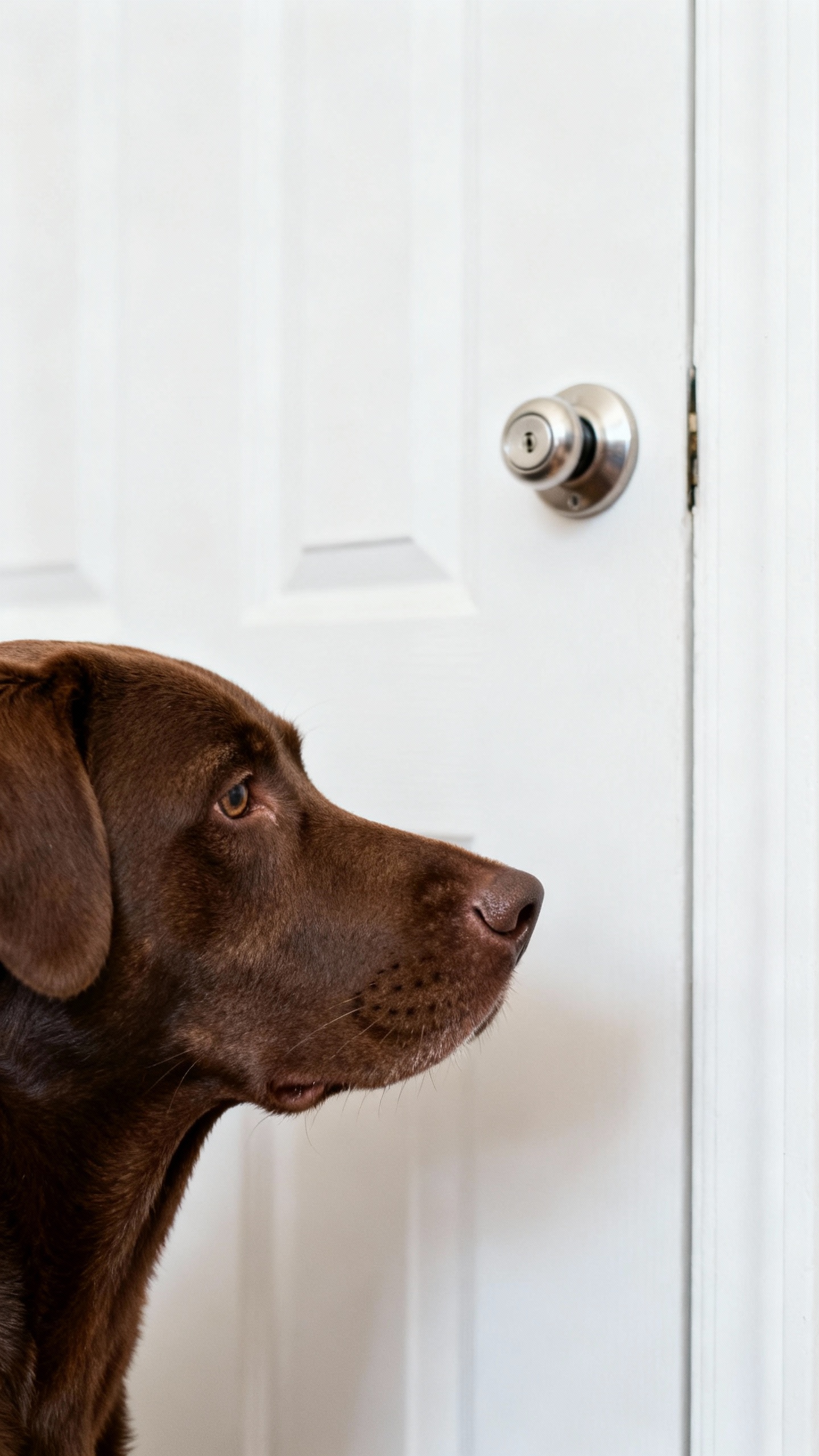
- Alert barking: Doorbell, knocks, squirrels, air molecules moving
- Demand barking: “Play now?” “Snack now?” “Attention, human!”
- Frustration barking: Leash reactivity, barrier frustration
- Boredom/anxiety: Not enough exercise or mental work
The Core Strategy: Teach “Quiet” By Rewarding Silence
You’re not “stopping barking.” You’re teaching a new behavior: silence on cue. Simple formula: mark silence, pay well, repeat.
What You Need
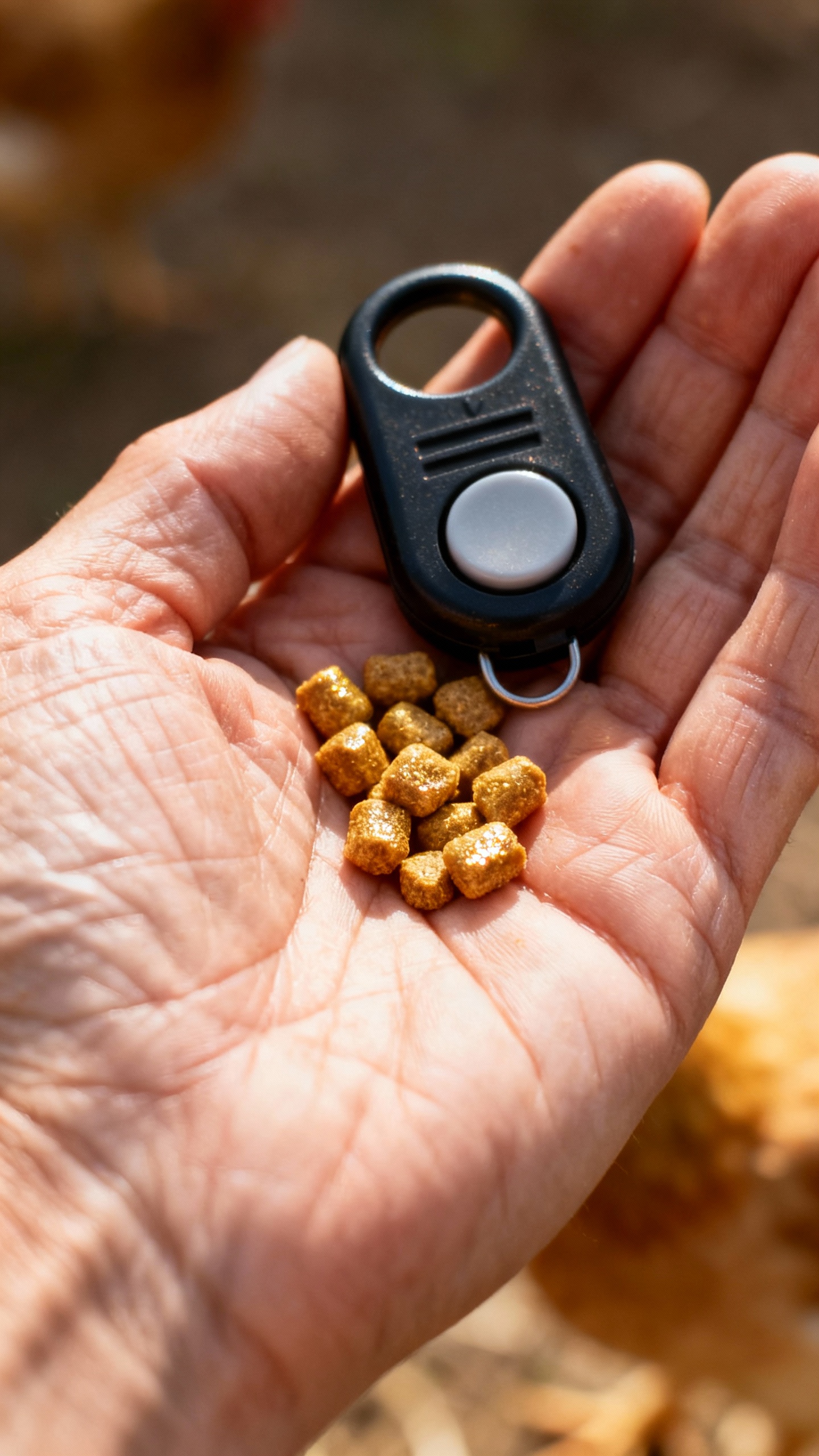
- High-value treats: Tiny, soft, and smelly
- A marker: A clicker or a crisp “Yes!”
- Low-distraction environment: Start easy, level up later
Step-by-Step: The Quiet Game
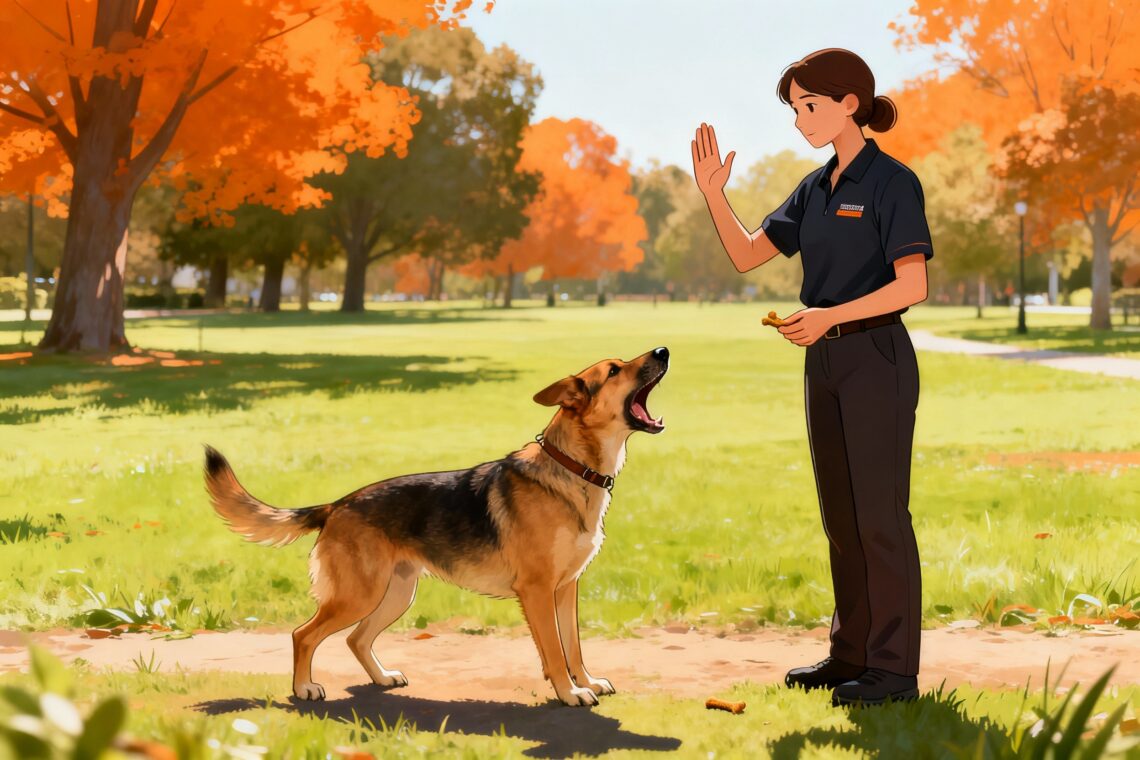
- Trigger a tiny bark.Tap the wall, knock lightly, or have a helper ring the doorbell once. Don’t go nuclear—keep it mild.
- Wait for your dog to pause. Even half a second counts. Timing matters.
- As soon as your dog stops, mark (“Yes!”) and pay.
- Add the cue: Say “Quiet” calmly right as they pause, then mark and treat.
- Repeat in short bursts.Aim for 5-10 reps, 2-3 sessions daily.
You want your dog thinking, “I shut up, I get paid.” Dogs work for results. Let’s give them a clear one.
Pair It With “Speak” (Yes, Really)
Teaching “Speak” gives you an on/off switch. You control the bark, so you control the silence.
How To Teach “Speak”
- Trigger a small bark (knock, doorbell).
- Say “Speak.” When your dog barks, mark and treat.
- Do a few reps until they bark on cue.
Now Chain It: Speak → Quiet
- Say “Speak,” mark one bark, treat.
- Then say “Quiet.” Wait for the pause.Mark, treat jackpot.
- Gradually extend the quiet duration from 1 second to 3, then 5-10.
This builds impulse control. It also keeps your dog from “freestyling” with random bark solos. IMO, it’s one of the fastest ways to get reliable results.
Make It Stick: Practice With Real-Life Triggers
Your dog behaves in the kitchen but forgets everything at the front door?
Totally normal. Dogs don’t generalize well. We need to practice where the action happens.
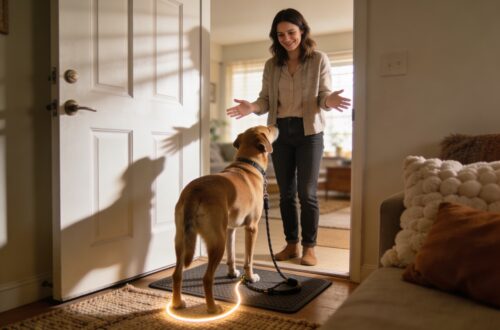
Doorbell Drills
- Set up a mock ring with a helper or smart doorbell.
- Before the ring, load your hand with treats.Calm energy—no frantic shushing.
- Ring once. Let one or two barks happen. Then say “Quiet.”
- Wait for the pause.Mark, treat rapidly (3-4 treats in a row).
- Repeat with longer quiet, then add opening the door.
Window Patrol Protocol
- Block the view if needed (frosted film, curtains). Reduces triggers—smart, not cheating.
- Park a mat by the window and teach “Go to your mat.”
- When your dog sees something, cue “Mat,” then “Quiet,” then treat on the mat.
Pro tip: Reward calm looking without barking. You’ll build a “see it, stay chill” habit.
Stop Accidentally Paying For Barking
If your dog barks, and you talk, touch, open doors, toss toys, or feed them, guess what—they just trained you.
Oops.
Rules To Protect The Training
- Don’t cue “Quiet” while barking nonstop. Wait for the micro-pause, then cue, then reward.
- No attention for demand barking. Look away, fold arms, step out for 10 seconds. Return when quiet, then reward calm.
- Use life rewards. Dog wants outside? Ask for “Quiet” for two seconds, then open the door.
Consistency beats intensity.
FYI, one sloppy “okay fine, here’s the ball” can undo a few good sessions.
Upgrade the Environment: Exercise, Enrichment, and Management
A tired brain barks less. You don’t need marathon runs, but you do need outlets.
Daily Energy Budget
- Physical: Walks with sniffing time, tug, fetch, flirt pole (short sprints)
- Mental: Food puzzles, snuffle mats, training games, scent work
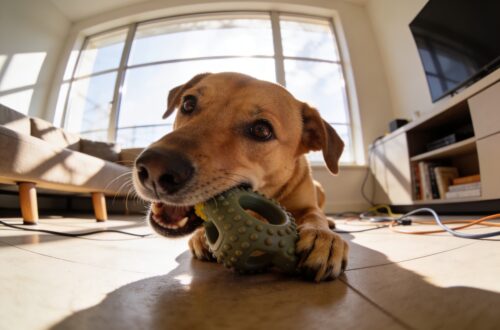
- Chew therapy: Safe chews to decompress
Smart Management
- Block triggers: Window film, baby gates, white noise
- Change routines: Preempt known triggers with “Quiet” practice before they happen
- Leash skills: Reward check-ins outside to reduce reactivity
IMO, enrichment can cut barking by half without touching a single cue. Magic?
No. Just biology.
Common Mistakes (So You Don’t Make Them)
- Shushing frantically: Your dog hears your noise competition and escalates.
- Punishing barking hard: Shock/spray collars can suppress warning signals and create anxiety. You want understanding, not fear.
- Inconsistent rules: “Quiet” today, laugh at barking tomorrow.Dogs love clarity more than comedy.
- Going too fast: Increase difficulty slowly: duration → distance → distractions.
- Skipping jackpots: When your dog nails a tough quiet, pay like a slot machine.
Sample 10-Minute “Quiet” Session
- Minute 0-2: Warm-up with sits/downs and easy treats.
- Minute 2-5: Trigger tiny barks, cue “Quiet,” mark the pause, pay.
- Minute 5-7: Add 2-3 seconds of quiet before marking.
- Minute 7-9: Practice near the door or window, low intensity.
- Minute 9-10: End with a win and a chew toy. Always finish on success.
Do two short sessions daily. Keep vibes light.
Training should feel like a game, not a courtroom cross-examination.
FAQ
How long does it take to teach “Quiet”?
Many dogs learn the gist in a week with daily practice. Reliability around big triggers (doorbell, other dogs) can take 3-6 weeks. The tighter your timing and consistency, the faster it sticks.
What if my dog won’t stop barking long enough to mark silence?
Reduce the trigger intensity.
Increase distance, lower the volume, or block the view. Or ask for an incompatible behavior like “Sit” on a mat first. Then capture the first micro-pause and pay it big.
Can I use a bark collar?
You can, but I wouldn’t.
Collars that shock or spray can suppress barking without teaching calm, and they risk creating anxiety or fear around triggers. Teaching “Quiet” builds self-control and trust. Long-term, that wins.
Do I need to teach “Speak” first?
Nope.
It helps some dogs because it clarifies on/off, but it’s optional. If your dog already barks easily, you can go straight to capturing quiet.
What treats work best?
Use tiny, soft, smelly stuff—chicken, cheese, dehydrated liver. Kibble works in low-distraction rooms, but for doorbells and squirrels, level up.
Pay great work with great currency.
My dog barks when left alone. Will “Quiet” fix that?
If it’s separation anxiety, “Quiet” won’t solve the root issue. You’ll need a gradual alone-time plan, enrichment, and maybe a trainer or vet behaviorist.
Address the emotion first, then layer in cues.
Wrap-Up: Quiet Is a Skill, Not a Miracle
You’re not trying to erase your dog’s voice—you’re giving them an “off” switch. Start easy, reward silence, and practice where life happens. Protect the training by not paying for noise, and give your dog healthy outlets.
Stick with it, and soon you’ll enjoy the sweet sound of… nothing. Well, except for the occasional joyful woof—on cue, of course.