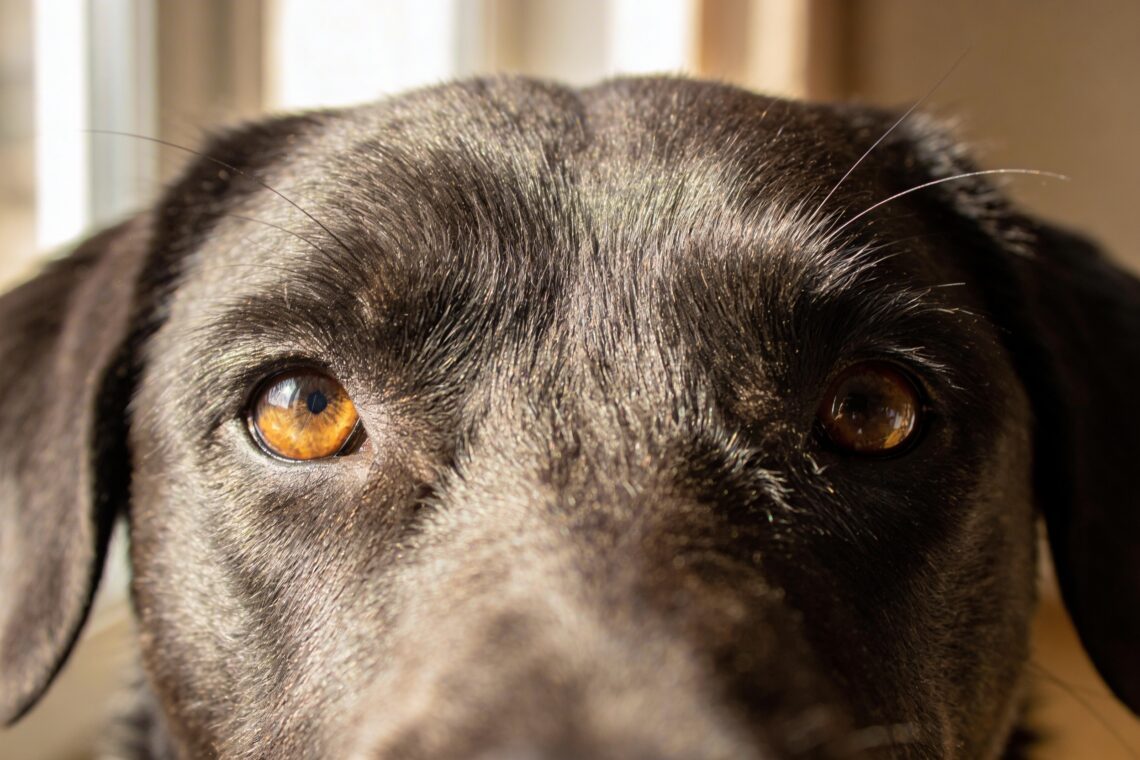
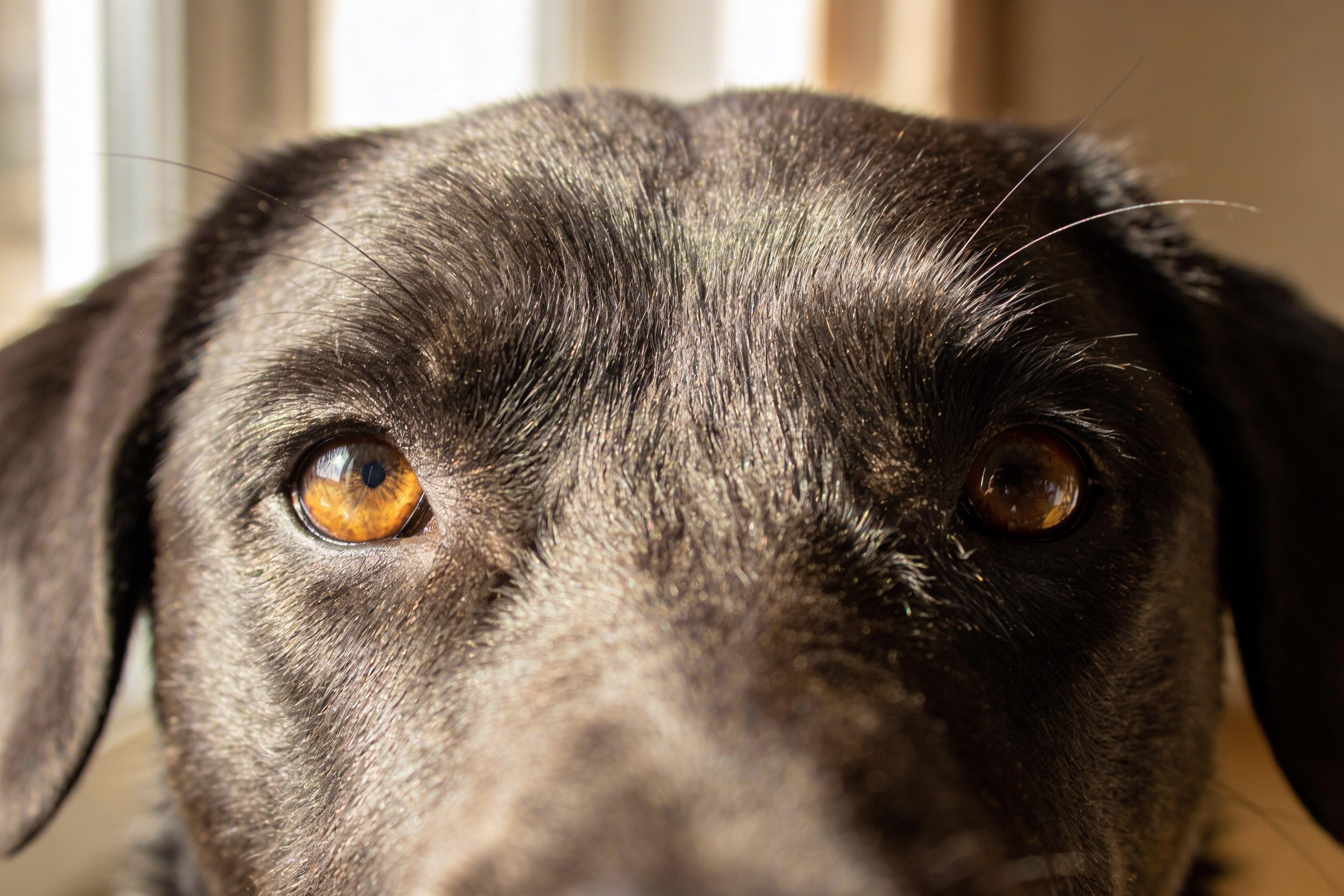
You catch your dog’s eyes on you again. That intense, unblinking stare that makes you wonder if they’re plotting world domination or just really, really love you. Turns out, your furry friend has quite a few reasons for those penetrating gazes, and some of them might actually surprise you.
They’re Literally Reading Your Mind (Sort Of)
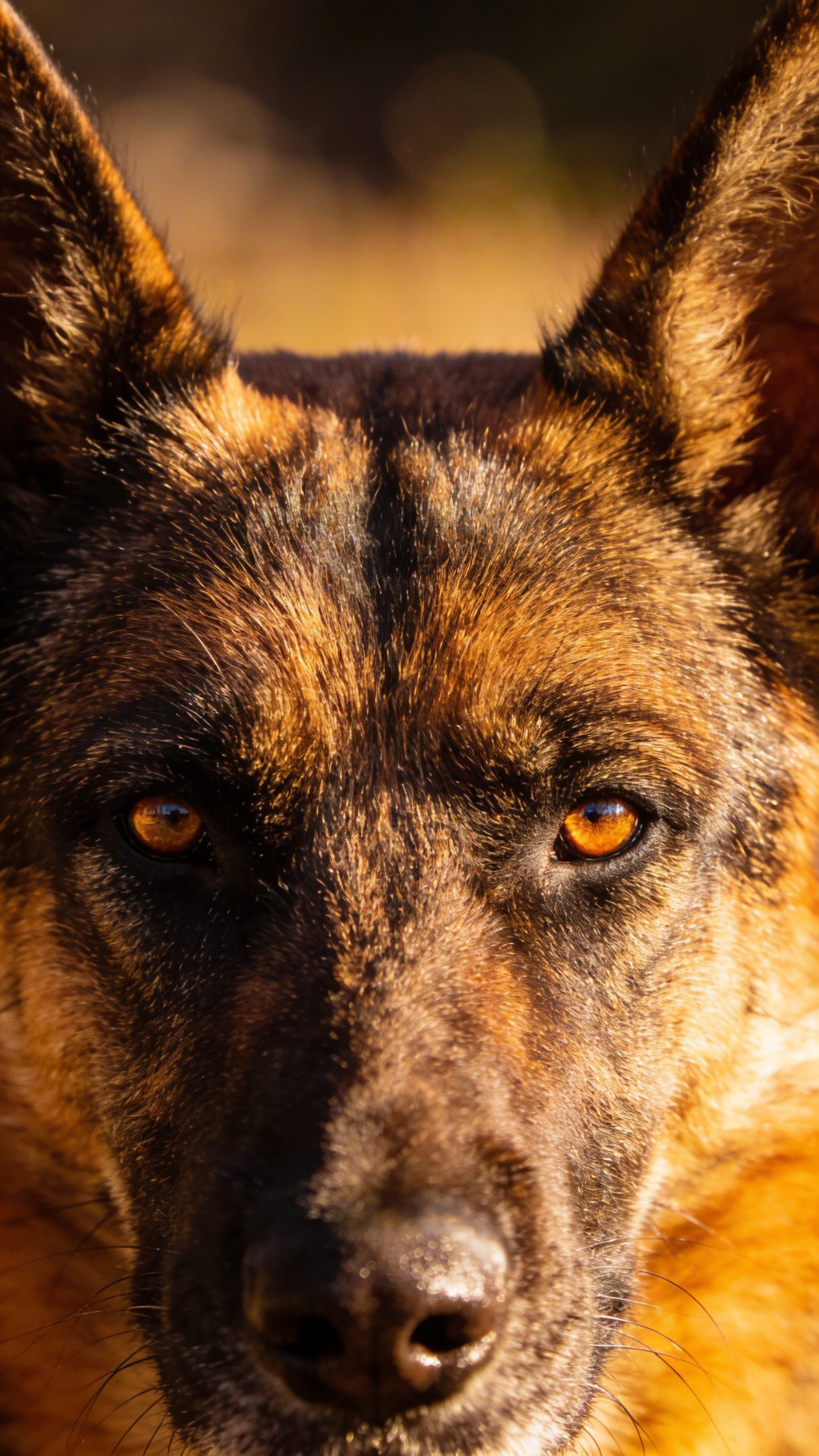
Okay, so your dog isn’t actually psychic, but they’ve become masters at reading your every move. After thousands of years of domestication, dogs have evolved to study human faces and body language like it’s their job—because, well, it kind of is. When your dog stares at you, they’re picking up on subtle cues you don’t even realize you’re giving. That slight shift in your posture before you head to the kitchen? They noticed. The way you reach for your shoes before a walk? Already catalogued in their mental database. Scientists have found that dogs make eye contact with humans more than any other animal, including wolves. Your pup is basically running a constant scan of your facial expressions, trying to predict what’s coming next. Are we going for a walk? Is it dinner time? Are you sad and in need of cuddles?
The Science Behind Those Soulful Eyes
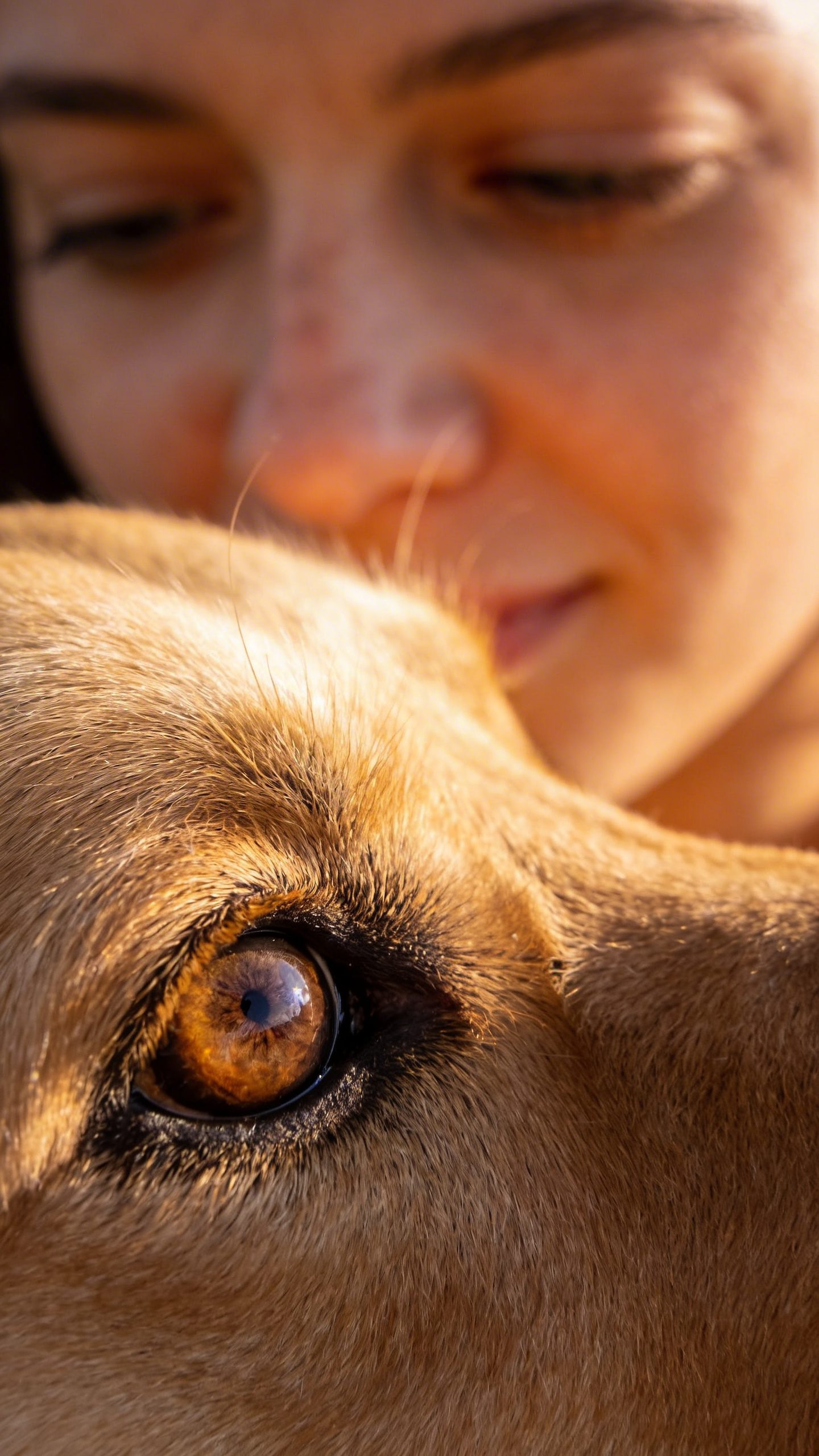
Research shows that when dogs and humans lock eyes, both species experience a spike in oxytocin—yep, the same “love hormone” that bonds mothers to babies. So that warm, fuzzy feeling you get when your dog gazes at you? It’s totally mutual. This chemical reaction creates a positive feedback loop. Your dog stares, you both get a hit of feel-good hormones, and your bond strengthens. Pretty clever evolution trick, if you ask me.
They Want Something (And They’re Not Subtle About It)
Let’s be real: sometimes that stare is just your dog’s version of pointing at what they want. Dogs figured out pretty quickly that sustained eye contact gets human attention, and attention usually leads to good things. The “I need something” stare usually comes with bonus features:
- Sitting perfectly still in front of the treat jar
- Positioning themselves strategically near the door
- Glancing between you and their empty water bowl
- The classic head tilt for maximum cuteness effect
Your dog isn’t being manipulative—okay, maybe a little—but they’re just communicating in the most effective way they know. Since they can’t exactly text you “yo, food bowl’s empty,” they’ve learned that staring usually gets the job done.
They’re Showing You Major Love and Affection
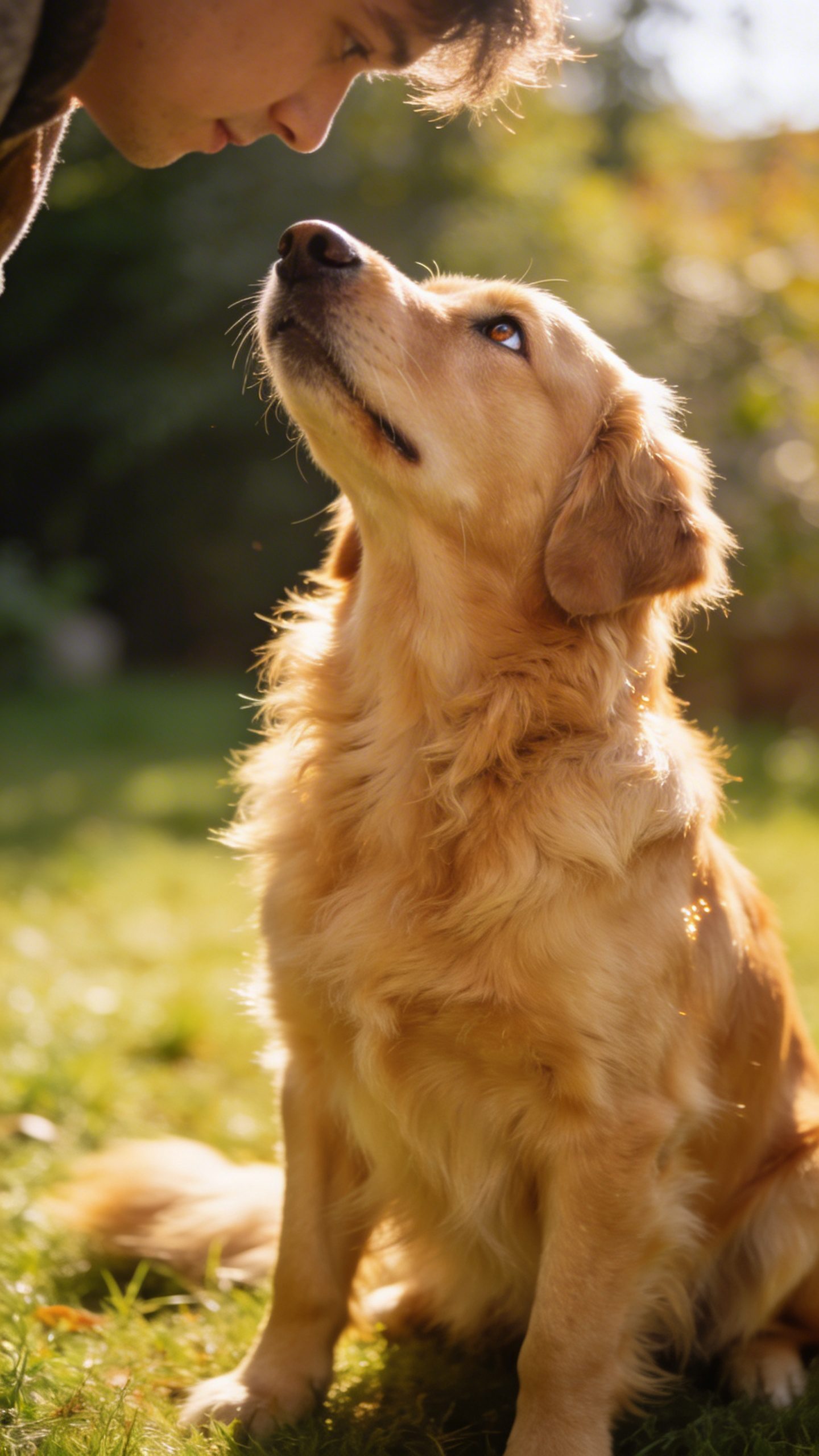
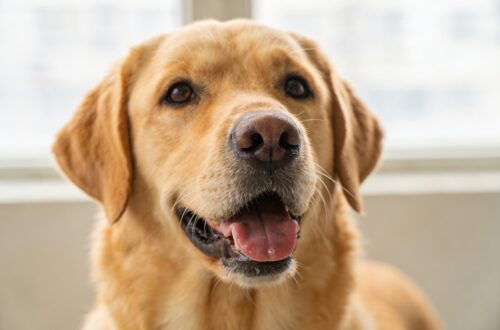
Sometimes a stare is just a stare of pure adoration. Dogs don’t have Instagram to double-tap your photos, so they express their love through prolonged eye contact instead. When your dog is relaxed, has soft eyes, and maybe even a slightly open mouth (that doggy smile we all know and love), they’re basically telling you you’re their favorite person in the entire universe. No ulterior motives, no requests—just pure, unconditional love beaming at you from across the room. This type of staring often happens after you’ve been apart, even if it’s just been five minutes. Your dog genuinely missed you and wants to soak in your presence. IMO, this is hands-down the best kind of dog stare.
They’re Waiting for Direction or Guidance
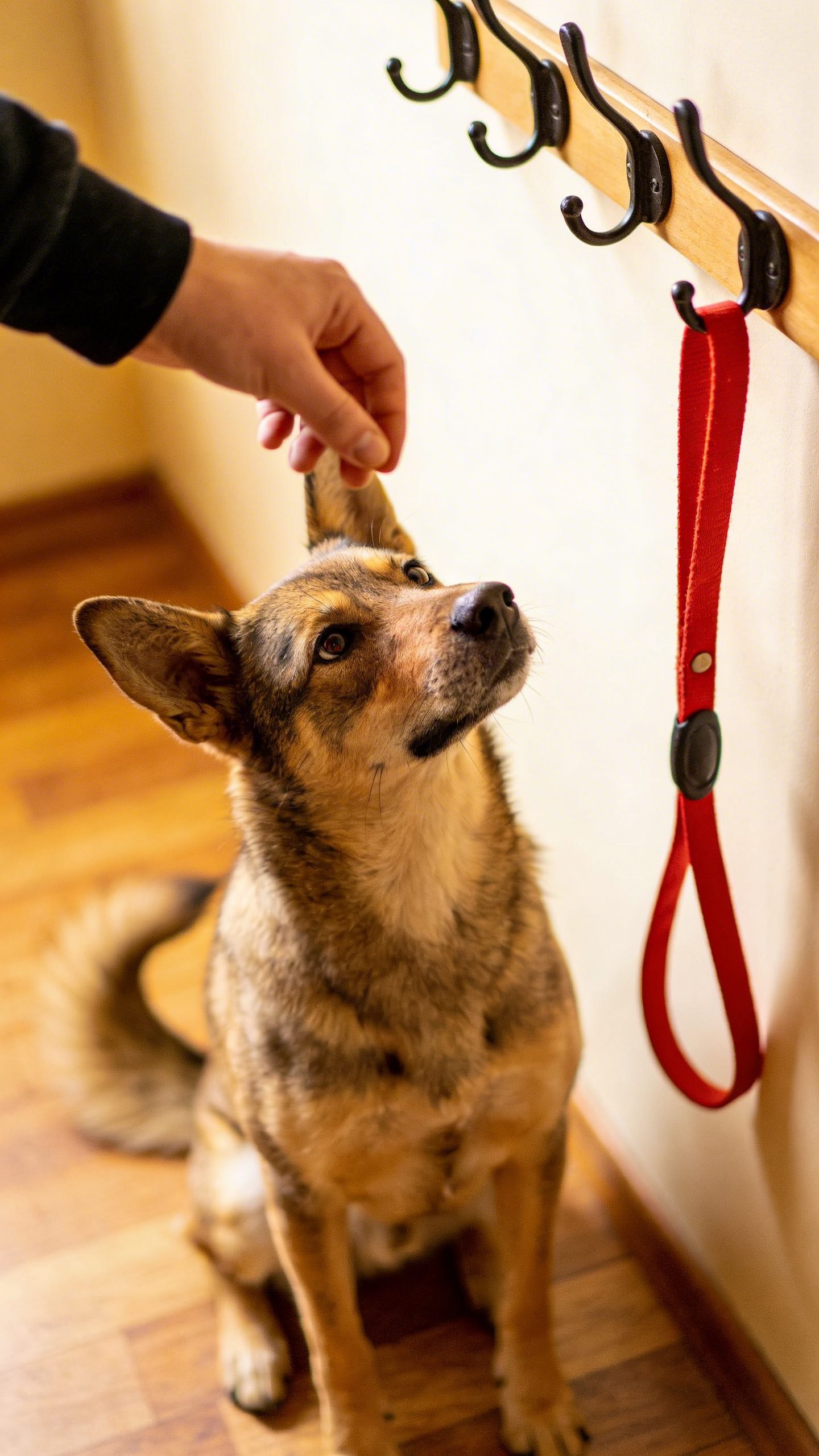
If you’ve done any training with your dog, you’ve probably noticed they stare at you a lot during sessions. That’s because they’re looking for cues about what to do next. Well-trained dogs stare at their owners because:
- They’re anticipating a command
- They’re checking if they did the right thing
- They’re focused and ready to work
- They want confirmation before acting
This is actually a sign of a great relationship and solid training. Your dog sees you as their leader and wants your input before making decisions. It’s like having a really attentive employee who actually cares about doing their job well.
The Working Dog Advantage
Breeds developed for jobs like herding, retrieving, or service work tend to stare even more than average. Border Collies, for instance, use their intense “eye” to control sheep. That same instinct translates to watching their human companions closely. Service dogs take this to another level, constantly monitoring their person for signs they might need assistance. That vigilant stare could literally be life-saving.
They’re Experiencing Confusion or Anxiety
Not all stares are warm and fuzzy. Sometimes your dog stares because they’re genuinely confused about what’s happening or what you want from them. A confused stare often comes with a tilted head, pinned-back ears, or a tense body posture. Maybe you’re giving mixed signals during training, or perhaps something in the environment is stressing them out and they’re looking to you for reassurance. Anxiety-related staring might occur when:
- You’re doing something unusual or out of routine
- There are strange noises or smells
- They’re in an unfamiliar environment
- They’re not feeling well
If your dog’s stare seems intense but unhappy, check the context. Are they scared? Uncertain? Sometimes they just need a little extra comfort or clearer communication from you.
They’re Guarding or Being Protective
Here’s where staring gets a bit more serious. Some dogs stare as part of their guarding behavior, especially if they’ve appointed themselves your personal bodyguard. A protective stare looks different from a loving one. The dog’s body will be tense, their eyes might be harder and more focused, and they’re typically watching you in relation to a perceived threat. This isn’t necessarily aggressive, but it’s your dog saying, “I’m keeping an eye on the situation.” FYI, if your dog’s protective staring is becoming excessive or is paired with aggressive behavior, you should probably chat with a professional trainer. While loyalty is great, you don’t want it crossing into overprotective territory.
They’re Simply Bored Out of Their Minds
Sometimes the answer is the simplest one: your dog is staring at you because they’re bored and you’re the most interesting thing in the room. Congratulations, you’re more entertaining than the wall. Bored dogs often follow their humans around with their eyes, hoping desperately that something—anything—interesting will happen. This stare basically translates to “Please, for the love of dog treats, can we DO something?” If you’re getting a lot of bored stares, your pup might need more mental stimulation or physical exercise. A tired dog is usually too busy napping to stare holes through your soul.
Frequently Asked Questions
Is it bad if my dog stares at me all the time?
Generally, no! Frequent staring usually indicates a strong bond and good communication between you and your dog. However, if the staring seems obsessive, anxious, or is accompanied by behavioral issues, it’s worth checking with a vet or trainer to rule out anxiety disorders or other problems.
Why does my dog stare at me while pooping?
Ah, the infamous poop stare. When dogs are doing their business, they’re in a vulnerable position. Your dog is looking to you for protection and security during this delicate moment. They’re basically saying, “Hey, watch my back while I’m, uh, occupied here.” It’s actually a sign of trust.
Should I stare back at my dog?
With your own dog in a relaxed, loving context? Absolutely! It strengthens your bond and triggers that oxytocin release we talked about. However, don’t stare down unfamiliar dogs—in dog language, direct, hard eye contact can be interpreted as a challenge or threat.
Why does my dog stare at me at 3 AM?
The midnight stare can mean several things: they need a bathroom break, they’re hungry, they heard something concerning, or they’re just checking that you’re still alive. Older dogs especially might wake up disoriented and want reassurance. If it becomes a regular thing, consider whether their evening routine needs adjusting.
What’s the difference between a loving stare and an aggressive stare?
A loving stare comes with relaxed body language, soft eyes, possibly a wagging tail, and maybe some approach behavior. An aggressive or threatening stare involves a stiff body, hard eyes, raised hackles, and the dog maintaining distance or approaching tensely. Context and body language make all the difference.
Why does my dog stare at the wall or ceiling?
If your dog occasionally stares at walls or ceilings, they might be tracking sounds, smells, or even insects you can’t perceive. Their senses are way sharper than ours. However, excessive wall-staring, especially if accompanied by other odd behaviors, should be checked out by a vet—it could indicate vision problems or neurological issues.
Conclusion
Your dog’s stare is rarely just a blank gaze into space. Whether they’re showering you with affection, hoping for treats, seeking guidance, or just really, really bored, those eyes are trying to tell you something. The key is learning to read the context and body language that comes with the stare. Next time you catch your furry friend watching you, take a moment to consider what they might be communicating. Understanding these seven reasons behind the stare can deepen your bond and help you respond to your dog’s needs more effectively. And honestly? Even if they’re just staring because they think you’re awesome, that’s pretty heartwarming too.