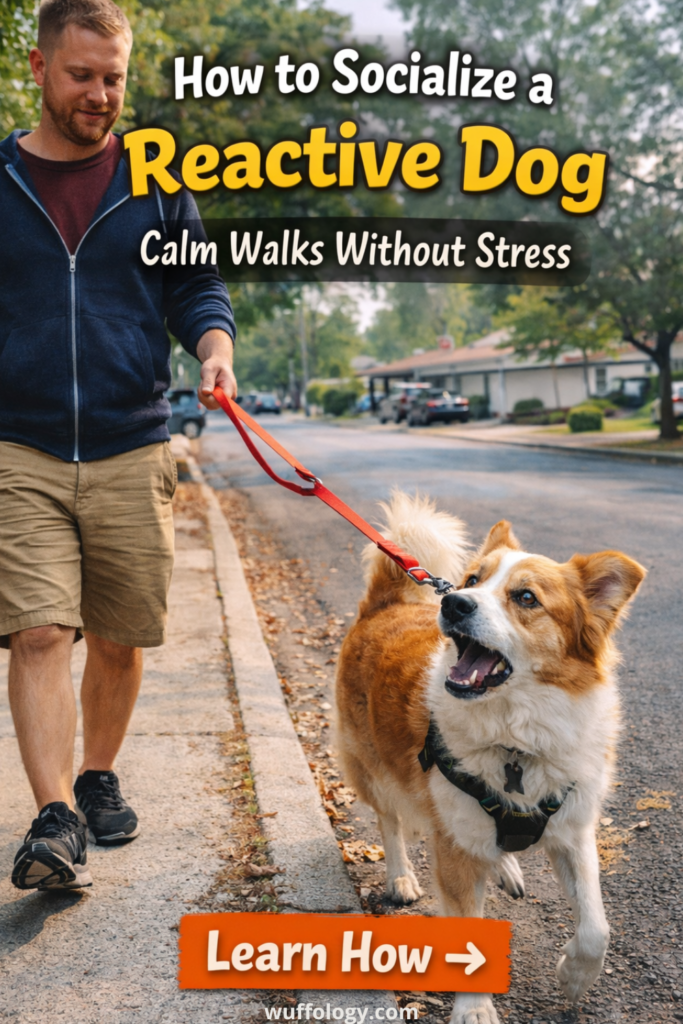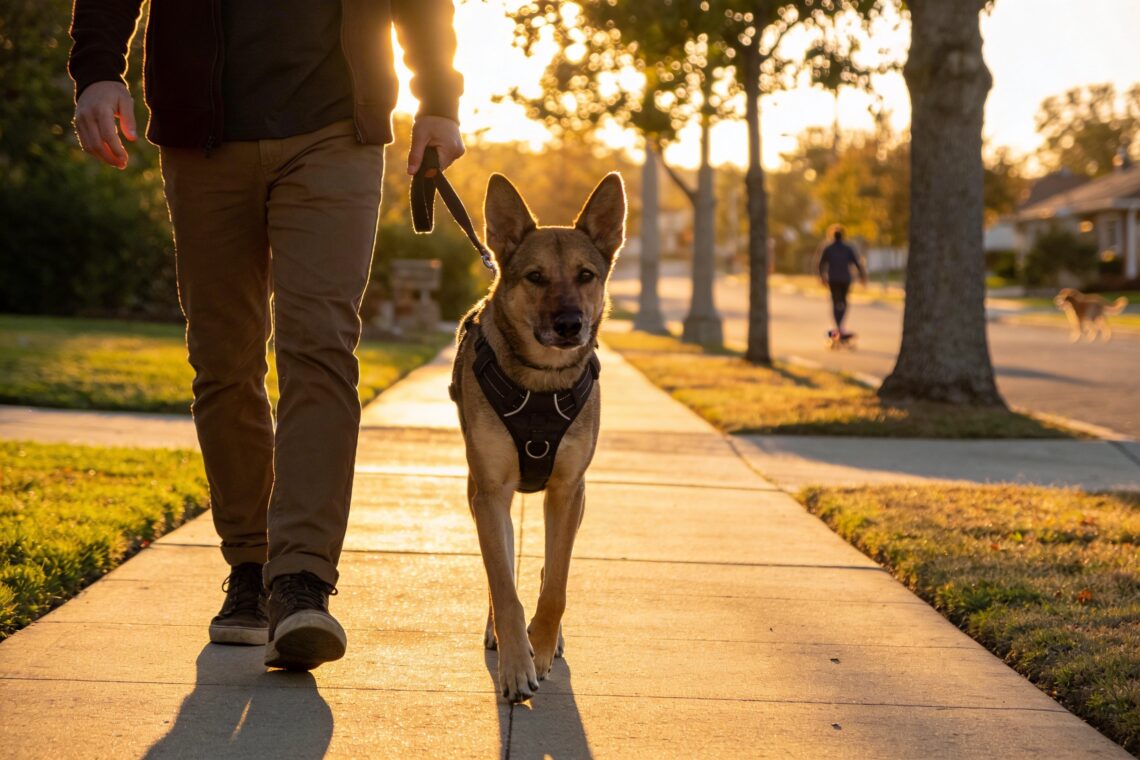
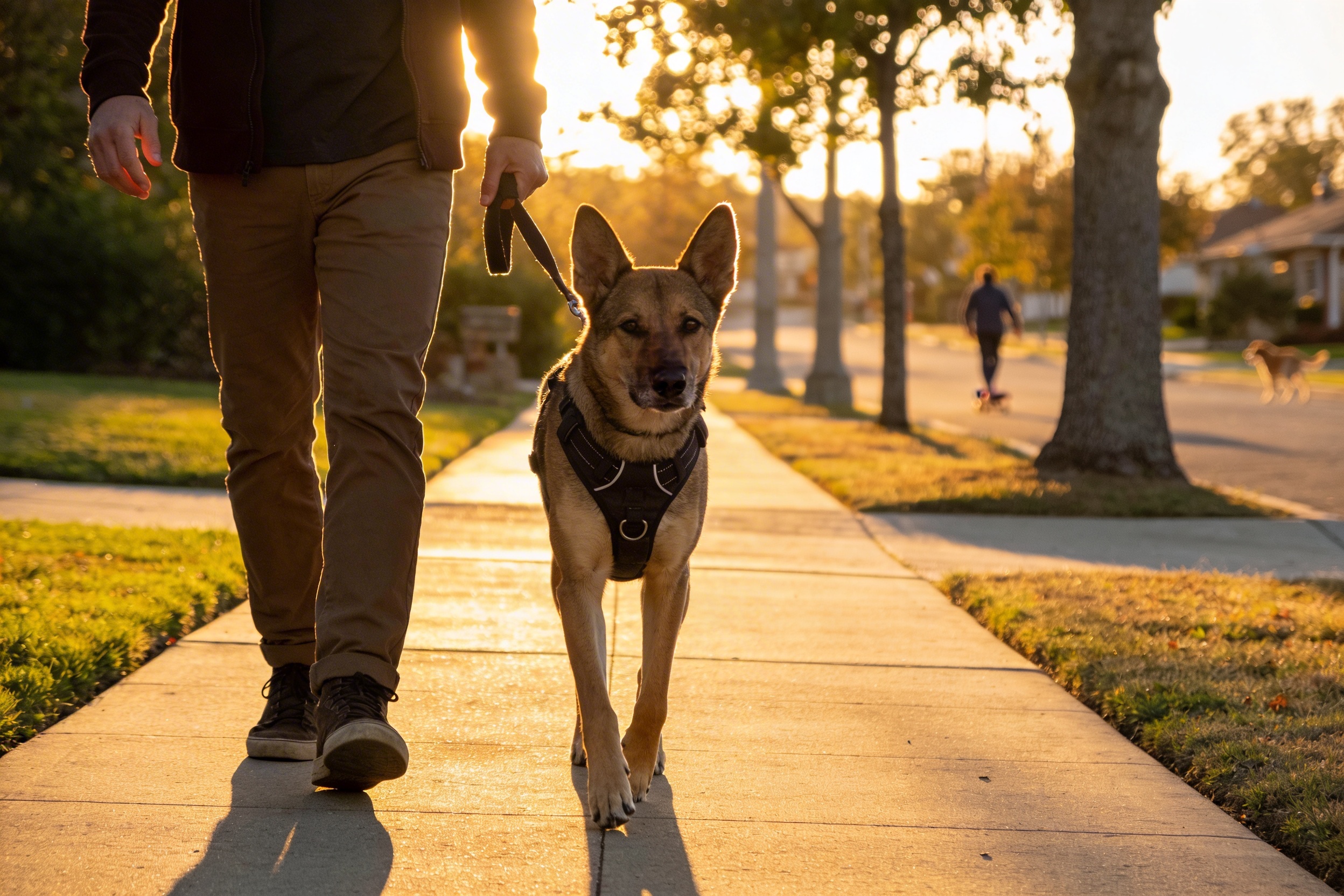
Reactive dog life feels like playing Minesweeper on hard mode, doesn’t it? One second you’re strolling; the next, your dog detonates at a skateboard. You don’t need to “fix” your dog. You need a plan that keeps both of you calm while building real skills. Let’s walk through a step-by-step method that actually works—without the stress, guilt, or awkward apologies to strangers.
First, Let’s Decode “Reactive” (And Ditch the Shame)
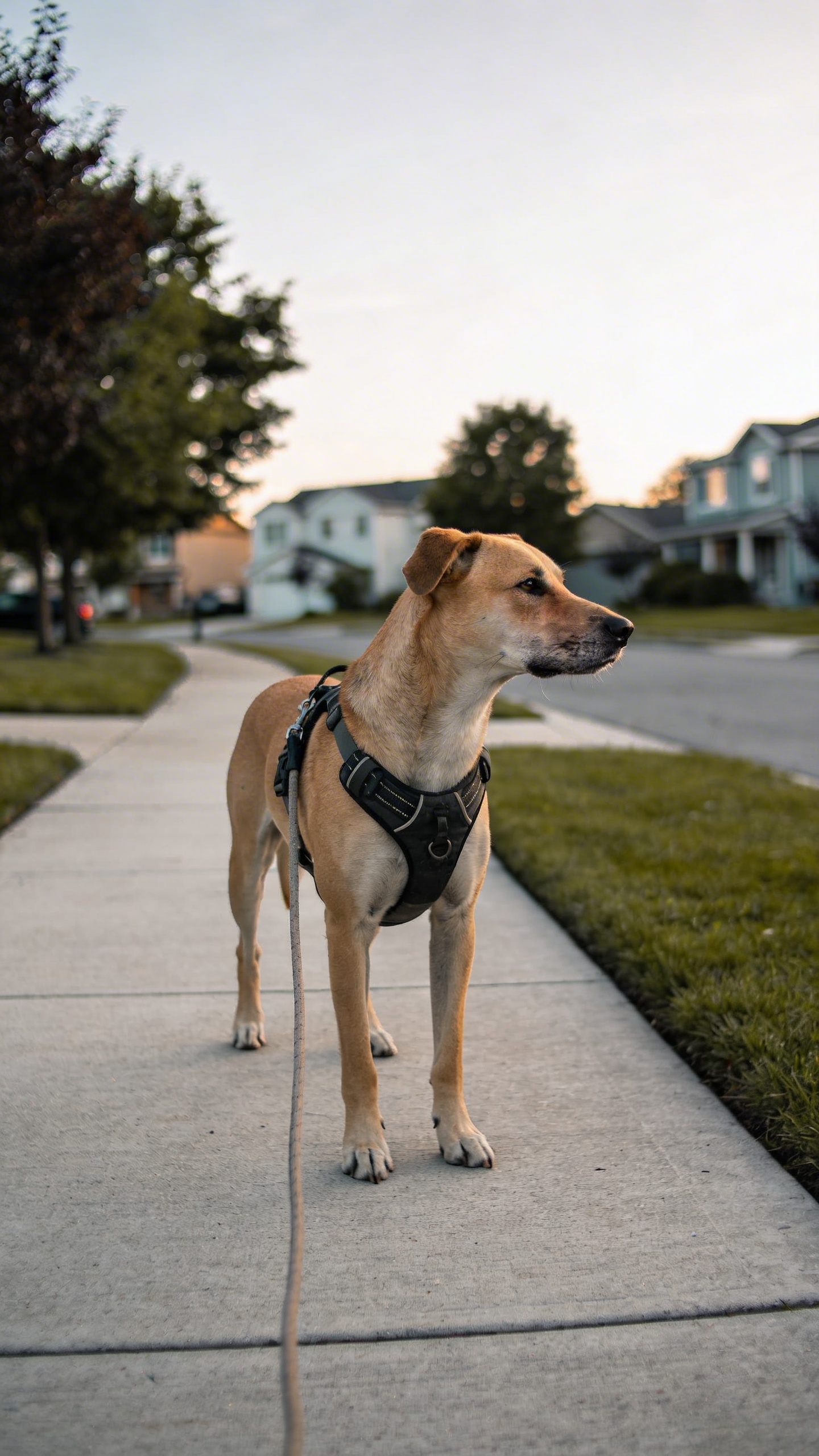
Reactive doesn’t mean aggressive. It means your dog feels overwhelmed and responds big—barking, lunging, freezing, or spinning. Honestly? It’s a normal response for many dogs when their stress bucket overflows. Good news: You can absolutely help your dog feel safer and less explosive. We won’t flood your dog with triggers. We’ll use distance, choice, and rewards to build confidence.
Set the Stage: Safety and Tools That Make Life Easier
You can’t train well if you’re white-knuckling the leash. Set yourself up for wins.
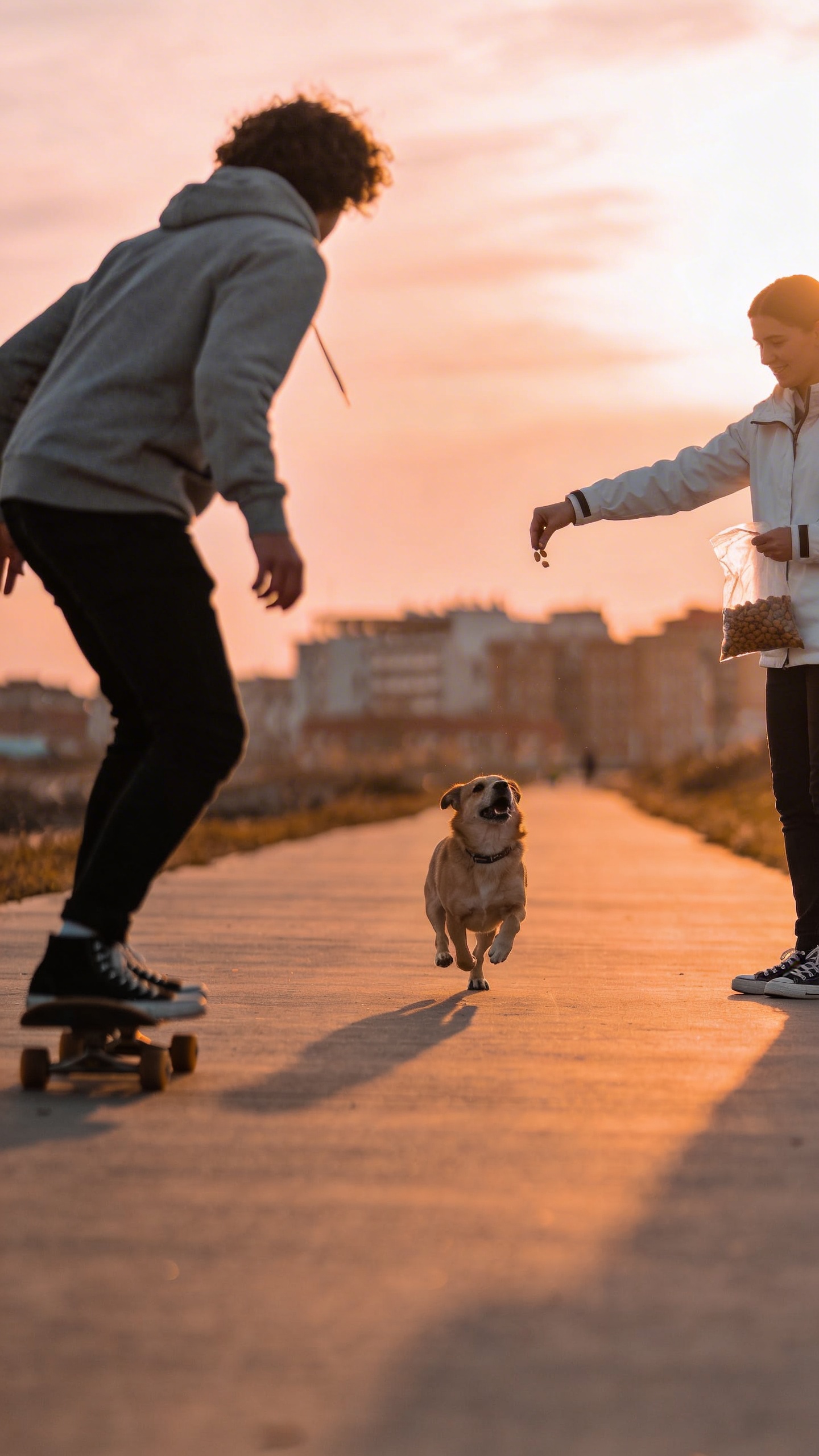
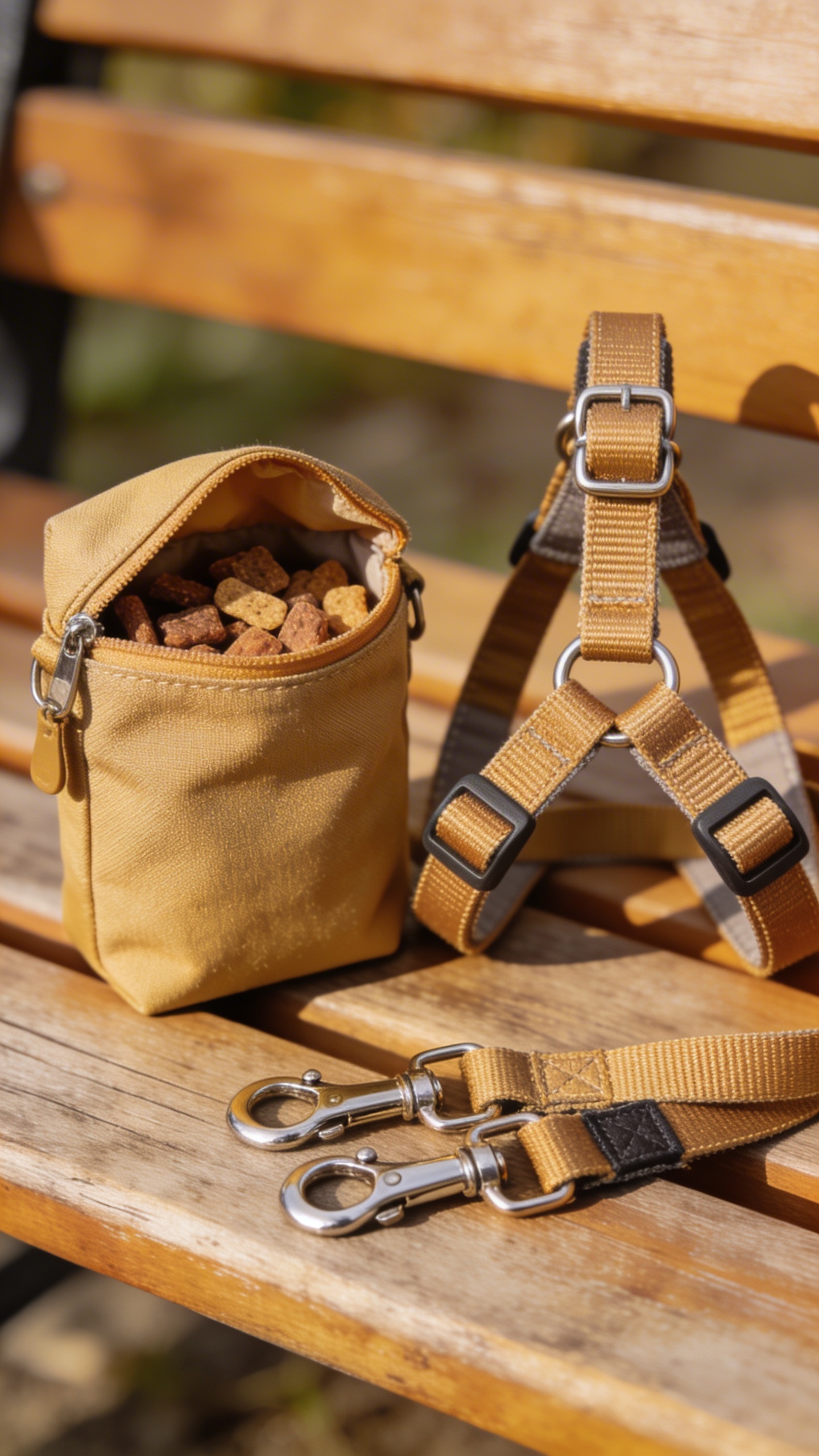
- Use a harness with a front clip for control without neck pressure. Pair with a sturdy 6–8 ft leash.
- Carry high-value treats (chicken, cheese, hot dogs). Kibble won’t cut it here.
- Teach a “Let’s Go” U-turn in your living room so you can pivot away from chaos outside.
- Walk during quiet hours at first. Off-peak equals fewer triggers and more success.
- Muzzle train if needed. It’s not a failure; it’s a seatbelt. Make it a peanut-butter party.
Quick U-Turn How-To
- Say “Let’s go!” in a happy tone.
- Turn 180 degrees and lure your dog with treats.
- Reward as you walk away. Practice daily inside first.
The Calm-First Rule: Lower the Arousal, Raise the Learning
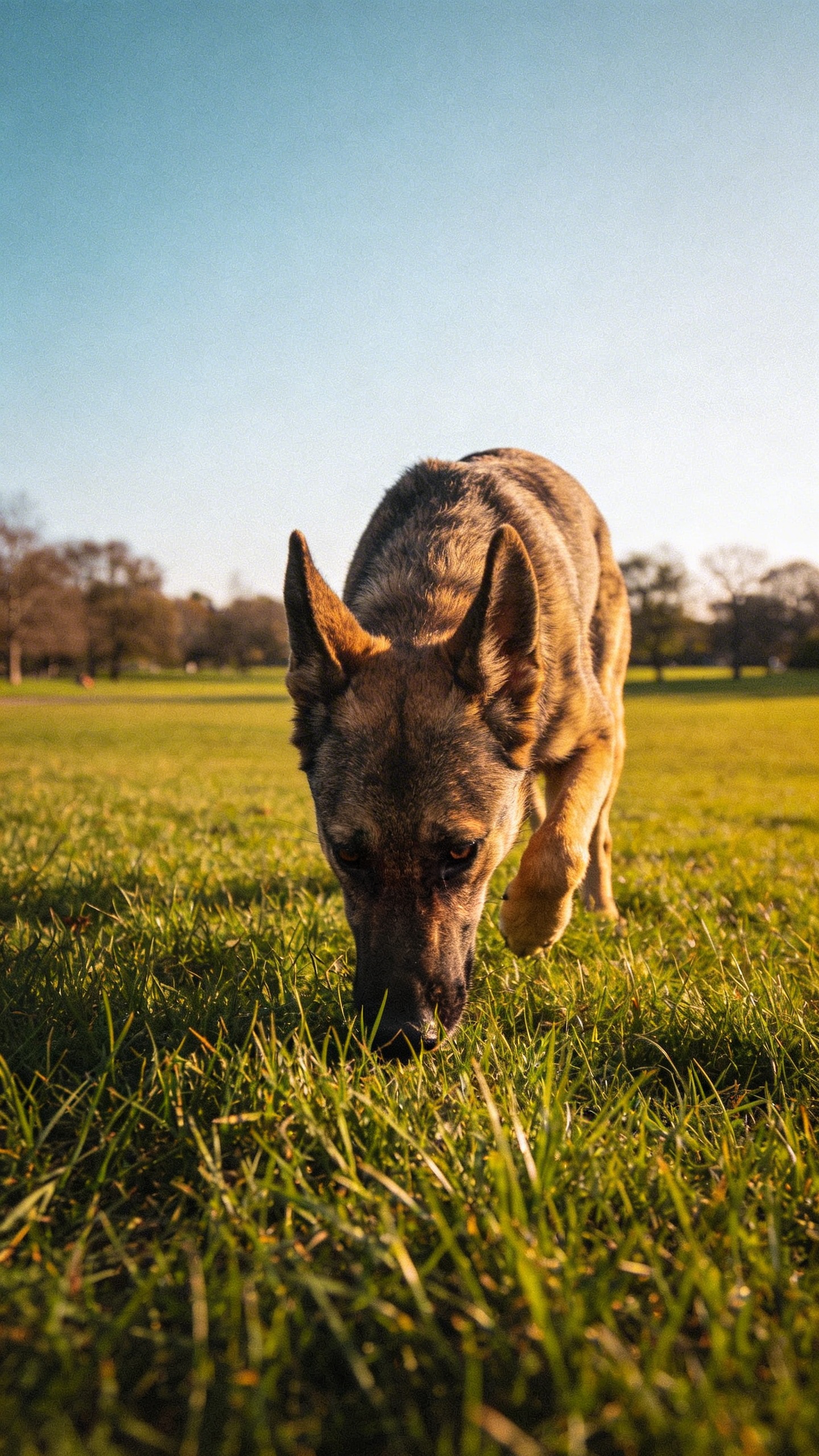
A wound-up dog can’t learn. Neither can you. We build calm like we build muscle—reps over time.
- Sniff walks: Let your dog sniff everything. Sniffing lowers arousal and builds confidence.
- Decompression days: Light walks, food puzzles, backyard sniffaris. Less is more.
- Teach a relaxation station: Mat or bed equals chill mode. Reward any calm behavior on it.
Mat Training Mini-Plan
- Place the mat down. When your dog looks or steps on it, mark and treat.
- Build to lying down. Feed several treats between paws for long, calm stays.
- Move the mat around the house. Make it a predictable place of good vibes.
Distance Is Your Friend: Find the “Green Zone”
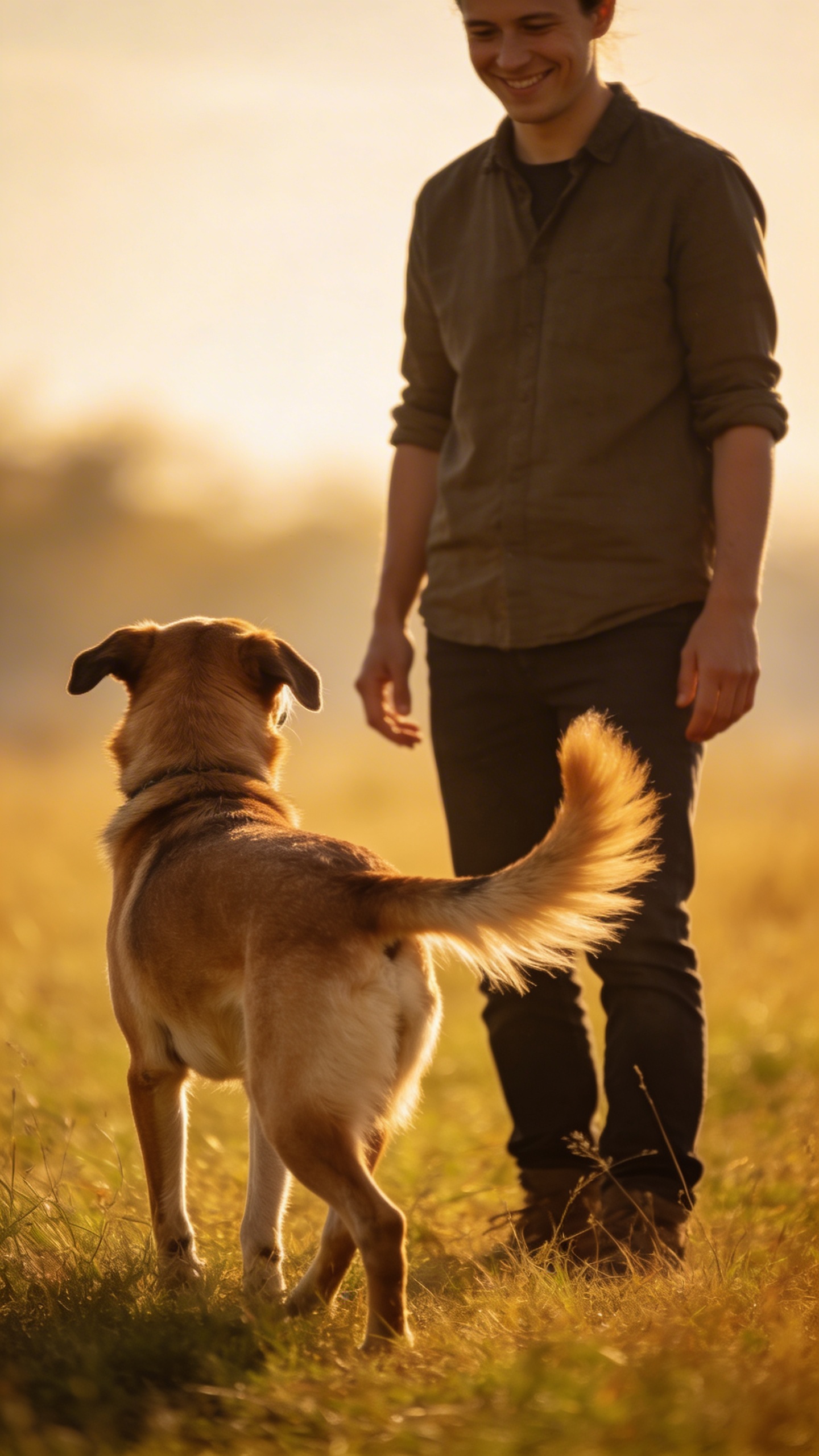
Your dog needs to see triggers without tipping over into meltdown mode. That magic spot is your threshold distance.
- Green zone: Dog notices trigger but stays calm and can take treats. Train here.
- Yellow zone: Dog stiffens, stares, ignores treats. Increase distance ASAP.
- Red zone: Barking/lunging. Abort mission; get out with your U-turn.
FYI: The distance may be 50 feet, or 300. Your dog decides. Your job? Listen and adjust.
Step-by-Step Socialization (Without Forcing “Hello”)
We’re not throwing your dog into doggy speed dating. We’re building neutral, boring reactions to the world. IMO, boring is beautiful.
Step 1: Watch-and-Pay
When your dog spots a trigger at a calm distance, do this:
- Say “Yes,” then feed a treat.
- Let your dog look again. Mark and feed again.
- Repeat until your dog checks in with you voluntarily. Jackpot that!
You’re pairing the trigger with good stuff. Trigger appears = snacks rain from the sky. Eventually, your dog sees a dog and thinks, “Where’s my paycheck?”
Step 2: Pattern Games for Predictability
Dogs love routines that make sense. Use simple patterns to anchor their brain.
- 1-2-3 Treat: Walk and count “1, 2, 3,” deliver a treat at 3. Keep counting near triggers.
- Find It: Scatter a few treats on the ground when a trigger passes. Sniffing beats staring.
Step 3: Parallel Walks (No Direct Greetings Yet)
Find a calm, neutral dog and owner you trust.
- Start 50–100 feet apart, walking the same direction.
- Reward for calm glances and loose leash.
- Over sessions, reduce distance by 5–10 feet only if both dogs stay relaxed.
No sniffing yet. Think “friendly neighbors,” not “forced coworkers at the office party.”
Step 4: Controlled Greetings (Optional)
Only when your dog shows relaxed body language (soft eyes, loose tail, normal breathing) for multiple sessions:
- Do a brief 2–3 second sniff, then call away, reward.
- Repeat once or twice if both dogs look chill.
- End while it’s good. Don’t push your luck.
Reading Your Dog Like a Pro
Want fewer surprises? Learn the early tells.
- Calm/curious: Soft face, loose tail at half-mast, ears relaxed, normal sniffing.
- Uncomfortable: Stiff body, hard stare, closed mouth, slow movement, weight shift forward.
- Over threshold: Lunging, barking, frantic scanning, won’t take food.
Pro tip: If your dog won’t eat, you’re too close or the session ran too long. Increase distance or take a decompression day.
When the World Ambushes You (Because It Will)
Stuff happens—loose dogs, scooters, surprise toddlers. Have an escape plan.
- U-turn and go. Say “Let’s go!” and leave.
- Body block: Step between your dog and the trigger. Feed rapid treats.
- Park behind cars or hedges: Visual barriers help your dog reset.
- Toss-and-retreat: Toss treats behind your dog to move them away without tension.
And if someone shouts “He’s friendly!” while their off-leash dog stampedes? Loudly say, “Mine isn’t—please call yours!” Then move. You’re your dog’s best advocate.
Build Your Weekly Game Plan
Consistency beats intensity. Aim for short, successful reps.
- 2–3 calm walks per week with controlled exposure at green-zone distances.
- Daily 5-minute training: U-turns, mat work, pattern games.
- 2 decompression days after harder sessions.
- Track progress: Note distances, triggers, and treat interest. Data keeps you honest.
What Progress Actually Looks Like
- Faster recovery after seeing a trigger.
- Taking treats sooner and more often.
- More check-ins with you instead of hard staring.
- Shorter, quieter reactions—or none at all. Chef’s kiss.
Common Mistakes to Dodge
We’ve all done these. Let’s not repeat them.
- Flooding: Forcing close contact “until they get over it.” They won’t. They’ll get worse.
- Inconsistent gear: Swapping between harness, prong, flexi-leash. Pick calm, safe tools and stick with them.
- Training too long: Quit while you’re ahead. Two minutes of wins beat 20 minutes of spirals.
- Skipping rest: Brains need recovery to lock in learning. Yes, even dog brains.
FAQ
How long does this take to work?
It depends on your dog’s history and how consistently you train. Many people see small wins in 2–3 weeks—like fewer outbursts or faster recovery. Bigger changes can take a few months. Slow is smooth, smooth is fast.
Should I let my reactive dog greet other dogs?
Not at first. Focus on calm, parallel exposure at safe distances. Greetings come later and only if your dog shows relaxed body language over multiple sessions. Some dogs prefer no greetings ever, and that’s valid.
What if my dog won’t take treats outside?
You’re probably too close to triggers or your dog’s stress is too high. Increase distance, switch to higher-value food, and shorten sessions. Also add decompression walks and mat training at home to lower overall arousal.
Do I need a trainer?
A good positive-reinforcement trainer or behavior consultant can speed things up and tailor a plan. Look for credentials like CPDT-KA or IAABC and someone who uses humane, evidence-based methods. Avoid anyone who relies on fear or pain. IMO, your dog deserves better.
Is medication a cop-out?
Nope. For some dogs, behavior meds or supplements lower anxiety enough to make training effective. Talk to your vet or a veterinary behaviorist. Training plus appropriate meds can be a game-changer, not a shortcut.
Can I ever take my dog to busy places?
Maybe, with time and training. Some reactive dogs learn to handle busier environments; others thrive in quieter routines. Set goals based on your dog’s comfort, not Instagram. Your dog’s peace beats performative “progress.”
Conclusion
You don’t need to “fix” your reactive dog. You need a calm plan, clear communication, and the guts to protect their space. Keep sessions short, celebrate boring, and use distance like a superpower. With steady reps and kindness, your dog will start meeting the world with curiosity—not chaos. And hey, you might even enjoy your walks again.