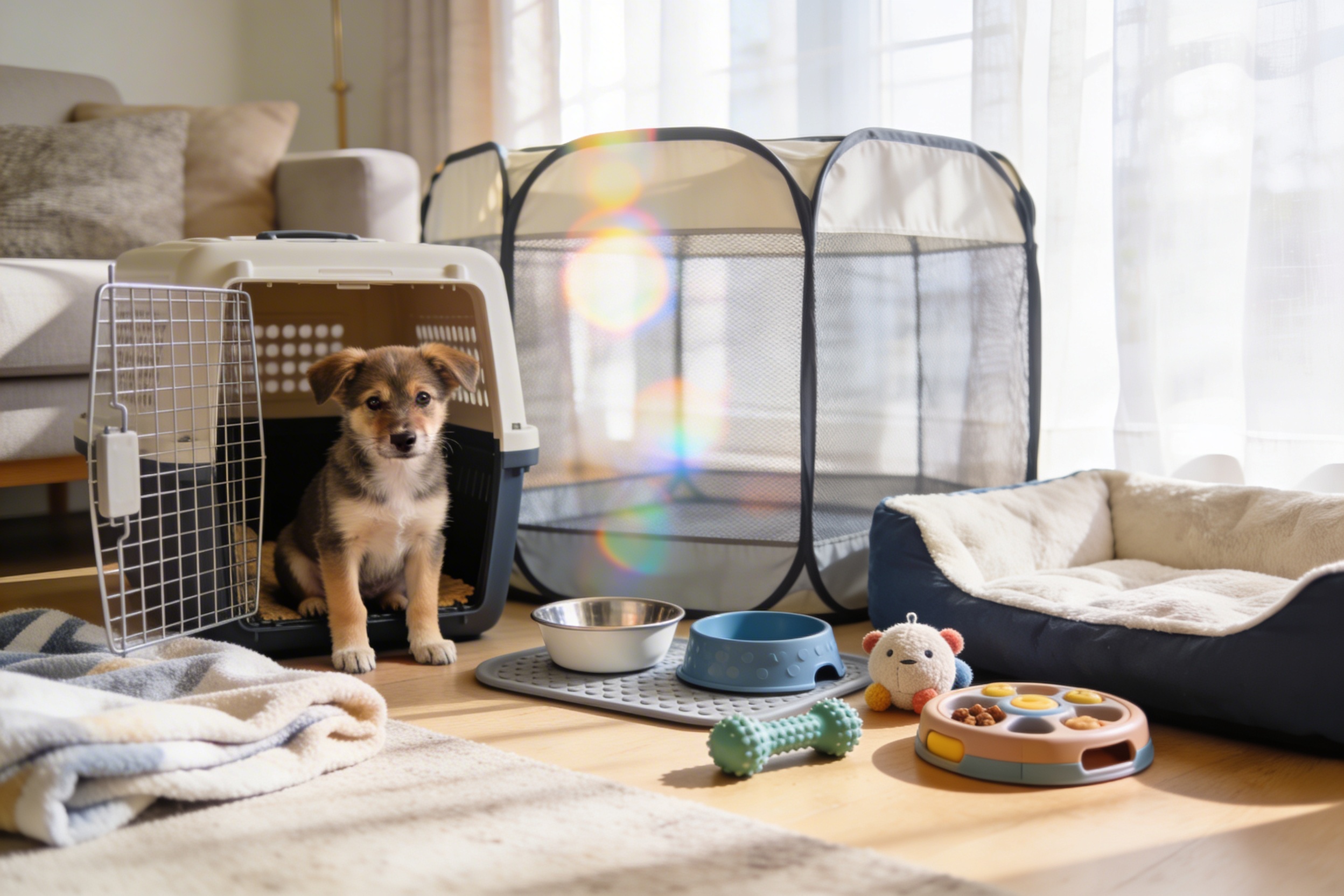
You did it. You brought home a tiny, wiggly chaos goblin who thinks your shoelaces are spaghetti. The first week with a new puppy feels magical and mildly terrifying at the same time. Good news: you don’t need to be perfect—you just need a plan. Let’s get you through Week One with your sanity (and your favorite rug) intact.
Set Up Your Puppy Basecamp
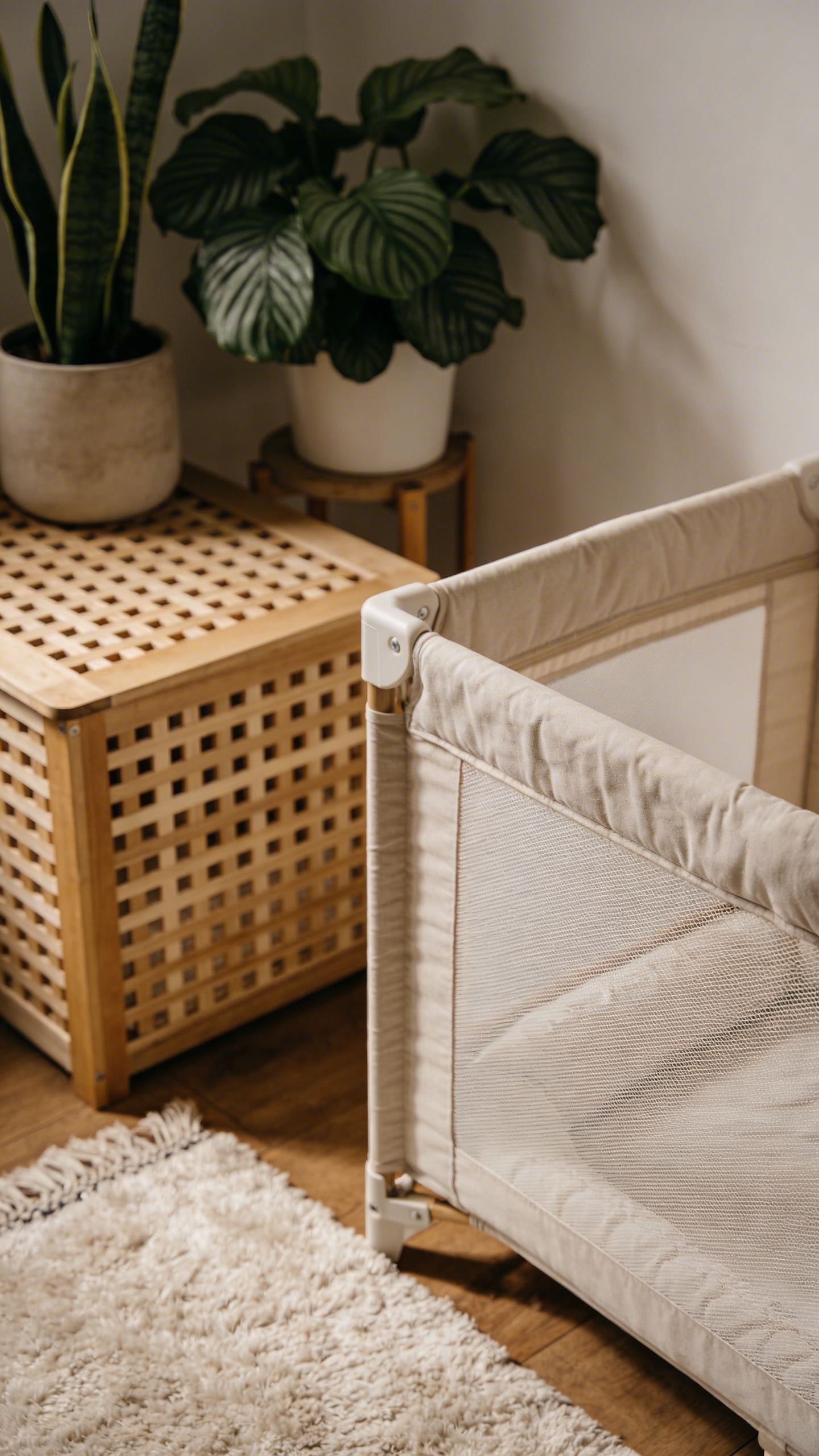
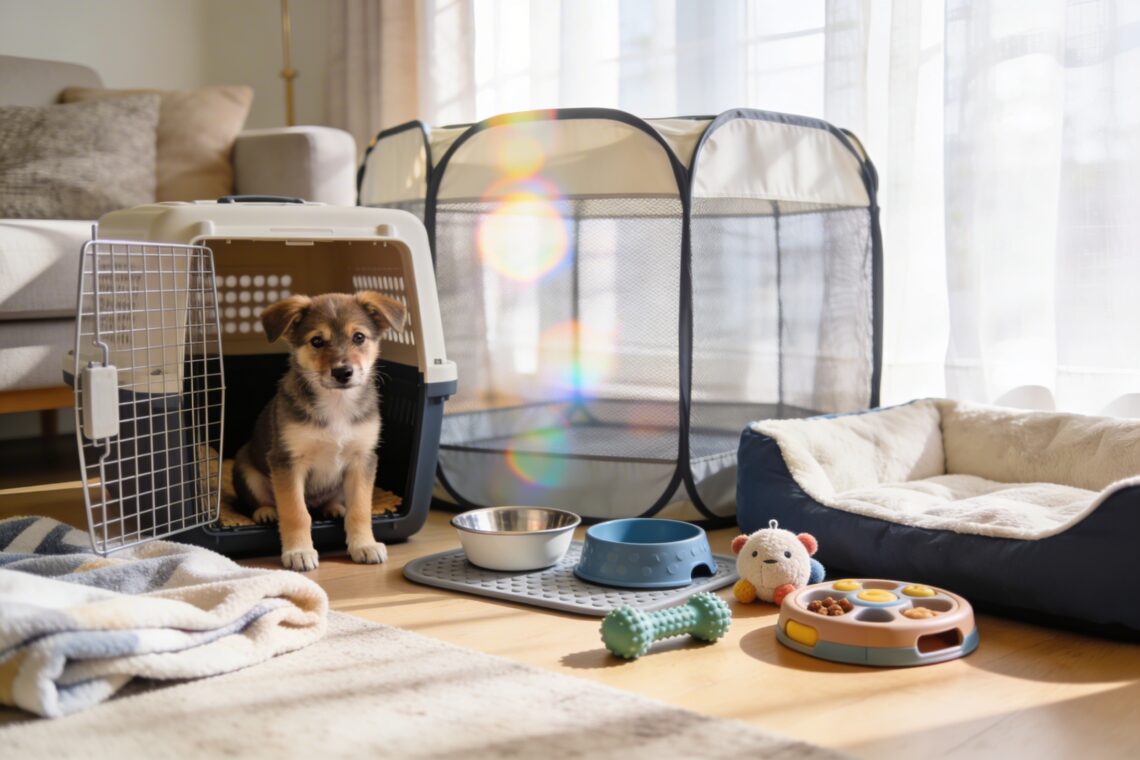
Your puppy needs a safe zone where nothing dangerous or chewable lives. Think of it like a nursery, but with fewer diapers and more squeaky chickens. Choose a quiet corner for a crate and a small playpen where your pup can hang while you cook or hop on Zoom. Gear checklist:
- Crate sized so your puppy can stand up, turn, and lie down
- Playpen or baby gates to block off rooms
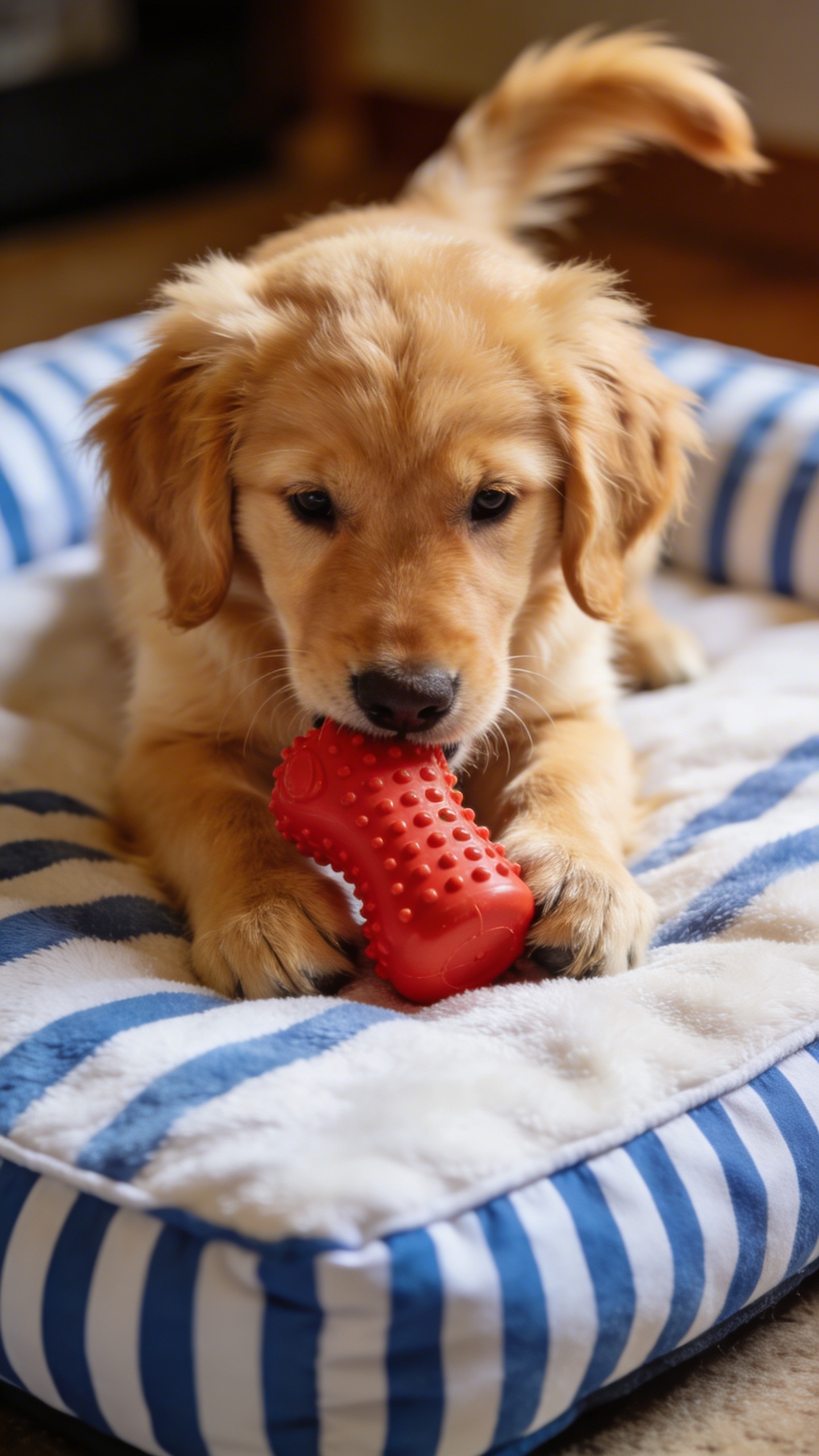
- Chew toys: rubber chews, plush with squeakers, a food puzzle
- Washable bed and a couple of blankets
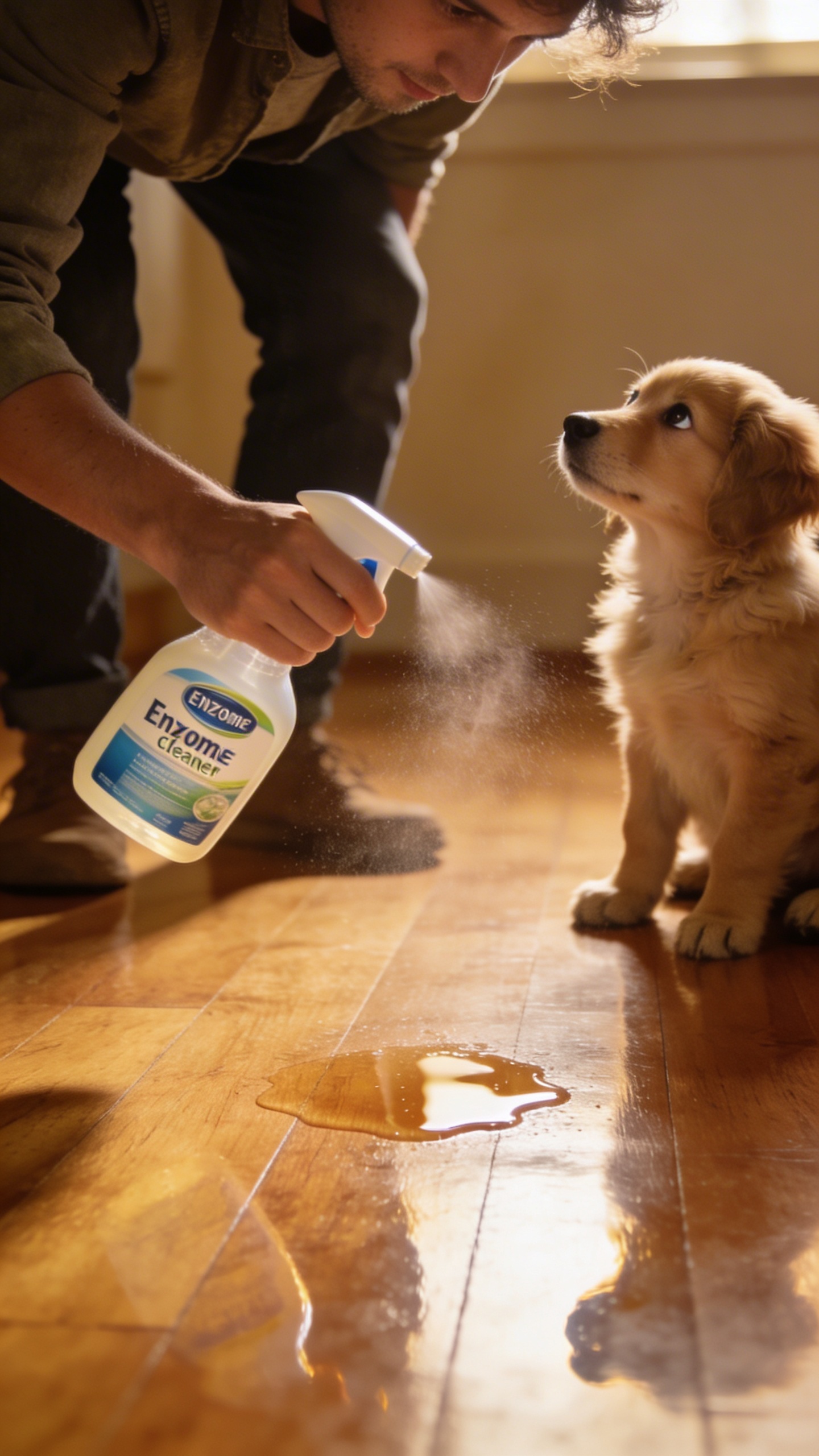
- Puppy-safe cleaning spray and enzyme cleaner (you’ll use this a lot, sorry)
- Food and water bowls, ideally non-slip and easy to clean
Pro tip: Place the crate near you at night. Puppies panic when isolated, and you’ll both sleep better if your pup hears you breathe.
Potty Training Without Tears (Mostly Yours)
Puppies don’t “get it” yet. They have tiny bladders and zero calendar skills. You’ll take them out a lot at first, then taper down.
Your first-week potty schedule
- First thing in the morning
- After every meal
- After play sessions
- After naps
- Before bed
- Every 2–3 hours in between (younger pups might need every 60–90 minutes)
When your puppy sniffs, circles, or wanders off suddenly, that’s your cue. Scoop and go. Take them to the same potty spot and stand still. No laps. No chase. When they go, throw a party: praise, treat, big fuss. If accidents happen—and they will—clean it and move on. Never punish. It confuses them and slows training, IMO.
Night game plan
Set an alarm for at least one nighttime potty break during Week One. It’s not glamorous, but you’ll potty-train faster and save your floors. FYI, a quiet “let’s go potty” cue helps your half-asleep brain remember why you’re in the yard at 2 a.m.
Crate Training: Your Sanity Saver
The crate teaches independence, helps potty training, and protects your couch from becoming modern art. It should feel like a den, not jail. How to make the crate awesome:
- Toss treats inside so your pup explores on their own.
- Feed meals in the crate with the door open for two days.
- Close the door for 1–3 minutes during calm chewing, then open before they whine.
- Build up slowly: 5, 10, 20 minutes with you nearby, then with you in another room.
What to avoid
- Don’t use the crate as punishment. Ever.
- Don’t push past your pup’s threshold. If they panic, scale back.
- Don’t leave the collar on inside if it can catch on the bars.
Comfort tip: A safe chew and a shirt that smells like you turn the crate into a cozy nap spot.
Food, Water, and Tiny Tummies
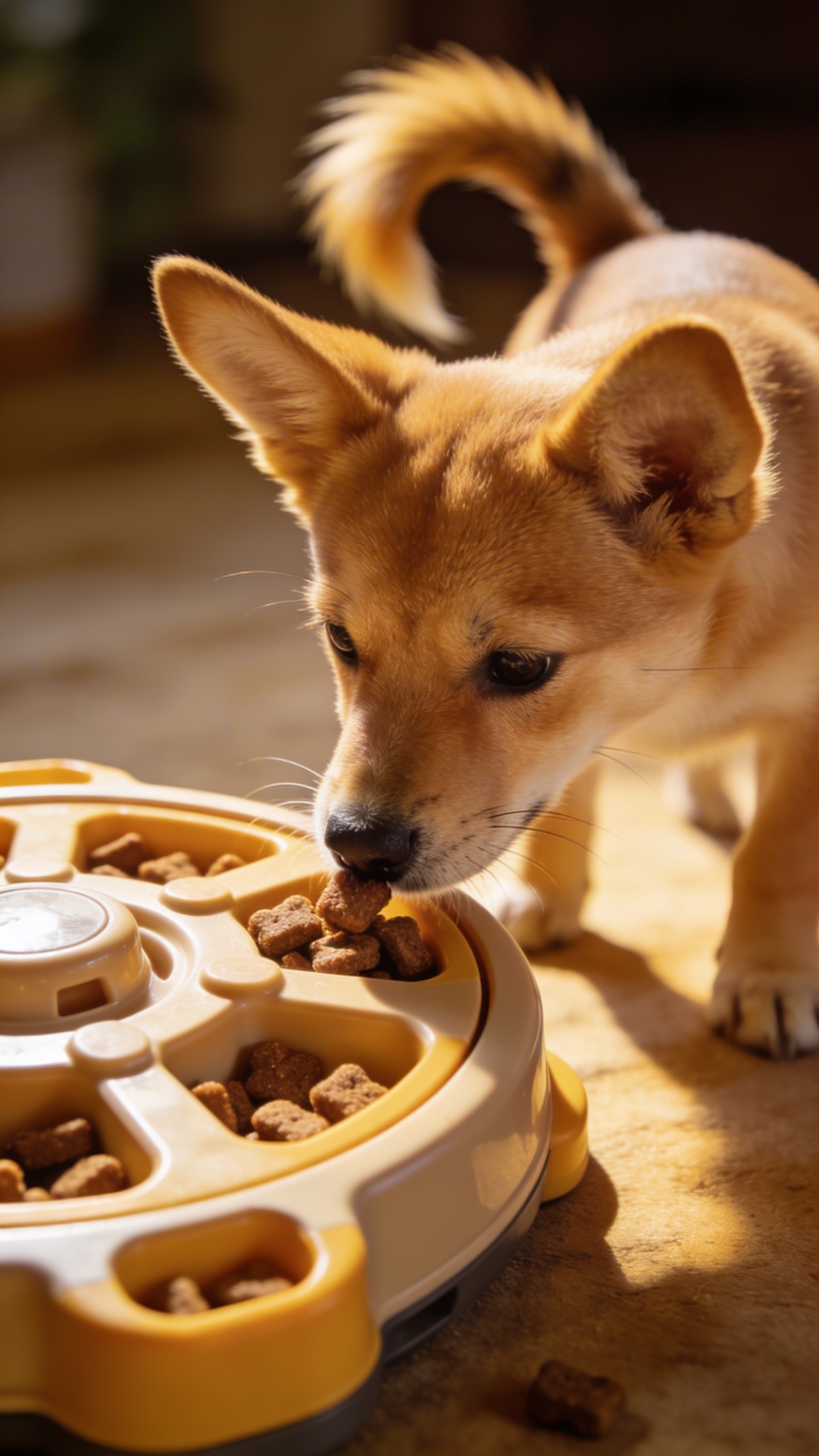
Puppies need frequent meals and consistent formulas. Sudden food switches can cause fireworks (of the digestive kind). Feeding basics:
- 3–4 small meals daily at consistent times
- Stick with the breeder/rescue food for the first week
- Transition over 7–10 days if you change foods (mix gradually)
- Fresh water available, but remove it 1–2 hours before bed to reduce night trips
Watch your pup’s energy, stools, and appetite. Soft stools happen with stress. If you see diarrhea, lethargy, or vomiting, call your vet. Better safe than sorry—puppies dehydrate fast.
Sleep Routines and Alone-Time Training
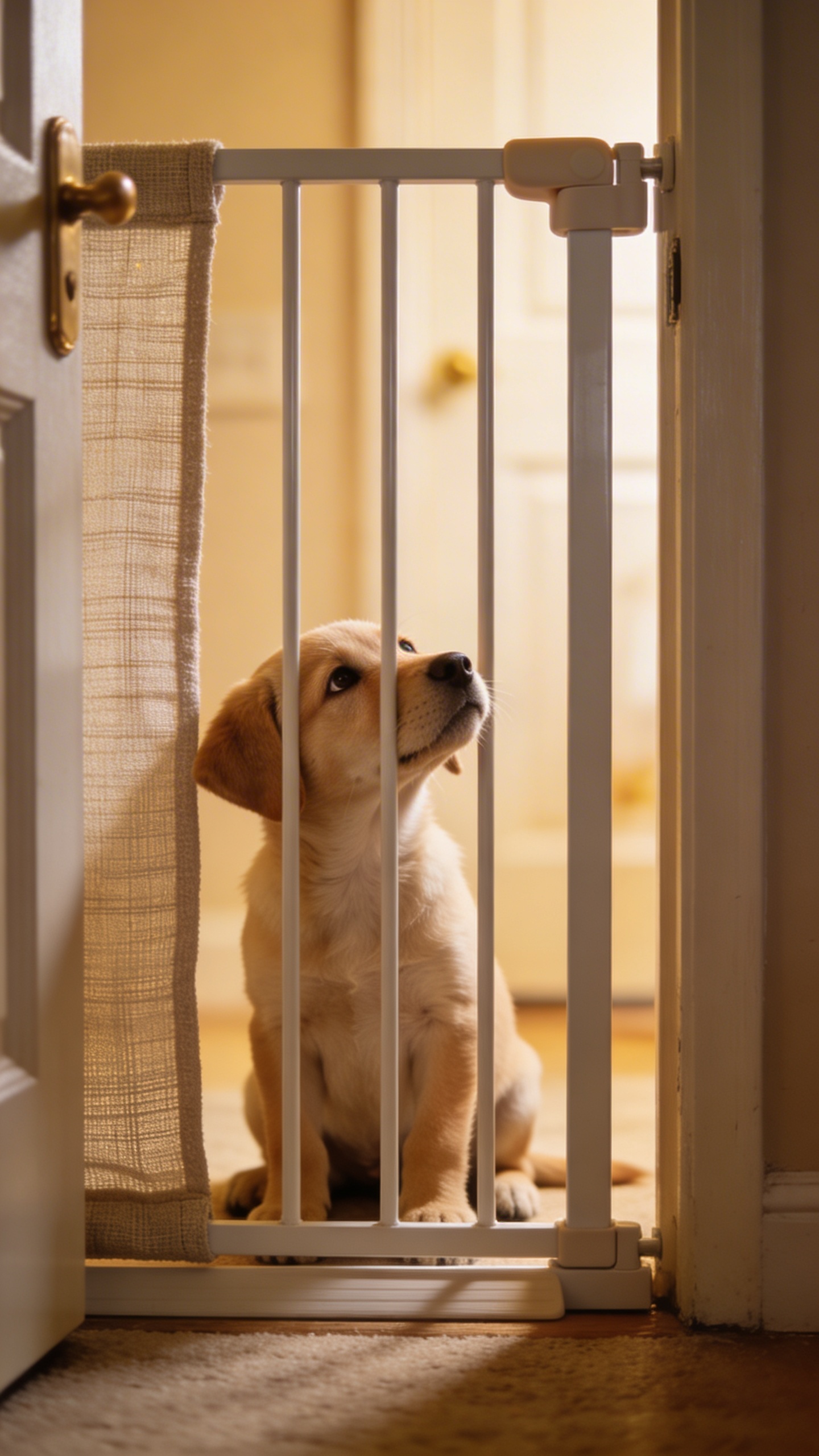
Puppies sleep like tiny bears—up to 18–20 hours a day. Over-tired pups zoom, bite, and lose their minds (relatable). Create a daily rhythm:
- Wake, potty, breakfast, play, nap
- Short training, potty, play, nap
- Repeat with dinner and a calm evening routine
Alone-time basics
You want a puppy who can chill when you leave the room. Practice micro-separations:
- Put your pup in the playpen with a chew and step out for 30–60 seconds.
- Return casually. No drama.
- Gradually increase duration and distance throughout the week.
If your puppy whines, wait a beat for silence before returning. That way, whining doesn’t become their “open sesame.”
Training: Start Small, Win Big
You don’t need hour-long sessions. Two minutes, a few times a day, works beautifully. Keep it fun, keep it fast, and end on a win. First-week skills:
- Name recognition: say their name, mark “yes!” and treat when they look at you
- Hand target: let them boop your palm; great for recalls and focus
- Sit on cue: lure up, reward when the butt hits the floor
- Come: practice indoors on a long line, reward like you mean it
- Drop/Trade: exchange toys for treats to prevent guarding later
Bitey-shark phase survival
Your pup will chomp. Redirect, don’t scold.
- Offer a chew toy when they target hands or ankles.
- Pause play for 5–10 seconds if biting escalates.
- Use frozen washcloths or puppy-safe frozen Kongs for teething relief.
IMO, the best training tool is good timing: reward the instant they do the thing you want.
Socialization Without Overwhelm
The socialization window opens wide in early puppyhood. You want friendly, positive exposures—not a sensory avalanche. Until your vet clears it, avoid dog parks and random dog hellos. Safe socialization ideas:
- Car rides with treats and calm music
- New surfaces: grass, gravel, mats, steps
- People with hats, glasses, canes—treats rain from the sky
- Recorded sounds: fireworks, thunder, traffic at low volume
- Puppy-safe playdates with vaccinated, gentle dogs
Pair every new thing with food and praise. If your pup looks unsure, back off, go slower, and make it easier. Confidence first, bravery later.
Health Check, Vets, and Grooming 101
Schedule a vet visit during Week One. Bring records, write questions, and ask about vaccines, deworming, flea/tick prevention, and spay/neuter timing. At-home grooming basics:
- Touch paws, ears, tail daily while giving treats
- Short brush sessions—keep it chill
- Introduce toothbrush with a lick of dog-safe toothpaste
- Practice collar grabs: treat when you gently take the collar
These little rituals prevent big drama later. Your future groomer will want to hug you.
Realistic Expectations and Red Flags
You’ll feel tired. You’ll doubt yourself. You’ll Google “why is my puppy crying” at 3 a.m. Totally normal. Aim for progress, not perfection. Call your vet if you notice:
- Diarrhea or vomiting lasting more than a day
- Lethargy, coughing, or labored breathing
- Refusal to eat for more than one meal (for tiny pups, sooner)
- Swollen belly, pale gums, or signs of pain
Call a trainer/behavior pro if you notice:
- Intense fear that doesn’t improve with gentle exposure
- Resource guarding (growling over food/toys) beyond mild warning
- Persistent separation distress
FYI, early help saves time, money, and stress later.
FAQ
How long can my puppy hold their bladder?
A loose rule: age in months plus one equals hours they can hold it during the day. A three-month-old pup might manage about four hours. At night, they sometimes stretch a bit longer, but don’t push it in Week One.
Should I wake my puppy to potty?
During the day, no—sleep is gold. At night in the first week, set one alarm for a quick potty break if your puppy is very young or you’re seeing accidents. You’ll phase it out as their bladder matures.
What do I do if my puppy cries in the crate?
Start with needs: potty, exercise, chew. If those boxes are checked, wait for a brief pause in the whining, then let them out. Release during quiet so you reinforce calm, not noise. If crying escalates to panic, you moved too fast—scale back duration.
How much exercise does a puppy need?
Short, frequent play sessions beat marathon walks. Aim for 5 minutes of structured activity per month of age, 2–3 times daily, plus mental games. Over-exercising growing joints can cause issues, so keep it low-impact.
When can my puppy meet other dogs?
They can meet fully vaccinated, friendly dogs right away in safe spaces. Skip dog parks and unknown dogs until your vet clears it post-vaccines. Quality over quantity—positive experiences build confidence.
What’s the best way to stop nipping?
Redirect to a toy, end the game briefly if biting ramps up, and reward gentle play. Give plenty of appropriate chews and enforce nap times. A tired, teething puppy bites less—usually.
Wrapping It Up
The first week with a new puppy packs equal parts cuddles and chaos. Build a routine, reward the good stuff, and keep sessions tiny and fun. You’ll mess up sometimes; your puppy will too. Stick with it, and in a few weeks, you’ll both look back and think, “Wow, we did that.” And you did—gold star, dog parent.