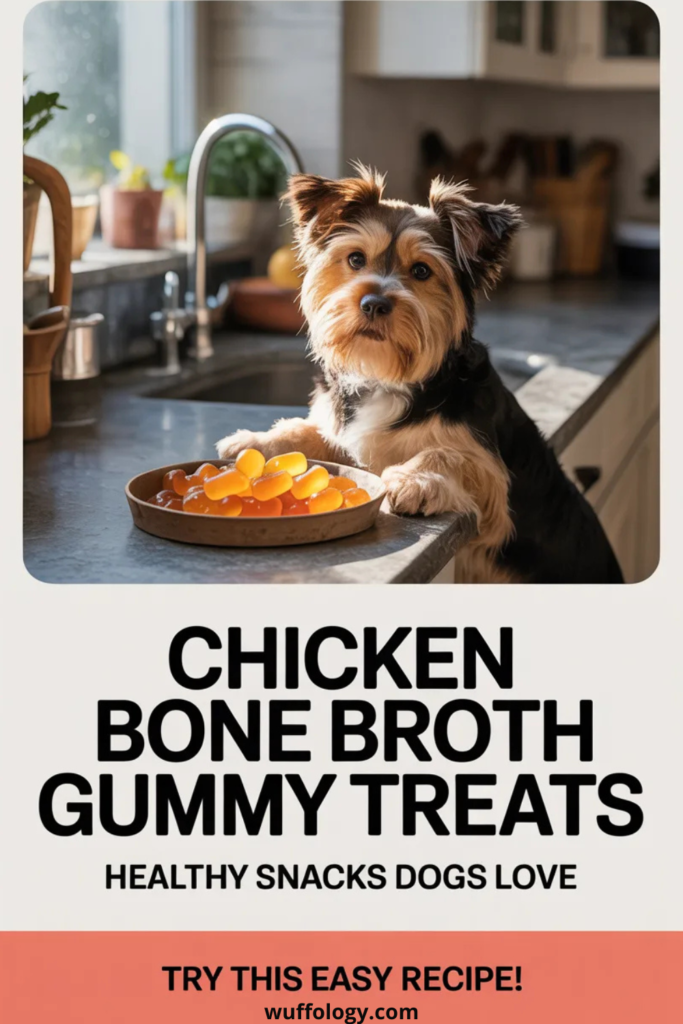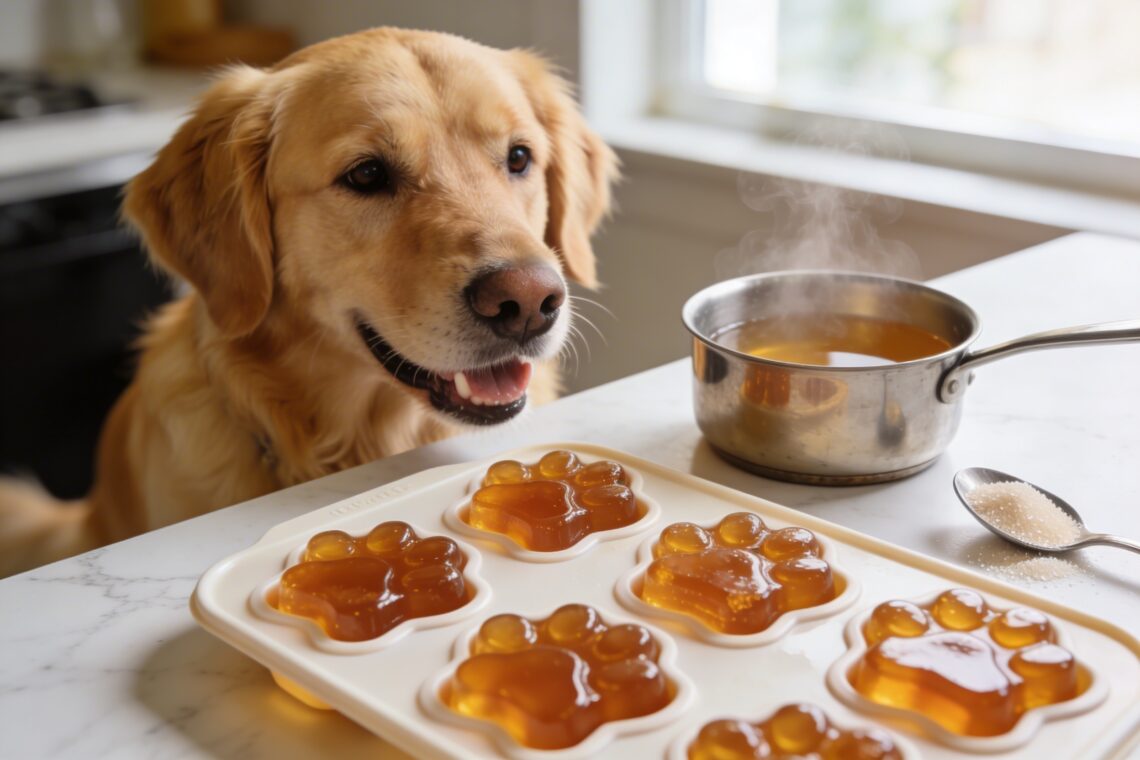
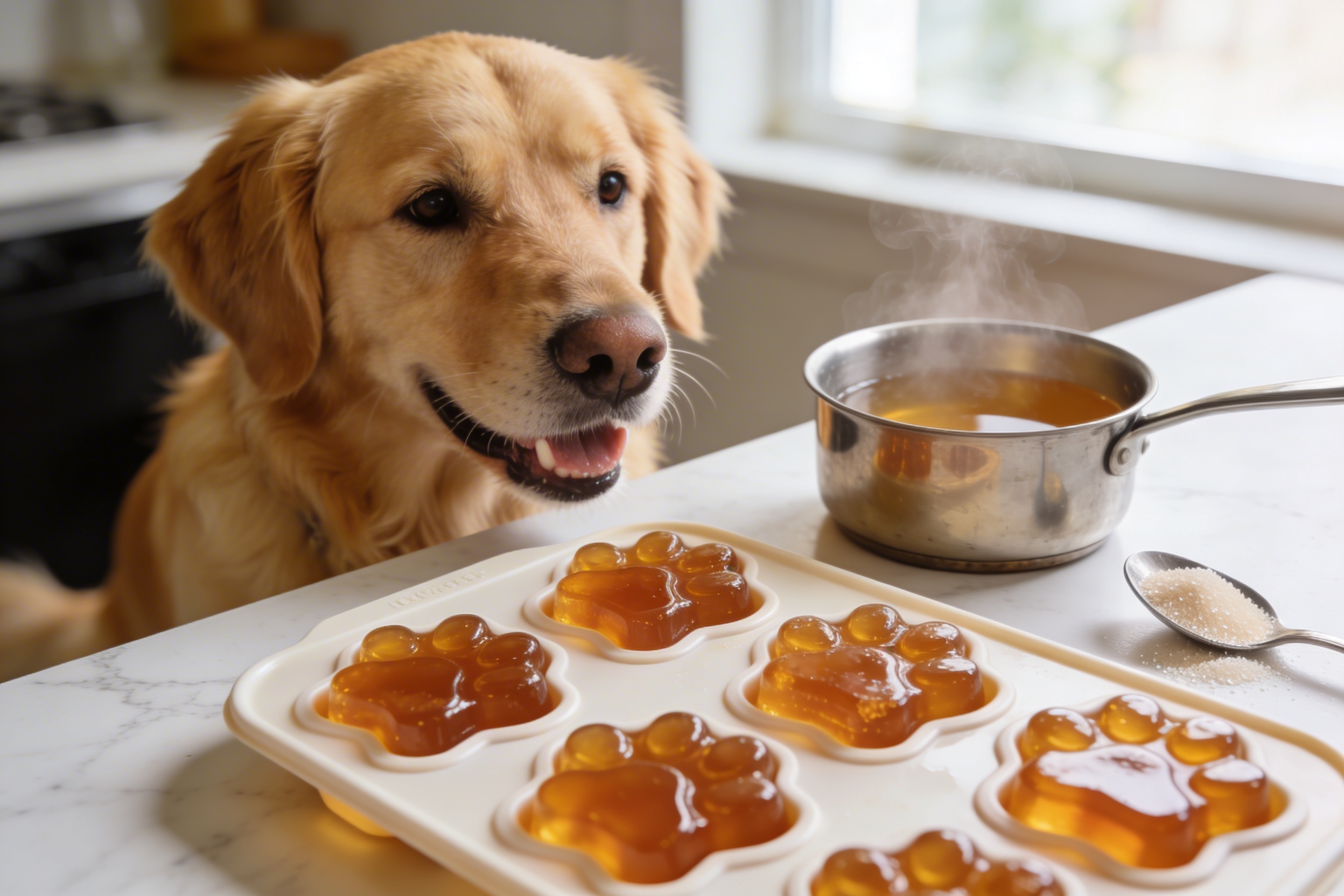
Your dog will do backflips for these. Chicken bone broth gummy treats use just three simple ingredients, set up in the fridge, and deliver legit joint and gut benefits vets love. They’re cheap, easy, and way cleaner than most store-bought chews. Ready to become your dog’s favorite person? Grab a pot and a silicone mold.
Why vets love this simple snack
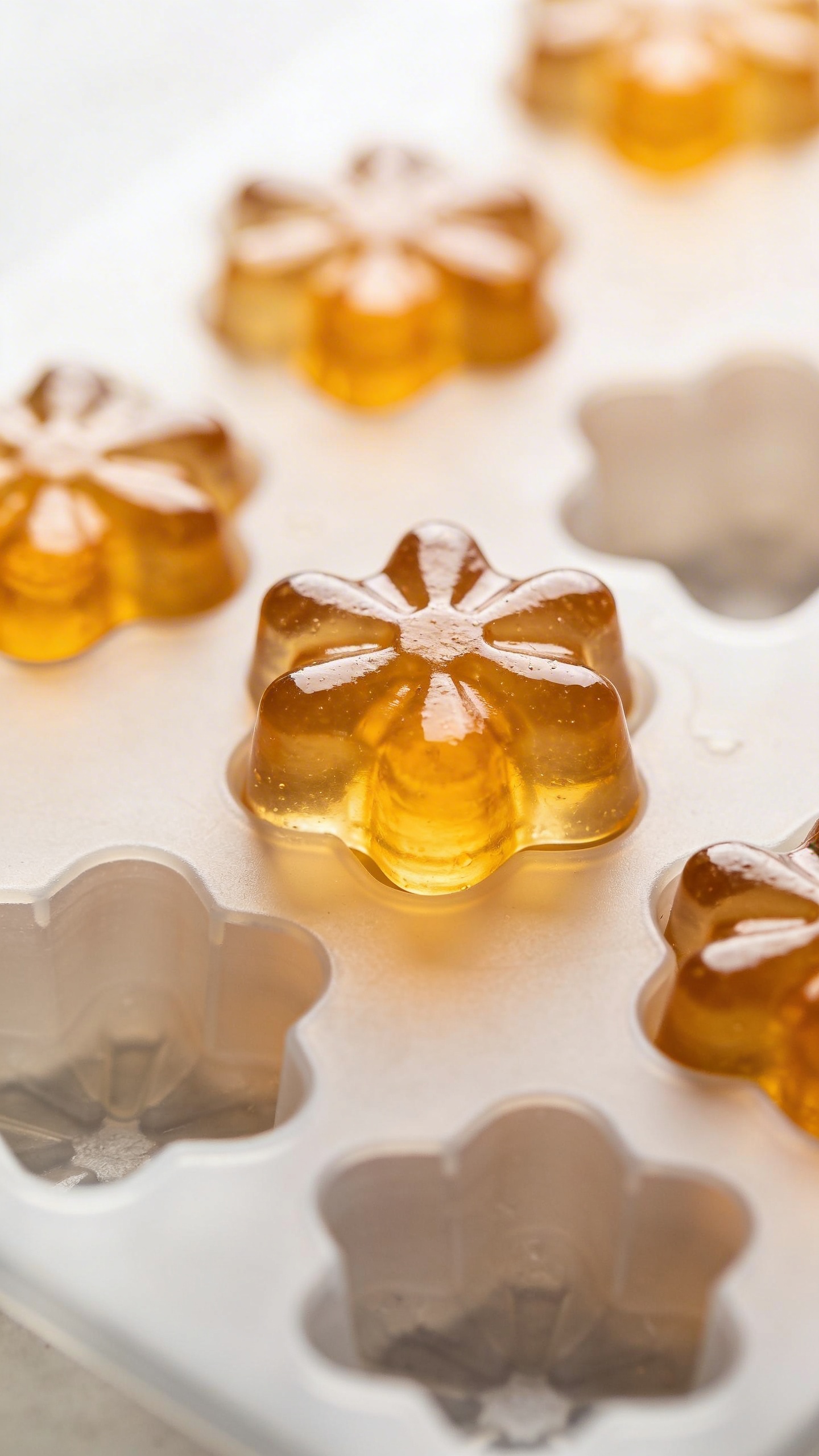
Your pup’s joints, gut, and hydration all win with these. Bone broth brings collagen, gelatin, and minerals in a form dogs can actually use. You control the ingredients, so you skip salt bombs, onion powder, and mystery “flavorings.” TL;DR benefits:
- Joint support: Gelatin and collagen may support cartilage and mobility.
- Gut health: Gentle on tummies and may help with stool quality.
- Hydration boost: High water content keeps dogs sipping, especially picky drinkers.
- Low-calorie reward: Great for training or weight control.
The only 3 ingredients you need
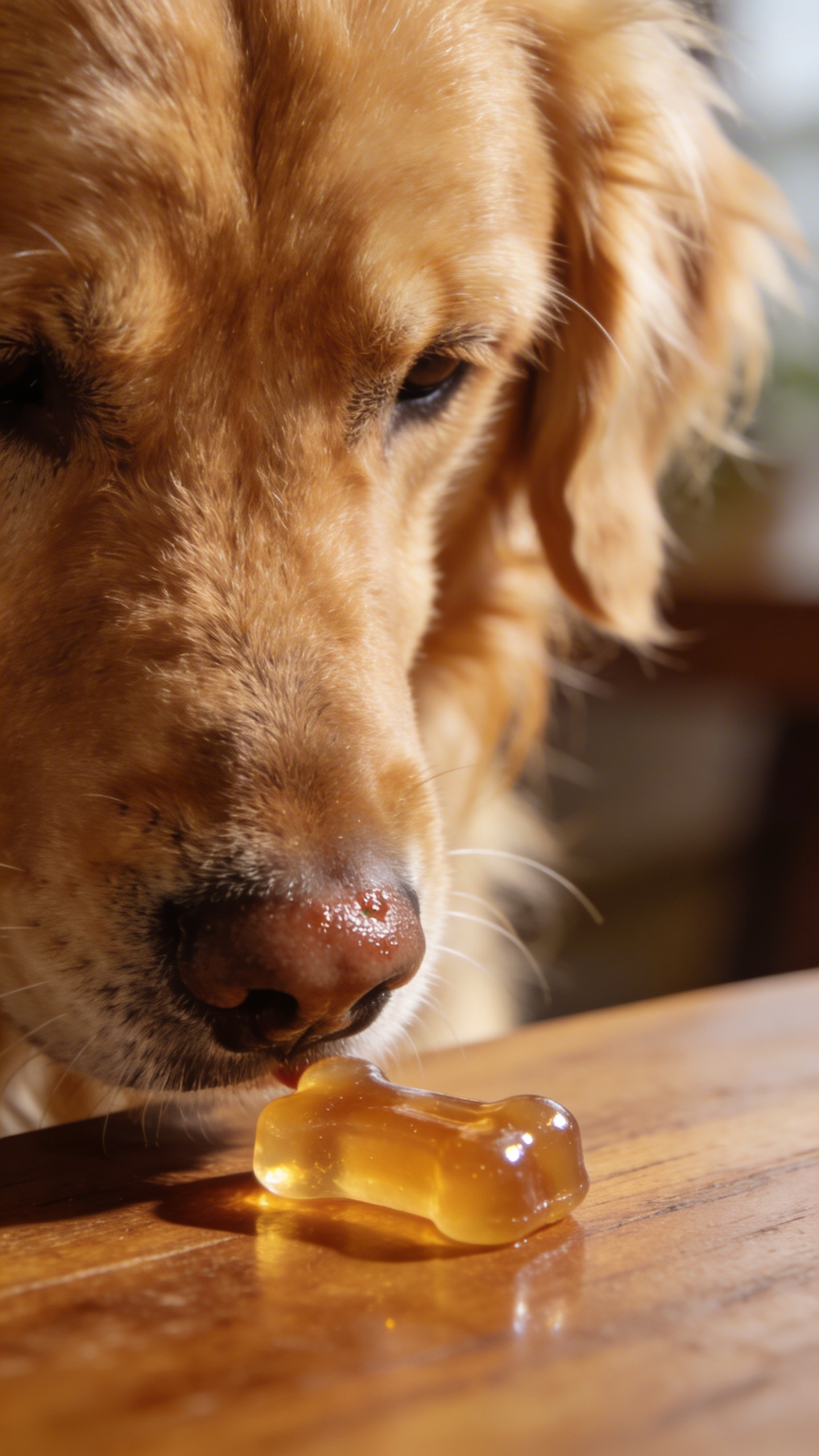
You probably have these already, or you can grab them in one quick store run.
- Unsalted chicken bone broth: Look for “no onion, no garlic, no salt.” DIY is awesome, but boxed works if it’s clean.
- Unflavored gelatin: Plain powdered gelatin (like Knox). Not collagen peptides—those don’t gel.
- Dog-safe add-in: Pick one for flavor or function: finely shredded cooked chicken, pumpkin puree (plain), chopped parsley, mashed sardine, or a tiny smear of peanut butter (xylitol-free, FYI).
Ingredient safety check
Read labels like a hawk. Avoid anything with onion, garlic, chives, “allium,” xylitol (birch sugar), excess salt, or artificial sweeteners. If your dog has kidney or heart issues, choose low-sodium broth and keep portions small—your vet will appreciate you.
How to make chicken bone broth gummies (the easy way)
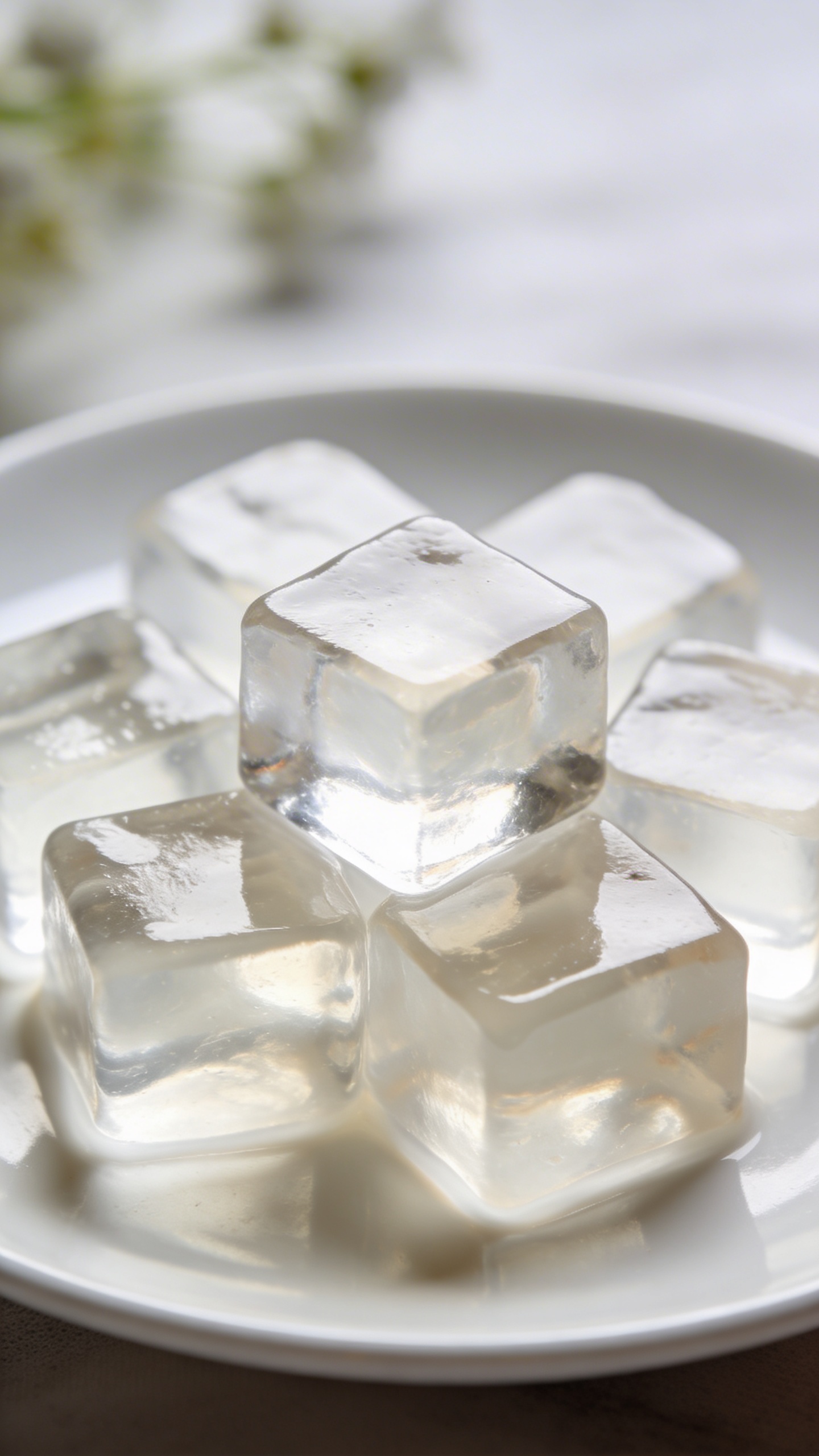
You don’t need chef skills. Just a whisk, a small pot, and some molds or a shallow dish.
- Warm the broth: Heat 2 cups unsalted chicken bone broth until steamy but not boiling.
- Bloom gelatin: Sprinkle 2 tablespoons unflavored gelatin over 1/2 cup cool broth in a bowl. Let it sit 5 minutes to hydrate.
- Combine: Whisk the bloomed gelatin into the hot broth until smooth and clear. No lumps allowed—channel your inner barista.
- Add-ins: Stir in up to 1/2 cup total of your chosen add-in (fine shreds or tiny pieces only).
- Pour and chill: Pour into silicone molds or a lined dish. Chill 2–3 hours until firm.
- Cut and store: If you used a dish, cut bite-sized squares. Store in an airtight container in the fridge up to 5 days or freeze up to 2 months.
Texture tweaks
Prefer a firmer chew? Use 2.5–3 tablespoons gelatin. Want a softer bite for seniors? Use 1.5 tablespoons. IMO, 2 tablespoons hits the Goldilocks zone.
Smart ways to serve (and not overdo it)
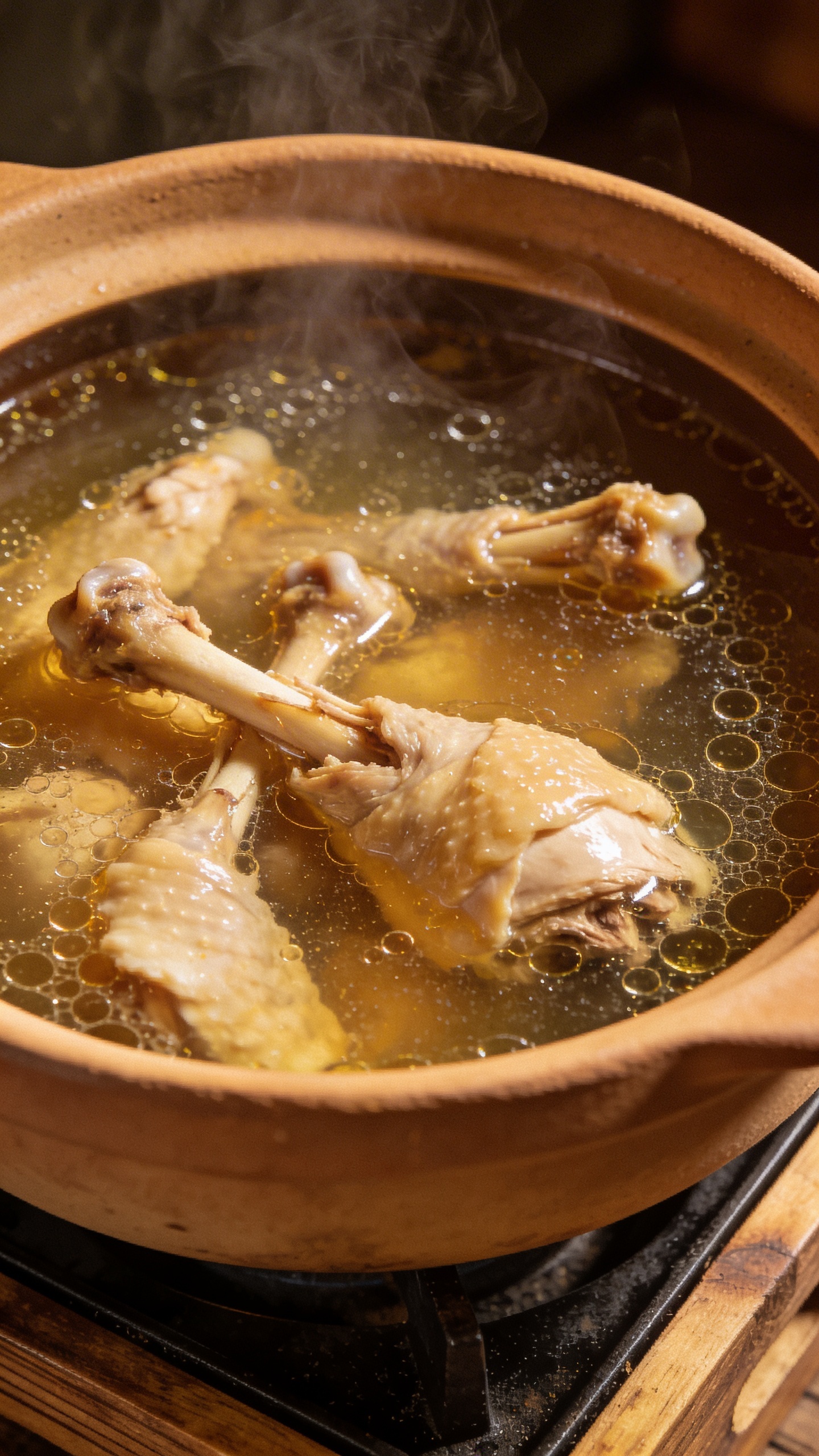
These may look like snackable jelly cubes, but we’re not throwing a gummy party.
- Portion guide: Tiny dogs: 1–2 small gummies daily. Medium: 2–3. Large/giants: 3–5. Start low and watch stools.
- Training treats: Cut tiny cubes for rapid-fire rewards—minimal calories, maximum enthusiasm.
- Meal topper: Pop a couple on kibble for aroma, moisture, and extra nutrients.
- Summer cooler: Freeze gummies or set them inside ice cubes for a lickable puzzle.
When to skip or modify
If your dog has pancreatitis history, keep fat low: use skimmed broth and skip oily add-ins. Sensitive tummies? Start with plain broth gummies, no extras, and introduce slowly.
Bone broth vs. stock vs. “broth-flavored water”
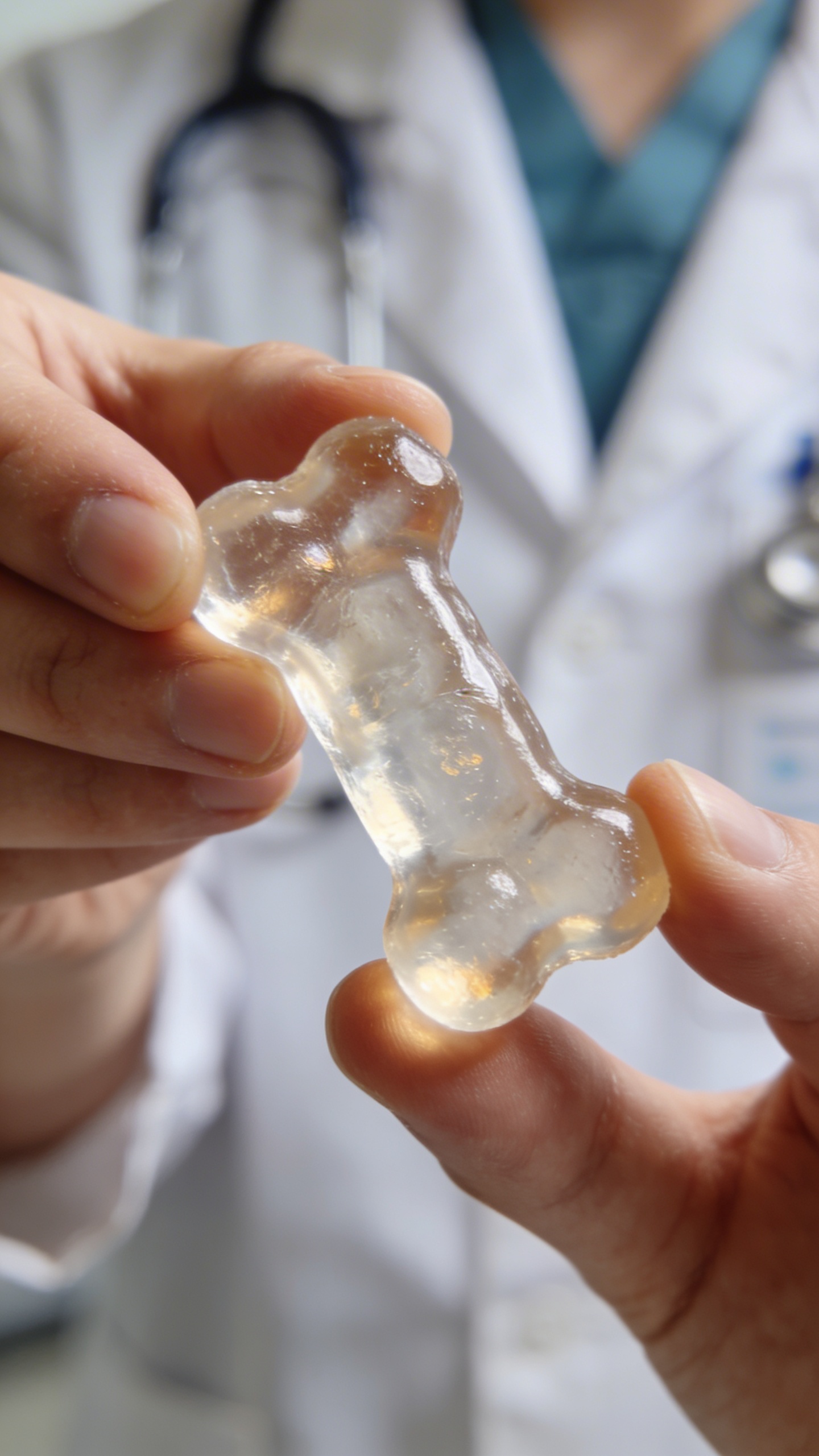
Confused in the soup aisle? You’re not alone.
- Bone broth: Simmered long with bones and connective tissue. Naturally rich in gelatin and minerals. Ideal for gummies.
- Stock: Shorter simmer, less gelatin. Works, but may set softer.
- Regular broth: Often lighter and sometimes salty or seasoned (hard pass if it lists onion/garlic).
Pro tip: Chill your broth first. If it turns into a wobbly gel in the fridge, you struck gold.
Make your own broth (set it and forget it)
Homemade broth gives you control and usually costs less. Also, your house will smell like a rotisserie joint—in a good way.
- Combine 2–3 pounds chicken backs, feet, wings, or frames with 3 quarts water in a pot or slow cooker.
- Add 1–2 tablespoons apple cider vinegar to help pull minerals from bones (optional, but helpful).
- Simmer low 8–24 hours (slow cooker on low works great). Skim foam if you feel fancy.
- Strain carefully and discard all bones (never feed cooked bones—non-negotiable).
- Chill, then lift off the fat cap if your dog needs lower fat.
Flavor boosts that stay dog-safe
Toss in dog-friendly extras while simmering:
- Carrots, celery hearts, parsley stems
- A pinch of turmeric or ginger
- Blueberries at the end for antioxidants (weird, but dogs approve)
Skip onions, leeks, garlic, and heavy salt—dealbreakers.
Fun variations your dog won’t ignore
Variety keeps interest high, especially for picky eaters.
- Chicken + pumpkin: Smooth stools, mellow flavor.
- Chicken + parsley: Fresh breath vibes (ish).
- Chicken + sardine: Omega-3 bump; smells like power.
- Chicken + blueberry swirl: Pretty marbling, gentle sweetness.
- Chicken + peanut butter: Tiny amount only; confirm xylitol-free, FYI.
Shaping and storage hacks
Use silicone paw or bone molds for cute factor. No molds? Pour into a loaf pan lined with parchment and slice. Freeze single layers on a sheet, then bag—no gummy clumps.
Common mistakes (and easy fixes)
Everyone biffs a batch sometimes. Here’s how to recover.
- Didn’t set? You used collagen peptides or too little gelatin. Re-melt gently, whisk in more gelatin (bloom first), and reset.
- Rubbery bricks? Too much gelatin. Cube smaller and use as training bits, then dial back next time.
- Dog says “meh”? Add aroma: a spoon of shredded chicken or a sardine. Dogs eat with their noses.
- Tummy grumbles? Cut serving size in half for a week and stay plain—no rich add-ins.
FAQ
Can puppies eat bone broth gummies?
Yes, in moderation. Start with tiny amounts and keep ingredients simple—plain broth and gelatin work best. If your puppy has diarrhea or a super-sensitive tummy, pause and check with your vet.
How many calories are in a gummy?
It depends on size and add-ins, but most small gummies land around 5–15 calories. Training-size cubes often clock even lower. Great news if your dog counts macros (kidding… kind of).
Do I need special gelatin?
Nope. Any plain, unflavored gelatin powder is fine. Just don’t use collagen peptides—they won’t gel, and you’ll end up with broth soup. Delicious, but not a gummy.
Can I use beef or turkey broth instead?
Absolutely. The method stays the same, and many dogs love the switch-up. Just keep it unsalted and allium-free.
Are these safe for dogs with allergies?
Often, yes—especially if you stick to single proteins and simple add-ins. For known protein allergies or complex diets, use broth from your dog’s safe protein and clear it with your vet, IMO.
My dog needs joint support. Will this replace supplements?
Bone broth gummies can help, but they don’t replace vet-directed joint plans. Think of them as a tasty assist alongside things like omega-3s, weight management, and prescribed meds when needed.
Wrap-up: A tiny treat with big upside
Three ingredients, one pot, and a fridge nap—these chicken bone broth gummies punch way above their weight. They’re budget-friendly, tail-wag-inducing, and actually useful for joints, guts, and hydration. Make a batch this weekend, and watch your dog transform into your shadow every time you open the fridge. Fair warning: you’ll never get snack time to yourself again, FYI.