

I know the lure: keeping your pup fed well without draining your wallet. You’re here because you want tasty, safe meals that won’t break the bank or your sanity. Let’s skip the fluff and dive into seven genius homemade dog food meals you can pull together today.
Why DIY Dog Food on a Budget Actually Works
Home cooking for dogs isn’t about reinventing the wheel; it’s about controlling quality, portions, and ingredients. When you cook at home, you can dodge pricey kibble mixes packed with mystery fillers. FYI, small tweaks can save big bucks: buy in bulk, use seasonal veggies, and batch-freeze portions. Wondering if this will be enough for your picky buddy? Spoiler: it often is, once you tune flavors and textures.
Meal 1: Chicken, Rice, and Veggie Comfort Bowl
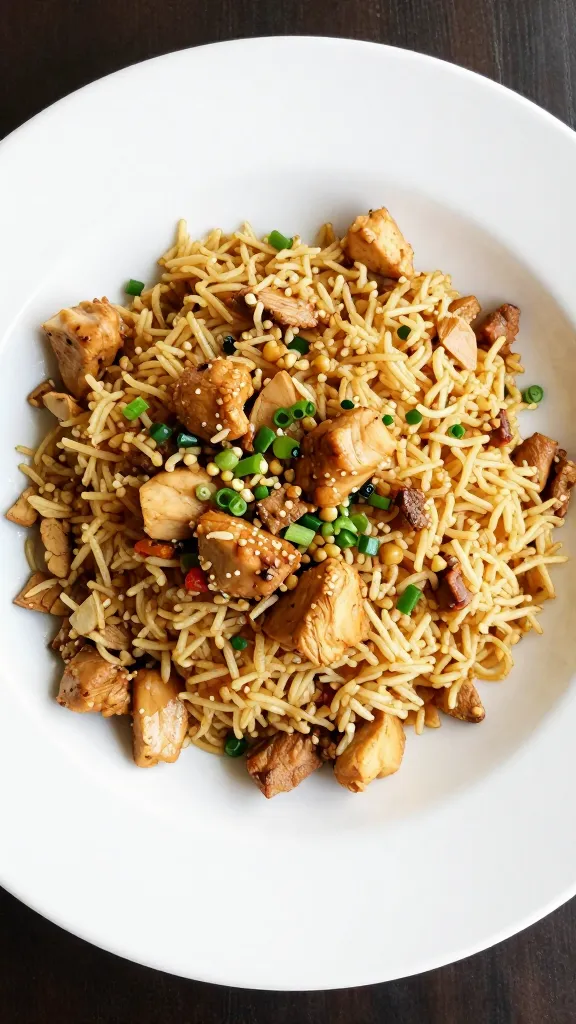
This one’s a classic for a reason: simple, gentle on digestion, and budget-friendly.
- Ingredients: 2 cups cooked chicken (shredded), 1 cup cooked brown rice, 1 cup mixed steamed veggies (carrots, peas, green beans), 1 tablespoon olive oil.
- Portion tips: Use about 1 cup per 20–30 lbs of dog weight per meal, adjust as needed.
Why it works: bland but flavorful, easy on tummies, and you likely have most of it in the pantry. FYI, skip onions and excessive salt—both are no-nos for pups. Mix, cool, serve, and watch the tail wag like a metronome.
Subsection: When to add a little zing
If your dog seems bored, drizzle a tiny spoonful of unsweetened yogurt or a sprinkling of parsley for fresh aroma. Don’t overdo dairy or herbs; moderation is key.
Meal 2: Beefy Statue of Ground Genius with Oats
Ground beef often sits on sale, making this a budget-friendly option with staying power.
- Ingredients: 1 lb lean ground beef, 1 cup oats (cooked), 2 cups chopped spinach or kale, 1 carrot (grated), 1 tablespoon olive oil.
- Prep note: Cook beef until no pink remains; drain fat, then mix with oats and veggies.
This meal is a protein-and-fiber powerhouse. The oats boost fiber, which helps with digestion and keeps dogs fuller longer. If your pup has a history of sensitive stomachs, swap in barley or quinoa for variety.
Subsection: How to stretch meals when the budget tightens
Add leftover veggies you’d otherwise toss. Different colors mean different nutrients, and your dog will thank you with a brighter coat and better energy.
Meal 3: Salmon Sunrise (or Canned Tuna) with Sweet Potato
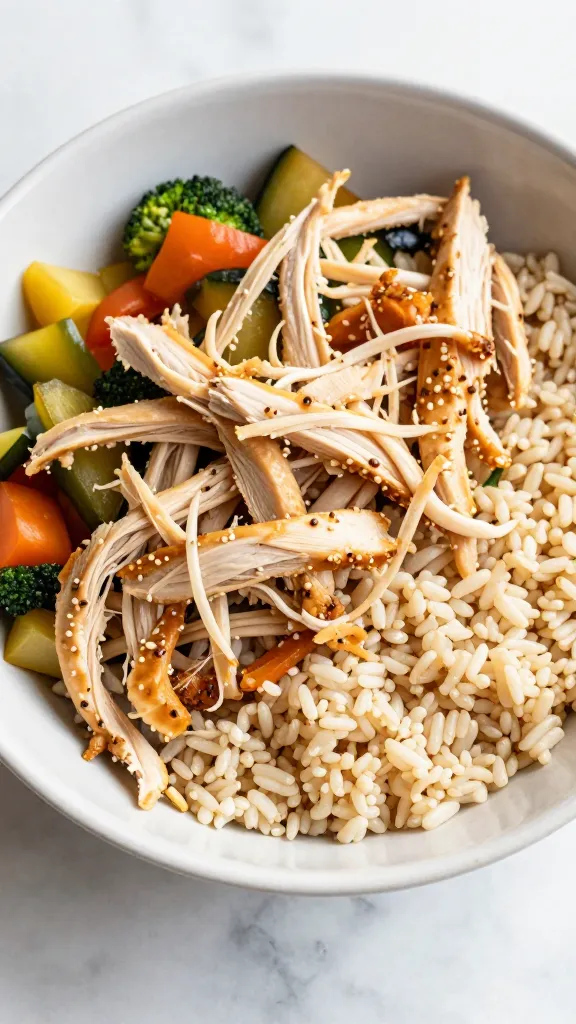
Omega-3s and a tasty twist keep things interesting.
- Ingredients: 1 can salmon (or canned tuna in water, drained), 1 cup mashed sweet potato, 1 cup green beans, 1 teaspoon ground flaxseed (optional).
- Portion guide: Salmon is rich—1/2 cup per meal for a medium dog, adjust for size.
Salmon brings shine to coats and supports joint health. If you’re concerned about mercury, limit canned tuna and rotate with salmon or sardines. FYI, always remove bones from fish to avoid choking hazards.
Subsection: Make it last
Freeze in single-serving portions. Thaw overnight in the fridge and warm gently before serving to maximize aroma—dogs respond to scent, and a warm dish smells like a feast.
Meal 4: Egg-White Power Bowl with Quinoa
Eggs are a bargain protein with a stellar amino acid profile when served properly.
- Ingredients: 3 egg whites (or 2 whole eggs if your vet approves), 1/2 cup cooked quinoa, 1/2 cup chopped zucchini, 1/4 cup peas, 1 tablespoon olive oil.
- Safety note: Cook eggs thoroughly to avoid any bacterial risk.
Why this works: high-quality protein, gentle on sensitive digestion, and quinoa adds protein without piling on fillers. If your dog isn’t fond of eggs, mix in a bit of leftover chicken or turkey for flavor.
Subsection: Quick protein swap ideas
Try turkey, cottage cheese (in moderation), or lactose-free yogurt stirred in after cooking for a creamy finish that your pup might adore.
Meal 5: Veggie-Packed Peanut Butter Chicken Bowl
For dogs who live for flavor, this is the sweet spot between tasty and practical.
- Ingredients: 1 cup diced chicken, 1/2 cup diced carrots, 1/2 cup peas, 1/2 cup brown rice, 2 tablespoons natural peanut butter (no xylitol), 1 teaspoon olive oil.
- Note: Check peanut butter labels for xylitol, which is toxic to dogs.
Texture and aroma do wonders here. Peanut butter adds fats and flavor, but keep portions modest to avoid tummy upset. If your dog has a peanut allergy, switch to pumpkin puree or applesauce (no sugar added).
Meal 6: Turkey or Chicken Scrap Soup (Meal-in-a-Bowl)
A cozy option that stretches leftovers and warms the soul.
- Ingredients: 1 cup shredded turkey or chicken scraps, 1/2 cup diced carrots, 1/2 cup spinach, 1 cup bone-broth-based liquid (low-sodium), 1/2 cup barley or brown rice.
- Tip: Use a broth you’d happily sip—low salt, no onions, no garlic powder.
Bonus: you can make a bigger batch and freeze. Your future self will thank you when you’re in a pinch and don’t want to cook from scratch.
Subsection: Bone broth benefits
Bone broth adds minerals and is incredibly palatable. Make sure it’s onion and garlic-free, and keep an eye on sodium levels for sensitive dogs.
Meal 7: Budget Beef-and-Bean Mash-Up
Beans aren’t just for humans; they stretch protein and fiber for dogs too.
- Ingredients: 1 cup lean ground beef, 1/2 cup cooked beans (black beans or lentils, well-rinsed), 1 cup cooked oats or rice, 1 cup chopped veggies.
- Approach: Cook beef, rinse beans, combine with grains and veggies, season lightly with herbs safe for dogs (like dill or parsley).
Beans bring fiber and protein at a budget-friendly price. If your dog has a sensitive stomach, introduce beans gradually and monitor for gas—your household will thank you for the heads-up.
Choosing What Works for Your Dog: A Quick Guide
- Size matters: Larger dogs need more calories; smaller breeds benefit from nutrient-dense, smaller portions.
- Watch for sensitivities: Some pups react to dairy, certain grains, or cruciferous vegetables. Introduce new ingredients slowly.
- Balance is key: Aim for a protein source, a carb source, and veggies. A splash of healthy fats never hurts, but keep portions in check.
Easy Ways to Stay on Budget Without Skimping on Quality
- Shop smart: Buy protein on sale, stock up on frozen veggies, and keep a running list of pantry staples you’ll actually use.
- Batch cook: Prepare a big pot on a Sunday, portion into containers, freeze, and rotate meals to prevent boredom.
- Rotate proteins: Chicken, turkey, beef, and fish all offer different nutrients. Rotating helps prevent allergy buildup and keeps meals exciting for your dog.
FAQ
Is homemade dog food actually cheaper than kibble?
Usually yes, especially if you monitor ingredients and buy in bulk or on sale. Your biggest savings come from using leftovers, bulk grains, and affordable proteins. FYI, it might take a bit of planning at first, but it pays off in the long run.
Can I feed my dog a raw or undercooked diet instead?
Raw and undercooked approaches carry risks like bacteria or parasites. If you’re curious about raw feeding, consult your vet or a canine nutritionist first. IMO, most home cooks do well with cooked meals that prioritize safety and digestibility.
How do I know I’m delivering the right nutrients?
Start with a simple formula: protein, carbs, fats, and veggies. Use an off-the-shelf canine nutrition guide or chat with your vet about portion sizes based on weight, age, and activity. If your dog has health issues, tailor meals accordingly and monitor weight closely.
What about supplements?
Some dogs benefit from a basic multivitamin, omega-3s, or glucosamine, but only after vet guidance. Don’t over-supplement; too much of a good thing can cause trouble.
Are there ingredients I should avoid entirely?
Yes. Onions, garlic (in most forms), grapes, raisins, chocolate, xylitol, and excessive salt are no-go for dogs. Always check labels and keep it simple for the first few weeks to see how your pup handles new foods.
How do I transition my dog to homemade meals?
Go slow: mix the new food with a portion of their current diet and gradually increase the homemade portion over 7–10 days. Watch for signs of digestive upset (loose stools, vomiting). If anything alarming pops up, pause and consult your vet.
Conclusion
Cooking for your dog on a budget doesn’t have to feel like a science experiment. With these seven meals, you can mix and match proteins, grains, and veggies to keep things interesting and nutritious. The trick is to start simple, batch cook, and listen to your pup’s cues. IMO, a little planning beats last-minute kibble runs every time. So grab a few staples, stock the fridge, and watch your pup devour meals with the gusto of a dog who just learned the mailman is not coming today. Happy cooking, and may your grocery receipts stay friendlier than your pup’s wag.






One comment on “Homemade Dog Food Recipes on a Budget: 7 Genius Meals You Can Make”
Comments are closed.