If your dog catches a whiff of Jell-O, it might be asking for a taste like a kid in a candy aisle. But can dogs actually eat Jello safely? The short answer: it depends. There are a few sugar-coated pitfalls and a few simple swaps that can keep tails wagging without turning your pup into a sugar-fest disaster. Let’s break down the truth, fast and friendly.
Why would anyone think Jello and dogs mix well in the first place?
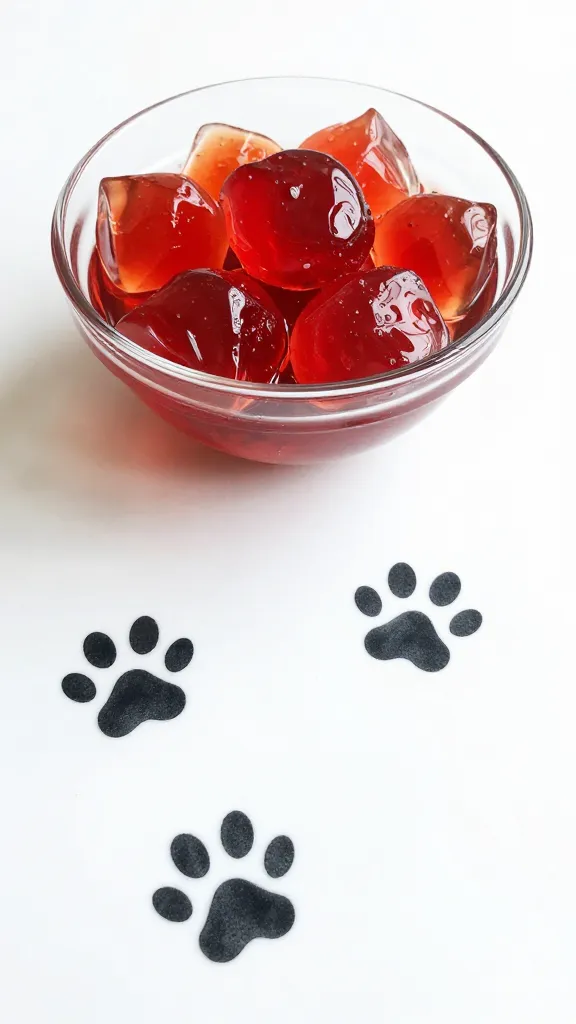
Jello is basically water, sugar, and gelatin with a splash of flavor. It’s smooth, easy on the mouth, and feels like a treat you could “just give a lick.” For dogs with picky appetites or dental issues, it can seem like a harmless way to tempt them. But there’s more to the story than “it’s shiny and wiggly.”
– The bottom line: not all Jello is created equal for dogs.
– Some flavors include xylitol, a sweetener that’s toxic to dogs even in tiny amounts.
– Gelatin itself isn’t dangerous, but the added stuff can be.
So, can dogs eat Jello? They can, in some cases, but there are caveats you should know before offering a spoonful.
5 shocking truths about dogs and Jello you need to know
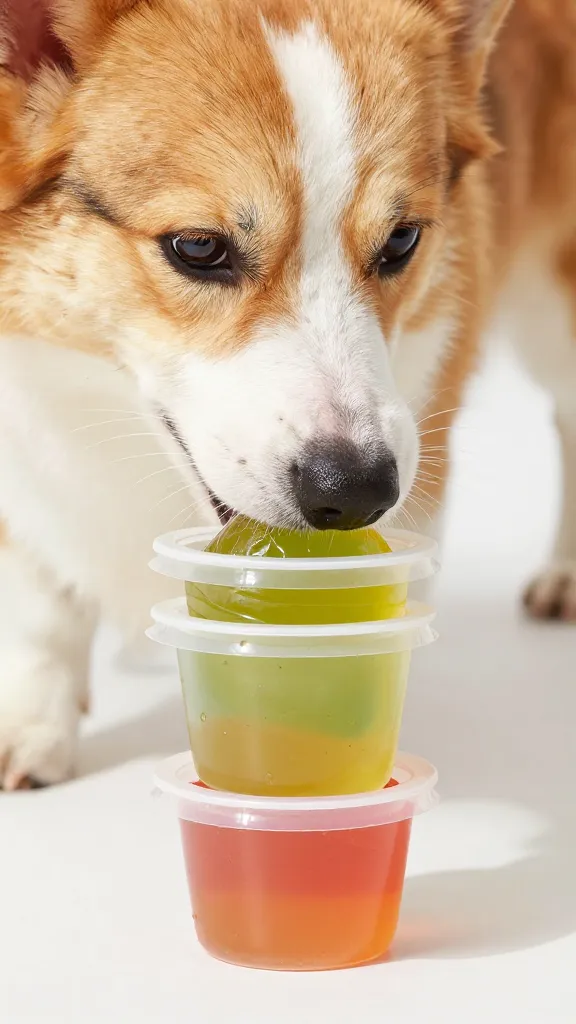
Truth #1: Sugar hits dogs differently than people
Sugar is a big no-no for daily dog diets. A little lick now and then probably won’t ruin a pup, but it can contribute to weight gain, dental trouble, and spikes in energy followed by a crash—not cute at 2 a.m. when a dog decides to stage a rave on the living room rug.
– High sugar can lead to obesity and diabetes over time.
– Don’t rely on Jello as a calorie-free treat; it’s not a substitute for a balanced diet.
– If your dog has a sensitive stomach, sugar can trigger GI upset.
FYI: occasional, tiny amounts may be tolerated by some dogs, but moderation is key. If your vet has warned you about sugar, skip the Jello altogether.
Truth #2: Xylitol is the danger zone
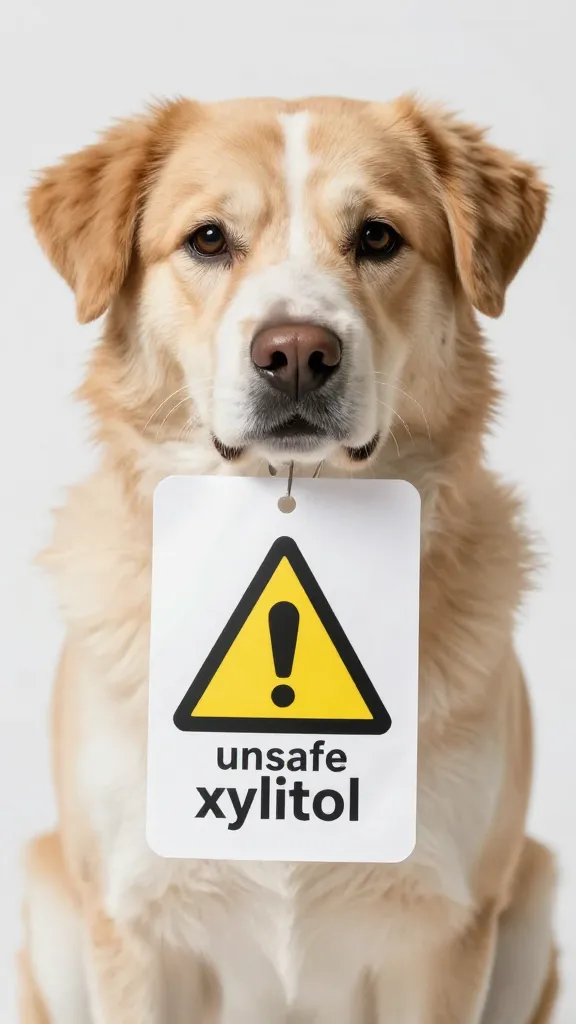
If you see “xylitol” on the ingredient label, walk away fast. Xylitol can cause a dangerous insulin spike in dogs, leading to hypoglycemia (low blood sugar) or even liver failure in severe cases. It’s often found in sugar-free or diet varieties of Jello.
– Never assume “sugar-free” means safe for dogs.
– Check ingredient lists carefully; xylitol hides in many seemingly innocent products.
– If your dog ingests xylitol, seek veterinary help immediately.
Customer tip: when in doubt, skip any product labeled sugar-free or “diet” and choose plain, dog-safe options only.
Truth #3: Some Jello flavors aren’t truly safe for dogs
Many standard Jello flavors include artificial colors, flavors, and preservatives that aren’t ideal for dogs. Even the ones without xylitol may contain additives that can upset a pup’s tummy or trigger allergies.
– Juicy berry flavors sound cute, but some dogs react badly to artificial ingredients.
– Citrus flavors can be harsh on a dog’s stomach.
– Plain gelatin with water (no sugar, no additives) is a far safer playground than store-bought mixes.
If you’re determined to treat, you’ll want to default to simpler ingredients and skip the fancy flavors.
Truth #4: Gelatin isn’t a magic dental savior
Gelatin might feel like a treat on the tongue, but it won’t magically scrub your dog’s teeth. In fact, sticky, gelatinous textures can cling to teeth and contribute to plaque if offered frequently.
– Don’t rely on Jello as a dental tool or substitute for brushing.
– If your dog loves the texture, consider cooler, dental-safe alternatives recommended by your vet.
That said, a small amount of plain gelatin can be harmless in moderation, but it’s not a dental health hero.
Truth #5: Portion control and frequency matter more than flavor
A tiny bite now and then will likely be fine for many dogs, but “how much” and “how often” determine the risk. A few tablespoons of plain gelatin mixed with water isn’t catastrophic for some dogs, but it’s still a treat, not a meal.
– Use as an occasional treat, not a daily habit.
– Consider your dog’s size, breed, age, and health conditions (diabetes? kidney issues?).
– If in doubt, ask your vet how many calories your pup’s weekly treats should come from.
Smart alternatives you can actually feel good abou
Homemade dog-friendly gelatin treats
– Ingredients: plain gelatin, water, and a dog-safe flavor boost like unsweetened pumpkin puree or a tiny amount of natural peanut butter (no xylitol).
– Method: dissolve gelatin in warm water, stir in the mix-in, pour into molds, chill until set.
– Result: a wiggly, tasty treat that’s far less likely to contain harmful additives.
Fruit-forward, dog-safe options
– Fresh fruit: small chunks of blueberries, sliced apples (core removed), or bananas can satisfy a craving without relying on gelatin.
– Use as occasional toppers on regular meals rather than a standalone dessert.
Commercial dog treats that are actually dog-friendly
– Look for treats labeled specifically for dogs with simple ingredients.
– Avoid anything with artificial sweeteners (especially xylitol) or high sugar content.
– Treats should complement, not replace, a balanced diet.
Practical guidelines if you still want a Jello moment
When to say no
– If you’re unsure about ingredients, skip it.
– If your dog has diabetes, pancreatitis, or digestive issues, absolutely avoid sugary snacks and anything with questionable additives.
– If you catch your pup scavenging the trash for a sugar-free or flavored Jello, intervene immediately—those ingredients aren’t safe.
How to introduce cautiously
– Start with a tiny lick to gauge reaction, then monitor for GI issues like vomiting or diarrhea over the next 24 hours.
– Keep portions tiny (a spoonful or two at most) and not a daily ritual.
– Always check ingredients for xylitol and other risky additives.
What to do if your dog accidentally consumes Jello with xylitol
– Contact your vet or an emergency clinic right away.
– Symptoms of xylitol poisoning can include vomiting, lethargy, loss of coordination, and seizures.
– Time is critical, so don’t wait for symptoms to show.
FAQ
Can my dog eat plain gelatin without any sugar or additives?
Yes, in very small amounts, plain gelatin is generally considered safe for most dogs. It’s not a dietary staple, but a tiny portion can be okay as an occasional treat. Avoid flavored or colored gelatin with added ingredients.
Is it ever a good idea to use Jello for training or medicine administration?
Not really. There are safer options like small amounts of plain yogurt (if dairy is tolerated), low-sodium broth, or a dab of peanut butter that doesn’t contain xylitol. Jello isn’t a reliable or consistent method for rewards or disguising pills.
What about Jello treats for puppies vs. adult dogs?
Puppies have developing systems and smaller stomachs. Even safe ingredients can cause GI upset if overdone. It’s best to avoid unnecessary snacks during early training and wait until you’ve established a routine with a vet’s blessing.
Can dogs be fed Jello if they have allergies?
If your dog has known allergies, you’ll want to steer clear of anything that could trigger a reaction. Flavorings, colorings, and preservatives can provoke sensitivities. When in doubt, skip it and offer a simple, vet-approved treat instead.
Are there any benefits to giving dogs Jello?
Not really. Jello offers hydration and a little flavor, but there are plenty of safer, more nutritious options that provide far more value for your dog’s health. IMO, it’s more of a novelty than a health habit.
Conclusion
So, can dogs eat Jello? They can, but there are enough red flags to make you pause. The risk of xylitol, the sugar overload, the potential for GI upset, and the marketing trap of “fun” flavors all add up to a big caveat. If you want to treat your pup to something wiggly and tasty, go with homemade gelatin treats using dog-safe ingredients, or choose simple, vet-approved options. FYI, your dog will probably be just as happy with a real meat-based treat or a dollop of unsweetened pumpkin on top of their regular meals.
If you’ve ever debated whether to share your dessert with your four-legged pal, you’re not alone. The key is knowing what’s safe, what’s risky, and how to keep your dog’s wellness front and center. After all, a healthy pup is a happy co-pilot for all your adventures.