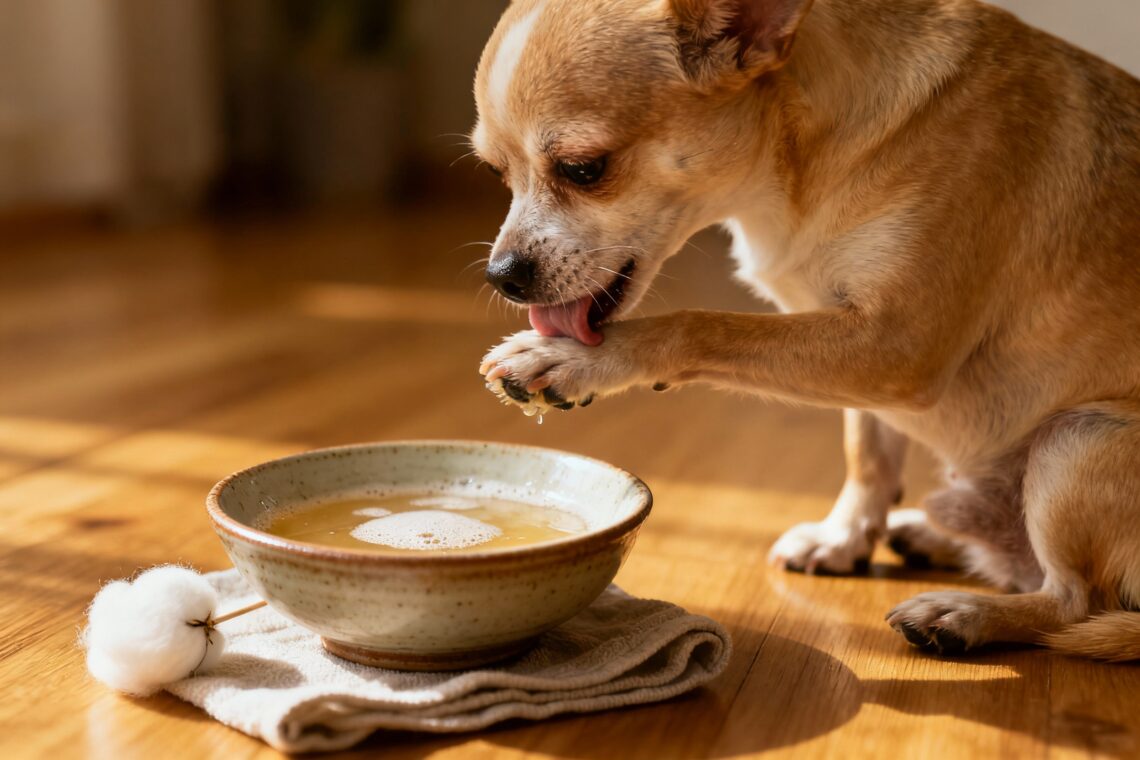
Your dog keeps licking their paws like it’s their full-time job, and you’re wondering if you can fix it without a pricey vet visit? You’re in the right place. Paw licking can mean boredom, allergies, or something more serious—but you can try a few safe, simple, homemade remedies first.
Let’s talk easy wins, when to worry, and how to calm those spicy paws without turning your kitchen into a chemistry lab.
Why Dogs Lick Their Paws (And When You Should Worry)
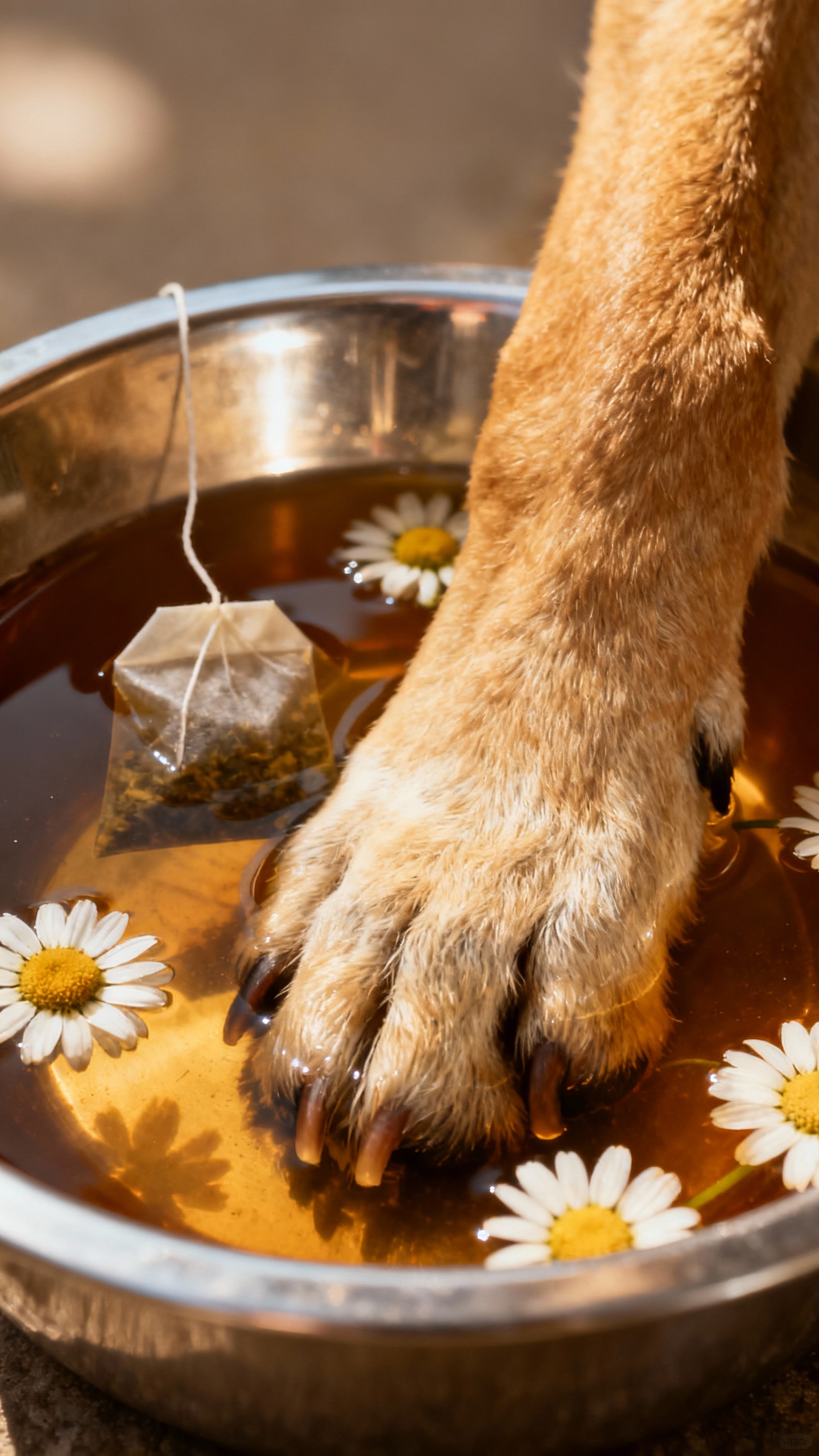
Paw licking isn’t always a crisis. Dogs groom. But if your dog licks constantly, chews, or you see redness, swelling, or brown staining?
That signals irritation or infection. Common culprits:
- Allergies (seasonal, food, or environmental)
- Irritants like grass, salt, pollen, or lawn chemicals
- Yeast or bacterial overgrowth—warm, moist paws = party time for microbes
- Parasites like mites or fleas
- Anxiety or boredom, especially in high-energy breeds
If you spot bleeding, limping, cracked pads, or if the licking starts suddenly and obsessively, call your vet. No heroics—just get help.
First Line of Defense: Clean, Dry, Protect
You can fix a lot just by keeping paws clean and dry.
Simple, consistent steps matter more than fancy concoctions.
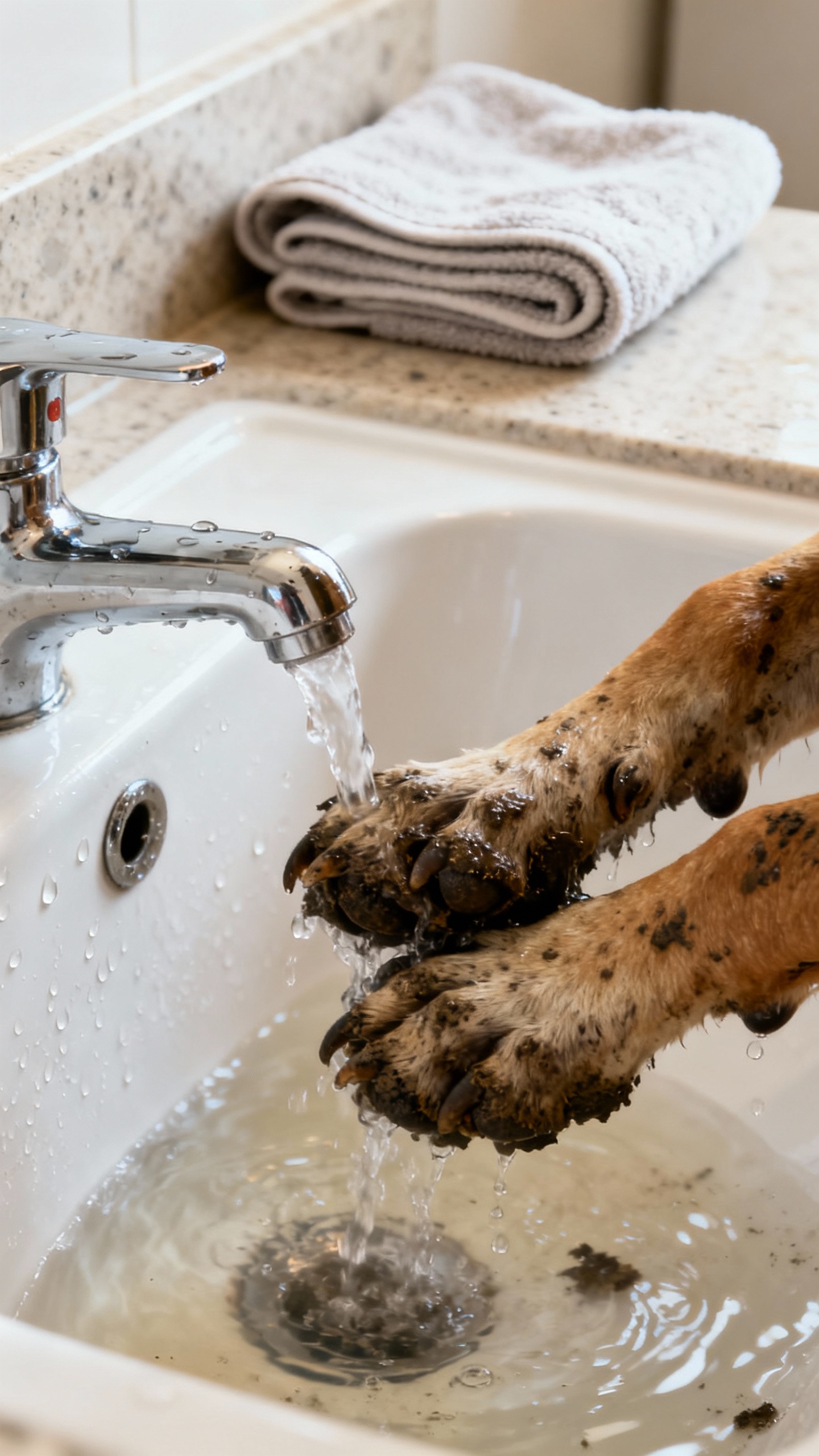
- Rinse after walks: Use lukewarm water to remove pollen, salt, and debris.
- Pat dry thoroughly: Between toes too. Moisture feeds yeast.
- Trim the fur between pads if it mats or traps gunk.
- Use booties in winter or high-pollen days if your dog tolerates them. Worth it, IMO.
Quick DIY Paw Rinse
Mix 1 quart lukewarm water with 1 teaspoon of pet-safe, fragrance-free soap (like a gentle dish soap).
Swish paws in, rinse with clean water, pat dry. Easy.
Gentle, Homemade Soaks That Actually Help
Let’s get to the good stuff. These soaks calm itch, fight microbes, and reduce licking.
Always spot test first and keep your dog from drinking the mix—obviously.
Apple Cider Vinegar Paw Soak
Why it works: ACV can help balance skin pH and discourage yeast and bacteria. How to do it:
- Mix 1 part raw, unfiltered ACV with 2–3 parts water.
- Soak paws for 1–2 minutes.
- Rinse with plain water and dry well.
Important: Do not use on open sores, raw skin, or cracked pads. It stings like crazy.
Chamomile + Green Tea Soak
Why it works: Soothing and mildly antimicrobial—spa day vibes. How to do it:
- Steep 2 chamomile and 2 green tea bags in 4 cups hot water for 10 minutes.
- Cool completely.
- Soak paws for 3–5 minutes, pat dry.
Do this daily during flare-ups. Smells nice, too.
Epsom Salt Bath (For Swelling)
Why it works: Can reduce mild swelling and discomfort. How to do it:
- Mix 1 tablespoon Epsom salt per 2 cups warm water.
- Soak paws for 5 minutes, rinse well, dry thoroughly.
Keep them from slurping the water—FYI, not a beverage.
Homemade Paw Balms and Sprays
These help moisturize, protect, and calm irritation.
Use after cleaning and drying.
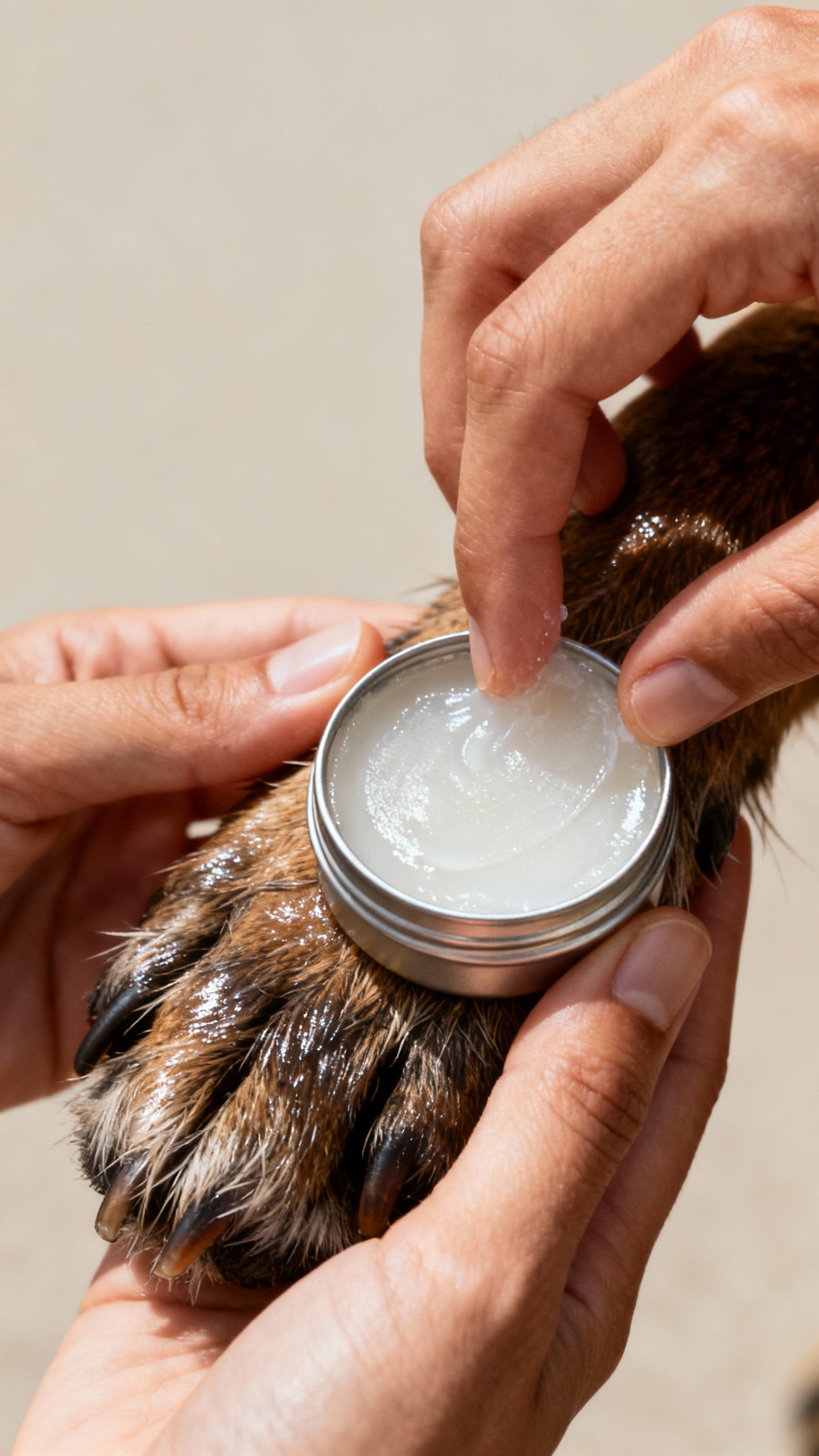
Simple Paw Balm
Ingredients:
- 2 tablespoons coconut oil
- 1 tablespoon shea butter
- 1 tablespoon beeswax (pellets melt easiest)
Method: Melt together gently (double boiler or microwave in short bursts), stir, cool, and store in a small tin. Use: Rub a thin layer on pads and between toes once or twice daily. Distract with a treat until it soaks in. Note: Coconut oil can feed yeast in some dogs if overused. If your dog has a yeast issue (red, stinky paws), use shea butter alone or a balm made with squalane or jojoba oil instead.
Anti-Itch Tea Tree Alternate Spray (No Tea Tree)
Avoid tea tree oil—it can be toxic to dogs even in small amounts.
Try this instead:
- 1 cup cooled chamomile tea
- 1 teaspoon 100% pure aloe vera gel (no lidocaine or additives)
- Optional: 2–3 drops lavender hydrosol (hydrosol, not essential oil)
Mix, spritz lightly on clean paws, and let air-dry. Do not use on open wounds.
Food, Allergies, and Supplements (The Less-Sexy Fixes)
Paw licking often ties to allergies. You can tighten up diet and add a few helpers.
- Elimination approach: Try a limited-ingredient diet for 6–8 weeks (single protein like salmon or turkey).No table scraps. Boring? Yes.Helpful? Often.
- Omega-3s: Add fish oil (EPA/DHA) for skin health. Typical dose: about 50–100 mg combined EPA/DHA per kg of body weight daily.Check with your vet for the exact dose.
- Probiotics: A dog-specific probiotic may improve the skin barrier and reduce inflammation.
- Water and weight: Hydrated skin = calmer skin. Also, overweight dogs lick more due to joint discomfort, IMO.
What About Raw Honey and Turmeric?
Raw honey can soothe minor irritation topically, but it gets sticky and messy. Turmeric needs proper dosing and a vet’s thumbs-up.
For most cases, stick to the soaks, balm, and diet tweaks above.
Behavior Hacks: Stop the Habit Loop
Sometimes licking started with an itch and stuck around as a coping mechanism. Break the cycle gently.
- More enrichment: Sniff walks, puzzle feeders, short training bursts.
- Exercise consistency: A tired dog licks less. Shocking, I know.
- Interrupt, don’t punish: Offer a chew, redirect to a toy, or use a lick mat with plain yogurt (if dairy tolerated).
- Use barriers temporarily: Baby socks with vet wrap, breathable booties, or an e-collar if you must, while the skin heals.
When Homemade Isn’t Enough
You can DIY a lot, but not everything.
Call your vet if you see:
- Persistent redness, swelling, or a bad odor (yeast/bacterial infection alert)
- Blood, pus, or scabs
- Limping or nail-bed issues
- Hair loss around toes or thickened, dark skin
- No improvement after 1–2 weeks of consistent care
Your vet might suggest antihistamines, medicated wipes, antifungal or antibiotic meds, or allergy testing. Not as “homemade,” but very effective.
FAQ
Can I use baking soda on my dog’s paws?
You can use a very diluted baking soda rinse (1 teaspoon in 2 cups water) as a deodorizer, but it’s not my first pick for itchy paws. Rinse thoroughly and avoid if the skin is broken.
ACV or tea soaks work better for most dogs.
Is coconut oil safe for dogs to lick?
Small amounts won’t hurt most dogs, but too much can cause tummy upset and may worsen yeast if overused on skin. If your dog has that classic yeasty smell and red staining, switch to shea butter or a light, non-comedogenic oil like squalane.
How often should I do paw soaks?
During flare-ups, 1–2 times daily for 3–5 days usually helps. Then taper to a few times per week as maintenance.
Always dry thoroughly afterward.
Do antihistamines help paw licking?
Sometimes. Over-the-counter options like cetirizine or diphenhydramine can help with seasonal allergies, but dosing depends on weight and health status. Ask your vet for the right dose and to confirm it’s safe for your dog.
Don’t guess.
What’s the best quick remedy after a walk?
Rinse with lukewarm water, pat dry, then apply a thin layer of balm. If pollen or salt seems to trigger licking, do a gentle tea soak once daily and use booties on high-exposure days. Fast and simple.
Could it be anxiety and not allergies?
Yes.
If your dog licks more when bored or alone, add mental stimulation and exercise, and redirect the behavior. If it persists, talk to your vet or a trainer about anxiety management. Habit licking is a thing.
Wrap-Up: Calm Paws, Happy Dog
You don’t need a pharmacy to start helping your dog today.
Clean, dry, and protect the paws. Use a soothing soak, apply a simple balm, and tweak diet and routine. If things don’t improve—or you see signs of infection—loop in your vet sooner rather than later.
Your dog gets comfy paws, you get peace and quiet. Everybody wins.