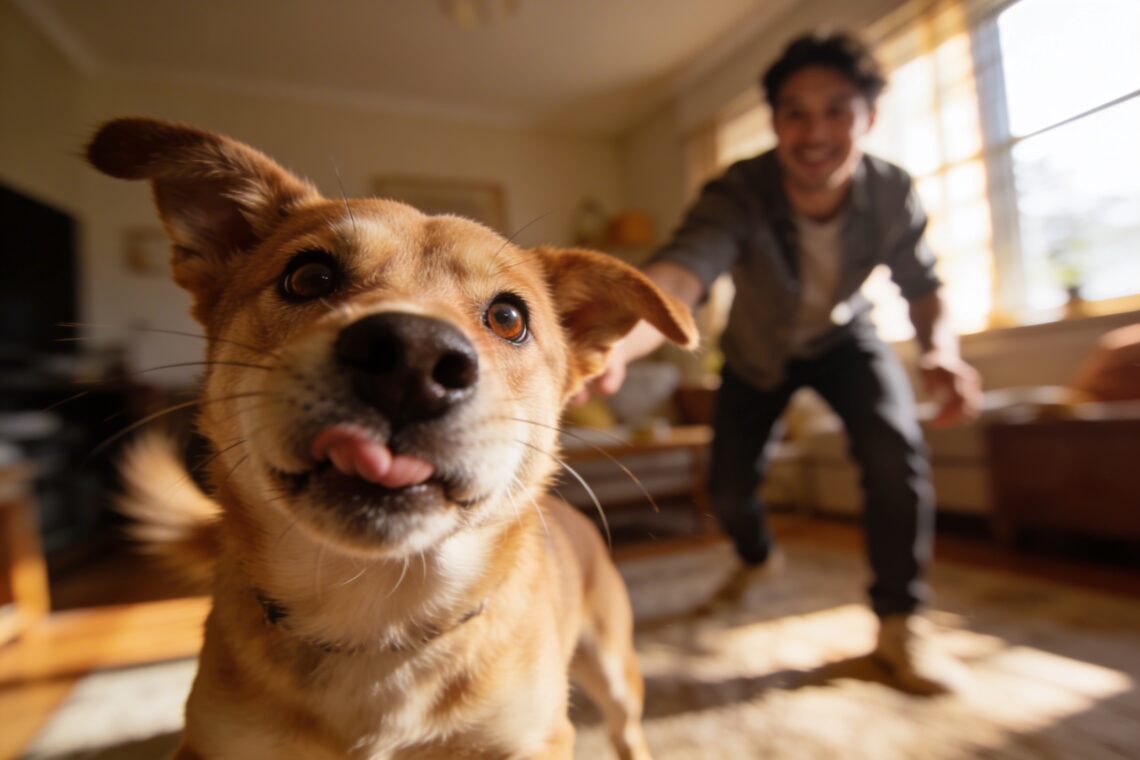
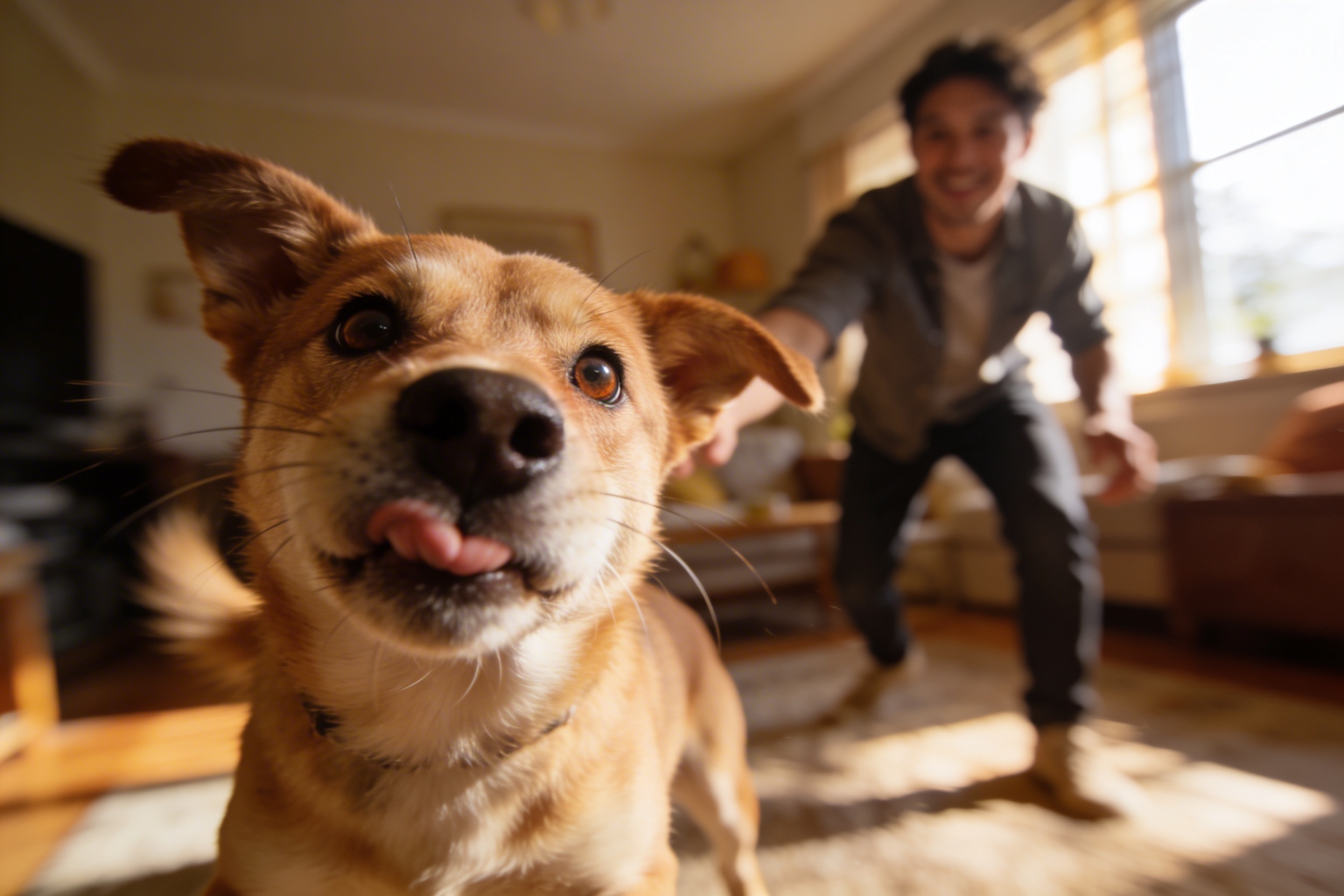
Dogs do it for a lot of reasons, and yes, humping people is one of them. Let’s cut to the chase: it can be hilarious, awkward, or downright embarrassing. The good news? There are practical, humane ways to handle it fast and keep everyone—dog and humans—comfortable.
What’s really going on when dogs hump people
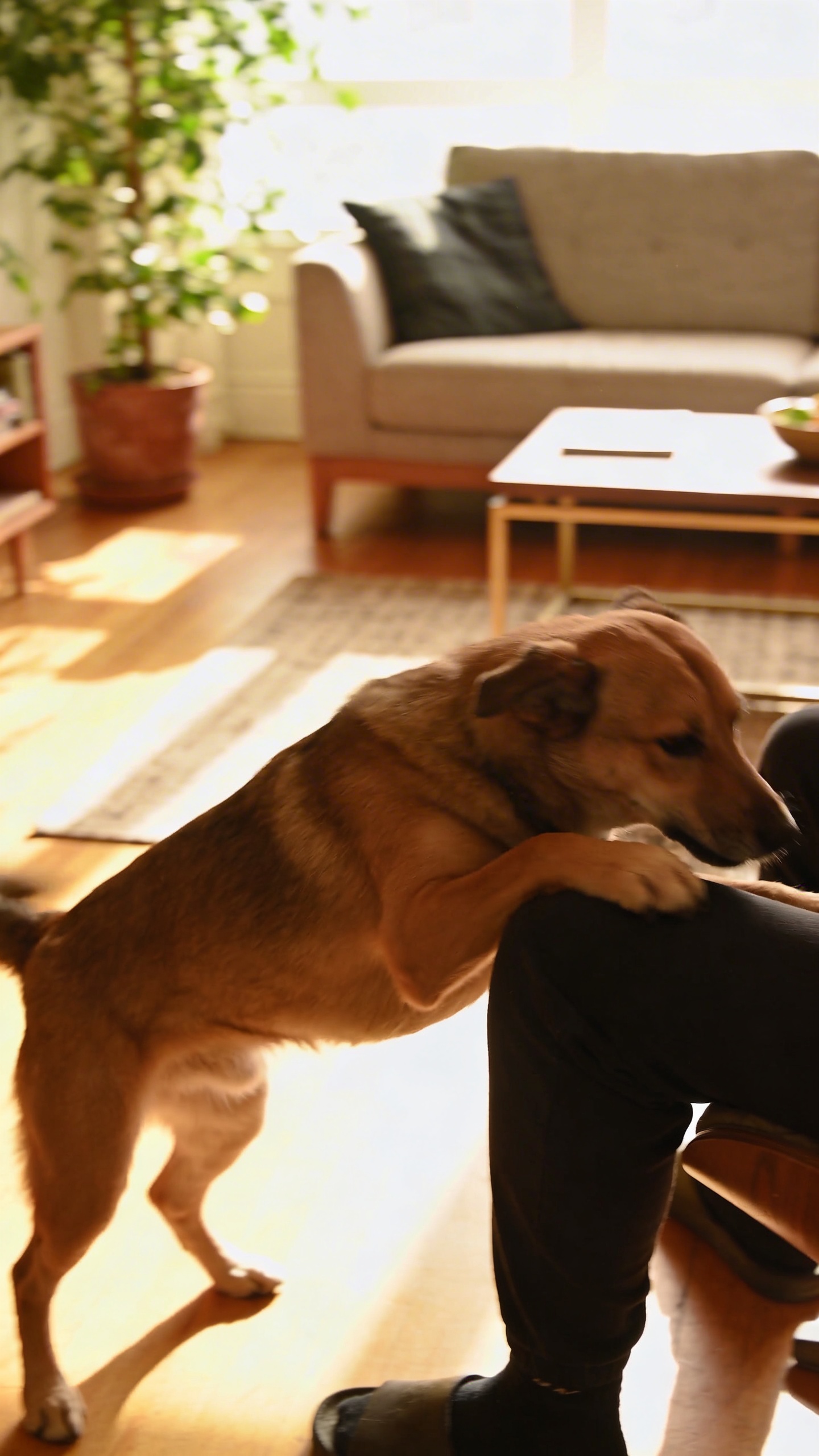
– It’s not always about sex. Humping is a multiplier of emotions: excitement, stress, dominance, or just plain attention-seeking. The dog isn’t plotting a romance novel; they’re expressing something in the moment. – It’s communication, not an insult. Dogs don’t have the same conversations we do, and humping can be their way of saying, “Hey, I’m here, I’m hyped, what should we do?” – Age and hormones matter. Unneutered males, females in heat, and puppies growing up all show different patterns. If you’ve got a hormonal mix, it can spike like a fireworks show. – It’s a learned behavior too. If a family laughs, pets them, or gives treats when it happens, the dog thinks: this gets a reaction, I’ll keep doing it.
Different flavors of humping: how it presents in real life
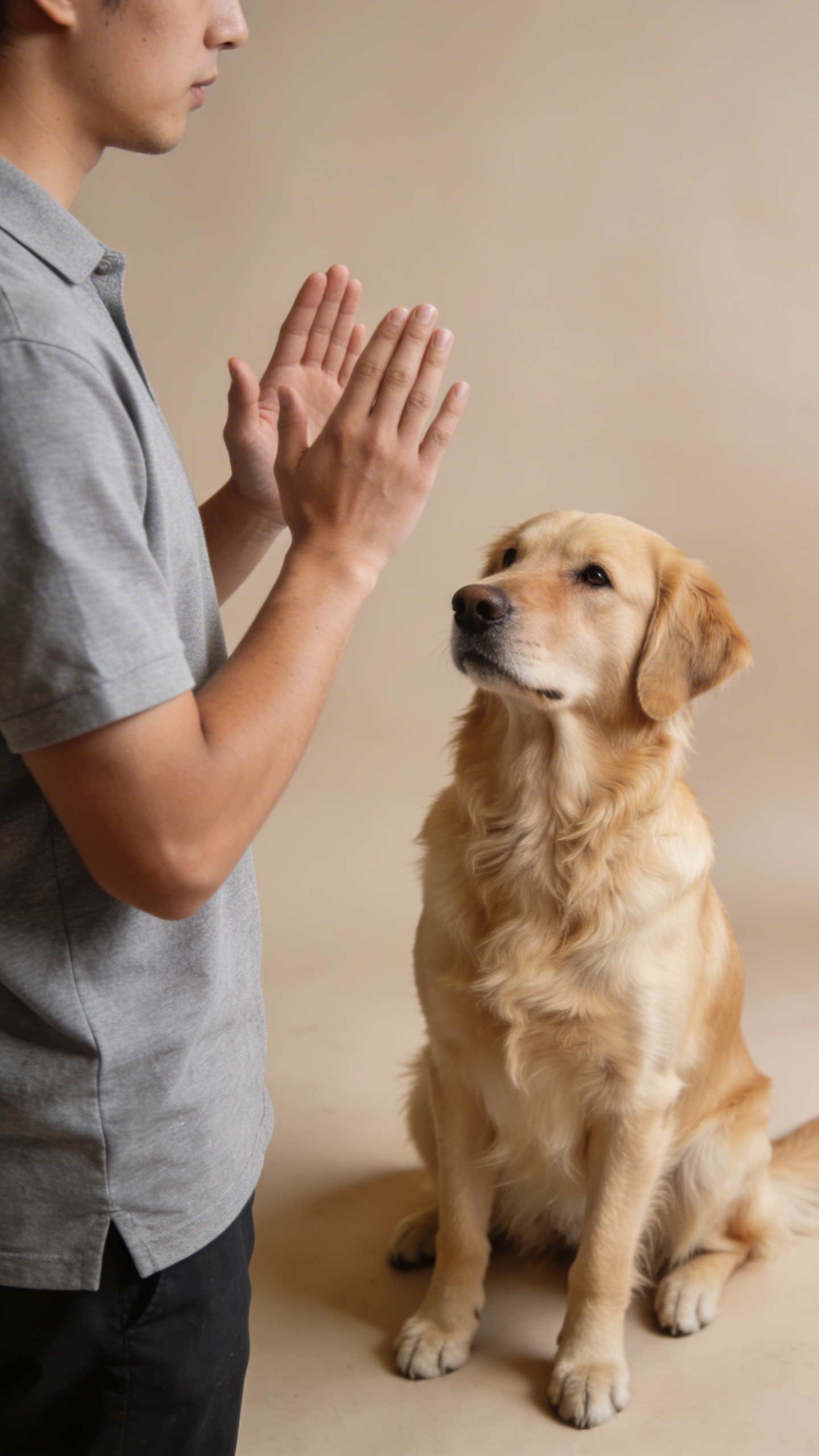
– Playful mounting. Your dog is in “let’s be friends” mode, but the body language says otherwise. Tail up, ears forward, and a lot of speed. – Attention-seeking. They sprint to you, leap, and hump because it’s the fastest way to steal the spotlight. – Dominance displays. This one’s trickier. It shows up when the dog wants to set the vibe in the house or with another dog or person. – Excitement or overstimulation. A quick hump might pop up during a high-energy romp or inside a tense vacuum of energy. – Medical hotspots. If it’s sudden, frequent, or paired with other odd behaviors, there might be a medical itch to scratch.
How to stop it fast: practical, kind methods
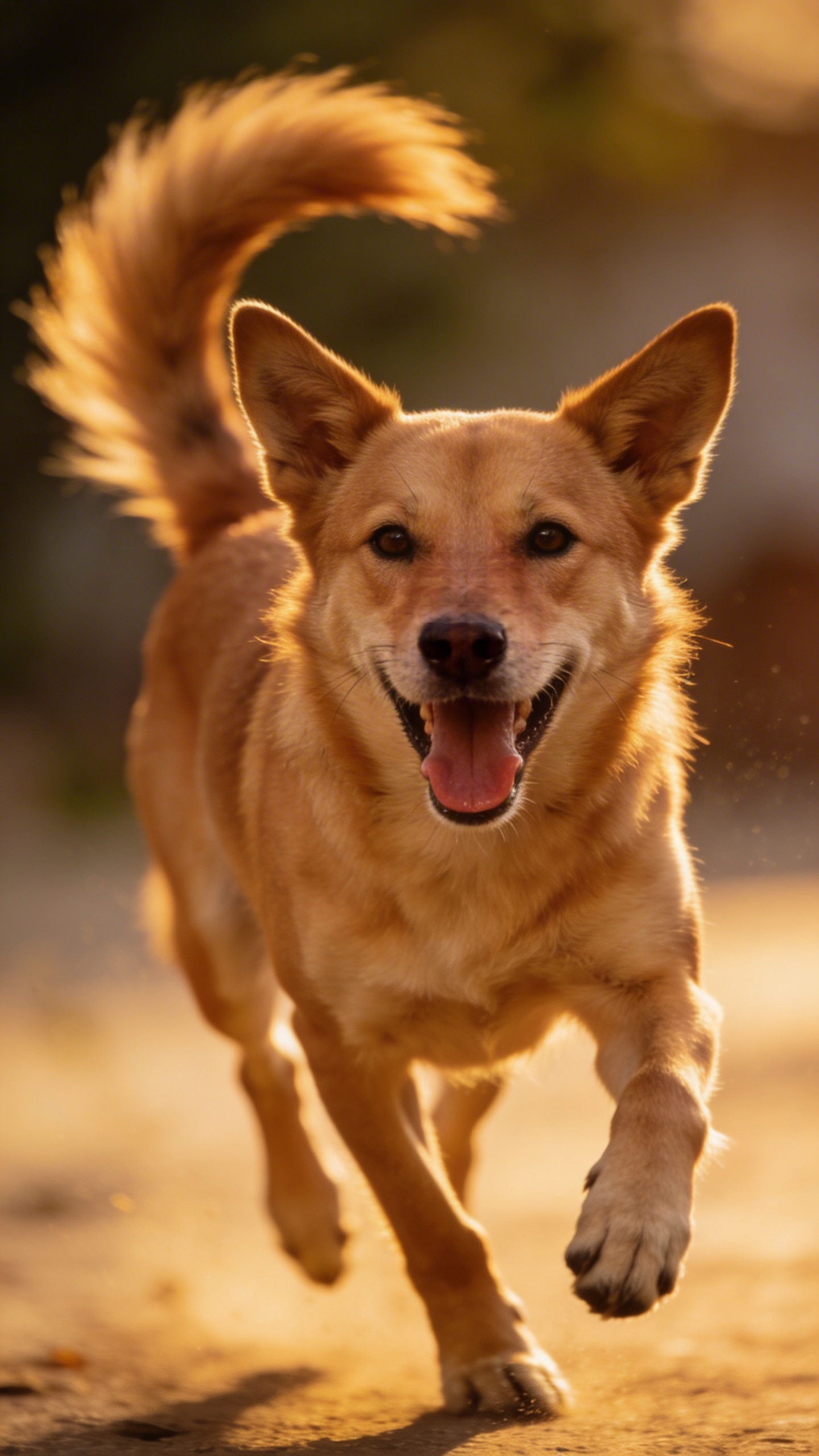
– Interrupt calmly, not with punishment. A quick, neutral interruption helps to break the loop without scaring or confusing your dog. – Redirect to a better behavior. Offer a toy, a sit, or a game of tug. Make the alternative something your dog loves just as much or more. – Teach a clear as day “off” cue. Short, sharp command like “leave it” or “off” can become your best friend in sticky moments. – Use management to prevent repeats. If guests trigger it, give your dog a comfortable, separate space and a chew toy or puzzle to focus on. – Reinforce with rewards. When the dog chooses a calm alternative or ignores the urge, reward generously with praise, treat, or a favorite toy. – Address arousal triggers. Short workouts, quick training sessions, or a brisk walk before guests arrive can lower the excitement level. – Talk to the vet if it’s persistent. Ye olde hormones can drive the behavior, and a quick checkup can rule out medical causes.
Training tips that actually work (without turning it into a power struggle)
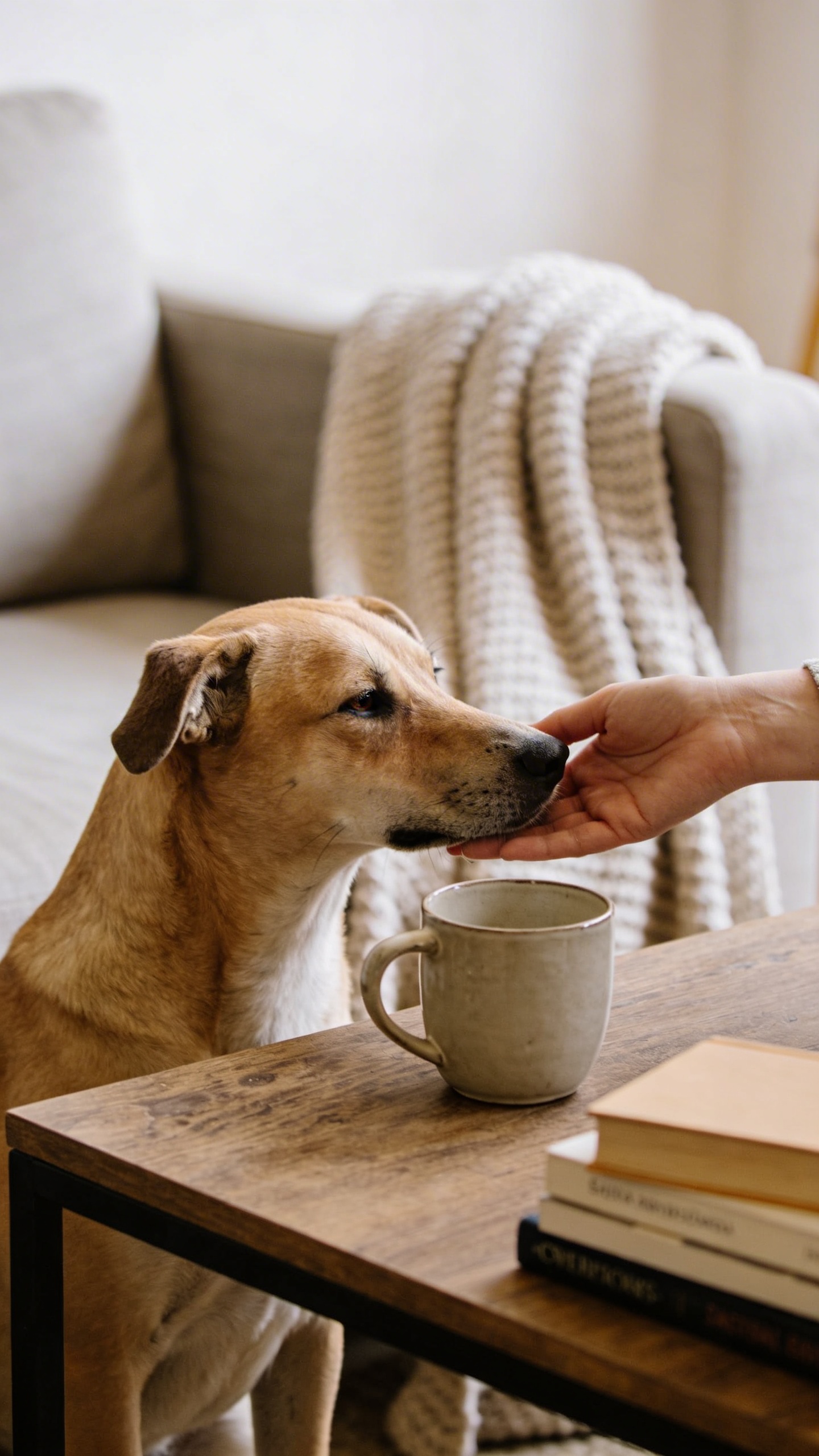
– Consistency is king. Everyone in the household must respond the same way, every time. – Short sessions beat long lectures. A few minutes, several times a day, beats a half-hour lecture that ends in a dog nap. – Use a release cue. Teach your dog to “settle” or “place” on a mat. When you’re hosting, you’ve got a built-in boundary they understand. – Reward the interruption, not the interruption’s result. If they stop humping and sit, reward the calm behavior—not the end of the yikes moment. – Socialize smartly. Expose them to people in controlled doses, teach proper greetings, and reward good approaches.
When it’s more than just a quirky habit
– If the behavior is persistent or escalating, consider a training class. A pro can read your dog’s body language better and tailor a plan. – Look for anxiety drivers. Sometimes humping is an anxiety signal, especially if it appears alongside pacing, panting, or yawning. – Watch for red flags with other dogs or people. If your dog is aggressive, or if people feel uncomfortable, you’ll need a stricter management plan and professional help. – Hormones aren’t jokes. Spikes in hormones, especially in intact dogs, can complicate training. Consider talking to your veterinarian about neutering, if appropriate for your dog and lifestyle. – Medical checkups matter. Pain or itchiness, skin problems, urinary issues, or dermatologic irritations can manifest as humping as a way to cope with discomfort.
What about kids and guests? Keeping it calm and friendly
– Set expectations in advance. Let guests know about your dog’s quirks and how you handle them. – Create a clear path for greetings. A quick sit, a treat, and a calm pet can be the best first impression. – Supervise interactions. Don’t leave a dog alone with kids if the dog is prone to naughtiness or overstimulation. – Offer safe distractions. A chew toy, puzzle, or a Kong filled with treats can redirect energy away from people. – Share a quick training script. “Sit. Stay. Good dog.” The simplest phrases often work best in social moments.
Hump etiquette: what you should never do
– Don’t shun or shame the dog. Dogs read emotions, and scorn can increase stress and make the behavior worse. – Don’t punish physically. Hitting, yelling, or jerking collars can escalate fear and aggression. – Don’t reward the behavior accidentally. Don’t laugh, pet, or give attention when it happens—your dog will think that’s the goal. – Don’t ignore a potential medical issue. If this behavior changes suddenly, check with your vet. – Don’t rely on heavy-handed solutions. Training should be gentle, predictable, and fun.
FAQ
Is humping always a sign of dominance?
Not at all. It’s one of several possible explanations. It can be excitement, anxiety, play, or a learned habit. Look at the full context: body language, triggers, and frequency.
Should I neuter my dog to stop humping?
Neutering can reduce sexual mounting in some cases, especially in younger dogs, but it isn’t a guaranteed fix. Behavioral training and management usually play a bigger role. FYI, timing and medical advice from your vet matter here.
Can I train my dog to stop humping completely?
You can drastically reduce it with consistent training and management. Some dogs may still do it occasionally, especially in high-arousal moments, but the goal is control and predictability.
What should I do if my dog humps a guest?
Calmly interrupt, redirect to a quiet activity, and reward the guest-friendly behavior. If guests are anxious, give your dog a safe space and use a barrier or crate to prevent incidents.
Could this be a medical issue?
Yes, especially if the behavior starts suddenly or spikes alongside other symptoms. Urinary infections, skin irritations, or pain can contribute. A vet visit is worth it to rule out physical causes.
Conclusion
Humping people isn’t the end of the world—and with a steady plan, you can keep the hug-fest under control while keeping your dog happy. Start with calm interruptions, switch to a preferred activity, and lock in consistent rules across all family members. If you stay proactive, you’ll turn those awkward moments into moments of calm, cuddly, dog-friendly living. IMO, a little humor and a lot of practice go a long way. FYI, your guests will thank you for the peace and your dog will thank you for the boundaries.