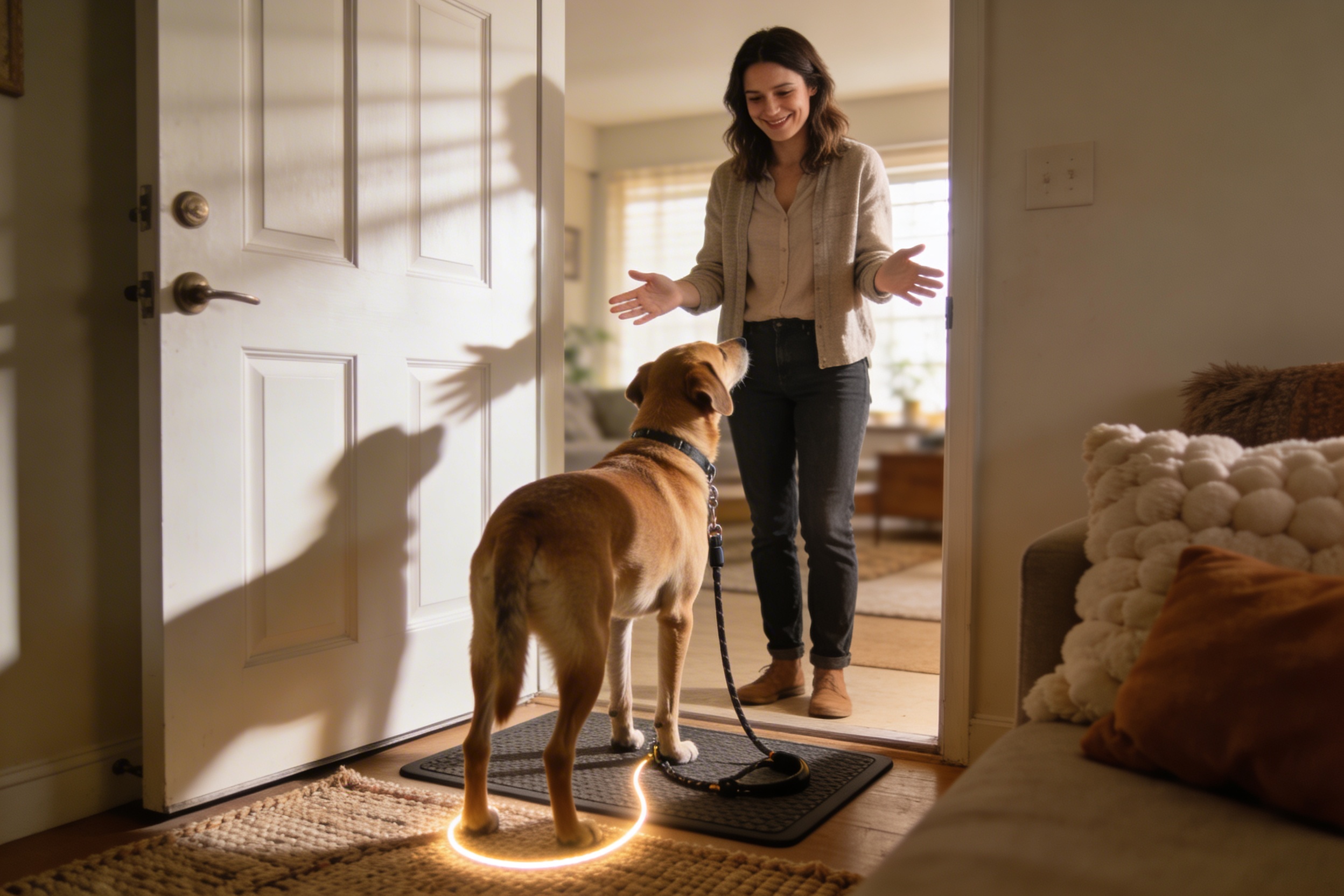
I know the moment you walk in the door and your dog bursts into a tornado of jumping, you’re not just greeting a friend—you’re wrestling a tiny furry tornado. There’s a calm way to do this that actually works, not just a shouty I-need-silence command. Let’s dive into the calm greeting trick trainers swear by and how you can make your living room feel peaceful again.
What the Calm Greeting Trick Actually Is (And Why It Works)
If you’ve ever watched a pro trainer in action, you’ll notice one simple pattern: zero drama at the door. The dog learns that calm behavior gets the rewards, not high-energy chaos. The trick isn’t about forcing your pup to sit for hours or becoming a statue in the doorway. It’s about teaching a reliable alternative behavior and signaling “the door is open” with calm body language. FYI, you’re not punishing excitement; you’re redirecting it. When your dog learns that greeting calmly earns attention and treats, jumping loses its appeal. And yes, this works for every dog, from the bouncy puppy to the veteran counter-surfer.
Set the Stage: Preconditions That Make This Easier
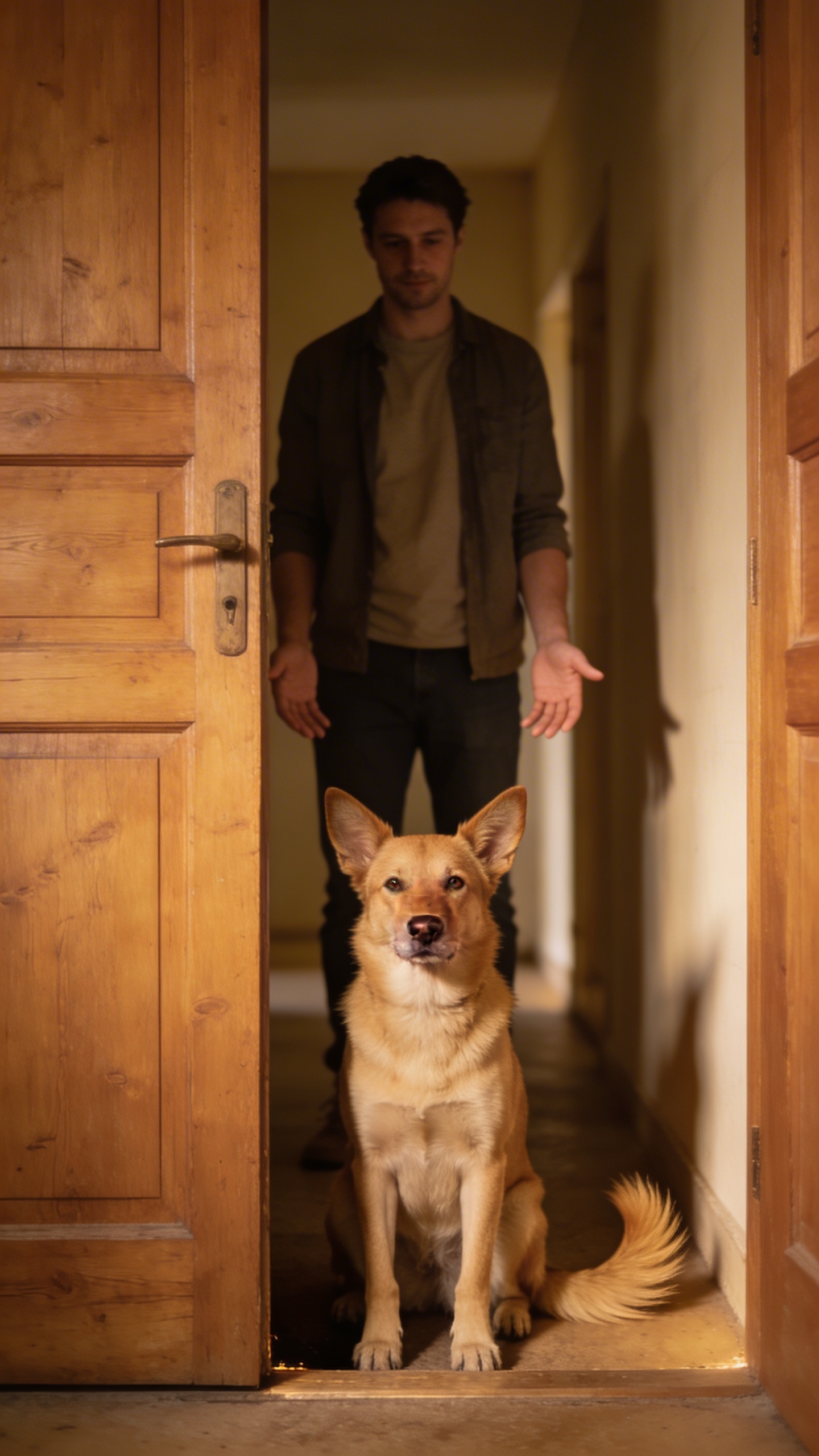
Before you even think about opening the door, lay a foundation. The calm greeting isn’t magic; it’s a skill you and your dog practice.
- Control the doorway: Use a leash or a baby gate to create a buffer zone. No door-wiggles, no doorstep chaos.
- Teach a simple alternate behavior: A quick sit or “sit-stay” works wonders. Your dog learns that sitting politely pays off with pets and a treat.
- Anchor with a consistent cue: Pick a word or phrase like “Hello” or “Nice to see you.” Use it every time so your dog builds a reliable association.
- Practice independent greeting: Get your dog to greet you at the same spot every time. For many dogs, the doorway becomes a stimulus for overdrive—break that loop.
Step-by-Step: The Calm Greeting Routine
This is the core recipe. Short, practical, and repeatable.
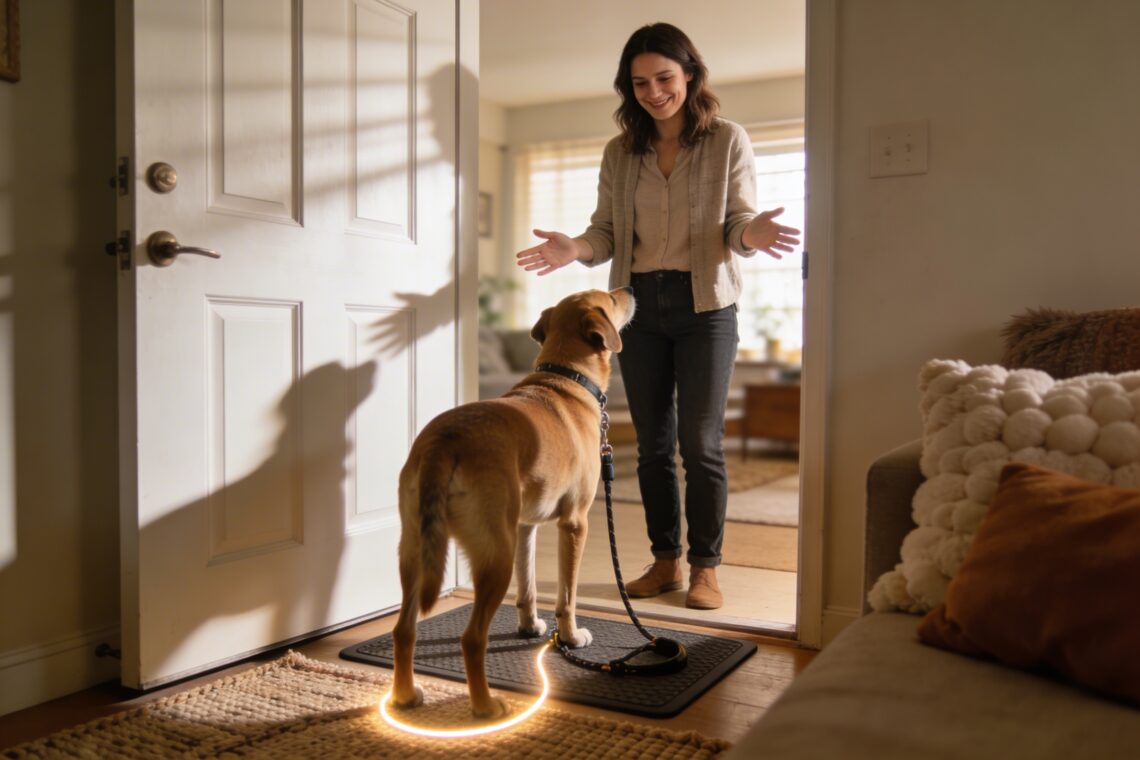
- Approach the door calmly: Move slowly, arms relaxed. If you’re bouncing, your dog picks up on that energy and mirrors it.
- Stop, wait, and cue: When the door opens or your dog sees you, pause for a breath. Give the calm cue like “Okay” or “Sit.”
- Reward the calm posture: Once your dog sits, treat immediately, then give gentle praise. Avoid leaning over or reaching for their head—keep it calm and inviting.
- End on a calm note: If your dog starts to jump or escalate, back up and reset. It’s not a loss; it’s a reset button for future success.
Common Pitfalls (And How to Fix Them Fast)
You’ll hit speed bumps. Here’s what to watch for and how to steer around them.
Overwhelming the Dog with Excess Attention
If you babble at your pup or shove your face into theirs, you’re feeding the drama. Keep your voice soft and your body language neutral. Reward when they remain calm, not when they “earn” more excited chatter.
Too Much Free Time at the Door
If you let your dog lounge around the doorway while guests arrive, you’re teaching them that the door is a stage. Move in, cue the sit, and give the treat on the other side of the door threshold—inside the room, not in the doorway.
Inconsistent Cues or Rewards
Mixing cues or rewarding jumping sometimes, but not always, confuses your pup. Pick a clear rule: calm = reward, jumping = no reward. Stick with it until it sticks.
Building a Flow That Works With Real Life
The home isn’t a perfect training gym. Here’s how to translate the calm greeting into everyday life.
- Guest arrivals: Train a “greet at the mat” routine. Guests stand still while your dog sits, then a treat appears. If your dog jumps, reset without a fuss.
- Doorbell practice: Ring the bell and let your dog observe from a distance. Gradually decrease the distance as they hold calm during the door transition.
- Alternate attention channels: If your dog is a huggable greeter, give them an alternative request before attention—“sit,” then “settle on mat” before you pet.
Managing Multiple People at Once
Invite a friend or family member to participate in a controlled drill. The dog learns to stay calm even with more hands in the air. Start with one person, then add another when you’ve got a solid routine.
Advanced Tweaks: Fine-Tuning for Hard Cases
Some dogs need a little extra polish. If your dog is especially excited, try these tweaks.
- Increase the duration of the calm sit: Work up from 2 seconds to 20 seconds before you reward. Patience pays off.
- Use a mat or place cue: Teach your dog to go to a designated spot near the door before greeting. It anchors their energy away from your hands and face.
- Managing arousal before the door: Short play session or a quick obedience sequence before greeting can lower baseline arousal.
Using Tools Without Turning It Into a Drill Sergeant Camp
Tools can help when used wisely. They shouldn’t replace your relationship with your dog.
- Leash as a training aid: A loose leash helps you control the moment without pulling. If your dog surges, you’ve got a built-in reminder to reset calmly.
- Clickers for precision: A clicker marks the exact moment of calm behavior, which helps dogs connect the reward to the calm moment more quickly.
- Training aids: Treat-dishing trays or a portable treat pouch make rewards easy, not chaotic.
Why Timing Matters (And How to Nail It)
Good timing is 50% of training. If you reward a moment too late, your dog learns the wrong behavior. Practice with a mirror or have a friend watch your timing. The moment the dog’s rump hits the sit, click or say your cue, then reward within a half-second window.
When You Shouldn’t Give Up: Real-Life Wins
You won’t see perfection overnight. The payoff is real, though.
- Less stress for you: Your home becomes calmer, which makes training more enjoyable for both of you.
- Better impulse control: Your dog learns to pause and assess before reacting, a skill that helps in many situations beyond greetings.
- Stronger bond: You’re teaching with patience and consistency, which builds trust and respect.
FAQ
Q: Do I have to use treats every time?
Not necessarily. Start with treats to establish the behavior, then gradually phase in praise or a favorite toy as a reward. You want a reliable cue-reward link, not a treat dependency.
A: How long should I practice the calm greeting each day?
Short sessions are the hero here. Aim for 5–10 minutes, 2–3 times a day. Consistency beats long, sporadic sessions. FYI, short wins add up fast.
Q: My dog still jumps after I teach calm greetings. What now?
Revisit the basics: ensure your dog understands the cue, increase the duration of the calm sit, and add a reset protocol if they break calm. Sometimes they’re testing you—staying calm yourself is the hardest but most important part.
Q: Can this work for dogs with high reactivity?
Yes, but it’s more gradual. Pair the calm greeting with desensitization to the door and front-door stimuli, and coordinate with a professional trainer if needed. Baby steps matter here more than big leaps.
Q: What if guests arrive and I forget the routine?
That happens to the best of us. Have a quick plan: a mat or a chair where your dog goes while you greet guests, then gradually bring the routine back in. Consistency after a slip is what saves you.
Conclusion: The Calm Greeting Is More Than a Trick
This isn’t a magic spell or a one-time fix. It’s a practical routine you can slip into daily life, turning a doorway into a moment of connection instead of chaos. When you greet your dog calmly, you teach them that the world’s not spiraling out of control at the front door—it’s perfectly manageable with a little practice and a lot of patience. If you implement the steps consistently, you’ll notice fewer jumpy greetings, more relaxed energy, and a stronger, happier bond with your dog. IMO, the calm greeting is less about mastering your dog and more about mastering your own moment-to-moment calm—and that’s a skill worth having for every dog parent. So grab a treat pouch, pick a cue, and start practicing. Your doorway—and your shoulders—will thank you.