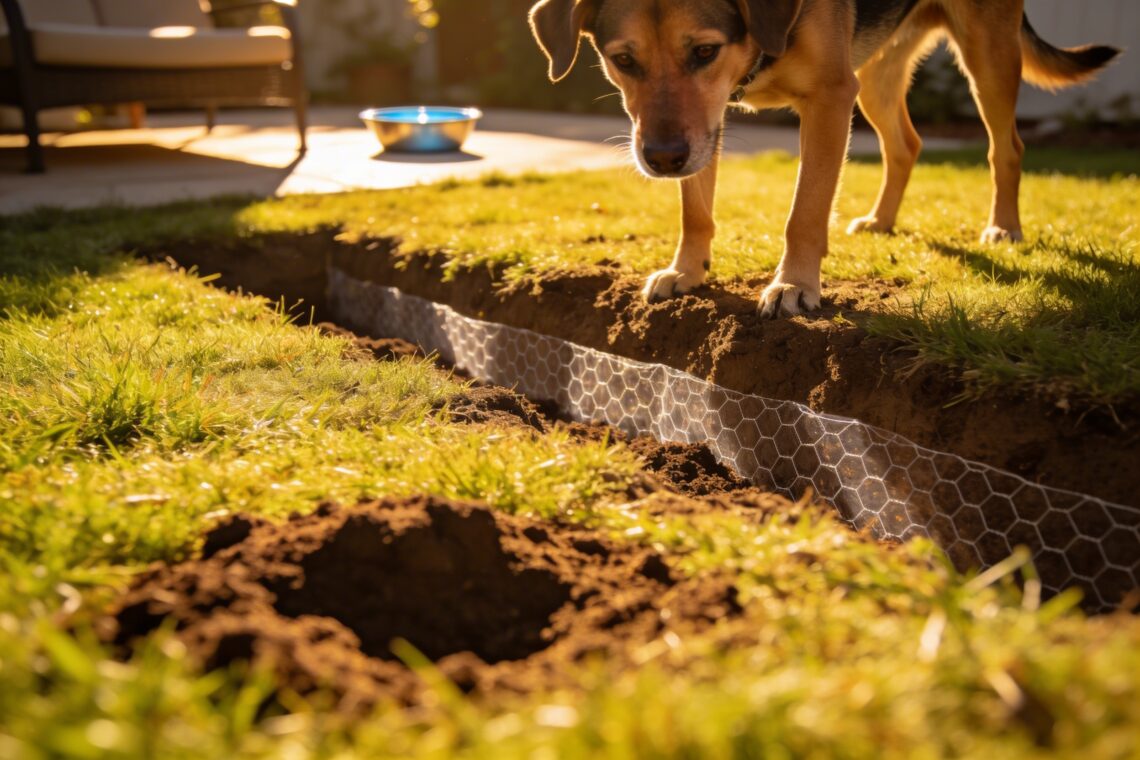
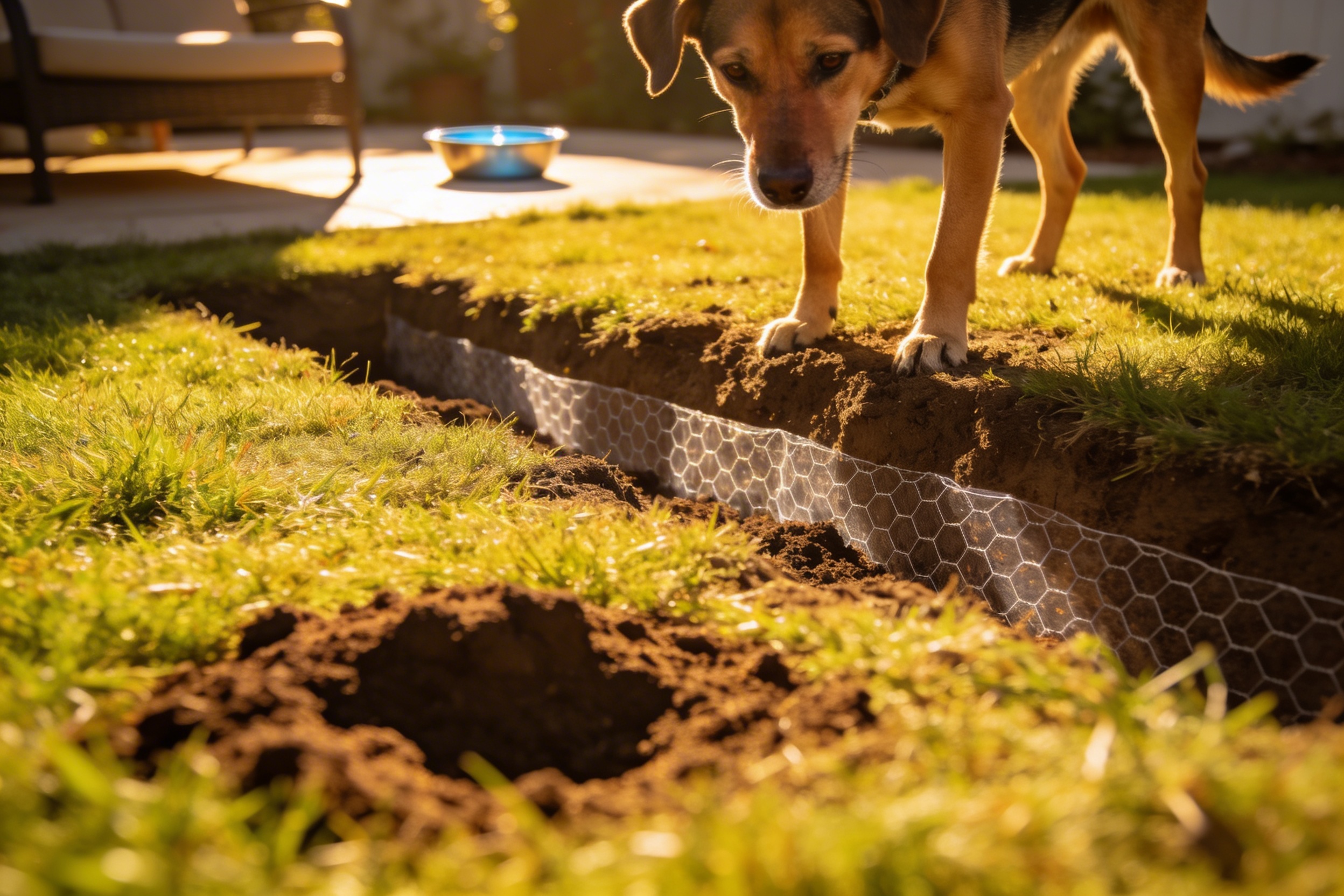
Tip: if your yard looks like a lunar landscape after a dog monsoon, you’re not imagining it. Dogs dig for many reasons, but the result is usually the same: chewed turf, muddy knees, and a lot of frustration. Let’s fix this fast with practical, backyard-tested fixes that actually work.
Why dogs dig in the first place (and why you’re not alone)
– Dogs dig for multiple reasons: boredom, instinct, seeking shade, chasing scents, or hiding treasures (like tennis balls and treats). – If your pup’s digging is happening in the same spot, that’s a habit, not a mystery. – FYI, some dogs dig to relieve anxiety or because the ground is cooler than the surface. Understanding the motive helps you pick the best fix, not just a band-aid.
First things first: safety and quick fixes you can try this week
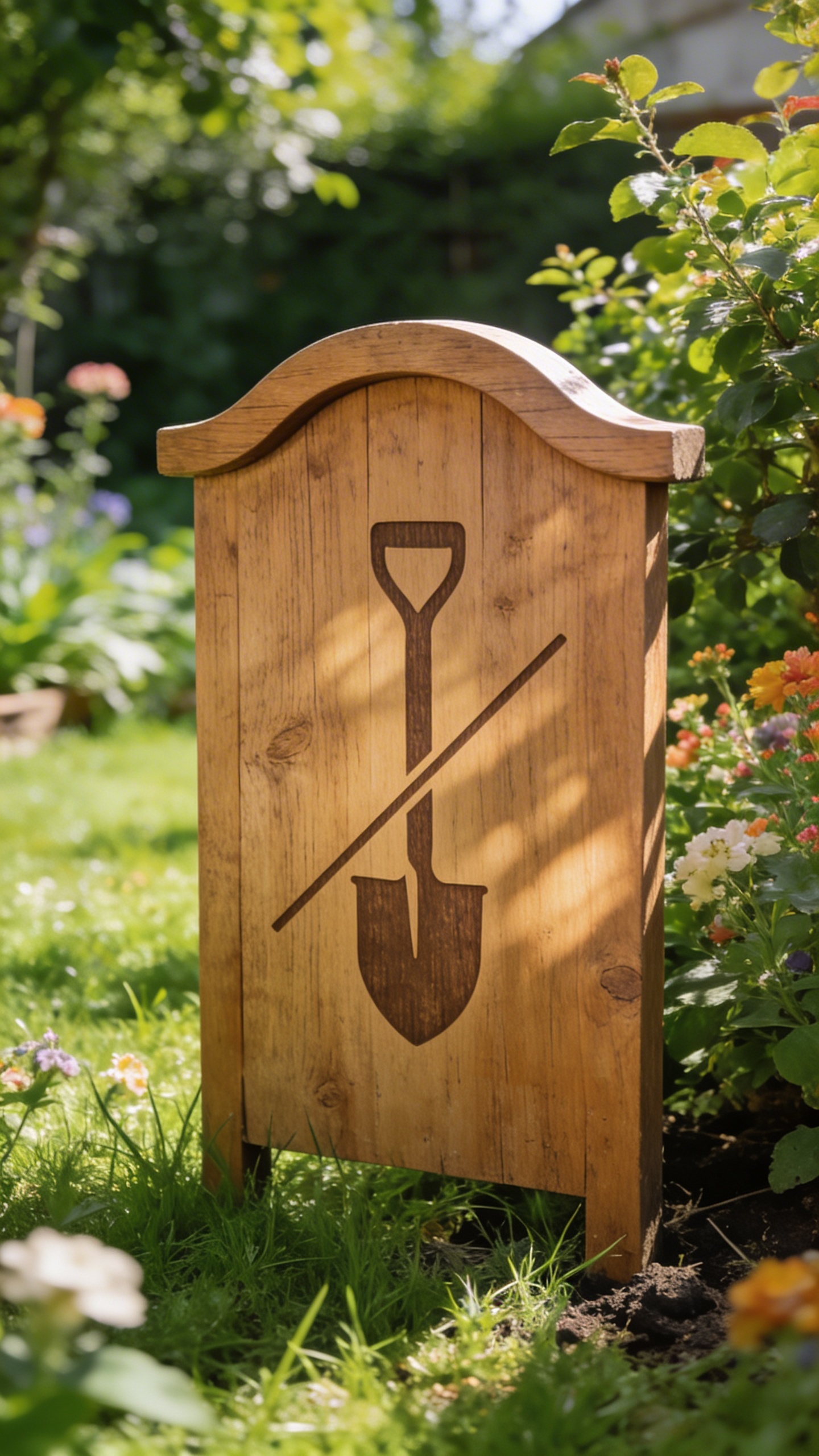
– Create a no-dig zone: a physical barrier near the hotspot to interrupt the habit. – Supervise and redirect: spend 10-15 minutes daily in the area with engaging toys or activities. – Water and shade: sometimes a dog digs to reach cooler soil. A shade spot and a water station reduce the incentive to escape to a diggy oasis. – Clean up distractions: remove toys or treats that lure digging and replace with puzzle feeders elsewhere.
Quick barrier ideas that actually work
– Deterrent netting or chicken wire just beneath the soil surface can deter digging without harming the lawn. – Consider laying down hardware cloth a few inches deep and folding it back up after you fix a problem area. – Use a decorative rock border or planting bed to frame the area you want to spare. The dog sees “no go” and moves on.
Active redirection that fits your schedule
– Schedule 10-minute play sessions in the yard, using a ball or tug toy. The goal is to tire the dog out enough that digging becomes a secondary priority. – Introduce scent-based games elsewhere: hide treats in a muffin tin with tennis balls on top, or scatter toys in a different zone. – Rotate enrichment throughout the day. Bored dogs are digging dogs.
Targeted fixes: tailor-made plans for your yard and your dog
– Not all dogs are the same, so customize your approach based on breed tendencies, age, and energy level. – For a rambunctious retriever, you’ll want more structured play and stronger boundary cues. – For a terrier who loves to “hunt” scents, focus on scent games and a robust digging deterrent until the habit fades.
Zone-by-zone assessment
– Identify the hotspot: where does the digging happen most often? Is it near a fence, a tree, or a water feature? – Examine ground conditions: is the soil loose or compact? Poor drainage can tempt a dog to dig for cooling purposes. – Check for escape routes: holes under fences or gaps in the gate let dogs explore off-limits areas, encouraging digging near the boundary.
Groundwork improvements
– Improve soil texture with a mix of topsoil and mulch to reduce the appeal of digging in compacted dirt. – Create a digging alternative: designate a designated digging sandbox filled with soft sand or loose soil. Reward the dog for using it. – Maintain lawn health: a healthy, well-watered lawn is less prone to big, enthusiastic dig sessions.
Enrichment that replaces digging with joy
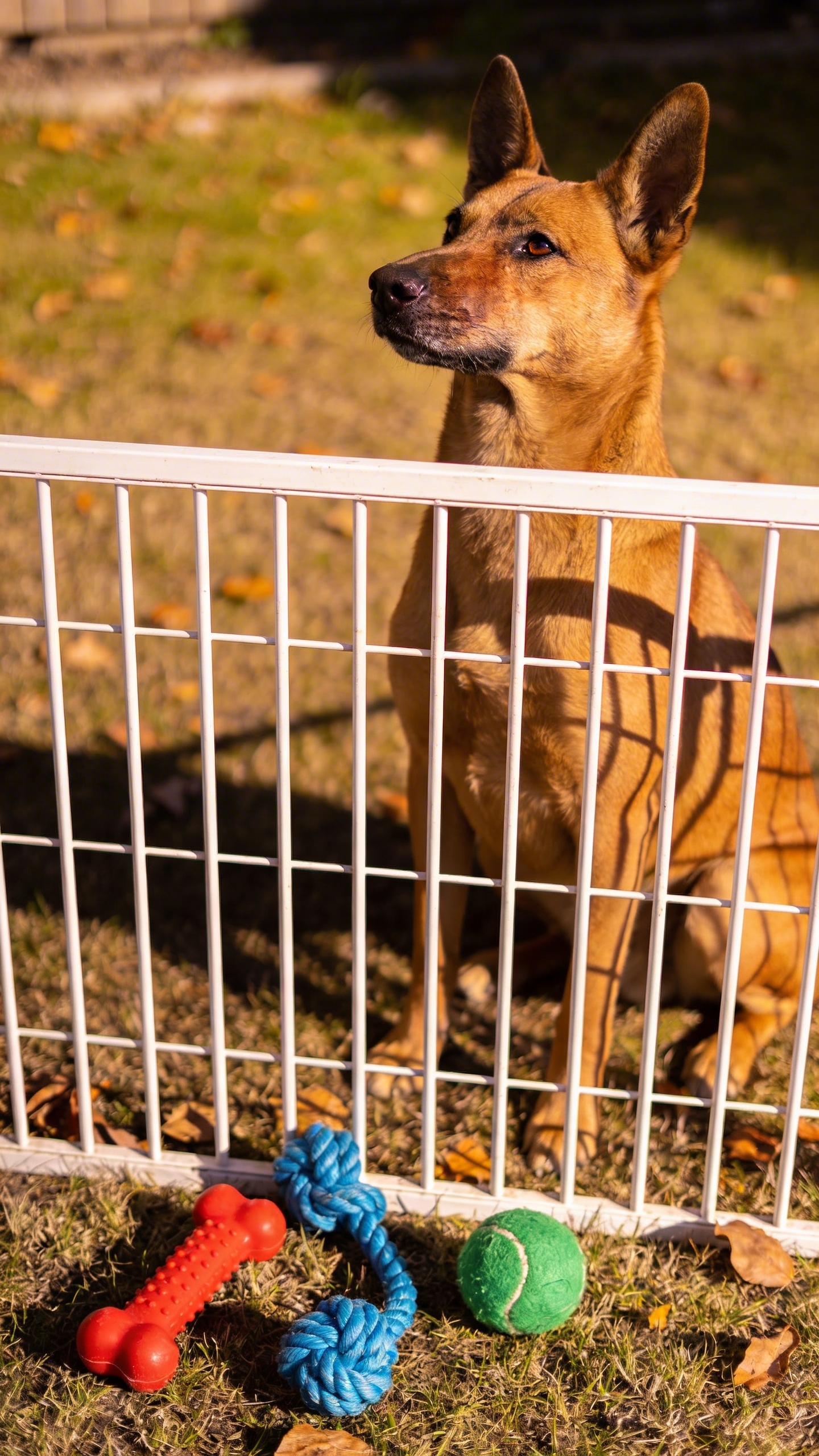
– Enrichment isn’t just buzzwords. It reshapes behavior by offering mental and physical outlets. – Rotate toys, puzzle feeders, and scent games to keep the dog engaged without resorting to holes.
Interactive toys that stand up to dig-happy dogs
– Treat-dispensing toys that require problem-solving to release kibble. – Durable chew toys that occupy the jaw and mind for longer periods. – Tug toys for quick bursts of energy during yard breaks.
Structured digging alternatives
– A dedicated digging pit in a corner of the yard works wonders. Line a shallow sandbox with sand or loose soil and reward your dog for digging there. – Hide toys in the digging pit to teach the dog where the fun stays. – If you can’t spare a sandbox, a container filled with sand in a shaded spot can satisfy the instinct without wrecking the rest of the yard.
Training tweaks: consistency beats chaos
– Consistency is the secret sauce. Everyone in the household should enforce the same rules in the yard. – Use clear cues: “dig” for the sandbox, “leave it” for the rest of the yard. – Positive reinforcement wins: reward calm behavior near the hole, not just when the dog stops digging.
Simple training steps to get started
– Step 1: Sit and stay near the no-dig zone. Give a treat when the dog looks away from the hole. – Step 2: If the dog digs, interrupt with a clap or a quick, non-scary cue, then redirect to the sandbox or a toy. – Step 3: Return to the dog’s playtime with high-energy games to reinforce that good things happen when they ignore the hole.
Leash time strategy
– When you’re outside, keep a short leash handy in case you need to guide your pup away from the hotspot. – Use the leash for the first week or two during peak digging hours, then gradually loosen as behavior improves.
Seasonal and climate considerations
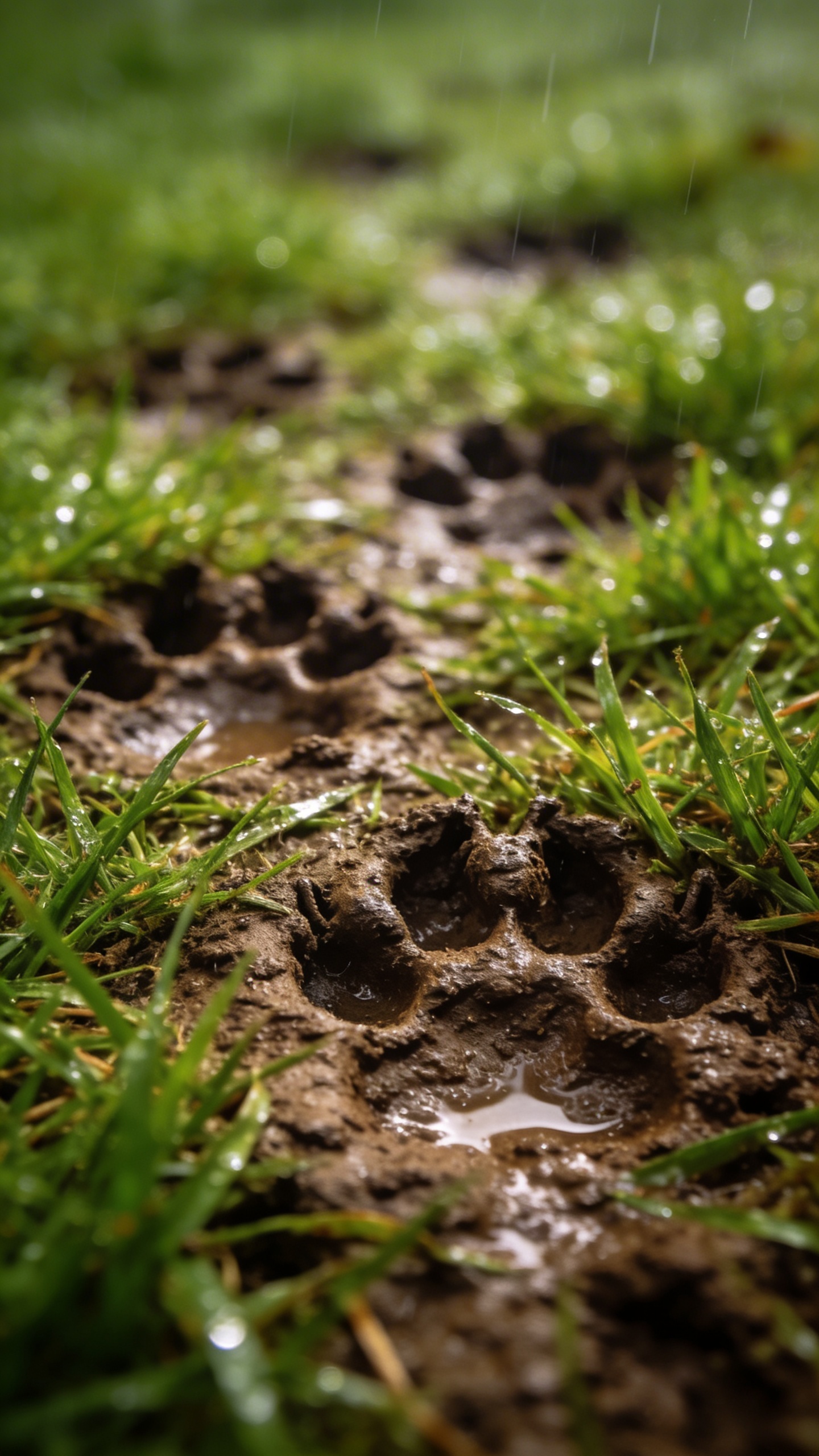
– Summer heat can drive dogs to dig for shade or cooler soil. Mulch or shaded zones help. – Winter soil can be compact and hard—digging becomes an effort to reach softer, warmer ground. Consider a digging pit that’s insulated or protected by a cover.
Watering and lawn care tips
– Deep, infrequent watering keeps the soil moist without encouraging constant digging. – Aerate the lawn to reduce that sense of “loose soil = treasure.” – Reseed bare patches after you’ve gained control to prevent relapse.
When to call in help (and when you should DIY)
– DIY is great for many cases, especially mild digging habits. – If the digging is due to anxiety, trauma, or severe behavioral issues, consult a professional trainer or veterinary behaviorist. – Chronic digging near fences or gates might require structural adjustments or a professional assessment to rule out medical issues.
Putting it all together: a practical, fast-action plan
– Step 1: Identify the hotspot and the motive (boredom, cooling, scent, anxiety). – Step 2: Install a barrier and create a dedicated digging zone. – Step 3: Enrich the yard with toys, scent games, and scheduled play. – Step 4: Implement a simple training routine with consistent cues. – Step 5: Monitor, adjust, and celebrate small wins.
Fast-action checklist
– [ ] Block the hotspot with barrier or deep deterrent. – [ ] Set up a digging sandbox and reward use. – [ ] Add 15 minutes of daily interactive play. – [ ] Introduce scent games in a separate area. – [ ] Establish a consistent cue system with rewards. – [ ] Re-evaluate every week and tweak.
FAQ
Why does my dog suddenly start digging in the yard?
Your dog might be bored, seeking a cooler spot, or reacting to stress or anxiety. Look for patterns: time of day, temperature, or changes in routine. Address the root cause with enrichment, shade, and consistent boundaries. FYI, a routine helps reduce anxiety-driven digging.
Is a digging sandbox really a good idea?
Yes. A sandbox gives your dog an acceptable outlet for digging without ruining the rest of the yard. Make it inviting with soft sand, bury a few treats, and reward the dog when it uses the sandbox. It’s a win-win for everyone, especially the lawn.
What if my dog continues to dig despite my efforts?
Check your consistency and the environment. Are you supervising enough? Is there an escape route you haven’t closed? If the behavior persists, consider a veterinary check for anxiety or a behaviorist consult. Sometimes we underestimate how strong digging impulses can be.
How long does it take to see real results?
Most dogs show noticeable improvements within a few weeks with a combined approach of barriers, enrichment, and training. If you’re facing a stubborn digger, give it a couple of months of consistent effort before reassessing the plan.
Can I still use chemical deterrents around the yard?
Moderation is key. Some dogs are sensitive to smells or tastes. If you use deterrent sprays, test on a small patch first and watch for skin irritation or avoidance issues. Always prioritize your dog’s safety and prefer humane, non-harmful methods.
Conclusion
If you’ve got a dog who thinks your yard is a digging gym, you’re not out of luck. With a mix of barriers, enrichment, and consistent training, you can turn the yard into a space where your pup plays, explores, and stays out of trouble. The trick is to redirect, reward, and make the off-limits zones less appealing than the sandbox or your favorite toy. IMO, progress comes in small wins, so celebrate the days your dog chooses to sniff the border instead of the hole. You’ve got this—and your lawn will thank you, one green blade at a time.