Australia’s dogs aren’t just cute fluff machines. They’re like that friend who’s equal parts genius, chaos, and “I might actually outsmart your toaster.” If you’ve ever shared a couch with an Australian Shepherd or watched one zoom around your yard like a furry tornado, you know what I mean. Here are 15 things most owners learn too late about these bright, energetic herders.
1. They’re born with a plan for your life
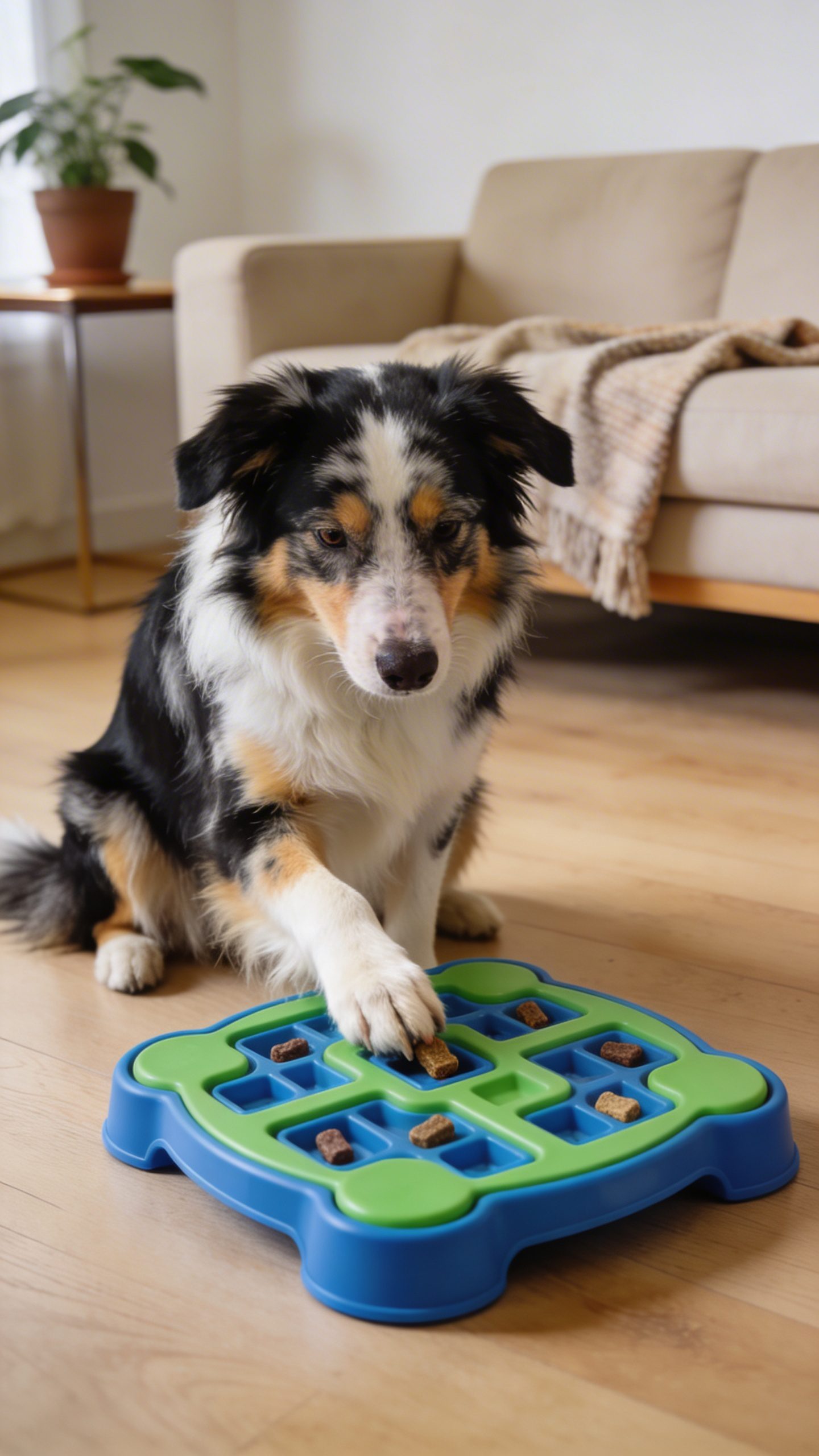
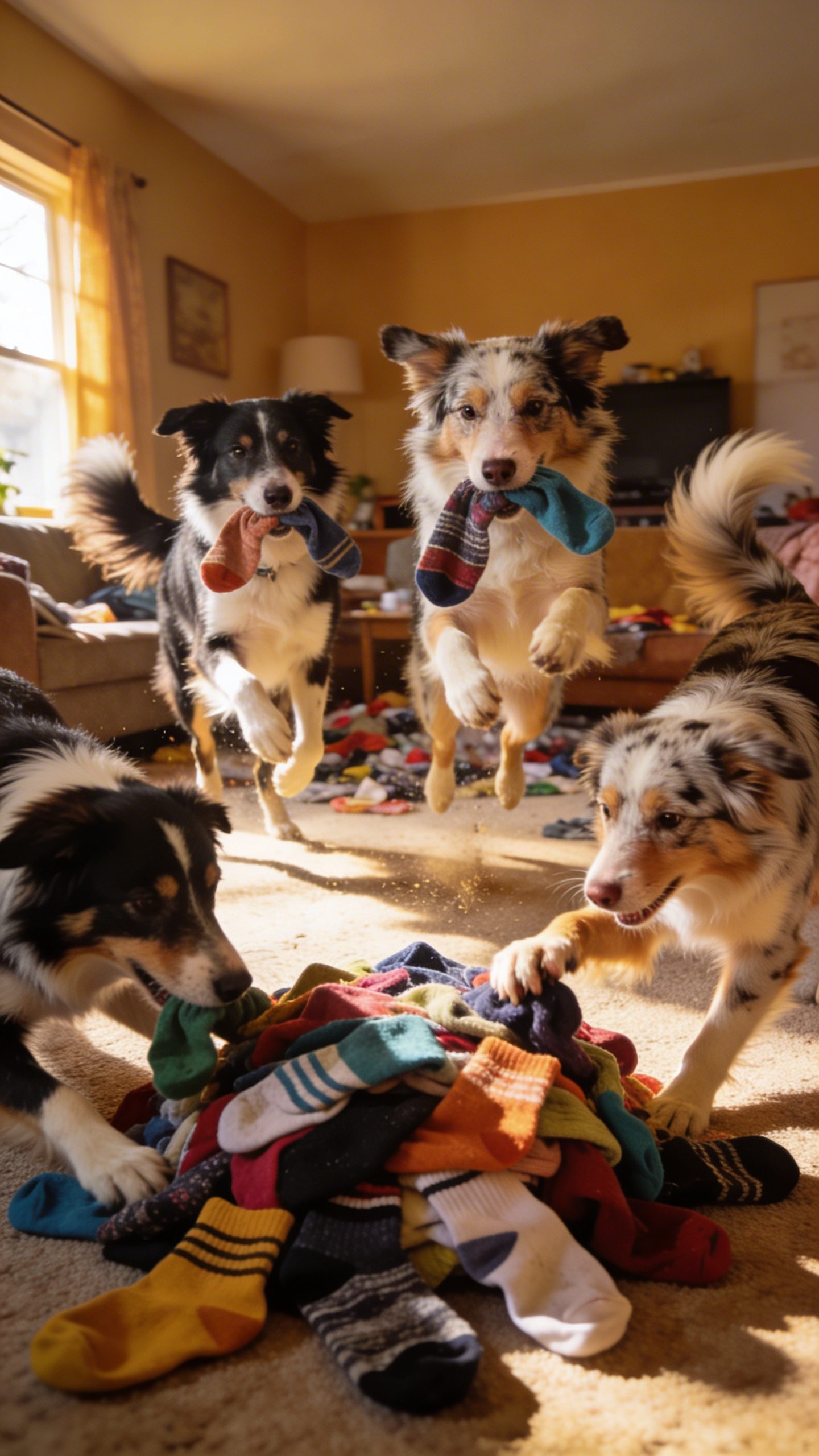
From the moment you bring an Aussie home, they start plotting. Okay, maybe not plotting, but they sure act like it. Aussies crave direction, purpose, and a job. Without one, they’ll create their own tasks—sometimes by rearranging your living room or herd your socks into a neat pile. If you’re not ready to offer mental stimulation, you’ll be the one getting schooled in “temper tantrum training.” Tip: set up a daily routine with structured activities. Puzzle feeders, training sessions, and brisk outdoor time keep that brilliant brain busy.
2. Exercise isn’t optional—it’s non-negotiable
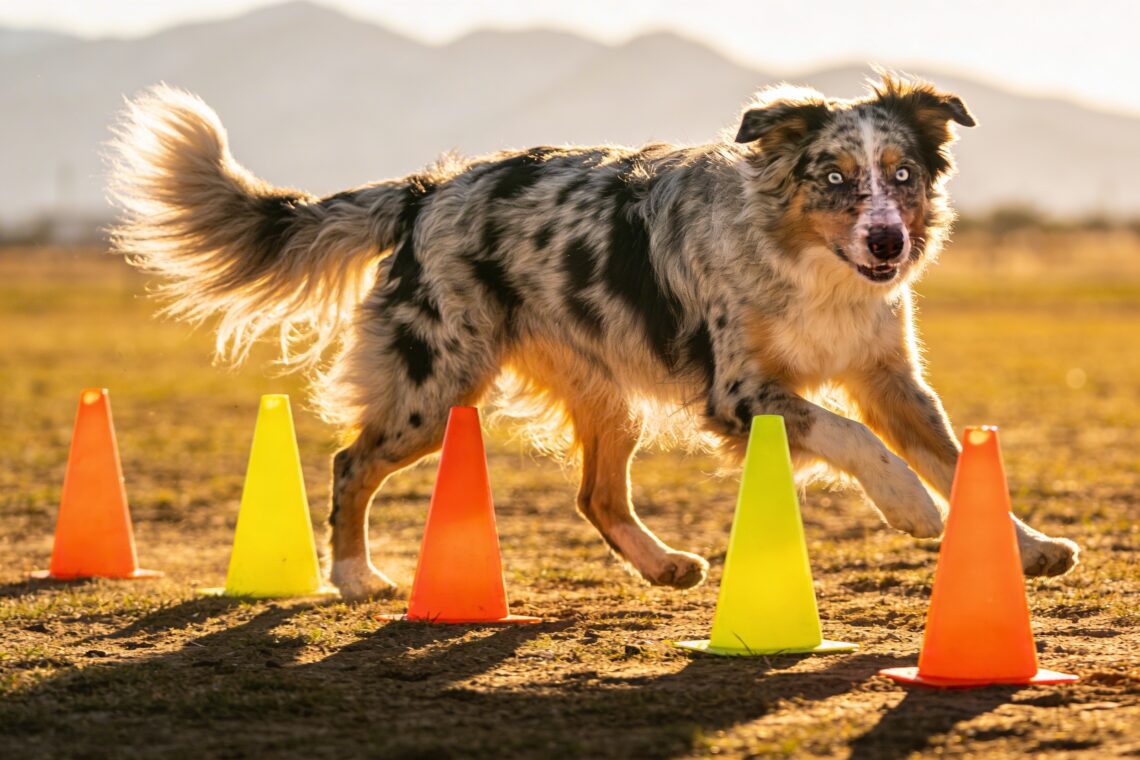
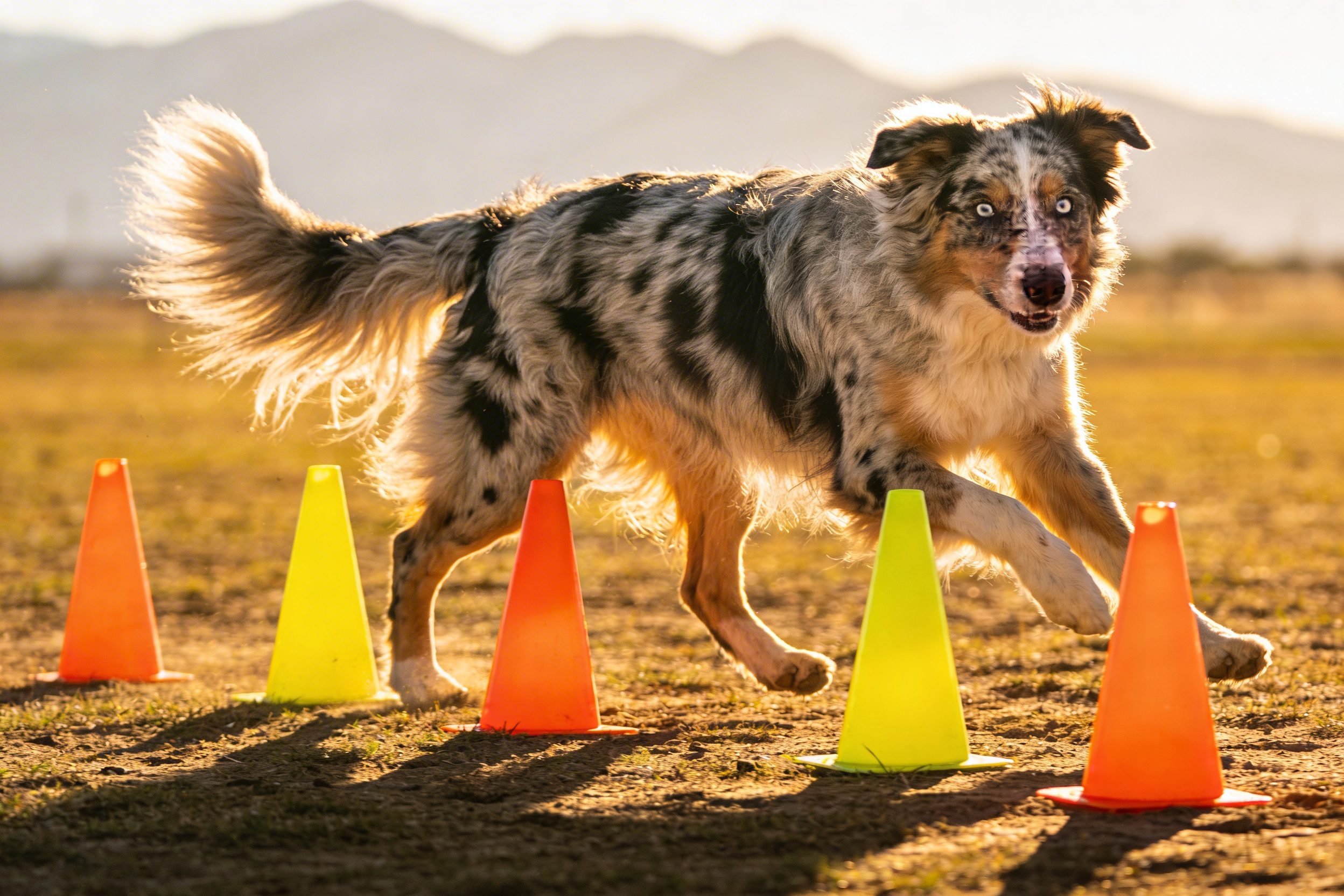
Look, you can’t out-walk an Aussie with a couch potato attitude. They’re high-energy dogs that thrive on consistent physical activity. Without it, you’ll witness the famous Aussie zoomies, plus a few “creative” ways to get your attention.
- At least 60–90 minutes of combined cardio and mind games per day
- Variety helps: hiking, agility, fetch, nose work
- Two training sessions daily keep obedience sharp
FYI: if you don’t have time for daily workouts, consider enrolling them in agility classes or dog sports. They’ll thank you with better behavior and fewer destroyed slippers.
3. They’re incredibly smart—sometimes too smart for their own good
Aussies learn fast and remember everything. They can outsmart you in a heartbeat, whether it’s figuring out how to escape the yard or figuring out where you hid the treat jar. They’re also excellent at reading your emotions and using them to their advantage. Cute? Yes. Frustrating? Also yes.
3a. Training hacks for genius minds
– Short, consistent sessions work best. Think 10–15 minutes, several times a day. – Use clicker training to mark exact moments of correct behavior. – Mix up rewards—meals, play, praise—to keep motivation high. – End sessions on a success to avoid burnout. Pro move: start training new tricks while the dog is still a little tired. The brain is primed for learning after a brisk workout.
4. They’re scent detectives and weather ninjas
Aussies love sniffing. They’ll check every corner of the house and yard for interesting smells—and yes, that includes your laundry hamper. They also have a trickster streak when it comes to weather. Light rain? No problem. Snow? Double problem. They’ll be out there, tails high, ready to “supervise” every outdoor exploration.
- Good nose work keeps them mentally satisfied
- Weatherproof playtime means inside options when storms roll in
- Secure fencing and supervision prevent yard-based mischief
If you’re into puzzle toys, invest in ones that require problem-solving to access treats. It’s like a brain gym with tasty rewards.
5. Coat care isn’t a joke—get ready to groom
Australian Shepherds have a double coat that sheds, well, a lot. Regular brushing is non-negotiable if you want to keep your house from turning into a fur museum. Expect seasonal molts where you’ll discover fur in places you didn’t know existed.
5a. Grooming essentials
– Brush at least 2–3 times a week; daily during heavy shedding. – Bathe only as needed to avoid stripping natural oils. – Check ears weekly and trim nails as needed. – Brush your dog’s teeth for overall health. Grooming is bonding time, so turn it into a mini spa moment and you both win.
6. They love being part of the family team
Aussies aren’t “just dogs.” They want to be involved with everything you do. Netflix night? They’ll lie next to you, eyes glued to the TV. Grocery run? They’ll supervise (read: demand to sniff every cart). They thrive when they’re treated as family members with a clear role. Reality check: include them in daily routines, teach them family-friendly manners, and never forget they’re a work-in-progress, not a decorative throw pillow.
7. Social butterflies who need proper introductions
Aussies can be friendly with other dogs and people, but they’re not guaranteed to be calm around everyone. Proper socialization in puppyhood and ongoing exposure to different environments prevents overreactive behaviors.
7a. How to socialize without turning into a parade grounds
– Start early with controlled introductions to new dogs and humans. – Use positive reinforcement for calm, friendly behavior. – Expose them to busy places gradually—parks, markets, buses—while keeping a leash on and a plan. If you notice fear or aggression, consult a behaviorist. FYI, you’re not failing if you need help—you’re being proactive.
8. They’re masters of “shepherd drama”
Aussies love to herd, and they’ll herd anything that moves—kids, cats, or your neighbor’s lawn gnome. They do it playfully, but it means you need boundaries and consistent training to keep everyone safe and happy.
8a. Boundaries that save your furniture
– Teach “settle” or “place” commands to corral their energy. – Use barriers or baby gates to create safe zones. – Redirect herding instincts with structured commands and tasks. In short, channel the instinct, don’t fight it.
9. They can be drama queens when bored
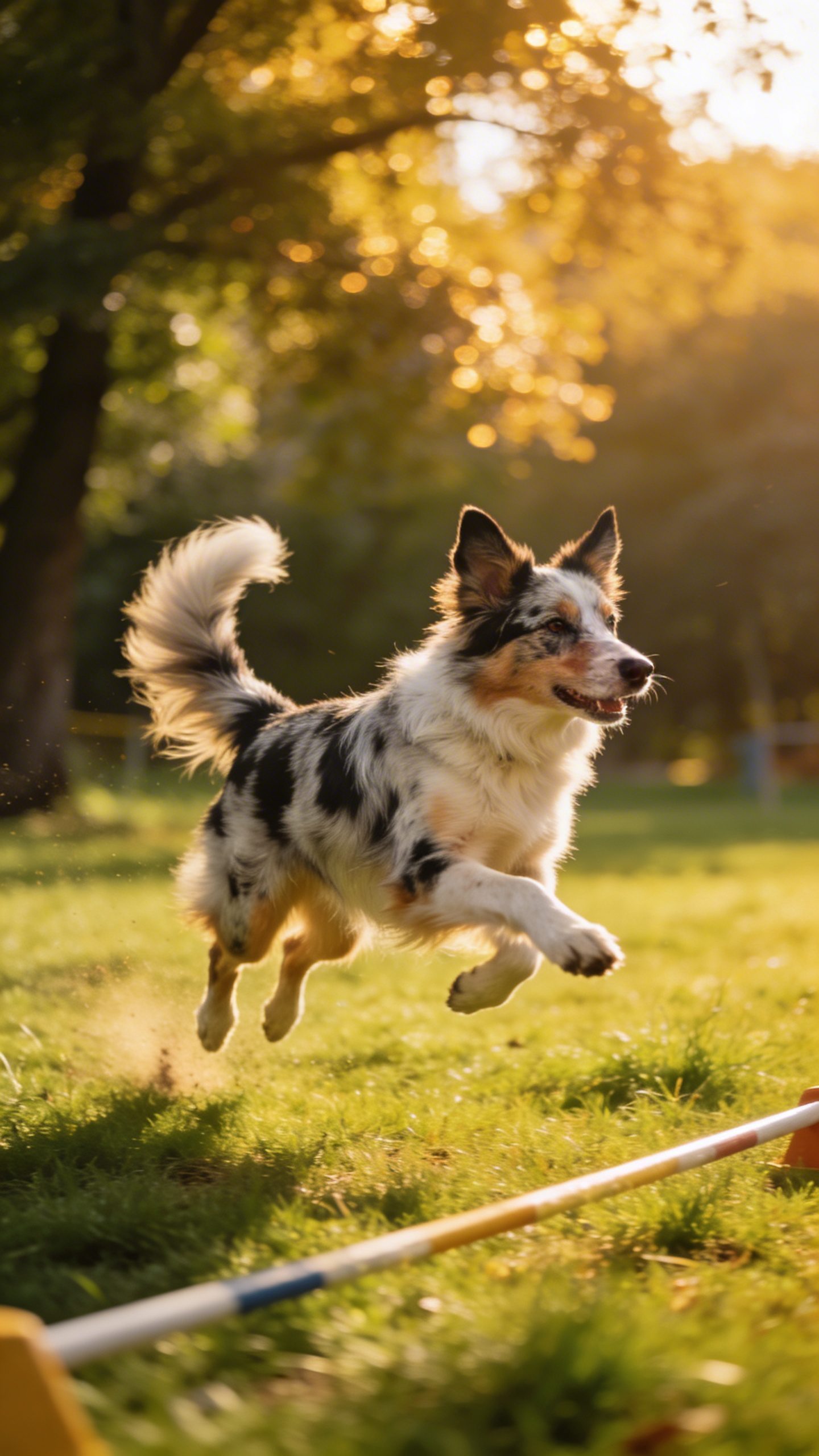
If you ever wanted a canine pop star with a melodramatic flair, look no further. Aussie boredom = big personality. You’ll hear sighs, sighs, and maybe a dramatic flop onto the sofa. Keep them engaged, or you’ll be living with Michelin-star drama.
10. Health isn’t glamorous, but it’s essential
Australian Shepherds are generally healthy, but they’re not invincible. Common concerns include hip dysplasia, elbow issues, epilepsy, and various eye conditions. Regular vet checkups, a good diet, and weight management pay off in the long run. Smart shopper tip: ask your vet about supplements (if any) and stick to a diet that matches your dog’s activity level. Remember, quality food = better energy and coat.
11. Training pays off—forever
Good news for the ambitious owners: Aussies often excel in advanced training. They soak up obedience, agility, rally, and even frisbee. The more you train now, the smoother life is later.
11a. A simple starter training plan
– 2 short training sessions daily (10–15 minutes each) – Include basic commands: sit, stay, come, down, leave it – Add a fun trick every week to keep things interesting – End on a high note with a favorite treat or game Consistency beats intensity. Your future self will thank you.
12. They’re surprisingly people-oriented
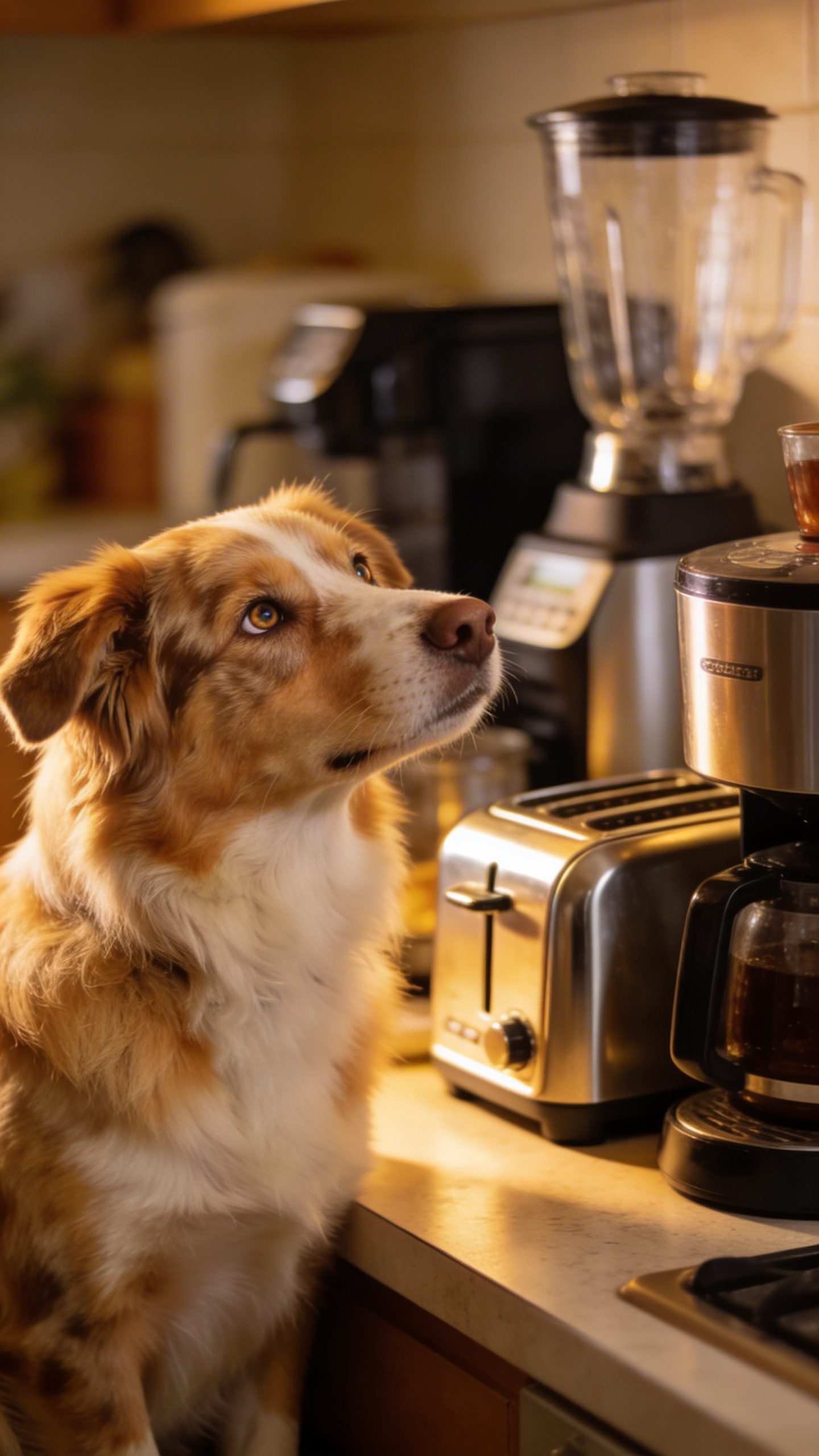
Aussies aren’t aloof. They crave human interaction almost as much as they crave a good game. They’ll follow you from room to room, eager to be part of the action. If you’re after a low-key lap dog, this isn’t your breed—but if you want a loyal sidekick, this is your jam.
13. The name fits for a reason
“Australian Shepherd” isn’t just a cool export label; it hints at the dog’s big, SAAS-like brain power. They’re versatile, adaptable, and sharp as a tack. If you love a canine with personality and purpose, you’ve found your match.
14. They age gracefully—but still demand play
Like us, Aussies slow down a bit with age, but they don’t retire from life entirely. Senior Aussies still benefit from mental stimulation and gentle exercise. It’s not about pushing hard; it’s about staying engaged and keeping joints happy.
15. You’ll never be bored with one around
If you’re hoping for a quiet, predictable dog, this might not be your breed. Australian Shepherds thrive on interaction, challenge, and a little chaos—in the most charming way possible. They’re the kind of dog that makes you say, “I didn’t know I needed that much energy in my life until now.”
FAQ
Q: Are Australian Shepherds good family dogs?
Yes, they’re excellent with families when properly socialized and exercised. They’re loyal and form strong bonds with all family members, but they’ll need supervision around small children and ongoing training to keep behavior in check.
Q: How much exercise does an Aussie need daily?
Around 60–90 minutes of activity plus mental stimulation is ideal. If you’re short on time, split it into two sessions—one in the morning and one in the afternoon—so their brain and body stay balanced.
Q: Do Aussies shed a lot?
They do. Regular brushing helps manage shedding and keeps their coat healthy. Be prepared for seasonal molts where you’ll see a lot of fur around the house.
Q: Are Aussie dogs easy to train?
Generally yes, due to their intelligence and eagerness to please. Short, consistent training sessions with plenty of rewards work best. If you hit a wall, consider a professional trainer or a dog sport class to keep things fresh.
Q: What’s the biggest challenge with an Aussie?
Energy management. Without sufficient physical and mental exercise, they’ll create their own fun—at your expense. With a solid routine, they’re a joy to live with.
Conclusion
Australian Shepherds are a whirlwind of brains, energy, and heart. They’ll demand your attention, your time, and a steady supply of puzzle toys, but they’ll also give you loyalty, laughs, and more “aww” moments than you can count. If you’re ready to commit to daily workouts, mental challenges, and a dash of goofy drama, you’ll end up with a best friend who truly earns the title “companion for life.” FYI, the payoff is huge—these dogs become family in the best possible, fur-coated way.