

If you’ve ever watched a pup chase a squirrel only to sneeze out a bark, you know dogs and parasites have a complicated love-hate relationship. Dealing with worms doesn’t have to be scary or boring, though. There are natural, safe remedies that many owners swear by when used responsibly. Let’s cut to the chase and cover seven solid options you can discuss with your vet.
1) The basics: why natural dewormers sometimes work
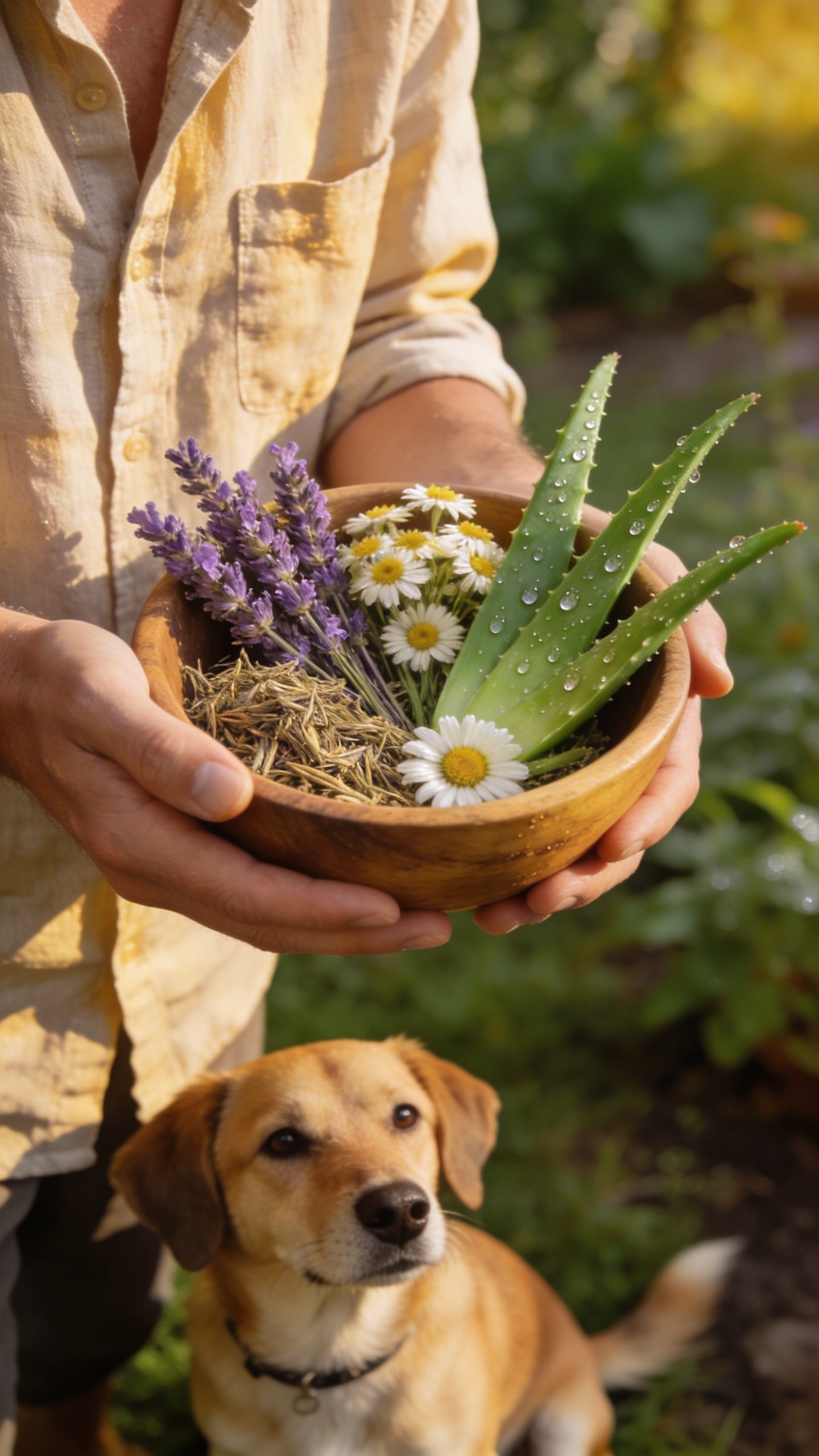
Before you deep-dive, quick reality check: not all worms are the same, and not all natural remedies suit every dog. Some parasites require veterinary-grade meds to actually clear the infection. Natural approaches shine as preventive measures or complementary strategies, not guaranteed cures. FYI, a fecal test is your best friend here. – They help support overall gut health, which can reduce worm-friendly conditions. – They’re often gentler on the stomach. – They can be part of a broader wellness plan, not a standalone magic bullet. Ask your vet to help you map out a plan that fits your dog’s age, size, and risk.
2) Garlic, pumpkin, and the great balance act
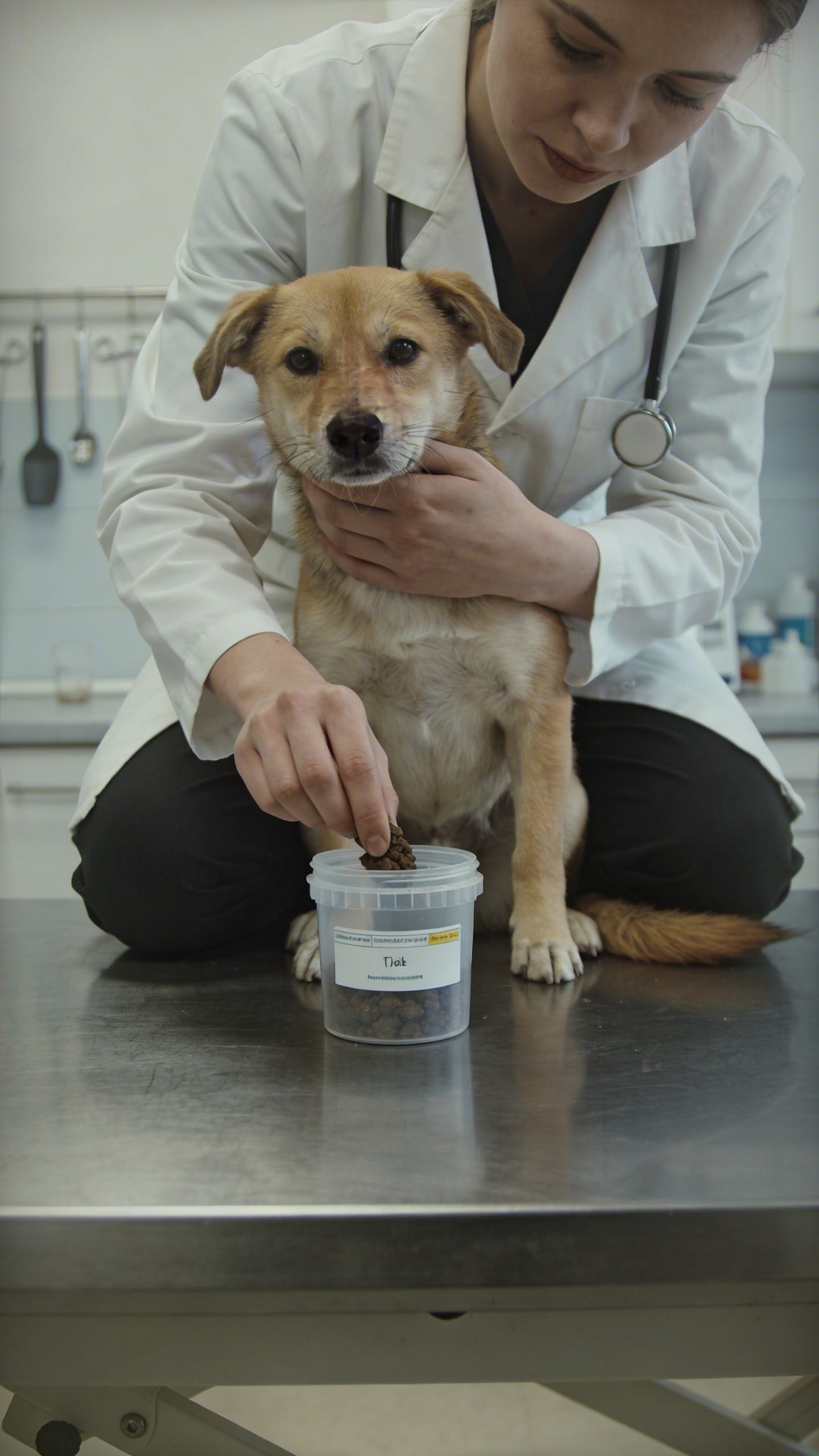
High-visibility tip: not all “natural” stuff is safe in dogs. Garlic, for example, can be risky in large amounts. Some owners swear by pumpkin puree for digestion and gut motility, but the connection to deworming is not a silver bullet. So what’s the takeaway? – Pumpkin puree: plain, unsweetened pumpkin (not pie mix) can support digestion and fiber intake. It’s a nice daily addition in small amounts for many dogs. – Garlic and onions: avoid large doses—these can harm red blood cells. If you’re curious about very tiny, infrequent amounts, talk to your vet first. – Safe testing ground: start with small, consistent servings and monitor for stomach upset or changes in appetite. If you want a simple plan, chat with your vet about a dietary bridge that supports gut health without tipping into danger land.
Subsection: fiber-rich foods to consider
– Plain psyllium husk in tiny amounts can help with stool consistency. – Gentle fiber sources help keep the intestinal tract moving, which can discourage parasite establishment. – Always pair fiber changes with fresh water and vet guidance.
3) Leaves, seeds, and plants that have a long history

Some people reach for herbal options to support intestinal health and overall vitality. Here’s what’s commonly talked about, with a cautious eye on safety. – Papaya seeds: many owners claim papaya seeds help with digestion and may support parasite control. Don’t overdo it—seeds can be tough on the stomach. – Neem and wormwood: these get tossed around in forums, but they’re not a slam dunk for every dog. Potential toxicity means you really want veterinary supervision. – Chamomile and peppermint: soothing for tummy upset, these aren’t dewormers per se, but they can help with symptoms if worms are causing nausea. Takeaway: herbs can help with symptoms and gut balance, but they aren’t reliable dewormers. Always run anything herbal by your vet, especially if your pup is on meds or has chronic conditions.
Subsection: forms and dosing caution
– Powdered herbs, tinctures, and capsules each have different dosing rules. – Allergies and interactions can pop up even with natural products. – Start with tiny amounts and watch for adverse reactions.
4) The power of beneficial microbes: probiotics and gut health
A healthy gut can make a big dent in worm-related issues. Probiotics don’t kill worms directly, but they support a balanced microbiome that helps your dog’s immune system function like a well-oiled machine. – Choose formulations labeled for dogs, with multiple strains and adequate CFUs. – Start gradually to avoid GI upset and give the gut time to adapt. – Pair with a high-quality diet and plenty of fresh water. Optional but helpful: prebiotics (like inulin or certain fibers) feed those good bacteria, helping them do their job better. IMO, a strong microbiome is a quiet hero in any parasite management plan.
Subsection: when to start probiotics
– If your dog recently finished a round of antibiotics, probiotics are especially helpful. – Puppies and senior dogs often benefit more from gut-supportive routines. – Always check with your vet if your dog has immune issues or chronic illness.
5) Regular hygiene and environmental control: the boring-but-crucial stuff
Parasites don’t just hitch rides in from the yard; they can sneak in from litter boxes, shared toys, and even your shoes. A practical approach helps keep worm load down. – Pick up stool promptly in your yard and during walks. – Regularly wash bowls, beds, and toys that dogs chew on. – Maintain a clean living environment and avoid exposing your dog to potentially contaminated areas. – Deworming exposure: in some climates, seasonal deworming or vet-recommended schedules make sense. Question for you: do you know what your yard looks like in the early morning light? Tiny worm eggs are often invisible, but cleanliness makes a real difference.
Subsection: outdoor management tips
– Rotate play areas if you have a large yard to reduce concentrated worm exposure. – Keep your dog off areas where wildlife defecates—these spots are prime parasite hubs. – Consider a covered sandbox if you have a puppy or digger in the family.
6) When prescription dewormers are the right move
Natural remedies are great for prevention and supportive care, but some infections require medication. Don’t skip a vet visit if your dog shows signs of trouble. – Common symptoms: persistent diarrhea, vomiting, “scooting,” weight loss, or a bloated belly. – Tests: a fecal exam or GI workup helps pinpoint the parasite type. – Treatment: some worms respond best to targeted prescription meds, sometimes combined with supportive care like probiotics. IMHO, relying solely on DIY methods for heavy infestations is a bad idea. If your vet recommends meds, follow through and keep monitoring.
Subsection: communication tips with your vet
– Share all the remedies you’ve tried, including supplements and herbs. – Ask about timing: some meds are more effective when paired with food, others on an empty stomach. – Discuss follow-up testing to confirm clearance after treatment.
7) Putting it all together: a practical, safe plan you can actually use
Now for the real talk: how do you combine natural remedies with veterinary care into a sane plan? – Start with a vet-approved baseline: a fecal test, a treatment plan, and a schedule. – Add gut-supportive moves: probiotics, fiber, and a balanced diet. – Maintain good hygiene and environmental control to minimize reinfection. – Use natural strategies to support wellness, not as a substitute for vet-prescribed dewormers when they’re needed. Ask yourself: what does a typical week look like for your dog, and where could some small, steady changes fit in? IMO, consistency beats big, dramatic swings.
Subsection: a sample week plan
– Monday: probiotic yogurt or a vet-approved supplement with a small portion of pumpkin. – Wednesday: fiber-friendly snack and a quick hygiene check around the yard. – Friday: gentle walk in a clean area, with a quick stool check you do yourself. – Weekend: review any symptoms with your vet and adjust as needed.
FAQ
Are natural dewormers safe for all dogs?
Most natural approaches are safe when used correctly, but no two dogs are the same. Some dogs have allergies, medications, or chronic conditions that change what’s safe. Always run new remedies by your veterinarian, especially if your dog is pregnant, very young, or elderly.
Can I rely on home remedies to treat a worm infection?
Home remedies can support gut health and reduce reinfection risk, but they aren’t a guaranteed cure for active infections. If you suspect worms, a veterinary fecal test and a targeted treatment plan are your best bets.
How often should I deworm my dog?
That depends on risk factors like age, exposure, and climate. Many dogs get routine checks and targeted deworming on a schedule advised by a vet. Don’t flex your schedule based on internet rumors alone.
What signs indicate I should see a vet ASAP?
Watch for vomiting, diarrhea with blood, persistent weight loss, a swollen abdomen, or lethargy. If you notice any of these, call the vet sooner rather than later.
Is yogurt or probiotics enough to prevent worms?
Probiotics support a healthy gut, but they don’t prevent the presence of worms by themselves. Use them as part of a broader prevention plan guided by your vet.
Conclusion
Worms are annoying, but you don’t have to panic or rely on guesswork. A practical blend of vet-guided medicine, gut-supporting strategies, and good hygiene can keep your dog comfortable and parasite-free. FYI, consistency beats heroic efforts. If you approach deworming like a small, steady team effort, you’ll see better results with less stress for you and your pup. And hey, a healthy gut plus regular vet check-ins means fewer trips to the emergency room—which is a win for everyone, including your furniture.