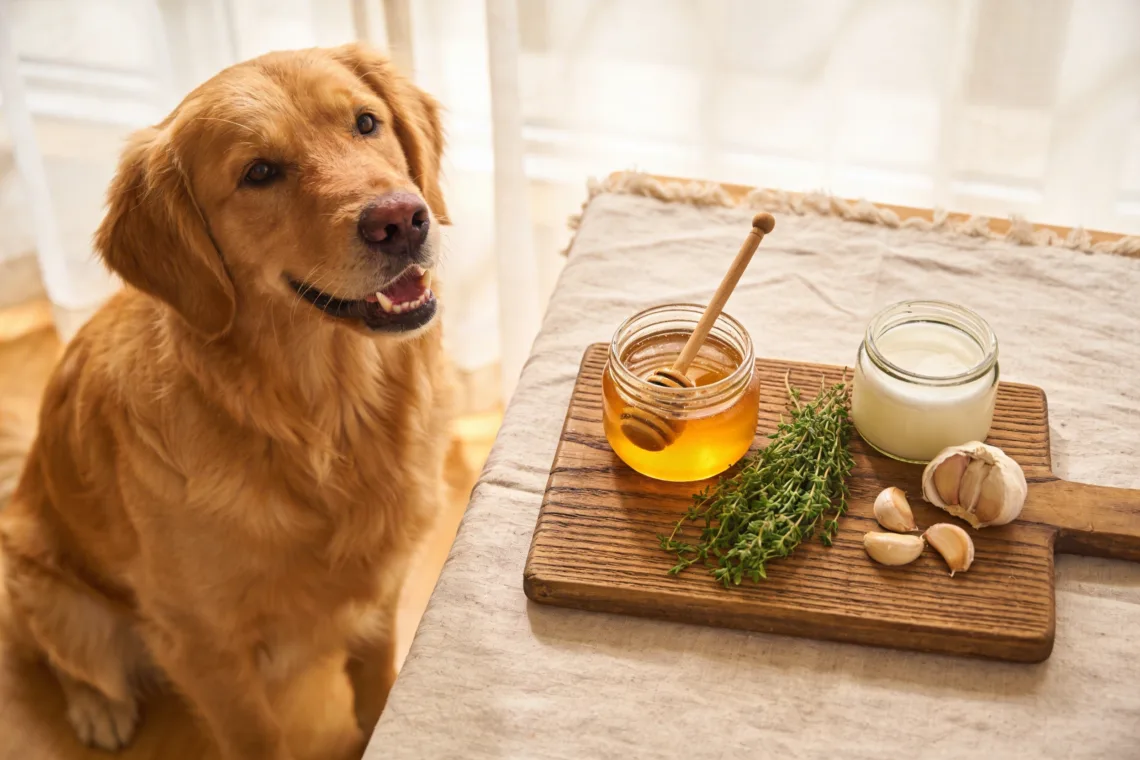
Your dog’s scratching at that hotspot again, giving you those pitiful eyes, and you’re wondering if there’s something in your kitchen right now that could help. Good news: there probably is, and you don’t need to spend a fortune at the vet for every minor infection or inflammation.
Why Natural Antibiotics Actually Make Sense for Dogs
Look, I’m not telling you to skip the vet when your pup has a serious infection. But here’s the thing: minor skin irritations, small cuts, and early-stage infections often respond incredibly well to natural remedies you already have at home.
Conventional antibiotics can mess with your dog’s gut bacteria, leading to digestive issues that create a whole new set of problems. Plus, antibiotic resistance is a real concern. Natural alternatives work with your dog’s immune system instead of bulldozing through everything in sight.
The best part? Many of these remedies work surprisingly fast, sometimes showing improvement within 24-48 hours. Let me walk you through the ones I’ve seen work time and time again.
Raw Honey: Nature’s Sticky Wonder Drug
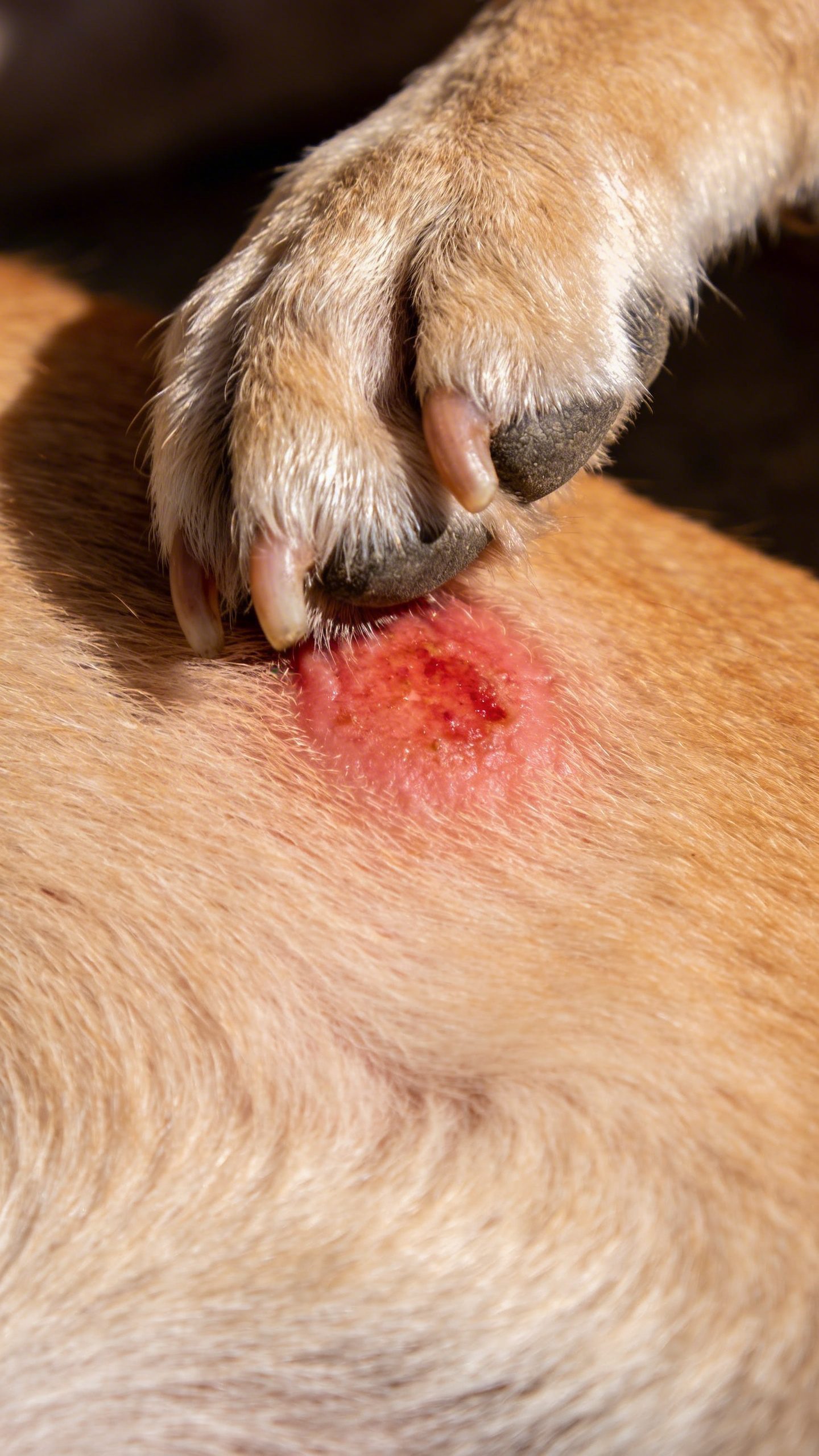
You’ve probably heard about honey’s antibacterial properties for humans, but it’s equally amazing for dogs. Raw, unpasteurized honey contains hydrogen peroxide, enzymes, and compounds that actively fight bacteria. Manuka honey specifically packs an even bigger punch.
For external wounds, clean the area gently and apply a thin layer of raw honey directly to the spot. Cover it with a light bandage if possible (good luck with that if your dog’s a licker). For internal use, you can add about half a teaspoon per 20 pounds of body weight to their food once daily.
One warning though: never give honey to puppies under one year old. Their immune systems aren’t developed enough to handle the trace amounts of botulism spores that can be present in raw honey.
Colloidal Silver: The Controversial Powerhouse
Okay, so colloidal silver gets a bad rap in some circles, but hear me out. When used properly and temporarily, it’s remarkably effective against bacterial, viral, and fungal infections in dogs.
How to Use It Safely
The key word here is moderation. Don’t go crazy with this stuff. For minor infections, spray or dab colloidal silver directly on affected skin areas 2-3 times daily. For internal use, add 5-10 drops per 10 pounds of body weight to their water bowl once daily, but only for 7-10 days maximum.
I’ve seen colloidal silver clear up stubborn ear infections and hotspots that weren’t responding to other treatments. Just don’t make it a long-term solution, because excessive use can lead to argyria (a condition where the skin turns grayish-blue). Not cute.
Oregano Oil: Small Bottle, Big Impact
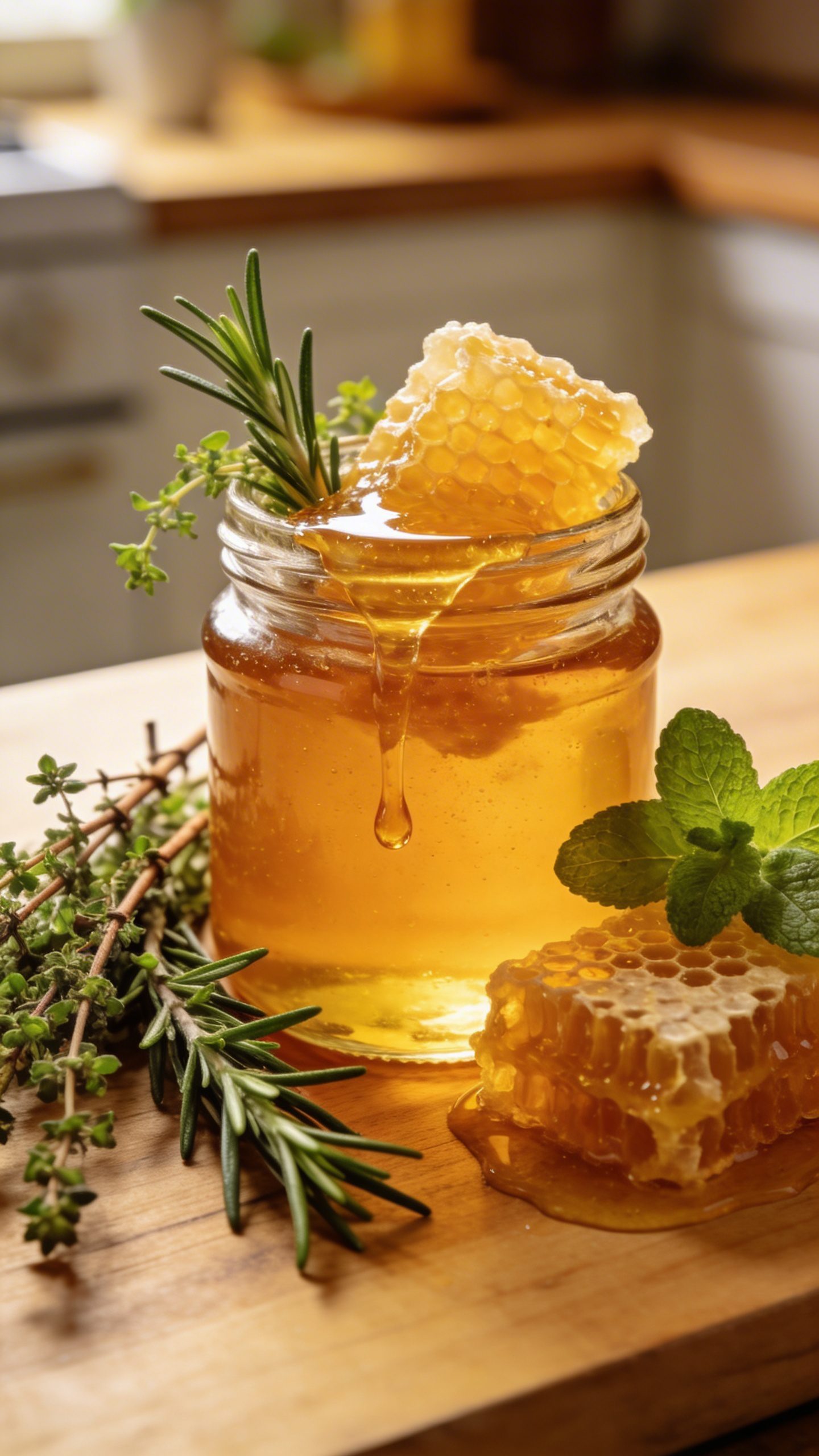
This isn’t the oregano you sprinkle on pizza. Oregano oil contains carvacrol and thymol, two compounds that knock out bacteria, fungi, and even some parasites. It’s incredibly potent, which means a little goes a very long way.
Never apply oregano oil directly to your dog’s skin or give it undiluted. Instead, mix one drop of therapeutic-grade oregano oil with one tablespoon of carrier oil (like coconut or olive oil). You can apply this mixture to affected areas or add a small amount to food.
For a 50-pound dog, I’d recommend mixing 1-2 drops in their food once daily for no more than 10 days. The taste is strong, so mixing it with something delicious like bone broth helps.
Apple Cider Vinegar: The Multi-Purpose Miracle
ACV is like that friend who’s good at everything and kind of annoying about it, except in this case, we’re grateful for its overachieving nature.
External Applications
Mix equal parts raw apple cider vinegar and water in a spray bottle. This solution works wonders for:
- Hotspots and minor skin infections
- Itchy paws (have your dog stand in a shallow pan of the solution for 5 minutes)
- Ear infections (a few drops in the ear canal, massaged gently)
- Minor cuts and scrapes
Internal Use
Adding a teaspoon of ACV to your dog’s water bowl helps create an internal environment that’s less hospitable to bacteria. It also supports digestion and can help prevent UTIs. FYI, always choose raw, unfiltered ACV with “the mother” for maximum benefit.
Turmeric Paste: The Golden Healer
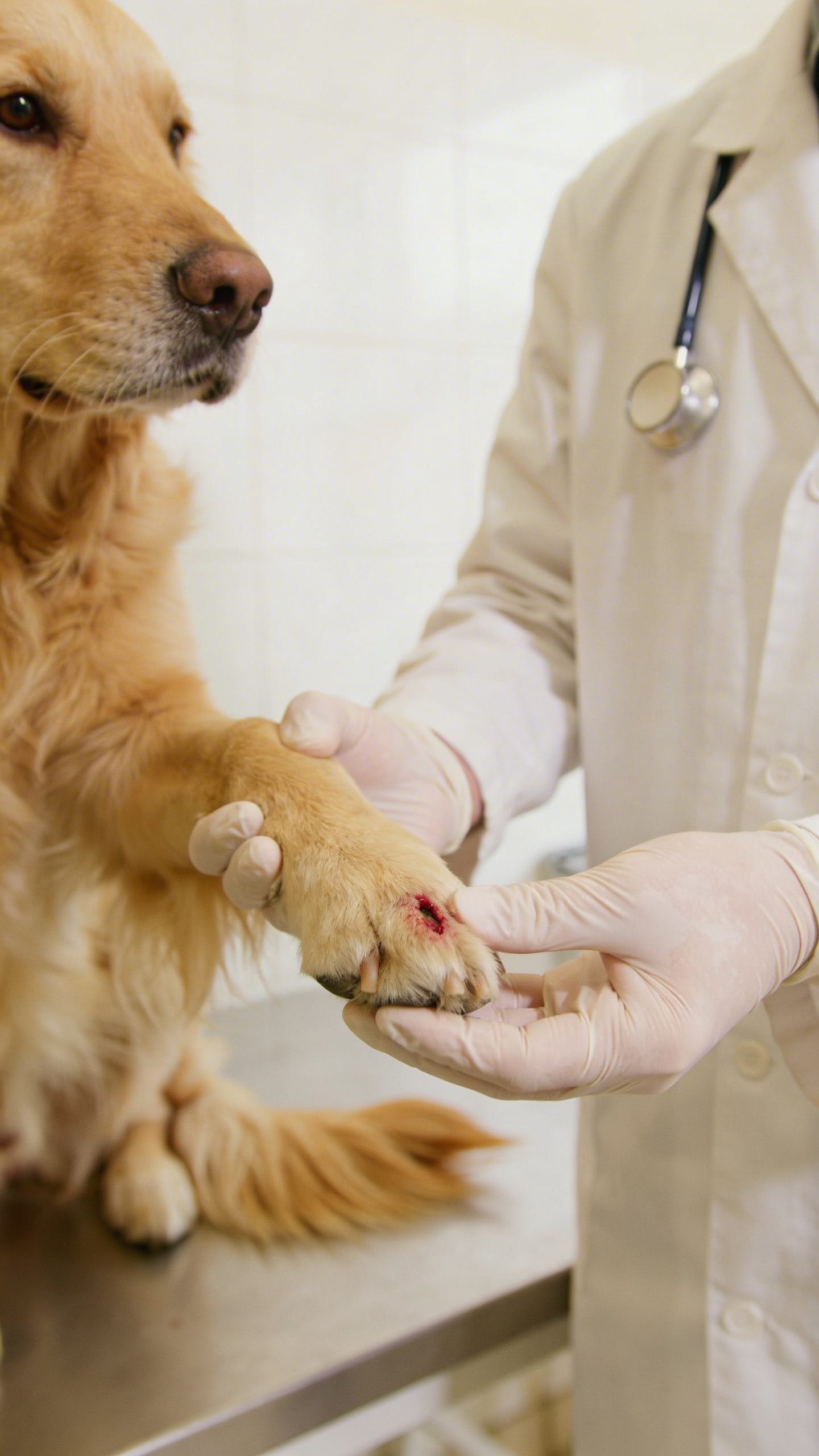
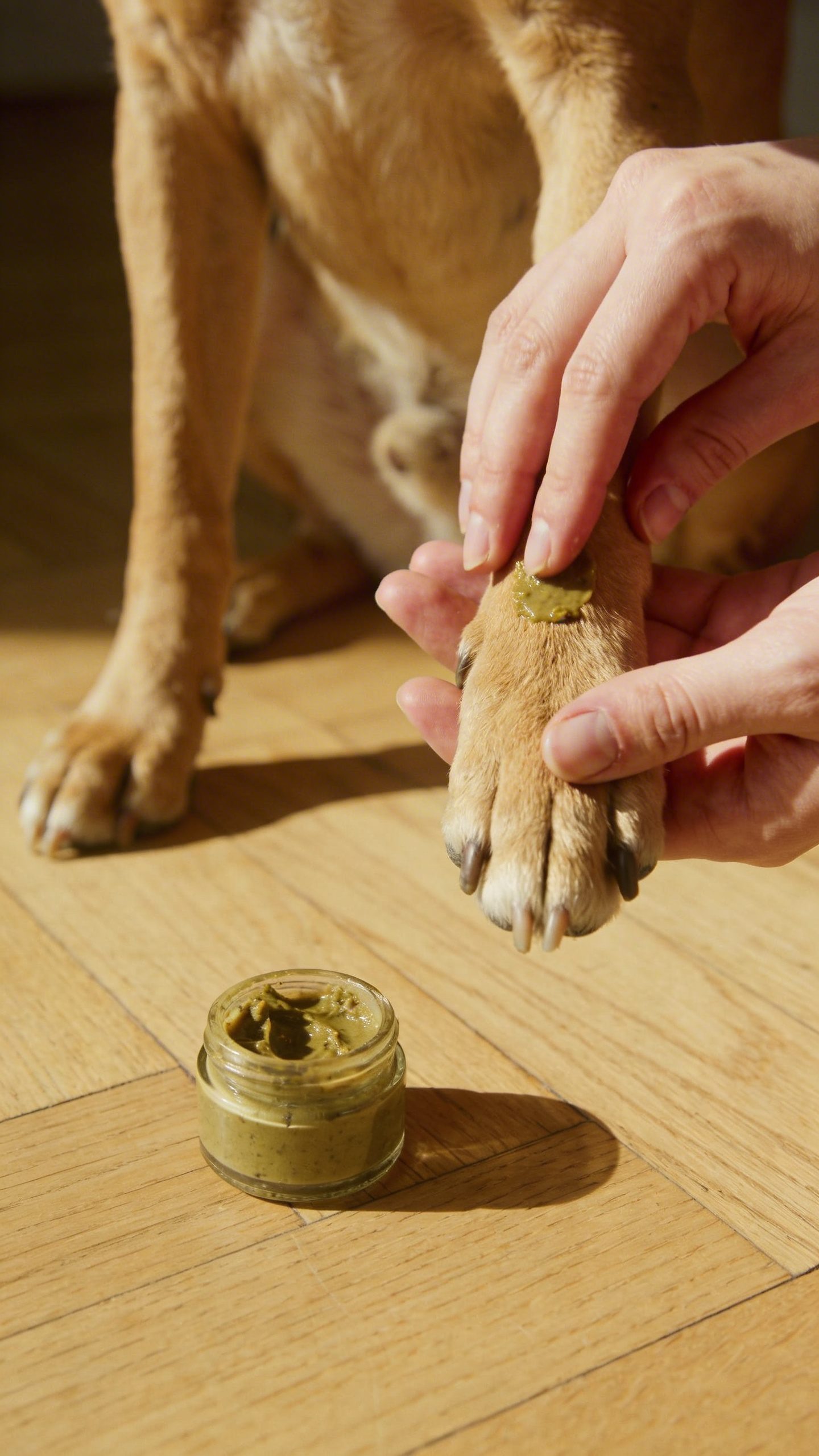
Turmeric contains curcumin, which is both antibacterial and seriously anti-inflammatory. The problem? Dogs don’t absorb curcumin well on its own. The solution? Make golden paste.
Here’s the recipe: Mix 1/2 cup turmeric powder with 1 cup water in a pan. Stir over low heat until it forms a thick paste. Add 1/3 cup coconut oil and 2-3 teaspoons of freshly ground black pepper. The black pepper increases absorption by 2000%, no joke.
Store this paste in the fridge and give your dog about 1/4 teaspoon per 10 pounds of body weight daily, mixed into food. You’ll notice reduced inflammation, improved gut health, and better immune function overall.
Coconut Oil: Not Just a Trendy Superfood
Coconut oil contains lauric acid, which converts to monolaurin in the body—a compound that actively destroys bacteria, viruses, and fungi. It’s gentle enough to use both internally and externally without worry.
Apply it directly to minor wounds, dry patches, or infected areas. Your dog will probably lick it off immediately, which is actually fine. For internal benefits, add 1 teaspoon per 10 pounds of body weight to their food daily.
Start slowly though. Too much coconut oil too fast can cause digestive upset (translation: loose stools everywhere). IMO, it’s worth the gradual introduction because the long-term benefits are impressive.
Echinacea: The Immune System Booster
Echinacea doesn’t kill bacteria directly, but it supercharges your dog’s immune system so their body can fight infections more effectively. Think of it as calling in reinforcements rather than deploying a weapon.
Use a pet-specific echinacea tincture (alcohol-free) and follow dosage instructions on the bottle, which typically recommend giving it for 2 weeks on, 1 week off. It’s particularly effective when you catch an infection early or want to prevent one from taking hold after an injury.
Frequently Asked Questions
Can I use these remedies together?
Generally yes, but don’t throw everything at your dog at once. Start with one remedy and see how they respond. You can combine certain ones—like turmeric paste internally and honey externally—but give each remedy a day or two to show its effects before adding another.
How do I know if an infection is too serious for home treatment?
If you see red streaks spreading from a wound, excessive swelling, pus with a foul odor, fever, lethargy, or lack of appetite, get to the vet. These remedies work great for minor issues, but serious infections need professional intervention. Don’t mess around with your dog’s health trying to be a hero.
Will these remedies interfere with my dog’s regular medications?
They can. Always check with your vet before adding natural remedies if your dog takes prescription medications. Turmeric, for instance, can affect blood clotting, which matters if your dog takes blood thinners.
How long should I try a natural remedy before giving up?
Give it 48-72 hours for minor issues. You should see some improvement within that timeframe. If things aren’t getting better or they’re getting worse, that’s your sign to escalate to veterinary care.
Are there any dog breeds that shouldn’t use these remedies?
Most of these remedies are safe across breeds, but brachycephalic breeds (bulldogs, pugs) can be more sensitive to essential oils like oregano. Also, dogs with existing liver or kidney conditions need veterinary approval before using any new supplements.
Can I use regular grocery store versions of these products?
For honey, ACV, and coconut oil, yes—just make sure they’re raw and unprocessed. For oregano oil and colloidal silver, quality matters significantly. Cheap versions might not be effective or could contain impurities. Spend the extra few bucks on therapeutic-grade products.
The Bottom Line
Natural antibiotics aren’t magic, but they’re powerful tools when used correctly. I’ve watched these remedies clear up infections that had been lingering for weeks, often faster than expected. The key is catching issues early, using quality ingredients, and knowing when to wave the white flag and head to the vet.
Your kitchen cabinet might just be your first line of defense against minor infections. Give these remedies a shot, and you might be surprised at how effective they can be. Just remember: natural doesn’t always mean risk-free, so start slow, observe your dog’s response, and trust your gut when something doesn’t seem right.