
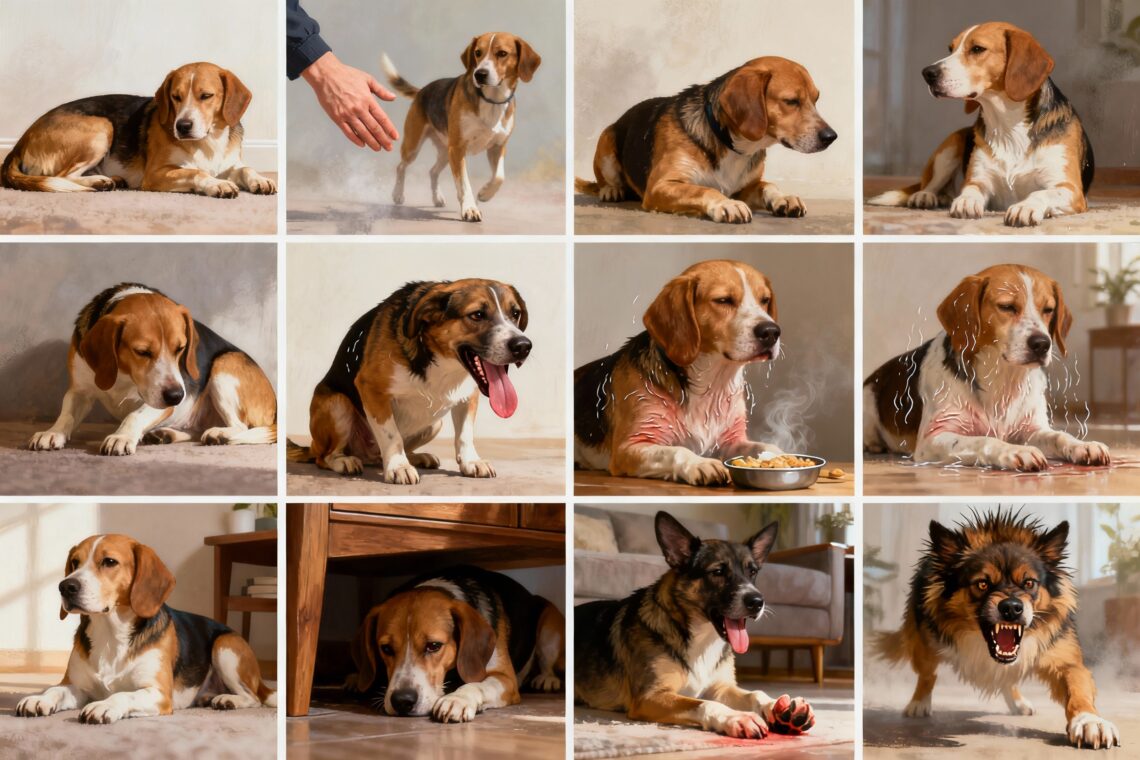
Your dog can’t text you “ow,” so you’ve got to read the signs. Pain in dogs often looks sneaky: a little limp here, a skipped meal there, and suddenly you’re deep-diving Google at 2 a.m. Let’s cut through the noise.
Here are the most common ways dogs show pain, plus what you can do about it without spiraling into panic mode.
When Movement Gets Weird
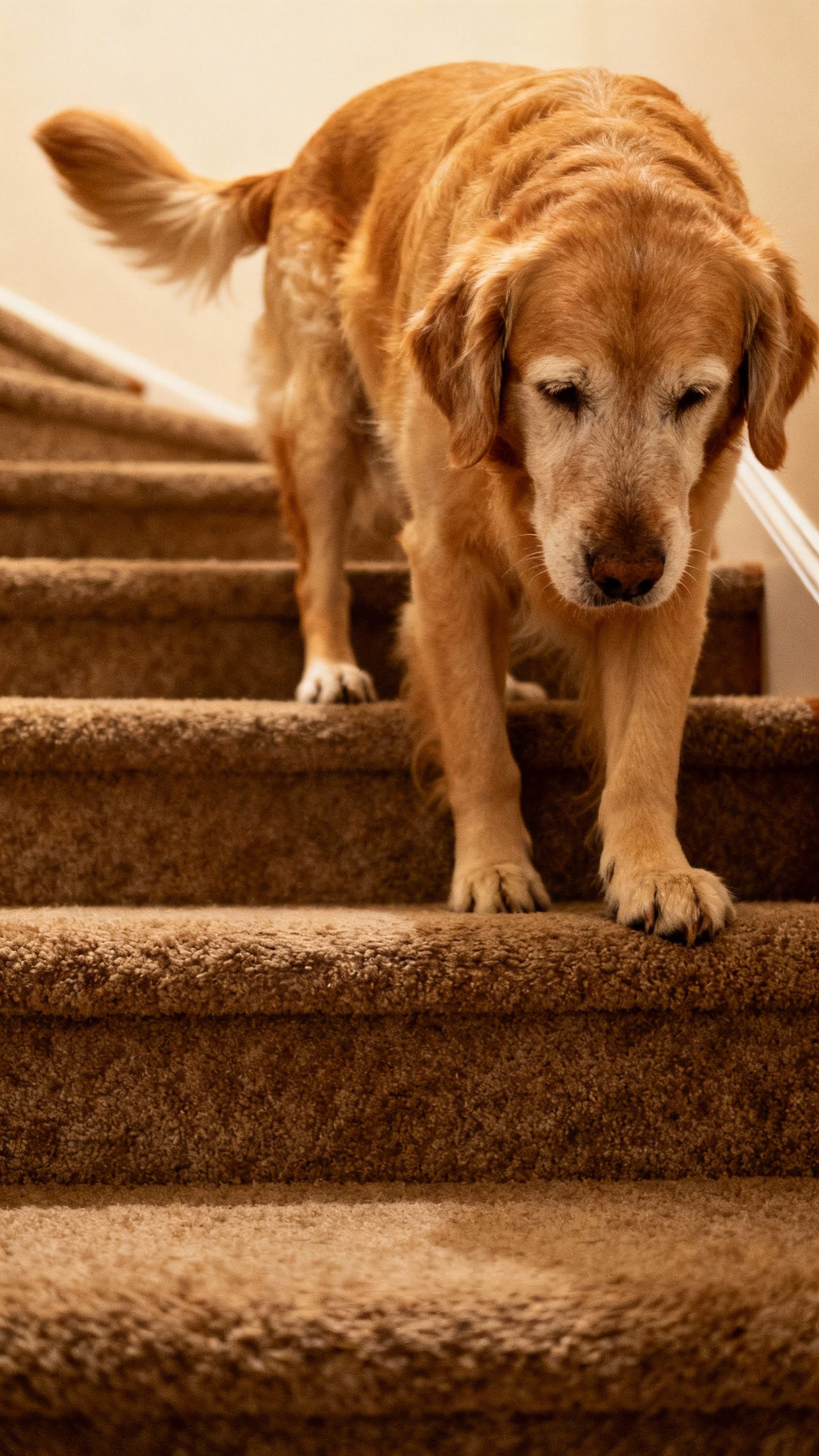
Dogs love zoomies—until they don’t. If your dog hesitates to jump on the couch or avoids stairs, that’s a red flag. You might see a limp after playtime or stiffness when they get up from a nap.
That’s your cue.
- Limping or favoring a leg after exercise or first thing in the morning
- Stiffness in the hips or back, especially in large breeds
- Reluctance to jump, climb, or play when they normally would
What’s normal soreness vs. pain?
If your dog played hard and moves fine the next day, that’s probably normal soreness. If the limp lasts more than 24–48 hours, or your dog yelps when you touch a joint, call your vet. FYI: sudden non-weight-bearing lameness is urgent.
Changes in Appetite and Drinking
Dogs live for snacks.
When they skip meals, you should pay attention. Pain can make chewing hurt (dental issues), stomachs feel off (inflammation), or just zap appetite.
- Eating less or refusing treats—the ultimate betrayal
- Dropping food or chewing on one side = possible mouth pain
- Drinking more or less than usual can pair with pain or meds
Pro tip
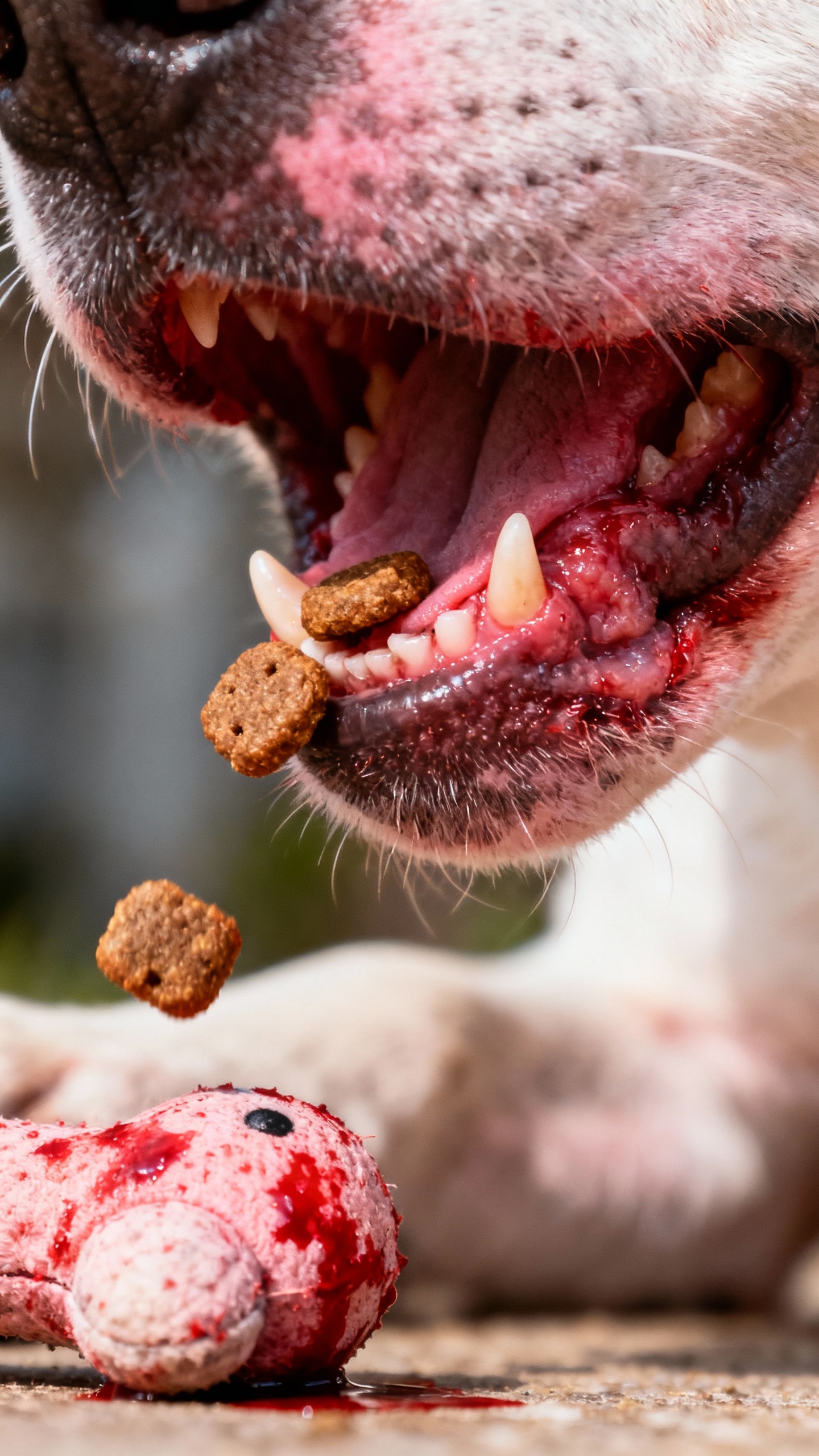
If your dog wants soft food but avoids crunchy kibble, think teeth or gums. Bad breath, pawing at the mouth, or blood on toys also point to dental pain.
Behavior Swaps and Mood Shifts
A happy, social dog that suddenly acts cranky?
That’s a sign. Pain can make even the friendliest pup grumpy, clingy, or distant. IMO, behavior changes often show up before obvious physical ones.
- Growling or snapping when touched
- Hiding or choosing quiet corners
- Clinginess and constant following
- Restlessness—can’t get comfortable, pacing at night
Watch the “Don’t touch me there” zones
If your dog flinches when you stroke the back, hips, or belly, note the spot.
Don’t keep pressing to “check”—you already got your answer.
Vocalizations: Not Just Whining
Some dogs are drama queens; others suffer in silence. Any sudden, unexplained noise deserves a second look.
- Whining or whimpering during rest or movement
- Yelping when lifting, picking up, or stepping off a curb
- Grunting or groaning when lying down or getting up
Context matters
One yelp during rough play isn’t a saga. Repeated noises during routine movements?
That’s a theme.
Posture and Body Language Clues
Your dog speaks volumes without words. Pain changes the way they stand, sit, and carry themselves.
- Hunched back or tucked abdomen (think “cat-like curl”)—often belly or back pain
- Head low, tail tucked even at home
- Guarding a body part or shifting away from touch
- Arched neck or rigid stance with ear pinning
The “prayer position”
Front legs stretched forward, bum in the air isn’t always play—held longer, it can signal abdominal pain or pancreatitis. If it repeats with vomiting or no appetite, call your vet ASAP.
Skin, Grooming, and Licking Habits
Dogs can’t slap on an ice pack, so they lick.
Sometimes they lick so much they cause secondary issues.
- Excessive licking at joints, paws, or one side of the body
- Chewing at a specific spot (hot spots often follow)
- Flinching or twitching skin when you pet a certain area
Nerve and back pain signs
Look for tail sensitivity, reluctance to be touched along the spine, or sudden “air licking” and muscle tremors. Those aren’t vibes—they’re signals.
Sleep, Activity, and Energy Changes
Pain drains the fun out of life. If your dog sleeps way more or suddenly stops asking for walks, something’s up.
- More sleep and less interest in play
- Restless nights with frequent position changes
- Slower on walks or stopping to rest more often
Senior dog special note
Older dogs hide pain like pros.
If your senior “just seems old,” consider pain management. A good plan can make them act years younger. IMO, age is not a diagnosis.
Breathing, Shaking, and Other Physical Signs
Pain shows up as stress, and stress shows up everywhere.
- Panting at rest in a cool room, without exercise
- Trembling or shaking that isn’t excitement
- Dilated pupils or glazed, worried expression
Red flags that need urgent care
– Panting plus pale gums, drooling, or a distended belly – Sudden weakness, collapse, or inability to stand – Severe pain when touching the abdomen or spine If you see these, don’t wait.
Call your vet or an ER clinic.
What To Do If You Suspect Pain
You spotted the signs—now what? Don’t panic-scroll. Take practical steps.
- Document what you see: when it started, what triggers it, what helps.Videos help vets a ton.
- Rest and restrict: no fetch, no rough play, controlled leash walks only.
- Supportive home care: non-slip rugs, ramps, a comfy bed, raise food bowls if neck pain.
- Call your vet: ask about pain relief options and whether they need to be seen urgently.
- Skip human meds: never give ibuprofen, acetaminophen, or aspirin unless your vet says so. Seriously.
Vet tools that help
Depending on the cause, your vet might recommend: – Prescription pain meds (NSAIDs, gabapentin, etc.) – Joint support: omega-3s, glucosamine, and weight control – Physical therapy, laser therapy, acupuncture – Dental cleaning or extractions for mouth pain
FAQ
How do I know if my dog’s pain is an emergency?
Seek urgent care if your dog can’t put weight on a limb, has a bloated or hard abdomen, pants heavily at rest, collapses, has pale gums, or cries out in severe pain. Anything sudden and dramatic beats “wait and see.”
Can dogs hide pain?
Absolutely.
Many dogs power through because survival instincts run deep. You’ll often see subtle changes—sleep patterns, mood shifts, movement hesitations—before obvious limping or yelping.
Is my dog just being stubborn on walks?
Maybe, but probably not. Dogs stop or lag on walks when something hurts: joints, paws, nails, backs, or even the harness.
Check the paws and nails, adjust gear, and if it continues, talk to your vet.
What pain meds are safe for dogs?
Only meds prescribed by your vet. Dog-safe NSAIDs exist, but dosing matters. Never give human meds like ibuprofen or Tylenol—those can cause ulcers, kidney failure, or worse.
FYI, “natural” doesn’t mean safe either.
Could anxiety look like pain?
Yes, and pain can look like anxiety. Panting, pacing, trembling, and hiding show up in both. If behavior changes come with movement issues, appetite loss, or sensitivity to touch, assume pain until proven otherwise.
How long should I wait before seeing a vet?
If signs last more than 24–48 hours, or your dog seems distressed, go sooner rather than later.
Chronic, low-level pain benefits from early management—your dog doesn’t get bonus points for toughing it out.
Wrapping It Up
Your dog’s pain won’t announce itself with flashing lights. It whispers: a skipped jump, a tucked tail, a quiet groan at bedtime. Trust your gut, watch the patterns, and get help when things feel off.
With the right care, most dogs bounce back fast—and yes, the zoomies can return. IMO, that’s the best kind of happy ending.





6 Comments on “10 Early Signs of Pain in Dogs Every Owner Should Recognize”
Comments are closed.