You’re about to discover the harsh truth: potty training doesn’t have to take weeks of frustration and carpet stains. Most dog owners make this way harder than it needs to be, but with the right approach, you can see dramatic results in just three days. Ready to ditch those puppy pads forever?
Why Traditional Potty Training Takes Forever (And What You’re Doing Wrong)
Look, if you’ve been trying to potty train your dog for weeks without success, it’s probably not your dog’s fault. Most people accidentally reward the wrong behaviors or send mixed signals that confuse the heck out of their pups. The biggest mistake? Inconsistency. You can’t let your dog out every two hours on Monday, then get busy and wait five hours on Tuesday. Dogs thrive on predictable routines, and when you mess with that schedule, you’re basically hitting the reset button on their training. Another common pitfall is punishing your dog after finding an accident. Here’s the thing: your dog has absolutely no idea why you’re mad unless you catch them in the act. That guilty look you think you see? It’s actually just your dog reacting to your anger, not feeling remorse about what they did twenty minutes ago.
The 3-Day Potty Training Framework That Actually Works
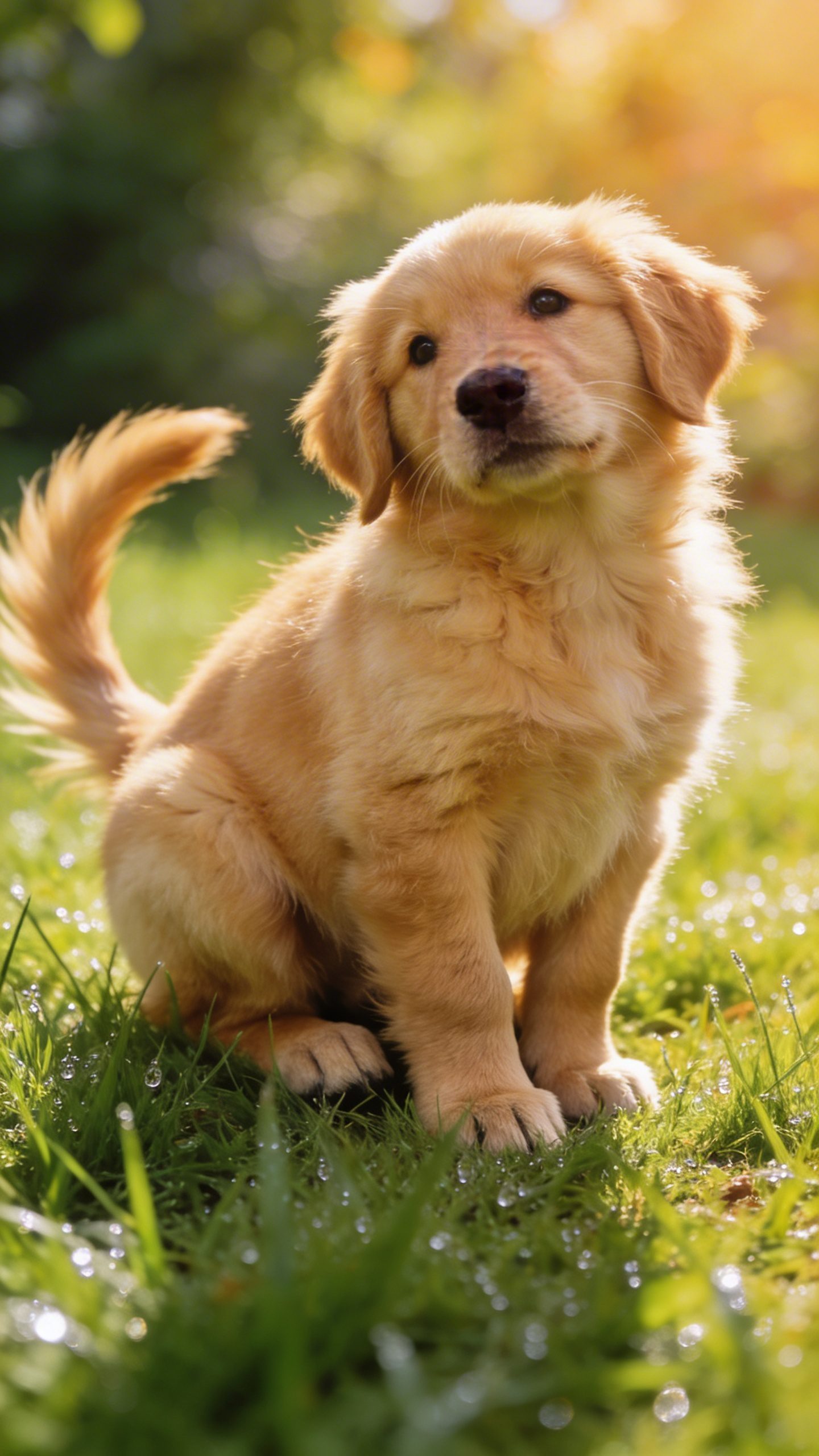
This isn’t magic, but it’s pretty close. The secret sauce involves combining several proven techniques into one concentrated training period. You’ll need to clear your schedule for three days and commit fully to the process.
Day One: Establishing the Foundation
On day one, you’re essentially glued to your dog. Set a timer and take your pup outside every 30-60 minutes, depending on their age. Puppies under 12 weeks need more frequent breaks, while older dogs can hold it a bit longer. When you take them out, go to the same spot every single time. Dogs are creatures of habit, and the smell of previous potty sessions triggers them to go again. Pick a boring area of your yard and make it the designated bathroom zone. Stay outside for at least 5-10 minutes each trip. Don’t chat, play, or make it exciting. You’re on a mission here, and that mission is bathroom business only. The second your dog goes, throw a party. We’re talking high-pitched praise, treats, and genuine excitement.
Day Two: Building the Habit
By day two, you’ll start seeing some patterns emerge. Notice when your dog naturally needs to go—usually right after waking up, after meals, after play sessions, and before bed. Mark these times and never skip them. You can gradually extend the time between bathroom breaks to every 90 minutes, but stay vigilant. One accident can undo hours of progress, so when in doubt, take them out. FYI, it’s better to make ten unnecessary trips outside than to deal with one preventable mess inside.
Day Three: Testing and Reinforcing
On the final day, you’ll test your dog’s understanding by giving them slightly more freedom. Let them wander a bit more around the house, but keep them in sight. Watch for warning signs like sniffing, circling, or heading toward a corner. If you spot these behaviors, immediately say “outside!” in an upbeat voice and hustle your pup to the door. Speed matters here—you want to create a connection between the urge and the outdoor bathroom spot.
Genius Fix #1: The Crate Training Power Move
Crate training isn’t cruel—it’s actually tapping into your dog’s natural instincts. Dogs don’t want to soil their sleeping area, which makes a properly-sized crate your secret weapon. The key word here is “properly-sized.” Your dog should have enough room to stand, turn around, and lie down comfortably, but not enough space to pee in one corner and sleep in another. Too much room defeats the purpose entirely. When you can’t actively supervise your dog, pop them in the crate for short periods. Take them straight outside the moment you let them out, and watch the magic happen. Most dogs will hold it rather than mess up their den.
Genius Fix #2: The Umbilical Cord Method
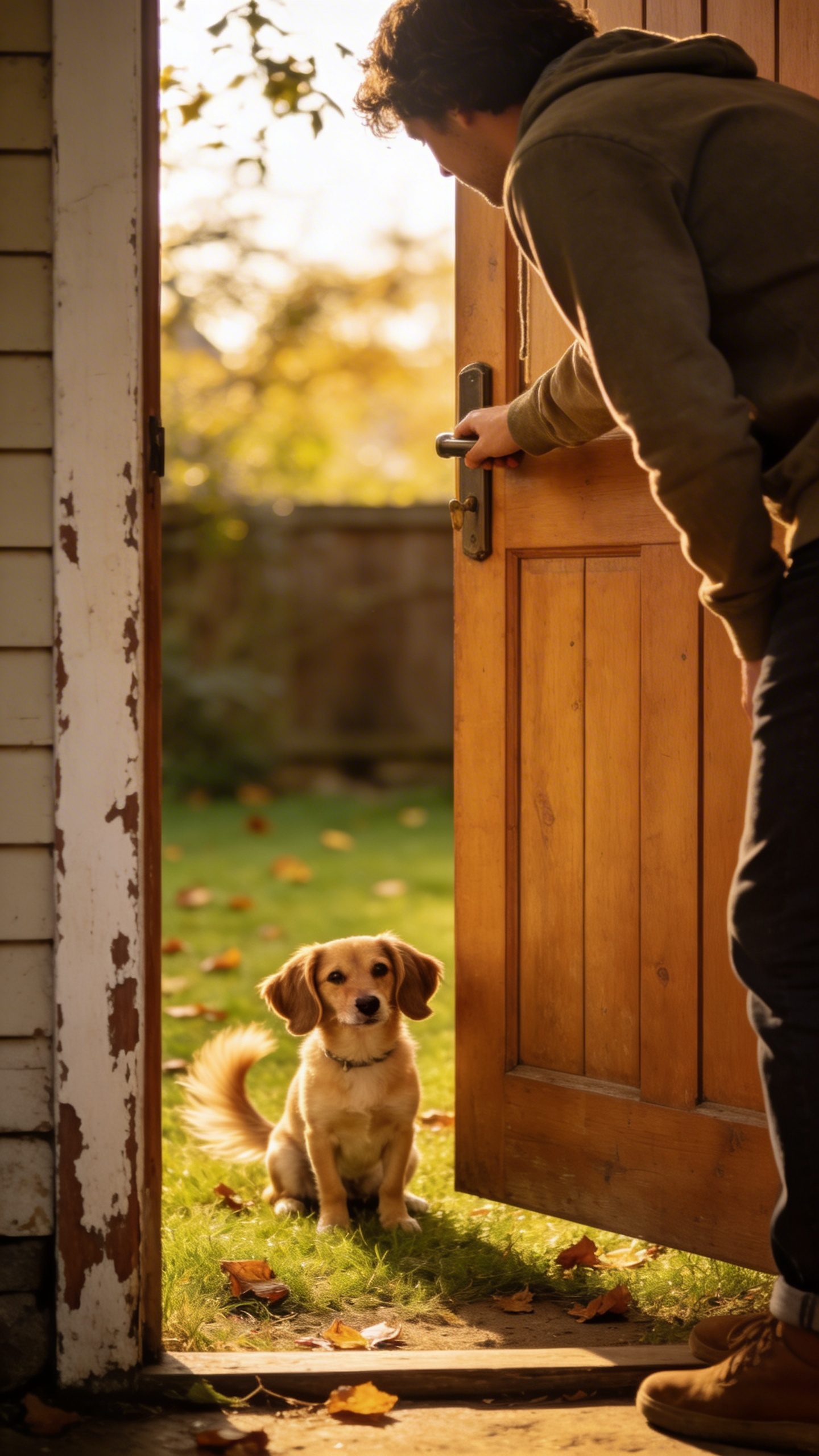
This technique sounds weird but works incredibly well. Literally tether your dog to you with a six-foot leash while you’re home. They go where you go, which means you’ll catch every pre-potty signal. Your dog can’t sneak off to that favorite corner behind the couch if they’re attached to your belt loop. Plus, you’ll learn their body language lightning-fast when you’re watching them this closely.
Genius Fix #3: Strategic Water and Food Scheduling
What goes in on a schedule comes out on a schedule. Feed your dog at the exact same times every day, and pick up the food bowl after 20 minutes, even if they haven’t finished. Control water intake in the evening—pick up the water bowl about two hours before bedtime. Your dog won’t dehydrate overnight, and you’ll actually get some sleep instead of cleaning up midnight puddles.
Genius Fix #4: The Power of Enzymatic Cleaners
Regular cleaning products don’t cut it, IMO. Dogs have noses that are roughly 10,000 times more sensitive than ours. Even if you can’t smell the accident anymore, your dog absolutely can. Invest in a quality enzymatic cleaner that breaks down the proteins in urine and feces. This completely eliminates the scent markers that tell your dog “this is an acceptable bathroom spot.” Without these markers, your dog won’t keep returning to the same indoor locations.
Genius Fix #5: Bell Training for Communication
Hang a bell on your door handle at dog-nose height. Every single time you take your pup out, ring that bell first. Eventually, your dog will make the connection and start ringing it themselves when they need to go. Some dogs pick this up within days, while others take a couple weeks. Either way, it’s worth the effort to have your dog literally tell you when nature calls.
Genius Fix #6: The Positive Reinforcement Jackpot
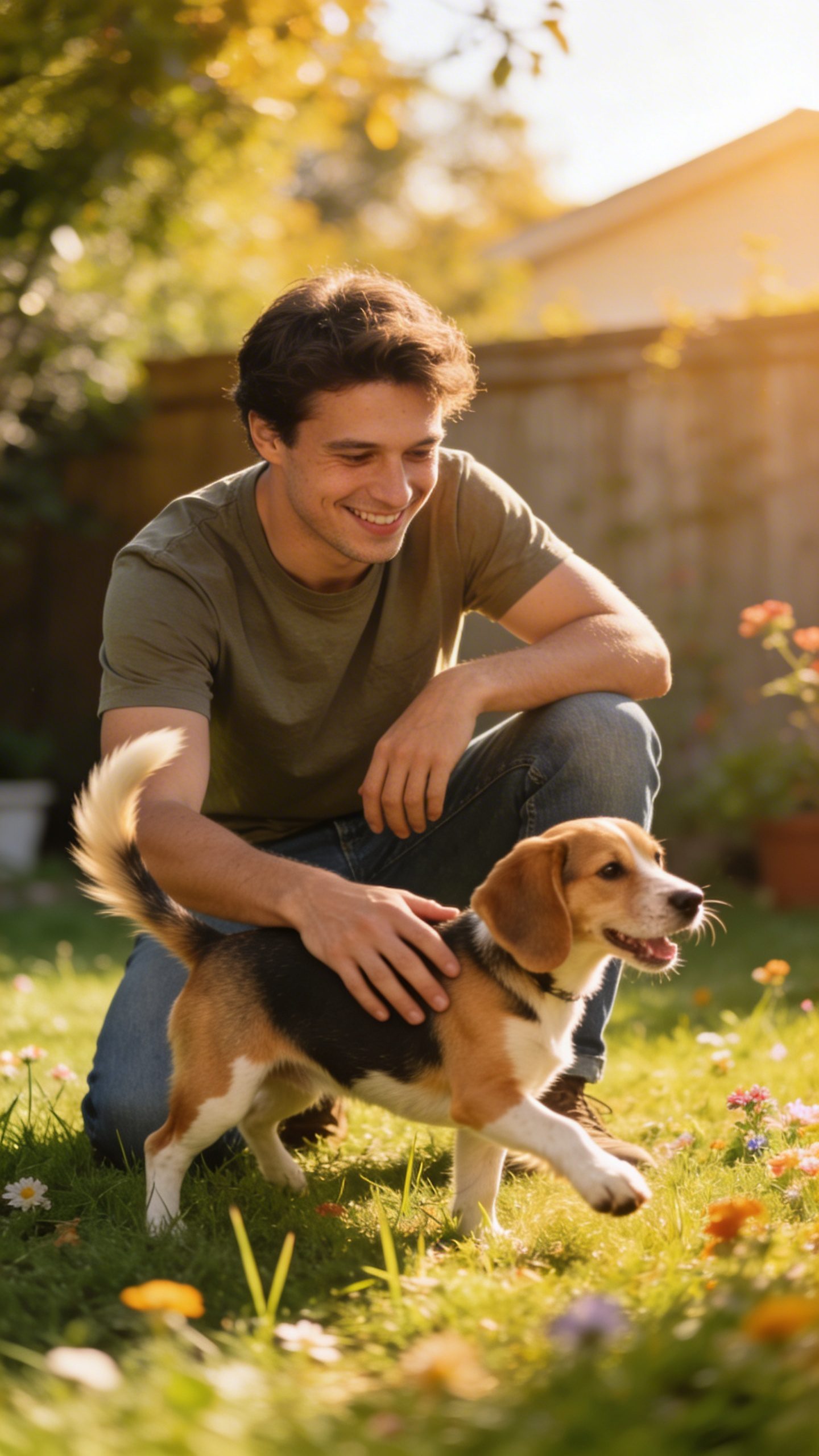
Not all treats are created equal. Keep special high-value treats—small pieces of chicken, cheese, or hot dog—reserved exclusively for successful outdoor potty sessions. The reward needs to happen within three seconds of your dog finishing their business. Any longer and they won’t connect the reward with the action. Carry treats in your pocket and be ready to celebrate like your dog just won the lottery.
Genius Fix #7: Managing Setbacks Without Losing Your Mind
Accidents will happen. Your dog will occasionally miss the signal, or you’ll get distracted and forget to take them out. When this happens, don’t spiral into despair and don’t punish your dog. If you catch your dog mid-accident, interrupt with a firm “no” or clap your hands, then immediately take them outside to finish. If they complete the job outdoors, reward them normally. Clean up the indoor mess thoroughly with that enzymatic cleaner and move on. Consistency matters more than perfection. Missing one bathroom break doesn’t erase all your progress—it just means you need to pay closer attention during the next session.
Frequently Asked Questions
What if my dog is older and has never been properly potty trained?
Older dogs can absolutely learn new tricks, though they might need a bit more time than the three-day framework. The same principles apply—establish a routine, reward success immediately, and prevent accidents through supervision. Some senior dogs have medical issues affecting bladder control, so consider a vet checkup if accidents persist despite consistent training.
How do I handle potty training in an apartment without easy yard access?
The key is making the trip outside as quick as possible so your dog can hold it. Carry your puppy if needed, especially for urgent bathroom breaks. Alternatively, you can designate a specific spot on your balcony or use real grass pads as an intermediate step. Just remember that every time you allow indoor pottying, you’re slightly confusing the “always go outside” message.
My puppy goes outside but immediately pees inside when we come back in. What gives?
This usually means you’re bringing your pup inside too quickly. Dogs need time to fully empty their bladders, and sometimes they’ll partially go, get distracted, then finish the job once they’re back in familiar territory. Try staying outside for 10-15 minutes after the first potty break, walking around to encourage complete elimination.
Should I use puppy pads at all during training?
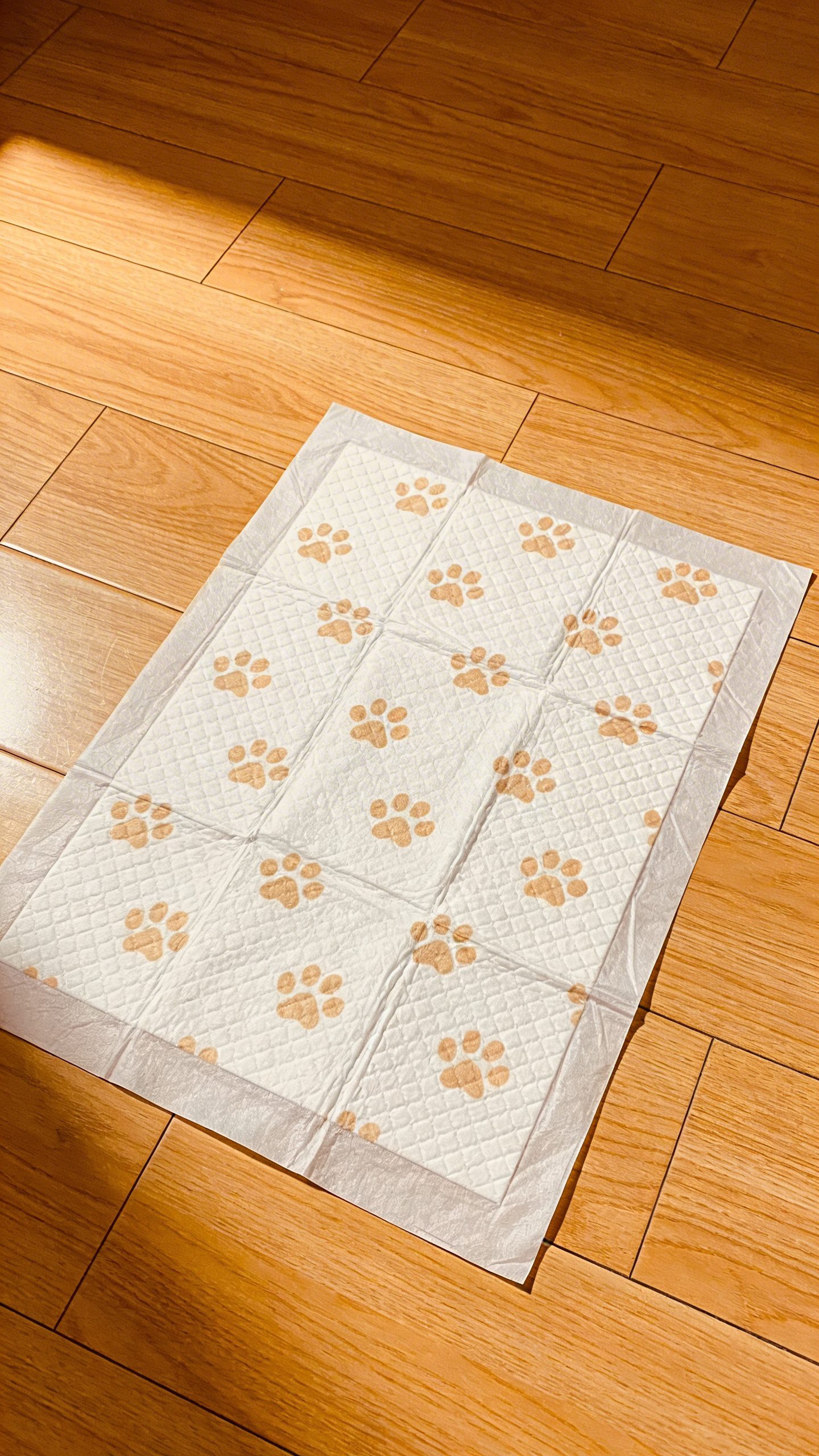
Honestly? Puppy pads send mixed signals. You’re essentially teaching your dog that sometimes it’s okay to go inside. If you absolutely need them—maybe you work long hours or live on the tenth floor—place them near the door and gradually move them outside. But for fastest results, skip the pads entirely and commit to outdoor-only training.
What are the signs my dog needs to go outside?
Watch for sniffing the ground intensely, circling in one spot, whining or barking at you, heading toward the door, sudden restlessness, or leaving the room. Some dogs are super obvious while others are sneaky. The umbilical cord method helps you learn your specific dog’s signals quickly.
How long can my dog reasonably hold their bladder?
A general rule: puppies can hold it for roughly one hour per month of age, plus one. So a three-month-old puppy can hold it for about four hours maximum. Adult dogs can typically manage 6-8 hours, though smaller breeds often need more frequent breaks. Never push these limits—it’s uncomfortable for your dog and increases accident risk.
Wrapping This Up
Potty training in three days isn’t a fantasy—it’s completely achievable when you combine these seven fixes with unwavering consistency. Clear your schedule, stock up on treats and enzymatic cleaner, and prepare for an intensive but rewarding three days. The effort you invest now saves you months of frustration and countless ruined carpets. Your future self will thank you when your dog confidently rings the bell to go outside, and you can finally trust them to roam the house unsupervised. Now get out there and make it happen!