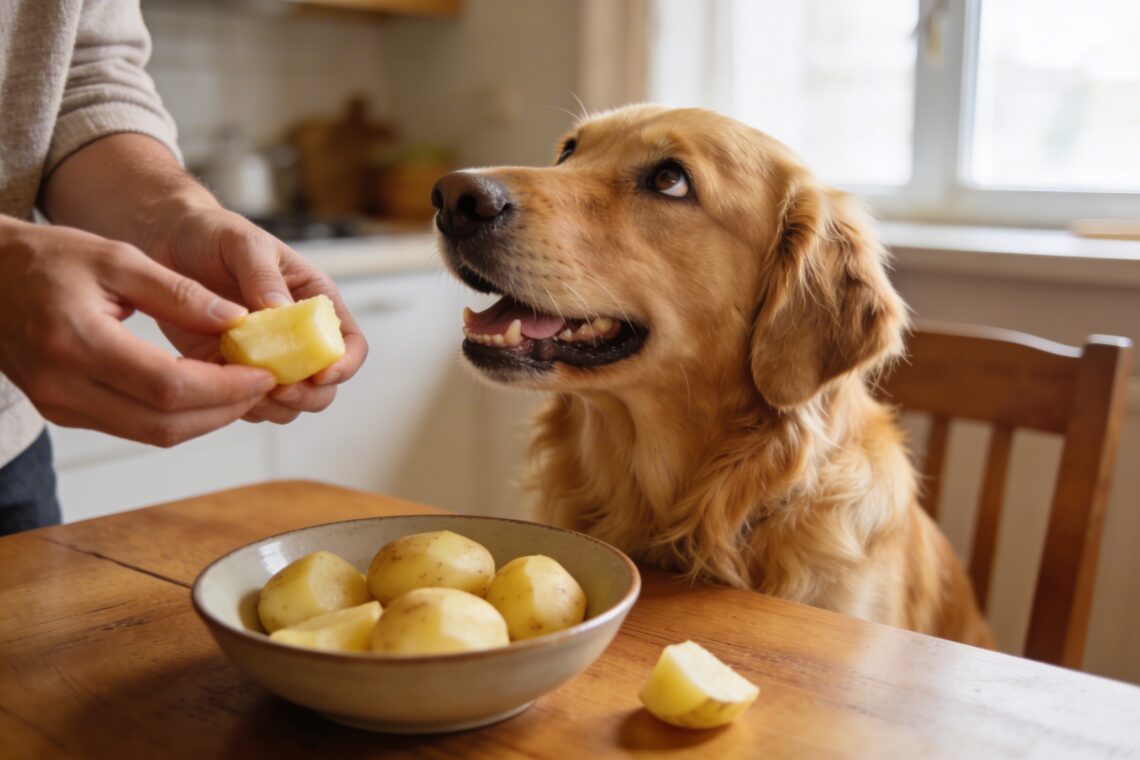
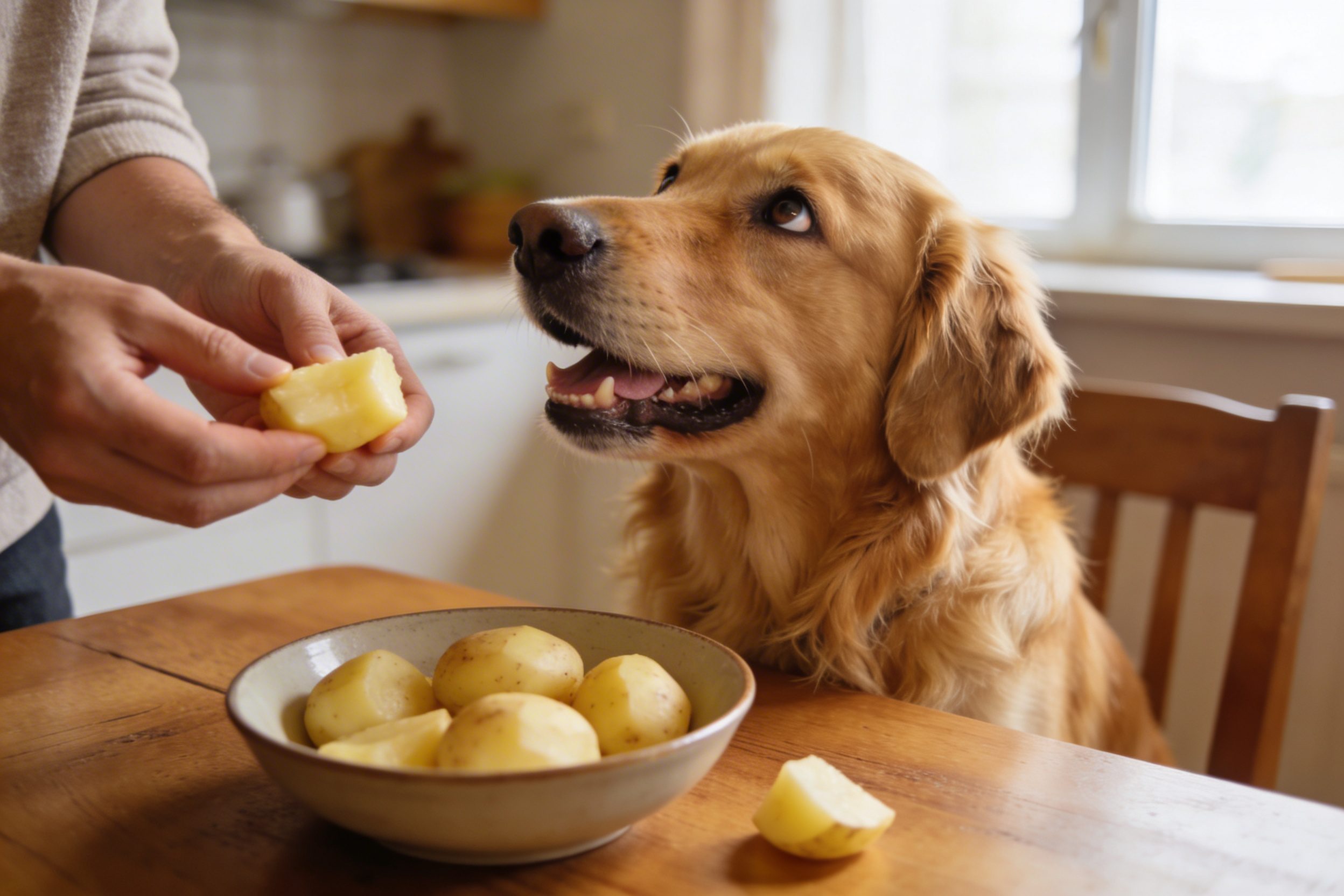
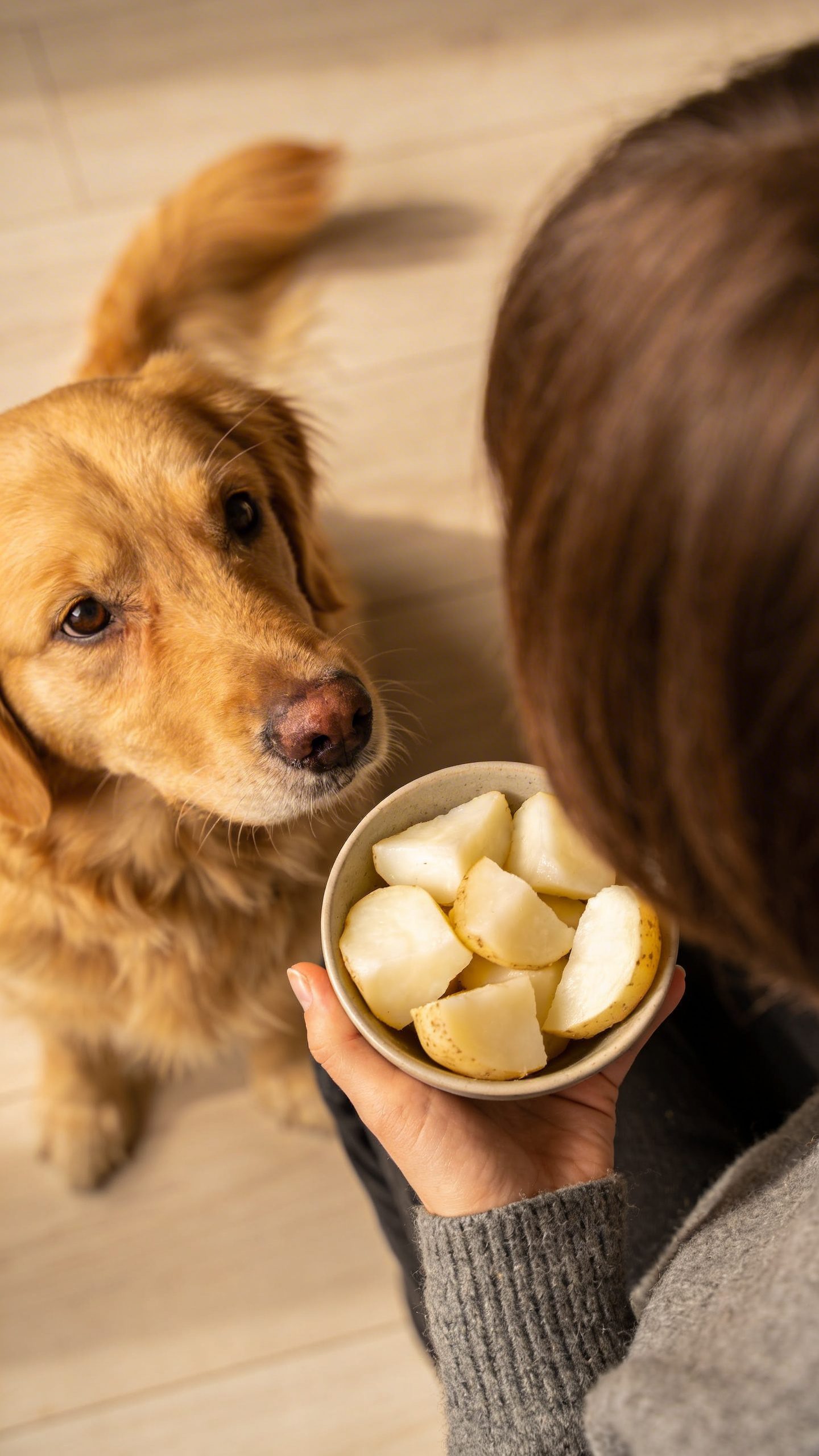
You’ve probably caught your furry friend giving you those irresistible puppy dog eyes while you’re munching on some crispy fries or a baked potato. Before you cave and toss them a piece, you’re wondering if potatoes are actually safe for dogs. The short answer? Yes, but with some major caveats that could mean the difference between a happy pup and an emergency vet visit.
The Potato Paradox: Friend or Foe?
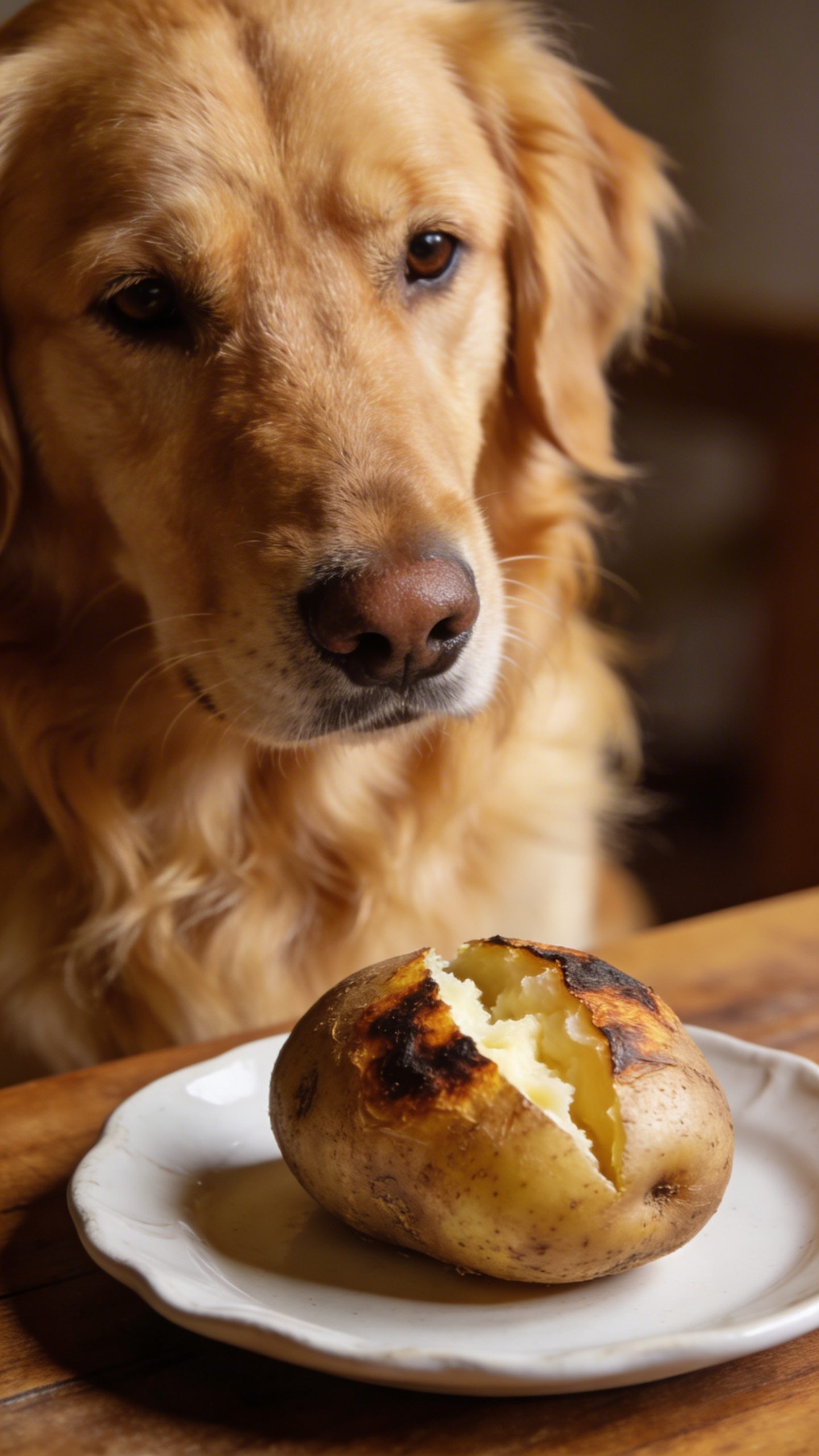
Here’s the deal with potatoes and dogs: it’s complicated. Cooked potatoes can be perfectly safe for your dog in moderation, but raw potatoes? That’s a hard no. The cooking process makes all the difference, and I’m about to break down exactly why. Potatoes belong to the nightshade family, which means they contain a compound called solanine. This naturally occurring toxin can cause some serious problems for your pup if consumed in large amounts. Raw potatoes and potato plants (especially the green parts) pack the highest concentration of solanine, which is why you should never let your dog near them. When you cook potatoes properly, the solanine levels drop significantly, making them safe for canine consumption. Think of cooking as the gatekeeper between “dangerous snack” and “acceptable treat.”
9 Smart Feeding Tips That’ll Keep Your Dog Safe
1. Always Cook Potatoes Thoroughly
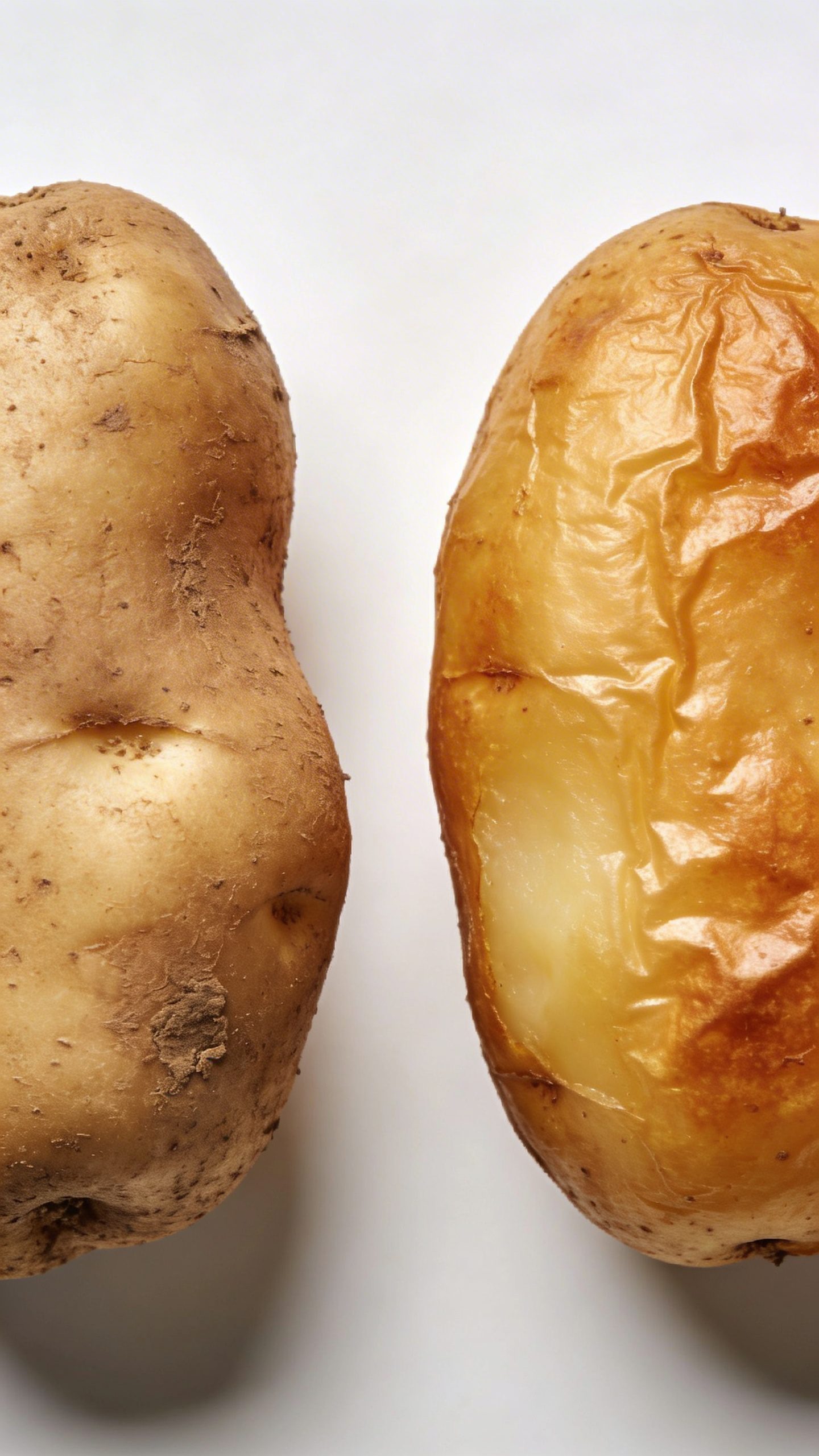
Never, and I mean never, feed your dog raw potatoes. Boil them, bake them, or steam them until they’re soft all the way through. No crunchy bits allowed! The heat breaks down the harmful compounds and makes the potato digestible for your dog’s system. Skip the microwave method if possible. It can create hot spots that don’t cook evenly, potentially leaving pockets of undercooked potato that still contain higher solanine levels.
2. Keep It Plain and Simple
Your dog doesn’t need butter, sour cream, cheese, bacon bits, or any of those delicious toppings we humans love. I know it’s tempting to share your loaded baked potato, but all those extras can cause digestive upset or worse. Salt, garlic, onions, and chives are particularly dangerous for dogs. Even a small amount of garlic or onion powder can damage their red blood cells. Stick to plain, cooked potatoes without any seasonings whatsoever.
3. Watch Your Portion Sizes
Potatoes should be an occasional treat, not a meal replacement. A few small bites are plenty for most dogs. Think of potatoes like you’d think of candy for kids—fine in tiny amounts, problematic in excess. A good rule of thumb: treats (including potatoes) should make up no more than 10% of your dog’s daily caloric intake. For a medium-sized dog, that means maybe a tablespoon or two of mashed potato, not a whole Idaho russet.
4. Avoid Fried Potatoes at All Costs
French fries, potato chips, tater tots, and hash browns might be your guilty pleasure, but they’re terrible for dogs. The high fat content can trigger pancreatitis, a painful and potentially life-threatening condition. Plus, all that salt and oil? Your dog’s digestive system wasn’t designed to handle it. I know those puppy eyes are persuasive when you’re eating fries, but trust me, you’re doing them a favor by saying no.
5. Remove the Skin When in Doubt
Potato skins contain more solanine than the flesh, especially if the potato has any green spots or sprouts. While well-cooked skins from fresh, healthy potatoes are generally safe, playing it safe by peeling them first makes sense, especially for smaller dogs or first-time potato eaters.
6. Check for Green Spots or Sprouts
Green potatoes are a red flag for both humans and dogs. That green color indicates high solanine levels, which cooking won’t fully eliminate. If you see any green patches or sprouting eyes on your potato, toss it in the compost, not your dog’s bowl. Fresh, firm potatoes with no discoloration are your best bet. When in doubt, throw it out—it’s not worth risking your dog’s health.
7. Introduce Potatoes Gradually
Just like any new food, introduce potatoes slowly to see how your dog’s system handles them. Start with just a tiny taste and wait 24 hours to see if any digestive issues pop up. Some dogs have sensitive stomachs and might not tolerate potatoes well even when they’re cooked properly. Watch for signs like vomiting, diarrhea, or excessive gas. If your pup shows any of these symptoms, potatoes probably aren’t their thing.
8. Sweet Potatoes Are Actually Better
FYI, sweet potatoes are nutritionally superior to regular white potatoes for dogs. They’re packed with fiber, vitamins A and C, and they’re easier on your dog’s digestive system. Plus, most dogs go absolutely bonkers for the naturally sweet taste. The same cooking rules apply—no raw sweet potatoes, keep them plain, and watch portion sizes. But if you’re going to feed your dog potatoes regularly, sweet potatoes are the smarter choice.
9. Know the Warning Signs of Solanine Poisoning
If your dog somehow gets into raw potatoes or potato plants, you need to recognize the symptoms fast. Watch for excessive drooling, vomiting, diarrhea, lethargy, confusion, or weakness. In severe cases, solanine poisoning can cause cardiac issues or respiratory problems. If you suspect your dog ate raw potatoes or is showing these symptoms, call your vet immediately. Don’t wait to see if they improve on their own.
What About Dogs with Specific Health Conditions?
Not all dogs should eat potatoes, even when they’re cooked perfectly. If your dog has diabetes, potatoes might cause problematic blood sugar spikes due to their high glycemic index. The starches in potatoes convert to sugar pretty quickly in the body. Overweight dogs should also skip the potato train. These starchy vegetables are calorie-dense and can contribute to weight gain when added to an already complete diet. Your chubby pup doesn’t need the extra calories, no matter how much they beg. Dogs with kidney issues might need to avoid potatoes too, depending on their specific condition. Always check with your vet before introducing new foods to a dog with health problems.
The Nutritional Reality Check
Let’s be honest—potatoes aren’t exactly a superfood for dogs. They provide some vitamin C, vitamin B6, and potassium, but your dog’s regular food should already be covering their nutritional bases. Potatoes are mostly just empty carbs from a nutritional standpoint. That said, they’re not harmful in small amounts for healthy dogs, and they can work as a low-fat training treat when you’re in a pinch. Some commercial dog foods even include potatoes as a carbohydrate source, particularly in grain-free formulas. Just don’t fool yourself into thinking you’re doing your dog some huge nutritional favor by feeding them potatoes. You’re giving them a treat they enjoy, and that’s perfectly fine as long as you follow the safety guidelines.
Frequently Asked Questions
Can dogs eat potato peels?
Dogs can technically eat well-cooked potato peels from fresh, healthy potatoes, but it’s riskier than feeding them just the flesh. Peels contain higher concentrations of solanine, so if you’re going to share peels, make sure the potato shows no green spots, has been stored properly, and is cooked thoroughly. When in doubt, peel them off.
What should I do if my dog ate raw potatoes?
First, don’t panic. Assess how much they ate—a small bite probably won’t cause major issues, but a whole raw potato could be problematic. Contact your vet, especially if your dog starts showing symptoms like vomiting, diarrhea, or lethargy. Keep an eye on them for at least 24 hours and have your vet’s emergency number handy.
Are potato-based dog foods safe?
Yes, reputable commercial dog foods that contain potatoes are safe. The manufacturers cook and process the potatoes properly, removing the harmful compounds. Many grain-free formulas use potatoes as a carbohydrate source. Just make sure you’re buying from trusted brands that follow proper safety protocols.
Can puppies eat potatoes?
Puppies can eat small amounts of properly cooked, plain potatoes, but they should stick primarily to their puppy food. Their developing digestive systems are more sensitive, and they need specific nutrients for growth that potatoes don’t provide. If you want to give your puppy a taste, make it tiny and infrequent.
How often can I feed my dog potatoes?
IMO, once or twice a week in small amounts is plenty for most dogs. Remember the 10% treat rule—potatoes should never become a regular part of their daily diet. Think of them as an occasional special snack, not a dietary staple.
Are instant mashed potatoes okay for dogs?
Instant mashed potatoes usually contain added ingredients like salt, butter powder, and preservatives that aren’t great for dogs. If you’re going to feed your dog mashed potatoes, make them from scratch with just plain cooked potatoes and maybe a tiny bit of water. Skip the instant stuff and the loaded restaurant versions.
The Bottom Line
Potatoes can be a safe, occasional treat for your dog when you prepare them correctly. The key is keeping everything plain, cooked, and portioned appropriately. Skip the raw potatoes entirely, avoid the fried varieties, and watch out for any green spots or sprouts. Your dog doesn’t need potatoes to be healthy and happy, but sharing a small bite of your baked potato now and then won’t hurt them. Just remember that those puppy dog eyes are designed to manipulate you into sharing all your food—doesn’t mean you should always give in! When it comes to your dog’s health and safety, boring and plain always wins over exciting and seasoned.