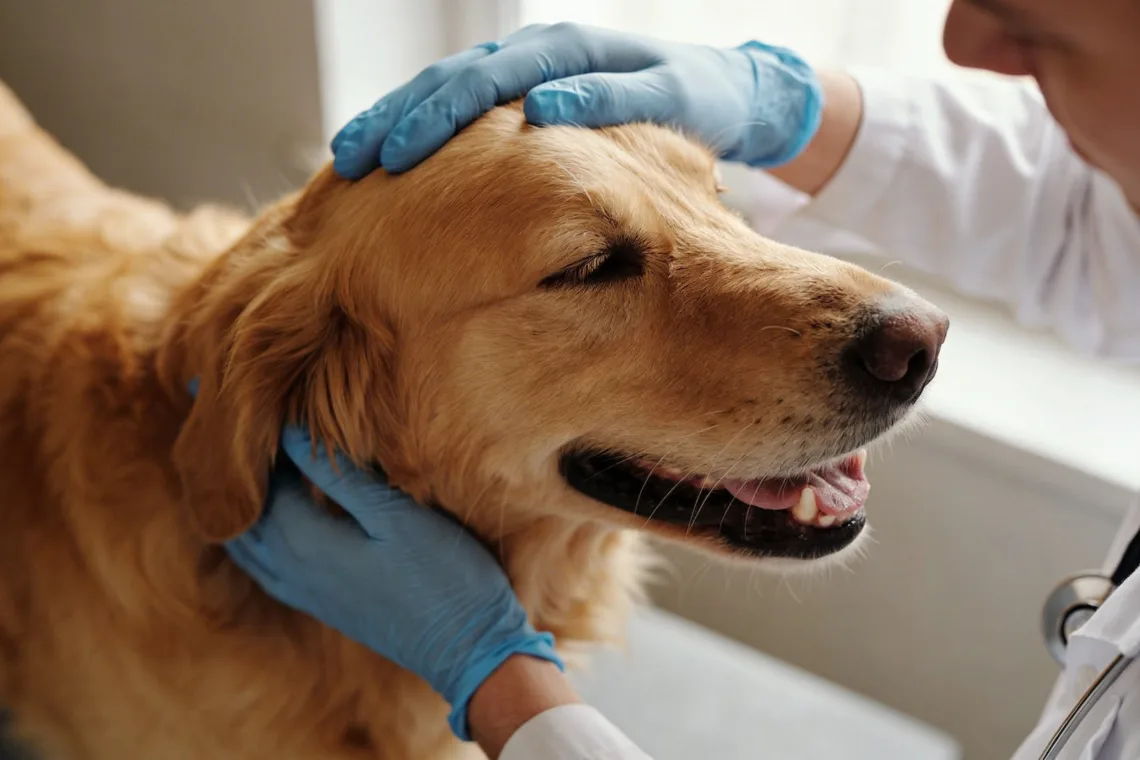
You know that desperate, manic scratching sound your dog makes at 3 AM? The one that jolts you awake and fills you with dread? Yeah, fleas are probably throwing a party on your pup’s skin. The good news: you can kick those tiny vampires to the curb faster than you think, and your dog’s skin can feel calm and comfortable in just a few days.
Why Fleas Are More Than Just Annoying

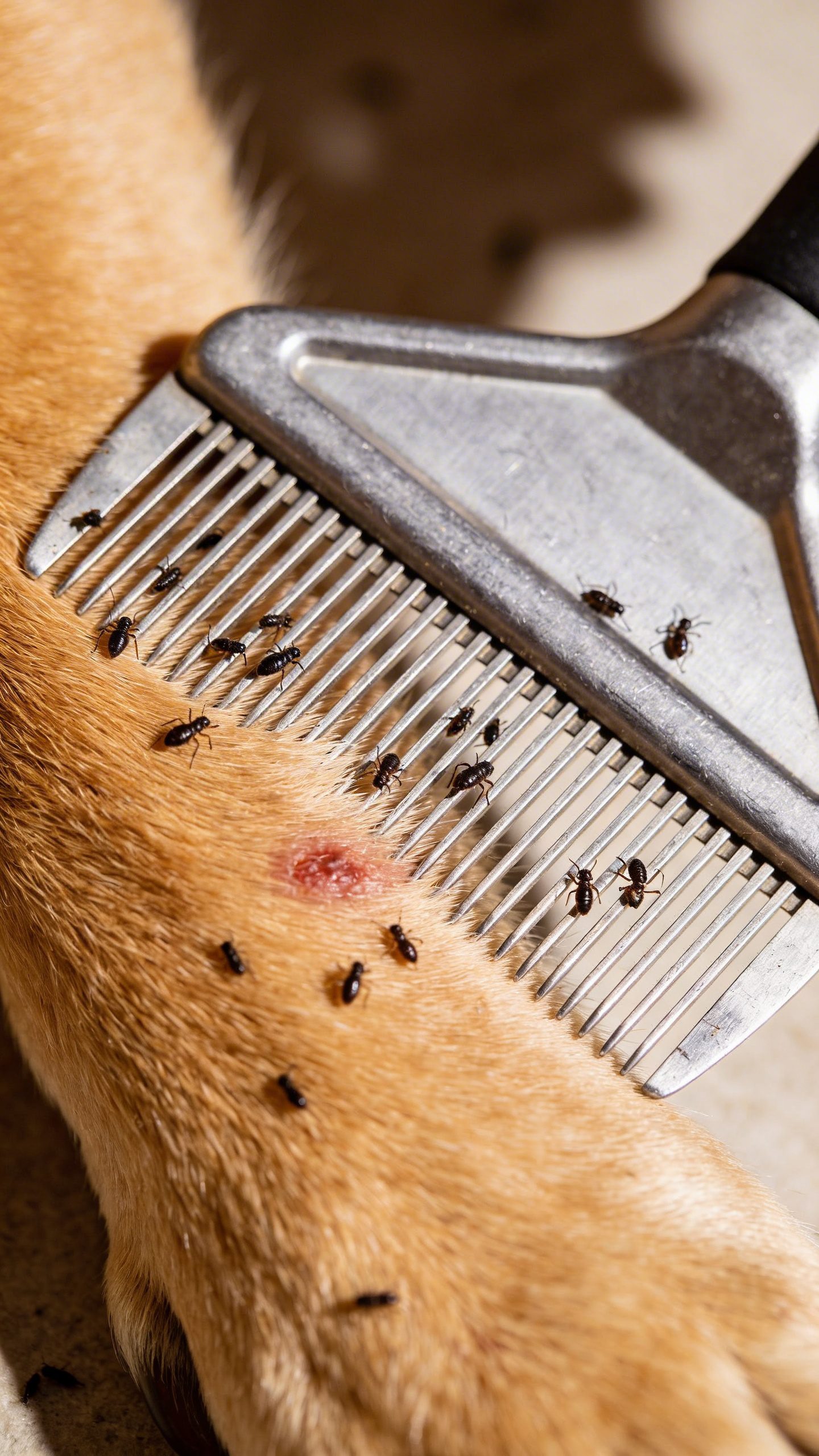
Let’s be real—fleas aren’t just gross. They’re actually harmful little parasites that can cause serious problems for your furry friend. A single flea can bite up to 400 times a day, and they multiply faster than rabbits on energy drinks. One female flea can lay up to 50 eggs daily, which means that small problem you noticed yesterday can become a full-blown infestation by next week.
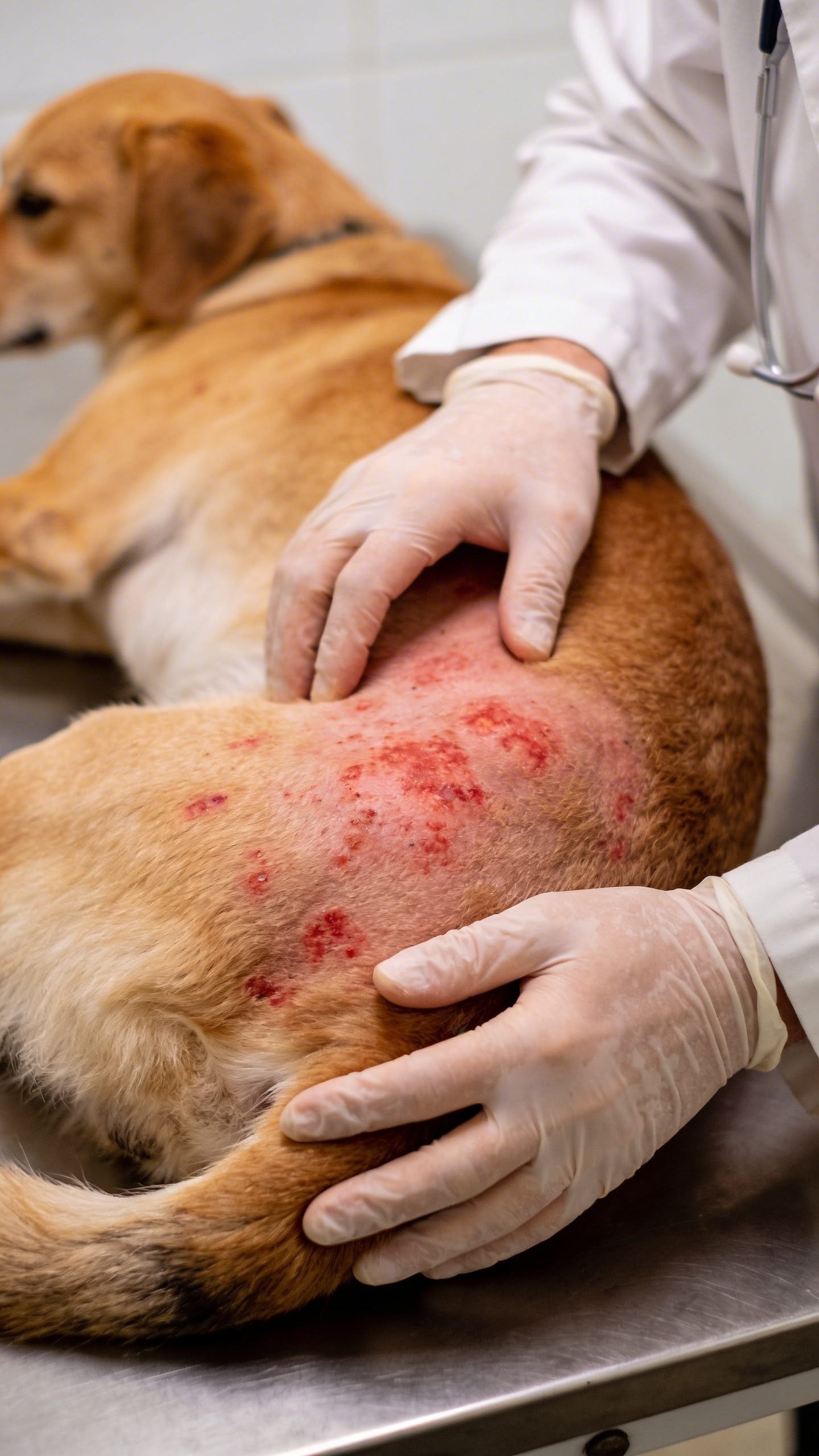
But here’s the thing that really gets me: fleas don’t just make your dog itchy. They can cause anemia in puppies and small dogs, trigger severe allergic reactions (yes, dogs can be allergic to flea saliva), and even transmit tapeworms. So when you’re dealing with fleas, you’re not being dramatic—you’re protecting your dog’s health.
Step 1: Choose the Right Flea Treatment (Not All Are Created Equal)
Walking into a pet store and staring at the flea treatment wall is like trying to pick a Netflix show—overwhelming and slightly anxiety-inducing. But your vet knows what actually works, and spoiler alert: it’s usually not the cheapest option on the shelf.
Topical Treatments vs. Oral Medications
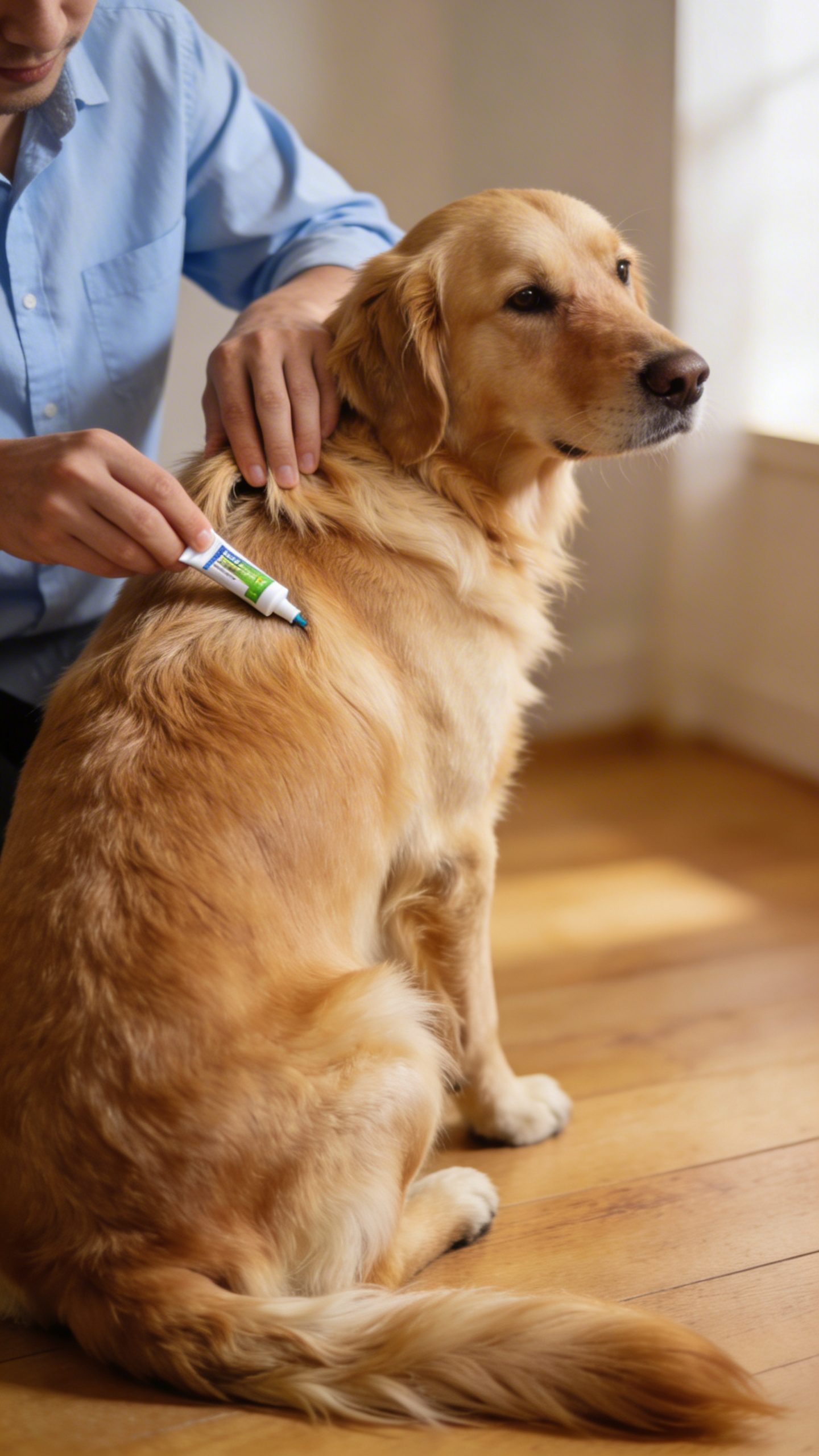
Topical treatments (those little tubes you squeeze onto your dog’s shoulders) work great for many dogs. They spread across the skin’s oil layer and kill fleas on contact. Popular vet-recommended options include products with ingredients like fipronil, selamectin, or imidacloprid.
Oral medications are my personal favorite because your dog can’t lick them off or go swimming and wash them away. Products containing spinosad or afoxolaner start working within hours and kill fleas before they can even lay eggs. Pretty cool, right?
What About Natural Remedies?
Look, I get it. We all want to avoid chemicals when possible. But here’s the honest truth: essential oils and garlic aren’t going to cut it when your dog has an active flea infestation. Save the DIY Pinterest solutions for after you’ve actually eliminated the problem. Your dog will thank you for going with the science-backed option first.
Step 2: Treat ALL Your Pets (Yes, Even the Cat)
Here’s where people mess up constantly: they treat the itchy dog and call it a day. Meanwhile, Fluffy the cat is serving as a five-star flea hotel, continuously re-infecting everyone else. Fleas don’t discriminate—if you have multiple pets, every single one needs treatment on the same day.
This includes that outdoor cat who “barely comes inside” and the indoor cat who “never seems itchy.” Trust me on this. I’ve seen too many people go through multiple rounds of treatment because they skipped the seemingly flea-free pets.
Step 3: Wash Everything (And I Mean Everything)
Okay, deep breath. This step is tedious, but it’s absolutely crucial. Only about 5% of the flea population actually lives on your dog. The other 95%? They’re chilling in your carpet, couch, bedding, and anywhere else your pet hangs out.
Here’s your hit list:
- All pet bedding and blankets (wash in hot water)
- Your bedding if your dog sleeps with you (no judgment—mine does too)
- Removable couch cushion covers
- Any rugs or mats your pet uses
- Stuffed toys that can handle the washing machine
For items you can’t wash, throw them in the dryer on high heat for 30 minutes. Heat is kryptonite to flea eggs and larvae. FYI, you’ll need to repeat this process weekly for at least three to four weeks to break the flea life cycle completely.
Step 4: Vacuum Like You’re Training for the Olympics
I know vacuuming isn’t anyone’s idea of a good time, but it’s genuinely one of the most effective weapons against fleas. The vibrations actually trigger flea pupae to emerge from their cocoons, and then—bam—you suck them right up.
Vacuum every single day for at least two weeks, hitting these priority areas:
- Carpets and rugs (go over each area multiple times)
- Upholstered furniture, including under cushions
- Baseboards and corners where debris accumulates
- Under furniture and beds
- Your car interior if your dog rides along
Pro tip: immediately seal the vacuum bag or empty the canister into a plastic bag, tie it shut, and toss it in your outside garbage. You don’t want those fleas crawling back out like some horror movie scene.
Step 5: Consider Environmental Sprays (But Use Them Wisely)
Sometimes you need to bring in the big guns, especially if you’re dealing with a serious infestation. Environmental flea sprays containing insect growth regulators (IGRs) can prevent flea eggs and larvae from developing into adults, effectively breaking the cycle.
Here’s the deal though: follow the instructions precisely. Remove pets and kids from the area during application, and don’t let anyone back in until everything’s dry. These products work, but only if you use them correctly and safely.
If you’re feeling overwhelmed or the infestation seems out of control, calling a professional exterminator isn’t admitting defeat—it’s being smart. They have access to stronger, more effective treatments and actually know what they’re doing.
Step 6: Maintain Prevention Year-Round
This is where a lot of people drop the ball. They finally get rid of the fleas, breathe a sigh of relief, and then… stop the preventative treatment. Don’t be that person. Fleas can survive in temperatures as low as 33°F, and they’re perfectly happy living indoors during winter.
Keep your dog on veterinarian-recommended flea prevention 12 months a year, no exceptions. It’s infinitely easier and cheaper than dealing with another infestation. Plus, many monthly preventatives also protect against ticks, heartworms, and intestinal parasites. That’s just good value, IMO.
Creating a Long-Term Prevention Strategy
Make flea prevention part of your regular routine, like brushing your teeth or doom-scrolling before bed. Set a phone reminder for the same day each month. Keep your supplies in a visible spot so you don’t forget. Some products even come with automatic delivery subscriptions—one less thing to remember.
Also, regularly groom your dog and check for fleas, especially after they’ve been playing with other dogs or hanging out in wooded areas. Catching a problem early means dealing with a few fleas instead of thousands.
Frequently Asked Questions
How long does it take to completely eliminate a flea infestation?
Most flea infestations take about three months to completely eliminate because you need to break the entire life cycle. However, you should see significant improvement within the first week if you’re treating your pet properly and cleaning your home aggressively. Your dog’s constant scratching should decrease noticeably within just a few days of starting treatment.
Can humans get fleas from dogs?
While fleas can bite humans (and trust me, it’s not pleasant), they can’t actually live on us. We don’t have enough fur for them to hide in, and our body temperature is too low for their liking. That said, you might get bitten while the fleas are looking for your pet, especially around your ankles and legs. They’re opportunistic little jerks like that.
My dog is still scratching after flea treatment—is it not working?
Hold up before you panic. It can take 24-48 hours for fleas to die after treatment, and dying fleas actually become more active (thrashing around), which can cause more itching temporarily. Also, your dog’s skin might be irritated from all the previous biting, so they’ll continue scratching while their skin heals. If the scratching doesn’t improve after a week, definitely call your vet—there might be an allergic reaction or secondary skin infection happening.
Are over-the-counter flea treatments as good as prescription ones?
Not really, and here’s why: over-the-counter products often contain older ingredients that fleas have developed resistance to. Prescription products use newer, more effective active ingredients that fleas haven’t adapted to yet. Plus, your vet can recommend the right product based on your dog’s specific situation, weight, and health status. Those few extra bucks for a prescription product are absolutely worth it.
Do I really need to treat my yard for fleas?
If your dog spends a lot of time outside, treating your yard can definitely help, especially shady, moist areas where fleas love to hang out. Focus on spots where your dog likes to rest or play. That said, treating your home interior and keeping your dog on prevention is way more important than yard treatment. Start there, and only worry about the yard if you’re still having problems.
Can I just give my dog a flea bath and call it good?
Flea baths can kill the fleas currently on your dog, but they provide zero residual protection. The moment your freshly bathed pup walks back through your flea-infested living room, they’ll pick up new passengers. Use flea baths as an immediate relief measure if needed, but always follow up with a monthly preventative that actually lasts.
Conclusion
Dealing with fleas is honestly one of the most frustrating parts of dog ownership, but it doesn’t have to be a months-long nightmare. Hit them hard with vet-approved treatments, clean your home like you’re preparing for royalty, and commit to year-round prevention. Your dog’s calm, comfortable skin is just days away—and that peaceful, flea-free sleep? Totally worth the effort.
Remember, you’re not just fighting the fleas you can see on your dog right now. You’re battling eggs in your carpet, larvae in your couch, and pupae waiting to hatch. It’s basically a tiny war zone in your living room. But with these six steps, you’ve got the battle plan to win. Now go forth and conquer those tiny bloodsuckers.