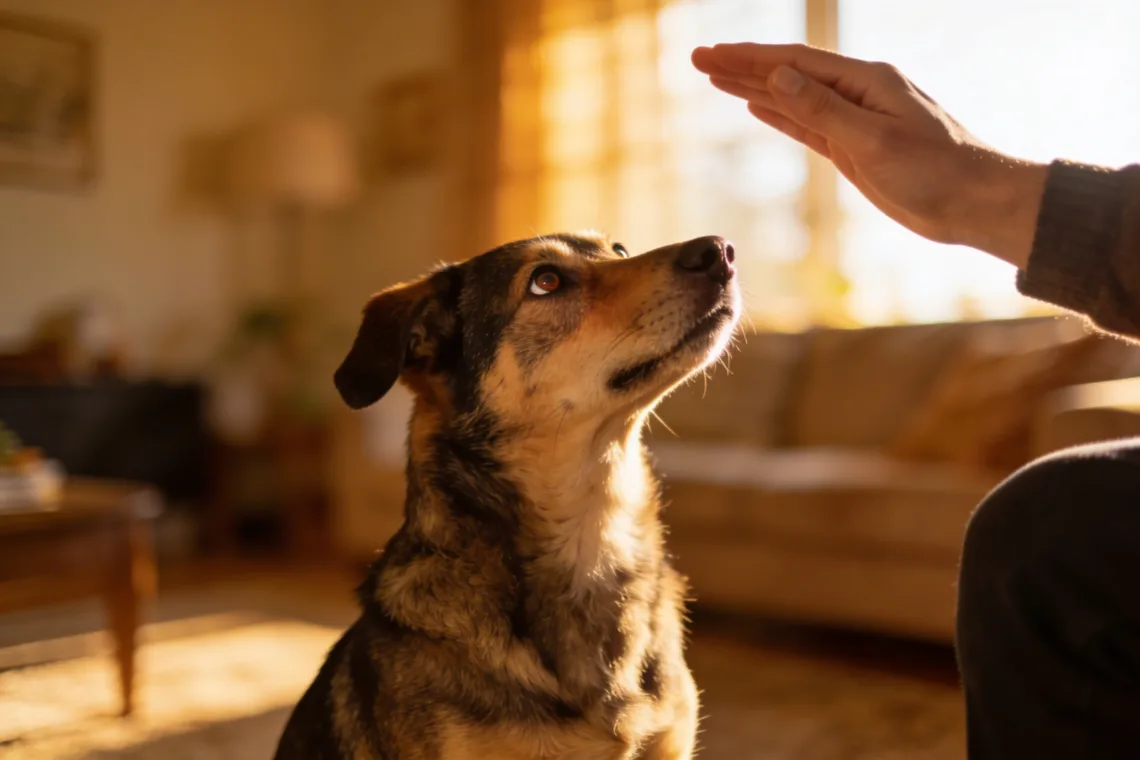
You love your dog, but let’s be honest—sometimes they act like a furry little chaos agent who’s never heard the word “no” in their life. The good news? You don’t need a professional trainer or months of frustration to turn things around. With the right approach and a bit of consistency, you can transform your wild child into a well-behaved companion faster than you think.
Why Most Dog Discipline Methods Fail (And Why You’re Not a Bad Dog Parent)
Before we dive into what works, let’s talk about why so many people struggle with dog discipline. Spoiler alert: it’s probably not your fault.
Most dog owners accidentally confuse their pups by being inconsistent. One day you let Bella jump on the couch, the next day you’re scolding her for it. To your dog, that’s like playing a game where the rules change randomly—frustrating and impossible to win.
Another huge mistake? Thinking discipline means punishment. It doesn’t. Effective discipline is about teaching your dog what you want them to do, not just yelling at them for what they’re doing wrong. That mindset shift alone will change everything about your training approach.
Tip #1: Master the Art of Timing (Because Dogs Have Goldfish Memory)
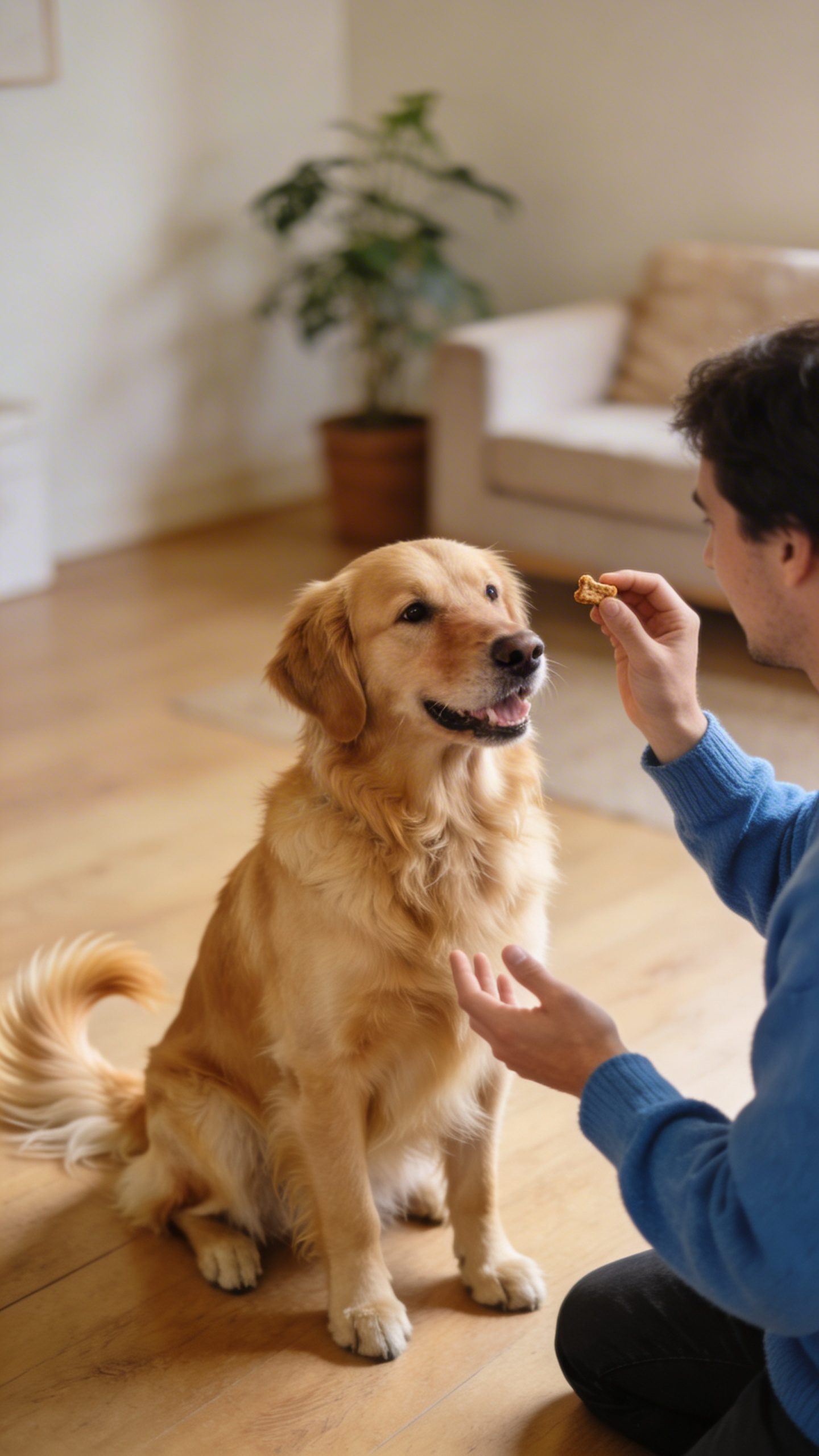
Here’s something that’ll blow your mind: dogs have about a 2-5 second window to connect an action with a consequence. That’s it. If you come home to a shredded pillow and scold your dog, they have absolutely no idea what you’re upset about. They just know you’re angry, which makes them anxious.
Want to make discipline stick? You need to catch behaviors in the act. See your dog chewing your shoe? Interrupt immediately with a firm “no” and redirect them to an appropriate toy. Wait even 30 seconds, and you’ve missed your window.
This is why crate training works so well for housebreaking, by the way. You can actually catch accidents before they happen and redirect your pup outside where you can praise them. It’s all about creating those instant connections between action and outcome.
Tip #2: The Power of “Yes” Beats the Power of “No”
Constantly telling your dog “no” is exhausting for both of you. Instead, flip the script and focus on rewarding what you want to see more of.
How Positive Reinforcement Actually Works
Every time your dog does something right—sits calmly instead of jumping, waits at the door, comes when called—mark it with enthusiastic praise or treats. Dogs repeat behaviors that get them good stuff. It’s that simple.
The best part? This method doesn’t just work faster than punishment-based training; it also creates a dog who actually wants to listen to you. They’re not obeying out of fear—they’re partnering with you because cooperation brings rewards.
FYI, treats don’t have to mean your dog gains 10 pounds. Use tiny pieces (like the size of a pea) or incorporate their regular kibble as training rewards.
Tip #3: Consistency Is Your Secret Weapon

Want to know the one thing that separates successfully trained dogs from the chaos gremlins? Consistent rules from consistent people.
If jumping on guests is not allowed, it’s never allowed—not even when Aunt Susan says “oh, it’s fine!” If furniture is off-limits, that rule applies whether you’re home or away. Every single person in your household needs to enforce the same rules the same way.
I know, I know—getting your whole family on the same page sounds harder than training the dog. But this is non-negotiable. Mixed messages will undo weeks of progress in days. Have a family meeting, write down the rules, and make sure everyone commits.
Tip #4: Exercise Before Expectations
Ever tried to make a toddler sit still after they’ve had three cookies? That’s basically what you’re doing when you expect perfect behavior from a dog who hasn’t burned off their energy.
A tired dog is an obedient dog. Before training sessions—and honestly, before you expect good behavior during the day—make sure your pup has had adequate physical and mental exercise.
Here’s what that looks like:
- Morning walk or play session before you leave for work
- Interactive toys or puzzle feeders to keep their brain busy
- Another walk or active playtime in the evening
- Training games that combine physical and mental stimulation
A Border Collie who’s been cooped up all day isn’t being “bad” when they destroy your couch cushions—they’re just desperately trying to do something with all that pent-up energy. Give them an appropriate outlet, and suddenly discipline gets about 10 times easier.
Tip #5: Use Your Voice and Body Language Strategically
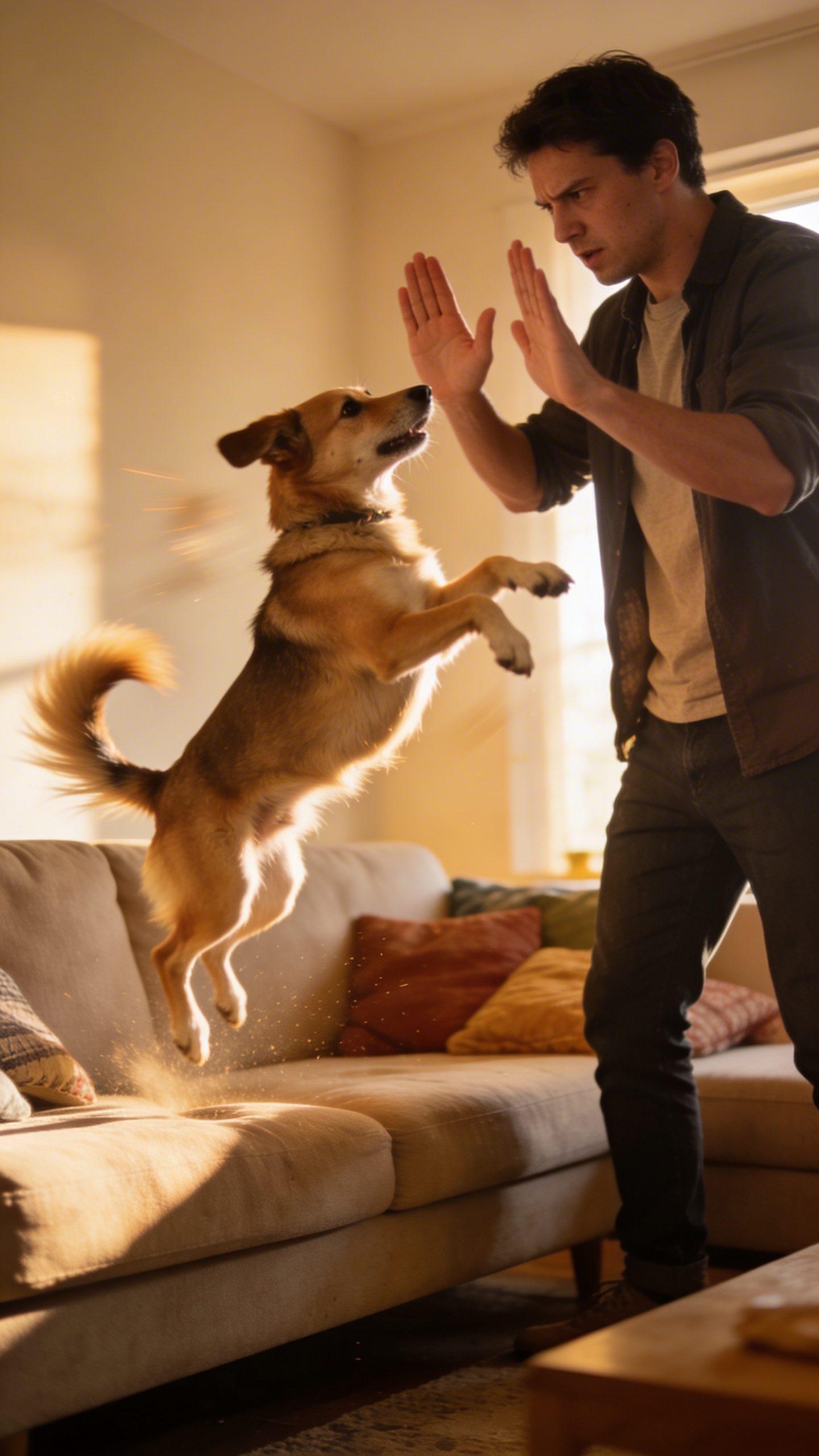
Dogs are absolutely brilliant at reading human body language and tone. Like, scary good at it. You can use this to your advantage.
The Calm-Assertive Energy Thing Is Real
When correcting behavior, use a firm, low tone—not yelling, not angry, just matter-of-fact and serious. Think disappointed dad vibes, not screaming coach. When praising, go high-pitched and enthusiastic. Your dog should immediately know from your voice whether they’re on the right track or not.
Your body language matters too. Stand tall and confident when giving commands. Move into your dog’s space when you need to interrupt bad behavior. Turn away and ignore attention-seeking behaviors like jumping or whining.
IMO, the biggest mistake people make is getting all emotional during corrections. Stay calm, stay consistent, and your dog will respond so much better.
Tip #6: The Magic of Redirection
Telling a dog to stop doing something only works if you show them what to do instead. This is where redirection becomes your best friend.
Digging in the yard? Interrupt and redirect to a designated digging spot or a toy. Barking at the window? Redirect to their bed with a command like “place.” Chewing furniture? Give them an awesome chew toy instead.
You’re not just stopping bad behavior—you’re installing good behavior in its place. This creates lasting change instead of just temporary compliance.
Tip #7: Master the “Nothing in Life Is Free” Protocol
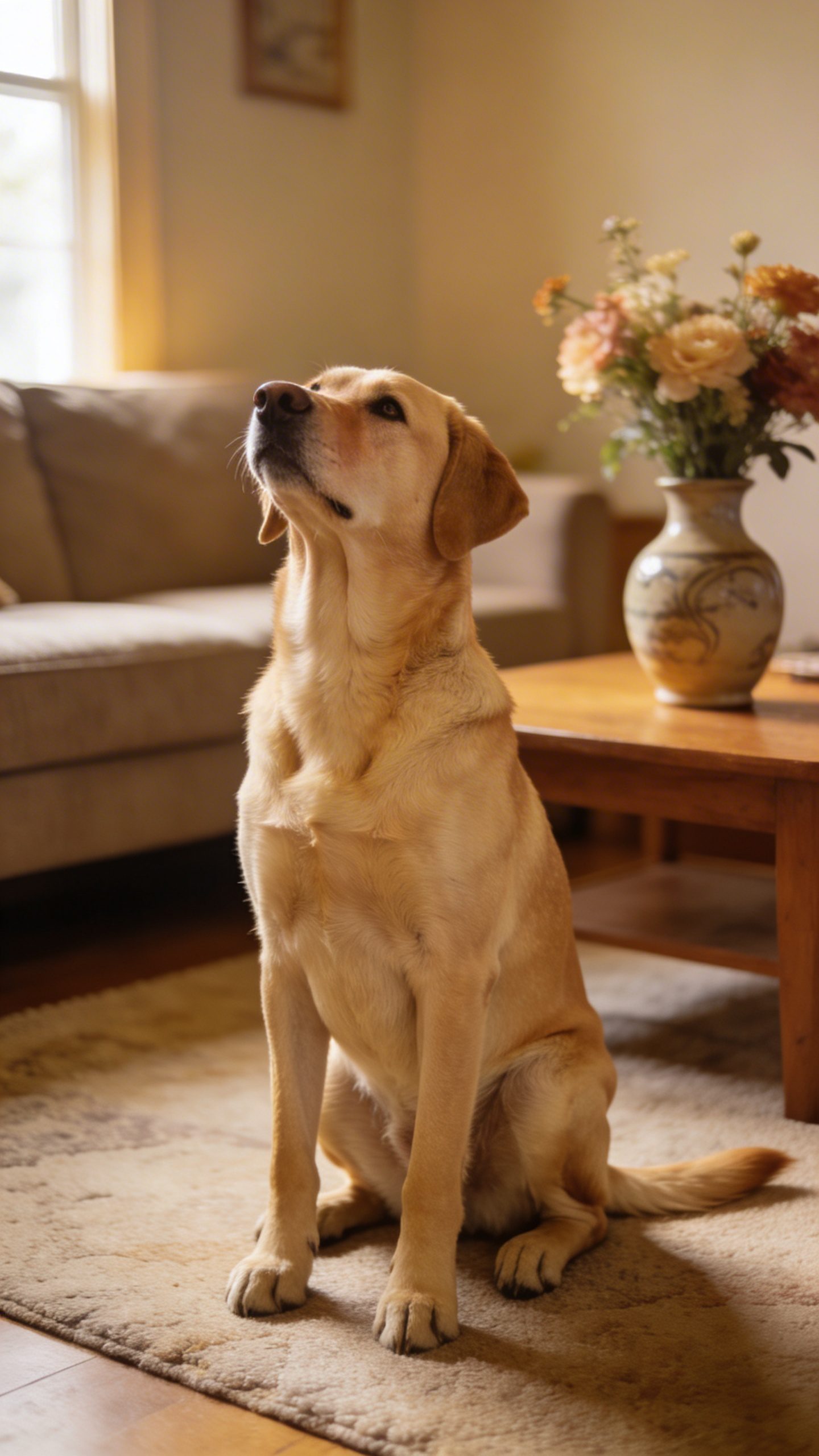
This sounds harsher than it is, trust me. The “Nothing in Life Is Free” approach simply means your dog earns everything they want by doing something for you first.
Want dinner? Sit first. Want to go outside? Wait at the door until released. Want that toy? Make eye contact and wait for permission.
This accomplishes two things:
- It reinforces that you’re the decision-maker and provider
- It turns everyday moments into mini training sessions
You’re not being mean—you’re creating structure that dogs actually crave. Dogs feel more secure when they understand the household hierarchy and rules. It reduces anxiety and behavioral issues.
Tip #8: The Time-Out Works (When Done Correctly)
Sometimes your dog just needs a reset. When they’re getting too amped up—play-biting, zooming uncontrollably, ignoring all commands—a brief time-out can work wonders.
This doesn’t mean yelling and dragging them to their crate. Instead, calmly remove them from the exciting situation. Put them in a quiet room or their crate for 2-3 minutes. No drama, no anger, just a boring little break.
When they come out calmer, reward that calm energy. You’re teaching them that wild behavior ends the fun, while calm behavior gets them what they want. Pretty smart, right?
Tip #9: Patience and Repetition Aren’t Optional
Here’s the truth nobody wants to hear: you’ll need to repeat yourself approximately 47,000 times before some commands stick. That’s just how dog brains work.
Most people give up right before they would’ve seen breakthrough results. They practice “sit” for a week, don’t get perfect compliance, and decide it’s not working. But dogs learn through repetition—lots and lots of repetition.
Keep sessions short (5-10 minutes), practice daily, and celebrate small wins. Your dog didn’t learn bad habits overnight, and they won’t unlearn them overnight either. Commit to the process for at least a few weeks before you judge whether it’s working.
Frequently Asked Questions
How long does it actually take to see results from dog discipline training?
Most dogs show noticeable improvement within 2-3 weeks if you’re consistent with training. Simple commands like sit and stay might click within days, while more complex behavioral changes (like stopping leash pulling or reducing separation anxiety) typically take 4-6 weeks. The key word here is consistent—spotty training produces spotty results.
Is it ever too late to discipline an older dog?
Absolutely not! That whole “you can’t teach an old dog new tricks” thing is complete nonsense. Adult and senior dogs can absolutely learn new behaviors and unlearn bad habits. In fact, older dogs often focus better during training than puppies do. It might take slightly longer than training a puppy, but it’s definitely possible and totally worth it.
Should I use treats forever, or will my dog eventually obey without them?
Start with frequent treats during the learning phase, then gradually reduce them as behaviors become habits. Move to intermittent reinforcement (rewarding randomly rather than every time) to maintain the behavior without constant treats. You can also replace food treats with praise, play, or life rewards (like going outside). Think of treats as a training tool, not a permanent bribe.
What should I do if my dog completely ignores me during discipline?
First, check your timing and make sure you’re catching behaviors in the moment. Second, evaluate whether your dog has truly learned what you’re asking—they can’t obey commands they don’t understand yet. Third, consider whether something more exciting is competing for their attention (you might need higher-value rewards). Finally, make sure your dog is getting enough exercise; a hyperactive dog literally can’t focus on training.
Are certain dog breeds harder to discipline than others?
Some breeds are definitely more challenging for beginners. Herding breeds, working breeds, and terriers tend to be smart but stubborn, requiring more consistent training. However, breed tendencies don’t determine destiny—individual personality matters more. Any breed can become obedient with the right approach, though some might require more patience and creativity than others.
When should I consider hiring a professional dog trainer?
Get professional help if you’re dealing with aggression, severe anxiety, or behaviors that could be dangerous. Also consider a trainer if you’ve been consistently trying these tips for 6-8 weeks without any improvement. Sometimes an outside perspective identifies issues you can’t see. Group training classes are also great for socialization and learning proper techniques, even if your dog isn’t a “problem child.”
Wrapping It Up: Your Well-Behaved Dog Journey Starts Now
Transforming your dog from chaos agent to obedient companion doesn’t require magic or expensive equipment. It requires consistency, patience, and the right techniques applied at the right time.
Start with just one or two of these tips and build from there. Maybe focus on timing and positive reinforcement this week, then add the consistency piece next week. Small changes add up to major transformations when you stick with them.
Your dog wants to please you—they’re just waiting for clear communication about what that looks like. Give them that clarity, and you’ll be amazed at how quickly they rise to meet your expectations. Now get out there and start building the partnership you both deserve!