
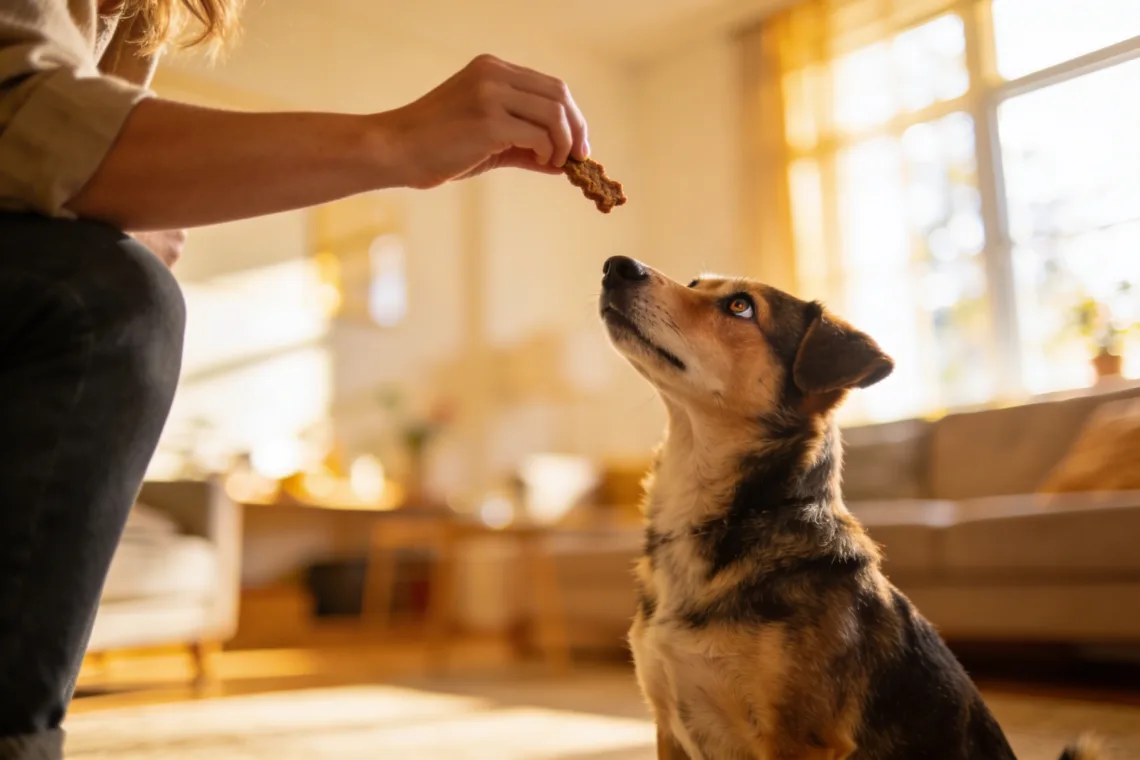
Your dog stares at you with those big, hopeful eyes while you’re holding a treat, but when you say “sit,” they just tilt their head like you’re speaking ancient Greek. Sound familiar? Teaching your dog basic commands isn’t just about impressing your neighbors—it’s about building a foundation of communication that makes life easier for both of you. Let’s dive into the essential commands that’ll transform your pup from chaos gremlin to well-mannered companion.
Why These Nine Commands Actually Matter
Look, I get it. You adopted a dog for cuddles and companionship, not to become a drill sergeant. But here’s the thing: dogs genuinely thrive on structure and clear communication. They’re not being stubborn when they ignore you—they literally might not understand what you want.
These nine commands form the backbone of canine etiquette. They keep your dog safe (preventing them from bolting into traffic), make vet visits less traumatic (hello, “stay” command), and honestly, they make you look like a responsible pet owner. Plus, training sessions strengthen your bond and give your dog the mental stimulation they crave.
Think of these commands as your dog’s basic vocabulary. Once they’ve got these down, everything else becomes exponentially easier.
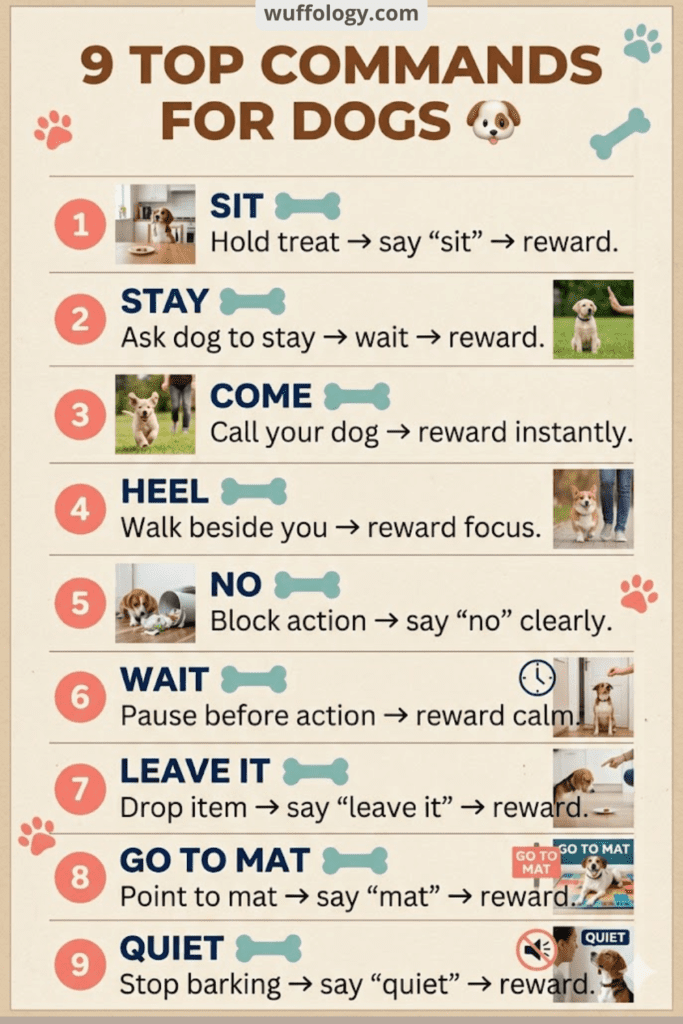
Command #1: Sit – The Gateway Drug to Obedience
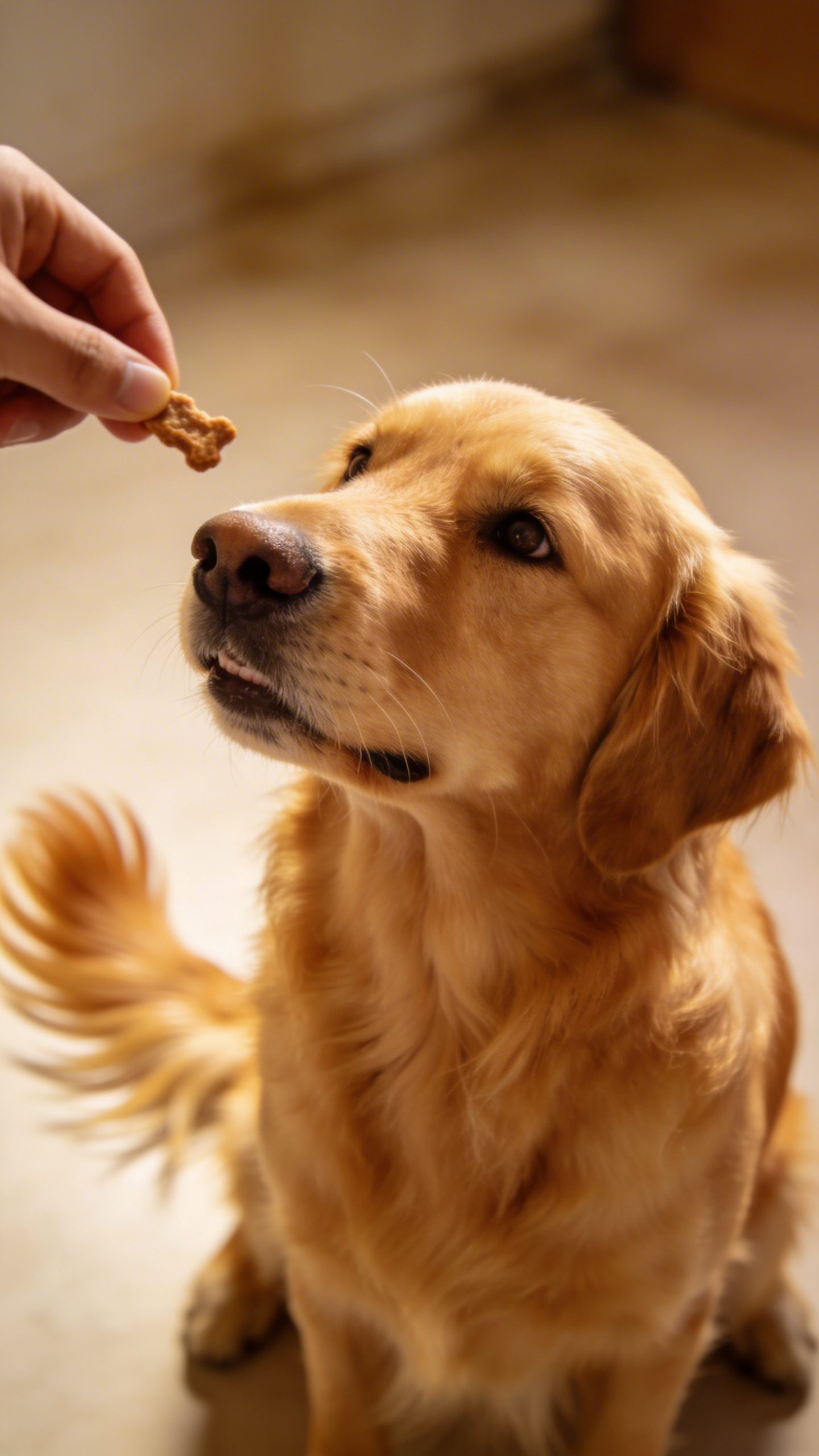
Sit is usually the first command people teach, and for good reason. It’s ridiculously useful and relatively easy for dogs to learn. Need your dog to calm down before dinner? Sit. Want them to greet guests politely instead of jumping all over them? Sit. It’s the Swiss Army knife of dog commands.
Here’s the fastest way to teach it: Hold a treat close to your dog’s nose, then slowly move your hand up and back over their head. Their butt will naturally hit the ground as they follow the treat. The second their rear touches down, say “sit,” give the treat, and praise like they just won a Nobel Prize.
Practice this several times a day in short bursts. Dogs have the attention span of a goldfish on espresso, so keep training sessions to 5-10 minutes max. You’ll be shocked how quickly they catch on.
Command #2: Stay – Teaching Patience (To Both of You)
Stay might test your patience more than your dog’s, TBH. This command requires impulse control, which doesn’t come naturally to most dogs. They want to be wherever you are, doing whatever you’re doing, preferably right now.
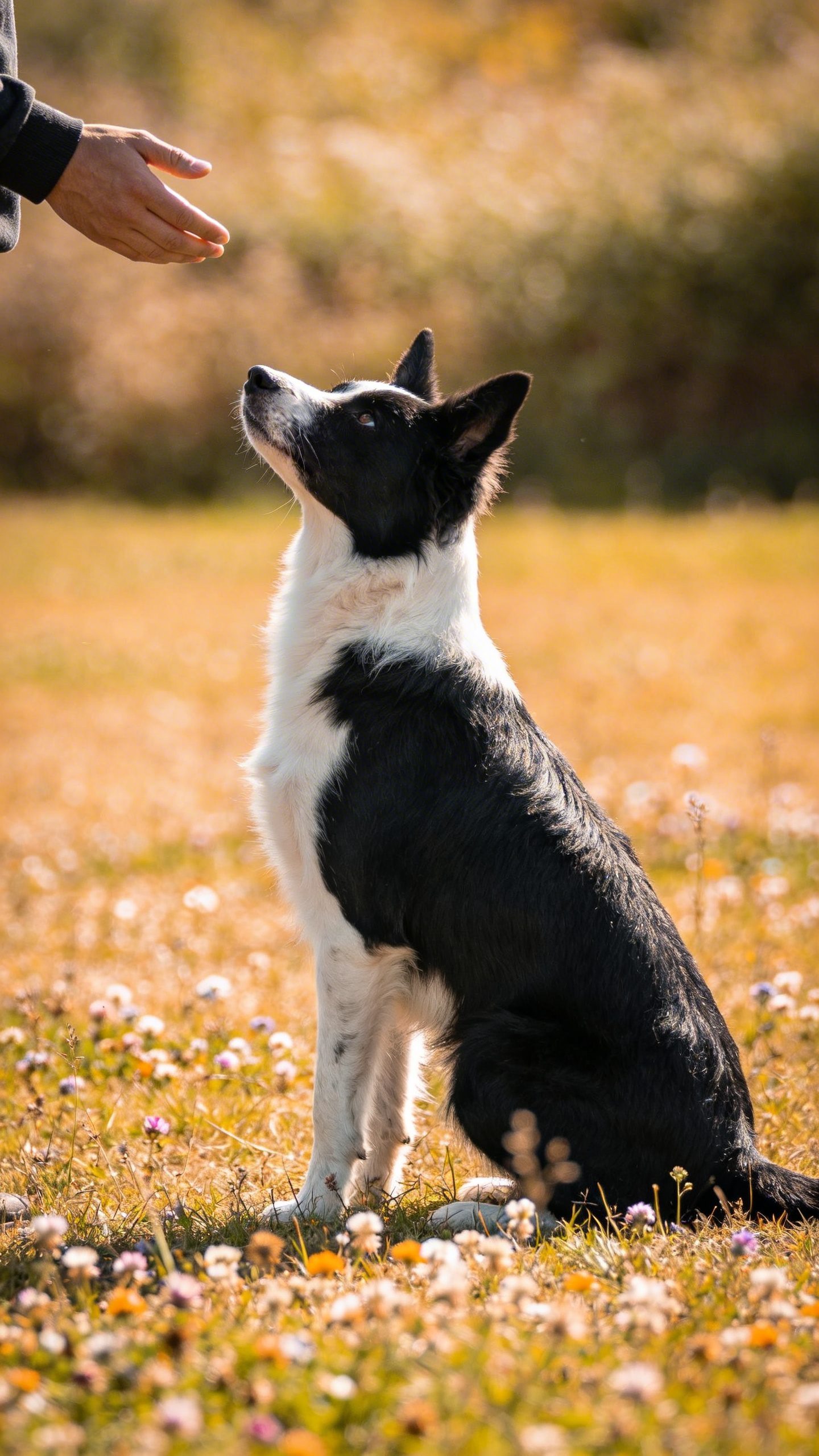
Start with sit, then hold your hand up like a stop sign and say “stay.” Take one step back. If your dog stays put for even two seconds, return immediately and reward them. Don’t make them wait too long at first—you’re setting them up to fail if you expect a five-minute stay on day one.
Gradually increase the distance and duration. Some dogs nail this in a week; others need months. Don’t compare your beagle to your neighbor’s border collie. Every dog learns at their own pace.
Command #3: Come – The Literal Lifesaver

This command could save your dog’s life. Period. A reliable recall means you can call your dog back from chasing a squirrel into the street or approaching an aggressive dog at the park.
Never, ever punish your dog when they come to you, even if they took their sweet time or were doing something naughty beforehand. If you scold them after they come, you’re teaching them that coming to you = bad things. Instead, make coming to you the best thing ever.
The Recall Training Method That Actually Works
Start in a boring, enclosed space. Say your dog’s name followed by “come” in an upbeat, exciting voice. When they reach you, throw a party. Treats, praise, belly rubs—the works. Practice this constantly, even when you don’t “need” them to come.
Pro tip: Don’t only call your dog when fun time is over. If the only time they hear “come” is when you’re ending their park session, they’ll start ignoring you. Call them randomly during play, reward them, and let them go back to having fun.
Command #4: Down – More Than Just a Party Trick
Down (or “lie down”) is harder than sit because it puts dogs in a vulnerable position. Some dogs take to it immediately; others act like you’ve asked them to solve calculus.
From a sitting position, hold a treat in your closed fist near their nose, then lower it straight down to the ground. Your dog should follow it into a lying position. The moment their elbows hit the floor, say “down,” reward, and celebrate.
This command is clutch for calming an excited dog or keeping them out of the way when you’ve got guests over. It’s also the foundation for more advanced tricks like “roll over” if you’re feeling ambitious.
Command #5: Leave It – Saving Dogs from Their Own Poor Decisions

Dogs want to eat everything. Trash, dead things, chocolate, random stuff on the sidewalk—their motto is basically “forbidden snacks taste best.” Leave it teaches them to ignore temptation, which is harder than it sounds.
Place a treat in your closed fist. Your dog will probably lick, paw, and generally harass your hand. Ignore this completely. The second they back off or look away, say “leave it,” then give them a different treat from your other hand. Don’t give them the treat they were originally interested in—that defeats the whole purpose.
Work up to placing treats on the floor and eventually to real-world scenarios like ignoring food dropped at dinner or that sketchy chicken bone on your walk.
Command #6: Heel – Because Shoulder Dislocation Isn’t Fun
If your dog pulls on the leash like they’re training for the Iditarod, heel will change your life. This command teaches your dog to walk calmly beside you without turning every stroll into an upper-body workout.
The key is consistency. Every time your dog pulls, stop walking. Stand there like a statue. When they look back at you or the leash loosens, reward them and continue. They’ll eventually realize that pulling gets them nowhere (literally), while walking nicely gets them where they want to go.
Use a marker word like “yes” or a clicker when they’re in the correct position by your side. IMO, this command requires the most patience, but the payoff is enormous.
Commands #7-9: The Power Trio for Advanced Learners
Drop It – The Negotiation Command
Different from “leave it,” drop it means “spit out whatever’s in your mouth right now.” Essential for when your dog picks up something dangerous or decides your favorite shoe is a chew toy.
Offer a high-value treat in exchange for whatever they’ve got. Most dogs will drop the item to take the treat. Say “drop it” as they release it. Always trade for something good—if you just take stuff away without compensation, they’ll start running from you.
Wait – The Underrated Command
Wait is like stay’s chill cousin. It means “pause briefly” rather than “freeze until I release you.” Use it at doorways, before meals, or when getting out of the car.
The training is similar to stay, but the duration is shorter and you don’t require them to hold a specific position. It’s perfect for teaching impulse control without the formality of a full stay.
Off – Boundaries Are Important
Off tells your dog to get off something—the couch, the counter, you when they’re jumping up. It’s different from down (which means lie on the floor).
When your dog jumps on something they shouldn’t, say “off” and lure them down with a treat or physically guide them. Reward them the instant all four paws hit the ground. Consistency is everything here—if you sometimes allow couch privileges and sometimes don’t, you’re just confusing them.
Building a Daily Training Routine That Doesn’t Feel Like Work
You don’t need to set aside an hour every day for formal training sessions. Honestly, you’ll burn out fast if you try. Instead, integrate these commands into your regular routine.
Practice “sit” before meals. Work on “stay” while you prep dinner. Run through “come” during backyard playtime. Five minutes here and there adds up way faster than you’d think. Plus, it reinforces that these commands apply everywhere, not just during official training time.
Keep training sessions positive and end on a high note. If your dog nails a command, throw a mini celebration and call it a day. You want them to associate training with fun, not frustration.
Common Training Mistakes That Slow Progress
Even experienced dog owners make these errors, so don’t beat yourself up if you recognize yourself here. The biggest mistake? Inconsistent commands. If you say “come here” one day, “come” the next, and “c’mere buddy” the day after, your dog won’t connect the dots.
Another trap: not rewarding fast enough. Dogs live in the moment. If you wait five seconds to give a treat, they won’t associate it with the behavior you wanted. Timing is critical—reward within one to two seconds of the desired action.
FYI, using punishment-based training might get short-term results, but it damages your relationship with your dog and often creates anxiety or aggression issues. Stick with positive reinforcement. It works better and doesn’t turn you into the bad guy.
Frequently Asked Questions
How long does it take to train a dog in basic commands?
Most dogs can learn basic commands in 4-6 weeks with consistent daily practice. Some breeds pick things up faster (looking at you, border collies and poodles), while others need more repetition. Age matters too—puppies might take longer because their attention spans are basically nonexistent, but they’re also little sponges. Older dogs can absolutely learn; the “you can’t teach an old dog new tricks” thing is complete nonsense.
Should I use treats for every command forever?
Not necessarily. Start with treats to build the association, then gradually phase them out by using variable reinforcement. Sometimes give a treat, sometimes just praise, sometimes a quick play session. This actually makes the behavior stronger because your dog never knows when the reward is coming, so they always try. Think of it like slot machines—people keep playing because they might win, not because they definitely will.
What if my dog knows the command at home but ignores it outside?
Welcome to the wonderful world of generalization! Dogs don’t automatically understand that “sit” in your living room means the same thing as “sit” at the park with a million distractions. You need to practice commands in different locations, with varying levels of distraction. Start easy (your backyard), then gradually increase difficulty (front yard, quiet street, busy park). It’s like leveling up in a video game.
Can I train multiple commands at once?
Absolutely, just don’t overwhelm your dog. Working on 2-3 commands simultaneously is fine. Maybe focus on sit and stay (since they complement each other), plus come. Master the basics before moving to advanced stuff. A rock-solid foundation beats knowing twenty commands poorly.
My dog only listens when I have treats. Help?
This is super common and fixable. Start varying your rewards—sometimes treats, sometimes toys, sometimes just enthusiastic praise. Also, make sure you’re not showing the treat before your dog performs the command. Give the command, wait for compliance, then produce the reward. If they can see the treat first, they’re not really listening to you; they’re just following the food.
Are some dogs just untrainable?
Nope. Some dogs are more challenging than others, sure. Independent breeds like huskies or hounds have their own agendas and don’t live to please you like a golden retriever might. But every dog can learn basic commands with the right approach and enough patience. If you’re really struggling, consider hiring a professional trainer—there’s no shame in getting expert help.
Wrapping It Up
Training your dog in these nine essential commands isn’t about turning them into a robot that follows orders mindlessly. It’s about building a common language so you can coexist peacefully and keep them safe. Plus, a well-trained dog gets more freedom because you trust them not to cause chaos.
Remember, training is a marathon, not a sprint. Some days your dog will act like a genius; other days they’ll pretend they’ve never heard the word “sit” in their entire life. That’s normal. Stay consistent, keep it fun, and celebrate the small wins. Before you know it, you’ll have a dog that actually listens—at least most of the time. And honestly? That’s a pretty great feeling.



2 Comments on “9 Top Commands for Dogs: Smart Daily Training Tricks That Build Obedience Fast”
Comments are closed.